
What Does Orthodontic Treatment in Gangnam Involve?
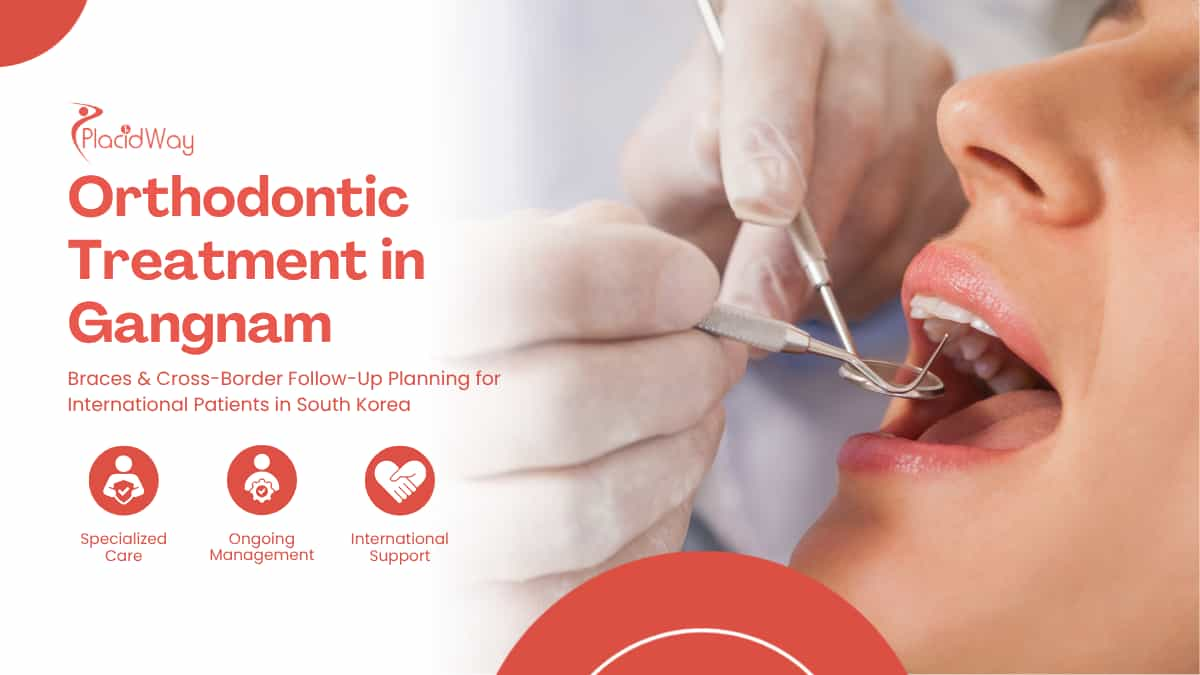
Most healthcare travel involves a defined surgical intervention followed by a brief, focused recovery period before the patient flies home. Orthodontics challenges this established medical tourism model entirely because moving teeth is not a standalone procedural event—it is a continuous biological process that requires persistent, months-long clinical management.
For international professionals, expatriates, students, and medical travelers considering orthodontic treatment in Gangnam, South Korea, the initial consultation and device fitting are rarely the difficult parts. The true decision tension lies in how to responsibly manage a long-term treatment plan that inherently demands ongoing clinical adjustments while living a highly transient or cross-border lifestyle.
The Core Decision Tension
Starting an orthodontic journey in Seoul offers access to some of the most advanced digital dentistry in the world, but it simultaneously anchors your oral health to a specific clinic. The choice to proceed depends less on the initial bracket placement and far more on your logistical ability to maintain continuity of care, handle hardware emergencies abroad, and commit to a biological timeline that cannot be rushed by a travel itinerary.
The Biology of Time: Why Orthodontics Cannot Be Rushed
Many international patients mistakenly assume they can simply have braces placed during a stay in Seoul and let the physical devices do all the heavy lifting while they return home for a year. However, safe and effective tooth movement relies on a highly complex, deliberately slow cycle of cellular bone remodeling driven by controlled mechanical stress.
When continuous, calibrated force is applied to a tooth, specialized cells called osteoclasts break down the alveolar bone on the compression side, while osteoblasts form new structural bone on the tension side. This inflammatory physiological response cannot be bypassed or safely accelerated just because a patient has a flight to catch, meaning the overall treatment timeline is dictated entirely by individual cellular biology rather than geographical convenience.
The Phases of Biological Tooth Movement
- Initial Alignment Phase: The first few months focus on leveling the arches and unraveling crowded teeth, which often produces the most visible aesthetic changes but involves relatively light biological forces.
- Working Phase: The longest portion of treatment involves closing extraction gaps, correcting the anterior-posterior bite relationship, and shifting the deep roots of the teeth through dense alveolar bone.
- Finishing and Detailing: The final stage requires meticulous, microscopic adjustments to ensure the teeth interlock correctly, creating a stable bite that reduces the risk of long-term functional relapse.
Clinical Complexity: What Are You Trying to Fix?
The feasibility of managing your orthodontics across borders is directly tied to the severity and specific mechanical requirements of your malocclusion. A straightforward case involving minor crowding in the front teeth involves entirely different mechanical risks compared to a severe skeletal discrepancy requiring extensive root movement.
Orthodontists in Gangnam frequently utilize Temporary Anchorage Devices (TADs)—tiny titanium mini-screws placed temporarily into the jawbone—to achieve complex tooth movements without orthognathic jaw surgery. While TADs offer remarkable clinical results, attempting to manage these advanced mechanics while living in another country introduces significant risk if the anchorage fails or requires urgent professional adjustment.
High Cross-Border Feasibility
Mild to moderate crowding, minor spacing issues, and cases requiring simple tipping movements. These can often be predictably managed with digitally planned clear aligners and remote monitoring software.
Moderate Cross-Border Risk
Moderate overbites, crossbites, and cases requiring the regular use of intermaxillary elastics (rubber bands). Success relies heavily on impeccable patient compliance and highly communicative teledentistry.
Low Cross-Border Feasibility
Severe skeletal discrepancies, impacted canines, extraction cases requiring complex space closure, or reliance on TADs (mini-screws) that demand frequent, in-person clinical intervention.
Choosing the Right Modality for a Traveling Lifestyle
When physical geographical continuity is uncertain, the actual type of orthodontic device chosen becomes a critical factor in determining whether the treatment will ultimately succeed. The traditional approach of bonding metal or ceramic brackets directly to the teeth requires an orthodontist to physically change or tighten the archwires at regular intervals to maintain the necessary biological tension.
If you are actively living between countries, relying on fixed braces creates immense logistical friction and a high probability of delayed treatment progress. Clear aligner therapy is frequently chosen by international patients precisely because the physical adjustments are built directly into a series of removable plastic trays, allowing patients to progress through structural treatment stages without requiring a clinical visit for every minor transition.
| Modality | Adjustment Mechanism | Emergency Risk Profile | Cross-Border Feasibility |
|---|---|---|---|
| Fixed Labial Braces | Requires in-person wire changes and ligature replacements every 4-8 weeks. | High risk of bracket debonding or poking wires requiring urgent clinical clipping. | Very low, unless a local dentist officially agrees to co-manage the active mechanics. |
| Fixed Lingual Braces | Hidden behind teeth; adjustments are notoriously difficult and require specialized tools. | Moderate risk of debonding, but finding an overseas specialist to fix them is extremely difficult. | Extremely low due to the niche expertise required for lingual mechanics. |
| Clear Aligner Therapy | Patient swaps physical trays at home based on schedule or remote digital scans. | Low physical risk, though lost trays require immediate international replacement shipping. | High, provided the patient is rigorously compliant and the clinic utilizes teledentistry. |
How Gangnam Clinics Handle Remote Monitoring
South Korea is recognized globally as a prominent, fast-paced hub for digital dentistry, and many progressive orthodontic clinics in the Gangnam district have deeply integrated artificial intelligence and teledentistry into their clear aligner protocols. This robust technological infrastructure is what makes cross-border orthodontics theoretically possible for highly compliant adult candidates.
Instead of requiring an international flight back to Seoul every six weeks just to check if a single incisor is tracking correctly, eligible remote patients are equipped with specialized smartphone-based scanning applications. These standardized digital workflows typically follow a distinct sequence designed to replicate an in-person visual assessment as closely as clinically possible.
The Teledentistry Workflow
- Digital Scanning at Home: The patient uses a provided specialized scan box and cheek retractor attached to their smartphone to capture a highly detailed video or image series of their teeth while wearing their current aligner.
- AI Intermediary Analysis: Software algorithms immediately evaluate the scan to determine whether the plastic aligner is seating correctly against the composite attachments and if the teeth are tracking according to the initial 3D treatment plan.
- Clinical Review in Seoul: The treating orthodontist or a designated clinical team member in Gangnam reviews the flagged digital data remotely to confirm the software's assessment and evaluate oral hygiene.
- The Go / No-Go Decision: The patient receives a notification through the secure app instructing them either to move to the next sequential tray or advising them to wear the current tray for an extended period to allow stubborn teeth further time to move.
Preparing for the Unplanned: Orthodontic Emergencies Abroad
No matter how sophisticated a digital monitoring system is, physical hardware can and occasionally will fail. When patients travel far away from their primary orthodontic provider in Seoul, they must have a highly practical, pre-established contingency plan for addressing physical emergencies that simply cannot be solved through a smartphone screen.
Clinical studies monitoring adult orthodontic patients frequently highlight the persistent reality of unscheduled hardware complications, ranging from minor annoyances to painful soft tissue injuries. If you are embarking on cross-border treatment, you must anticipate the significant logistical challenge of handling the following unexpected physical issues away from your primary provider:
The Co-Management Hurdle
Do not assume a local dentist in your home country will readily adjust braces placed by a clinic in South Korea. Many orthodontic providers flatly refuse to touch foreign hardware due to strict liability concerns, unfamiliarity with specific Asian bracket systems, or ethical constraints regarding mid-treatment mechanical intervention. If you choose fixed braces and plan to leave the country permanently, you must secure a formal, documented transfer of care before you depart.
The Invisible Risks of Unmonitored Treatment
Beyond broken hardware, the primary danger of managing orthodontics remotely is the biological response occurring beneath the gum line. When teeth are moved too quickly, or if inappropriate heavy forces are applied without routine radiographic oversight, patients risk developing severe, permanent complications that compromise the longevity of their natural teeth.
Orthodontically induced inflammatory root resorption (OIIRR)—a condition where the tooth's root permanently shortens in response to stress—can occur if treatment progresses without careful supervision. Because remote monitoring applications primarily evaluate the visible crowns of the teeth, they cannot detect subtle root blunting or hidden periodontal bone loss, meaning periodic physical X-rays remain a necessity even during a heavily digitized treatment plan.
Questions for Your Initial Consultation
- How often will I be required to return to Seoul for physical panoramic or cephalometric X-rays to check my root health?
- If a tooth stops tracking completely midway through the aligner series, will you require new 3D intraoral scans in person to fabricate a revision plan?
- What specific brand of clear aligner do you use, and do they have global transferability if I need to move to a local provider?
Understanding Gangnam Orthodontic Pricing
International patients often research orthodontic treatment in Seoul due to the city's strong reputation for advanced aesthetic expertise paired with highly competitive pricing structures. In the Gangnam district, comprehensive orthodontic treatment generally ranges from $2,800 to $5,500, depending heavily on the complexity of the malocclusion, the length of the biological timeline, and the specific technology utilized.
| Country | Typical Price (USD) | Why Patients Travel From Here |
|---|---|---|
| South Korea (Gangnam) | $2,800 – $5,500 | The baseline price referenced throughout this article. |
| United States | $4,000 – $8,500 | A full course of braces or clear aligners in the US typically runs well above Korea's pricing, even before accounting for the multi-visit nature of orthodontic care. |
| United Kingdom | $2,800 – $6,500 | Private orthodontic treatment in the UK costs more than Korea's range, especially for clear-aligner systems. |
| Australia | $3,500 – $7,500 | Orthodontic treatment in Australia is priced similarly to the UK relative to Korea's more affordable range. |
Figures are general market ranges compiled from multiple clinics and medical-travel sources as of 2026; individual quotes vary by clinic, technique, and case complexity.
When comparing these initial figures to the substantially higher costs typical in North America or Western Europe, the savings may appear highly attractive at first glance. However, medical travelers must rigorously evaluate what the quoted package actually includes, as the hidden logistical costs of managing a transient lifestyle can quickly erase any initial financial advantages.
The Overlooked Phase: Lifetime Retention
Orthodontic treatment does not abruptly end when the final aligner is discarded or the brackets are removed; it merely transitions into the crucial retention phase. Without immediate and persistent retention, the elastic fibers in the periodontal ligament will actively pull the newly aligned teeth back toward their original crowded positions, resulting in rapid structural relapse.
For patients coordinating care across borders, finishing treatment introduces one final logistical hurdle. You must secure a long-term plan for retainer fabrication, whether that involves receiving fixed lingual retainers bonded permanently behind your front teeth before leaving Seoul, or arranging for periodic shipments of fresh removable thermoplastic retainers as your old ones wear out.
Retention Options and Travel Considerations
- Fixed Bonded Retainers: Excellent for compliance, but if the composite glue breaks while you are abroad, the tooth can shift within days before you can find a local dentist to repair it.
- Removable Clear Retainers: Ideal for cross-border patients because they are easy to clean and monitor, but you must arrange to take your final digital 3D models with you so local providers can print replacements in the future.
- Hawley Retainers: Traditional wire-and-acrylic retainers are highly durable and can last for years, making them a robust option for patients who will not have easy access to replacement clinics.
The Decision: Is Cross-Border Orthodontics Feasible for You?
Geography alone does not determine the definitive success of orthodontic treatment, but it severely tests a patient's logistical planning, personal discipline, and financial resilience. The highly advanced digital workflows available in Gangnam undoubtedly offer a viable pathway for international patients to achieve their functional and aesthetic goals, provided they fully understand the strict biological limits of remote healthcare.
If you are stationed continuously in South Korea for the entire duration of your biological bone remodeling phase, traditional braces remain a highly effective, predictable, and supervised option. However, if you are highly transient, clear aligner therapy paired with stringent personal compliance and teledentistry may be the only responsible clinical choice to ensure continuous progress without endangering your dental health.
Ultimately, moving your teeth is a long-term medical commitment, not a one-time aesthetic purchase. The most critical factor in your decision should be ensuring that the physical distance between you and your provider in Seoul does not compromise the continuity, safety, and ultimate functional outcome of your care.
Frequently Asked Questions
Can I get braces in South Korea and have them tightened in my home country?
How long does adult orthodontic treatment typically take?
Are clear aligners better than fixed braces for traveling patients?
What happens if a bracket breaks while I am away from my orthodontist?
Does remote monitoring replace the need for an orthodontist?
Plan Your Orthodontic Journey
If you are exploring orthodontic options in Gangnam and need help understanding which clinics offer cross-border remote monitoring protocols, you can request more information to guide your decision.
Request InformationReferences
https://pubmed.ncbi.nlm.nih.gov/16627170/
https://pubmed.ncbi.nlm.nih.gov/37792246/
https://pubmed.ncbi.nlm.nih.gov/33488714/
https://www.ncbi.nlm.nih.gov/pmc/articles/PMC7787815/
https://pubmed.ncbi.nlm.nih.gov/36997411/
https://pubmed.ncbi.nlm.nih.gov/34916648/
https://www.ncbi.nlm.nih.gov/pmc/articles/PMC10724326/
This content is for educational purposes only and is not medical advice. Diagnosis, treatment suitability, risks, recovery, travel timing and outcomes vary by individual and procedure. Decisions should be made with appropriately qualified healthcare professionals after an individual assessment. PlacidWay provides healthcare information and facilitation services and is not the treating physician, clinic or hospital.














Share this listing