
What to Expect From Wisdom Tooth Extraction in Gangnam?
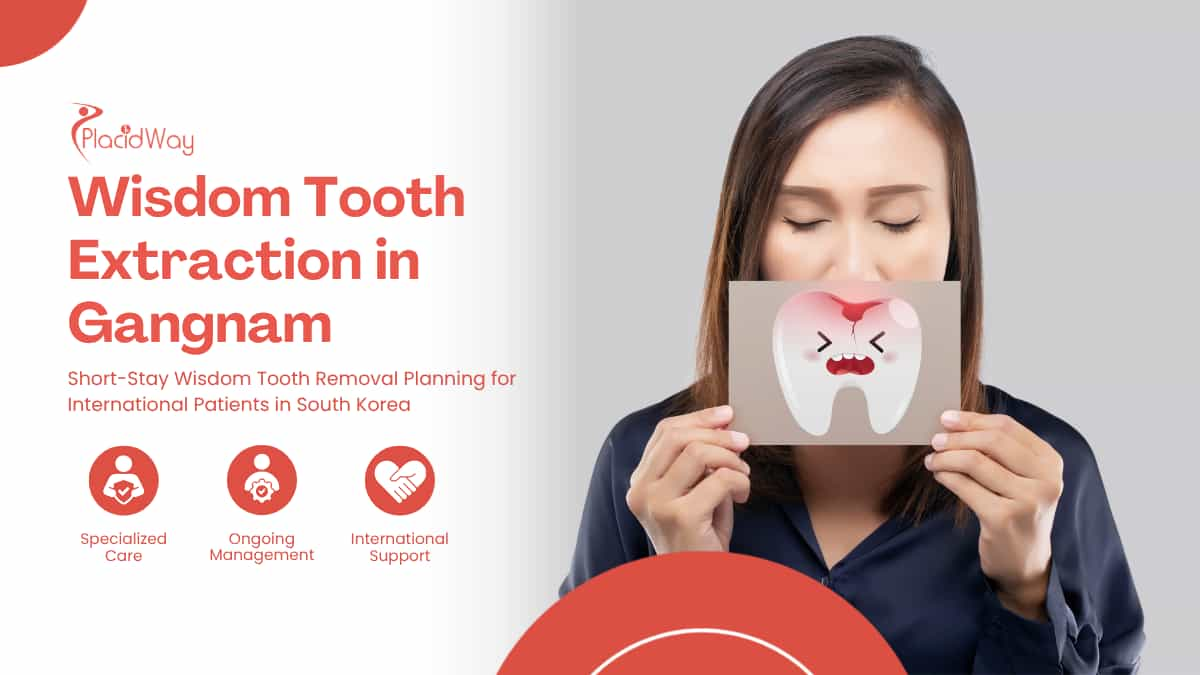
The realization usually arrives at an inconvenient time. Perhaps you are midway through a long-term stay in Seoul, or maybe you are visiting for a short trip, when a dull, persistent ache begins at the very back of your jaw. Soon, the pressure becomes impossible to ignore, and you are faced with a distinct healthcare travel dilemma. You must decide whether to endure the discomfort and potential for sudden infection on a long-haul flight home, or navigate a minor oral surgery in a foreign city before your departure.
For many international patients, the prospect of having a wisdom tooth extraction in Gangnam introduces a complex mix of relief and anxiety. South Korea possesses a highly modernized dental infrastructure, where 3D imaging, precision instruments, and specialized extractions are standard protocol. However, the true challenge of undergoing an extraction abroad is rarely the procedure itself; it is the rigid constraint of time, the physics of commercial air travel, and the unpredictability of human healing.
The Central Decision Tension
Many individuals assume that coordinating an extraction abroad is simply a matter of finding a reputable clinic and paying the consultation fee. The most critical decision, however, revolves entirely around flight timing. Can you safely board an airplane 48 hours after having a molar removed from your jawbone, or will the changes in cabin pressure compromise your recovery and leave you in severe, unmanageable pain over the Pacific Ocean?
This guide is designed for individuals who need to evaluate a wisdom tooth extraction within the rigid context of a short stay in South Korea. It intentionally separates routine clinical availability from the physical realities of post-surgical travel. By comprehensively understanding the anatomy of impaction, local anesthesia norms, and the physiological risks of flying too soon, you can make a thoroughly informed choice about whether to proceed in Seoul or manage the symptoms conservatively until you return home.
Ultimately, a successful outcome depends on aligning the clinical complexity of your specific tooth with the number of days you actually have available to dedicate to rest. The goal is not just to have the tooth removed efficiently by a skilled professional, but to ensure that your journey home is safe, comfortable, and completely free from preventable complications like dry socket or sinus irritation.
Why Waiting Fails: The Pathology of Impacted Wisdom Teeth
Wisdom teeth, clinically designated as third molars, are the final set of teeth to develop, typically erupting in the late teens or early twenties. In a perfect anatomical scenario, these teeth emerge fully, align properly with the existing dentition, and function normally for the rest of your life. However, human jaw sizes frequently lack the necessary space to accommodate these late arrivals, leading to teeth that become trapped in the surrounding bone or soft tissue.
When a tooth cannot fully emerge into its proper position, it is considered impacted by dental professionals. This state of impaction creates a highly compromised environment at the back of the mouth, where a specialized flap of gum tissue may partially cover the hidden crown. Food particles, plaque, and oral bacteria easily become trapped beneath this soft tissue flap, creating an ideal, dark, and moist breeding ground for localized, aggressive infections.
The Risk of Acute Pericoronitis
The most common catalyst for an emergency extraction while traveling is an inflammatory condition known as pericoronitis. This is an acute infection of the gum tissue immediately overlying a partially erupted wisdom tooth. It often begins as a mild, tolerable irritation but can rapidly escalate into significant facial swelling, severe pain radiating to the ear or throat, and trismus, which is a painful restriction preventing you from fully opening your jaw.
If this specific infection flares up while you are navigating Seoul, waiting weeks to see your primary dentist at home may cease to be a viable option. An active infection not only causes intense discomfort that ruins travel plans, but it can also spread to surrounding facial spaces, turning a routine dental issue into a broader medical emergency. Furthermore, attempting to manage acute pericoronitis with antibiotics alone while simultaneously boarding a long-haul flight can lead to a highly distressing travel experience as tissue swelling interacts with changes in cabin pressure.
- Damage to adjacent teeth: An impacted wisdom tooth may push forcefully against the second molar, causing root resorption or creating an un-cleanable trap for deep decay that threatens both teeth simultaneously.
- Cyst formation: In rare but serious instances, the developmental sac surrounding an impacted tooth can fill with fluid, forming a cyst that gradually destroys surrounding jawbone and local nerve tissue.
- Chronic decay: Even if fully erupted, wisdom teeth are notoriously difficult to clean properly due to their location, often leading to deep cavities that cannot be sustainably restored with standard fillings.
Understanding these pathological risks helps clarify the timing and urgency of your decision. If a tooth is quietly impacted and entirely asymptomatic, delaying the extraction until you return to your home country is almost always the most prudent choice. However, if there are active signs of infection, structural damage to neighboring teeth, or severe, unmanageable pain, seeking immediate surgical intervention in a well-equipped Gangnam clinic becomes necessary to protect your broader health.
Mandible vs. Maxilla: The Physics of Bone Density
Not all wisdom teeth demand the same level of surgical effort or require the same recovery timeline. One of the most critical factors influencing your ability to travel post-surgery is whether the problematic tooth is located in your upper jaw (maxilla) or your lower jaw (mandible). These two anatomical structures have vastly different bone densities, which directly dictates the complexity of the extraction.
The upper jaw bone is generally more porous and forgiving, often allowing for a smoother, faster elevation of the tooth. In stark contrast, the lower jaw bone is incredibly dense and heavily fortified, serving as the primary anchor for chewing forces. Extracting a deeply embedded lower wisdom tooth requires significantly more mechanical force, bone removal, and surgical time, predictably leading to a more intense inflammatory response during recovery.
Upper Extractions (Maxilla)
Because the surrounding bone is relatively soft, fully erupted upper wisdom teeth are often removed with straightforward elevation. The primary risk here is the proximity of the tooth roots to the sinus cavity, which sits immediately above the jawline.
Travel Implication: Unless a sinus communication occurs, upper extractions generally result in less visible facial swelling, allowing for a slightly faster return to normal activities and air travel.
Lower Extractions (Mandible)
The dense cortical bone of the lower jaw locks impacted teeth firmly in place. Surgeons frequently need to use specialized drills to remove surrounding bone and section the tooth into multiple pieces for safe delivery.
Travel Implication: Lower surgical extractions invariably trigger robust swelling, jaw stiffness, and a higher risk of dry socket, demanding a strict, prolonged resting window before flying.
During your initial consultation in Seoul, the surgeon will assess this bone density and root curvature to give you a realistic forecast of your postoperative swelling. If you are facing a bilateral extraction—meaning teeth on both the left and right sides must be removed—your ability to chew and speak will be significantly impaired for several days.
For travelers on a tight schedule, it is sometimes recommended to extract only the single offending tooth that is actively causing the infection. Leaving asymptomatic teeth untouched preserves your ability to chew on one side of your mouth and halves the systemic inflammatory burden, making the subsequent flight home considerably more tolerable.
The Gangnam Clinical Workflow: Same-Day Realities
South Korea’s healthcare system operates on a model of extreme efficiency, which is highly advantageous for international patients facing a sudden dental crisis. Unlike many Western systems where you might wait weeks for an initial consultation and several more weeks for a surgical date, large dental hospitals and oral surgery centers in Gangnam frequently accommodate same-day consultations and extractions.
However, this rapid pacing requires you to be mentally prepared to make swift medical decisions. From the moment you walk into the clinic lobby, you will be guided through a highly structured sequence of diagnostics, financial counseling, and surgical preparation. Having a clear understanding of this workflow prevents the efficiency from feeling overwhelming.
The Typical Same-Day Timeline
- Intake and Imaging: Upon arrival, a dedicated coordinator (often English-speaking in tourist-focused clinics) will guide you straight to the imaging room. You will undergo an immediate panoramic X-ray and, if necessary, a 3D CBCT scan before you even meet the surgeon.
- Clinical Assessment: The oral surgeon will review the high-resolution images with you on a monitor, explaining the exact angle of impaction, the proximity to major nerves, and the proposed surgical technique.
- Financial Consent: Before any instruments are prepared, a coordinator will provide a transparent breakdown of the exact costs. You will sign consent forms and typically process the payment prior to entering the surgical suite.
- Immediate Surgery: If you agree to the treatment plan and your travel schedule safely permits the recovery window, you will be escorted to the surgical chair immediately. Profound local anesthesia is administered, and the extraction begins within minutes.
While this speed is highly convenient, you must advocate for your own travel timeline during the consultation phase. Do not assume the clinic knows your flight schedule. You must explicitly state your departure date and time, asking the surgeon directly if they believe the required recovery window is adequate for the complexity of your specific tooth.
If the surgeon hesitates upon hearing your flight details, take that warning seriously. A reputable oral surgeon will prioritize your safety over a swift procedure, and they may recommend prescribing robust antibiotics to manage the acute infection while deferring the actual extraction until you are home.
The Diagnostics: 3D CBCT and Nerve Mapping
One of the defining characteristics of modern dental care in Gangnam is the heavy, mandatory reliance on advanced diagnostic imaging. While traditional two-dimensional panoramic X-rays are useful for a general overview of your teeth, they cannot provide the precise depth perception required for complex surgical planning. This limitation becomes critical when extracting lower wisdom teeth, due to their close proximity to major anatomical structures.
In high-quality wisdom tooth extraction clinics in Gangnam, Cone Beam Computed Tomography (CBCT) has become an important tool for evaluating high-risk wisdom teeth. A CBCT scanner rotates completely around the patient's head, capturing hundreds of images to construct a highly detailed, three-dimensional model of the jawbone, tooth roots, and nerve pathways. This allows the oral surgeon to measure physical distances down to the millimeter before ever making an incision.
Why Nerve Mapping is Critical
The primary focus of 3D imaging for lower extractions is identifying the exact location of two vital nerves. Mapping these pathways allows the surgeon to visualize risks that are invisible on traditional two-dimensional X-rays.
- The Inferior Alveolar Nerve (IAN): This thick nerve runs through a bony canal inside the lower jaw, providing sensation to your lower teeth, chin, and lower lip. The roots of lower wisdom teeth can grow precariously close to, or even wrap entirely around, this delicate canal.
- The Lingual Nerve: Located near the inner surface of the lower jawbone, this nerve supplies sensation and taste to the anterior two-thirds of the tongue. It is highly vulnerable to compression or bruising during surgical access to the tooth.
If an extraction forces a tooth root against the IAN, or if surgical instruments bruise the lingual nerve, the patient may experience paresthesia. This condition manifests as temporary or, in rare cases, permanent numbness, tingling, or altered sensation in the lip, chin, or tongue. By utilizing 3D CBCT imaging, surgeons in Gangnam can map a safe extraction path or alter their surgical technique entirely to avoid traumatizing these nerves.
For some patients, a CBCT scan will reveal that the tooth roots are dangerously intertwined with the nerve canal, making standard extraction too dangerous. In these specific, high-risk scenarios, the surgeon may recommend a coronectomy. This alternative procedure involves removing only the crown of the tooth—eliminating the immediate source of infection and pain—while deliberately leaving the root fragments safely anchored in the bone, far away from the nerve bundle.
The Anatomy of Impaction: Predicting Your Recovery
The blanket term "wisdom tooth extraction" covers a vast spectrum of surgical difficulty, ranging from a five-minute simple pull to a complex, hour-long bone surgery. The timeline of your recovery, the degree of postoperative swelling, and how soon you can safely board an airplane are entirely dictated by how your specific tooth is positioned inside your jaw. Dentists utilize specific classification systems to categorize this anatomical challenge.
Understanding your specific type of impaction allows you to plan your travel logistics realistically, preventing dangerous assumptions. A fully erupted upper tooth might allow you to fly safely within a couple of days, whereas a deeply embedded horizontal lower tooth will demand a strict, prolonged recovery window before commercial air travel is considered medically safe.
Vertical Impaction
The tooth is standing perfectly upright but is trapped beneath the gumline or hindered by overlying bone. These are often easier to access but still require a small surgical incision and minor bone removal to elevate the tooth out of its tight socket.
Mesioangular Impaction
This is widely considered the most common type of impaction. The tooth is tilted forward, pushing directly into the back of the second molar. This angulation requires careful sectioning—cutting the tooth into discrete pieces—to remove it without damaging the adjacent healthy tooth.
Horizontal Impaction
The tooth is lying completely flat on its side, deeply embedded in the dense jawbone. This represents the most complex surgical extraction, requiring significant bone removal, extensive tooth sectioning, and typically resulting in the most severe post-surgical swelling and bruising.
The required surgical technique directly influences the amount of trauma inflicted on the surrounding tissues. For complex impactions, the surgeon must make a precise incision in the gums, carefully drill away the overlying cortical bone to expose the hidden crown, and use a specialized, high-speed bur to divide the tooth into smaller fragments. Removing these fragments individually prevents the need for excessive mechanical force, which vigorously protects the jawbone and surrounding sensory nerves.
Once the tooth fragments are completely cleared, the empty site is thoroughly irrigated with sterile saline to remove bone dust and debris, and the gum tissue is sutured securely closed. Because this entire process involves bone removal and deep tissue manipulation, the body responds with a robust inflammatory cascade, leading directly to the swelling and discomfort that define the first 72 hours of recovery.
The Anesthesia Culture Shift: Awake vs. Asleep
For many patients traveling from North America or certain parts of Europe, there is a strong cultural expectation that a wisdom tooth extraction inherently involves "going to sleep." In these regions, intravenous (IV) sedation or general anesthesia is heavily utilized for third molars, allowing the patient to remain completely unaware of the sights, sounds, and intense pressure of the oral surgery.
In South Korea, the clinical philosophy differs significantly, leaning heavily toward procedural efficiency, rapid recovery, and minimizing unnecessary pharmacological risks. As a result, the overwhelming majority of routine—and even moderately complex—wisdom tooth extractions in Gangnam are performed under deep local anesthesia alone. This stark difference in approach can be surprising for international patients and requires a distinct mental adjustment before sitting in the surgical chair.
| Anesthesia Type | Patient Experience | Availability in Gangnam |
|---|---|---|
| Local Anesthesia (IAN Block) | Fully awake and aware. Profound numbness prevents acute pain, but intense pressure, cracking sounds, and vibration are felt clearly. | The universal standard across clinics. Used for almost all routine and complex impacted extractions for speed and systemic safety. |
| Nitrous Oxide (Laughing Gas) | Awake but deeply relaxed. Reduces underlying anxiety and alters the perception of time, though surgical sounds are still heard. | Available at specialized clinics focusing on dental phobia or international patients. It is not standard at every facility. |
| IV Sedation (Conscious Sedation) | A twilight state. Patients typically sleep completely through the procedure and have no conscious memory of the surgery afterward. | Requires advanced booking and screening. Offered primarily by larger maxillo-facial centers or premium clinics accommodating expats. |
If severe dental anxiety is a documented part of your medical history, it is absolutely crucial to explicitly request IV sedation or nitrous oxide during your initial consultation scheduling. Do not assume these pharmacological options will be offered by default when you arrive. Clinics that cater specifically to medical tourists in Gangnam are more likely to have dedicated anesthesiologists on staff to facilitate sleep dentistry, but this requires advance logistical planning and will increase the overall cost of the procedure.
For those proceeding with standard local anesthesia, the experience relies entirely on profound nerve-numbing techniques. The oral surgeon will meticulously block the major nerves supplying the jaw, testing the site before beginning. While you will feel intense mechanical pressure as the tooth is elevated and sectioned, you should not feel any sharp, acute pain. The distinct travel advantage of this localized approach is that you can immediately walk out of the clinic, communicate clearly, and return directly to your accommodation without the lingering grogginess, nausea, or monitoring required by systemic sedatives.
The Flight Math: Boyle’s Law and Dry Socket
The most critical limiting factor in short-stay dental planning is the physical relationship between oral surgery recovery and the physics of commercial aviation. Many patients mistakenly assume that if they feel relatively well on the second day after surgery, they are medically clear to board a long-haul flight. This dangerous misunderstanding can lead to agonizing complications when trapped at 35,000 feet.
Commercial airplane cabins are artificially pressurized to sustain human life, but they are not pressurized to sea-level equivalents. The cabin environment typically mirrors the atmospheric pressure found at an altitude of 6,000 to 8,000 feet. According to Boyle’s Law, as the aircraft ascends and ambient pressure drops, gases trapped inside closed bodily spaces naturally expand. During descent, as pressure increases again, these gases rapidly compress. This physiological reality interacts directly with fresh surgical sites in your jaw and healing sinus membranes.
The Threat of Alveolar Osteitis (Dry Socket)
Immediately after a tooth is extracted, a protective blood clot must form and stabilize in the empty socket. This dark clot covers the exposed jawbone and delicate underlying nerve endings, serving as the essential foundation for new tissue growth. If this clot is dislodged, dissolves prematurely, or fails to form entirely, the bone and nerves are directly exposed to air, food, and fluids—a notorious condition known as dry socket.
While cabin pressure changes do not independently cause a dry socket, the combination of atmospheric pressure shifts, dehydration from dry cabin air, generalized travel stress, and the physical exertion of navigating airports can severely disrupt the fragile early stages of clot formation. If a dry socket develops mid-flight over the ocean, the resulting pain is universally described as excruciating and cannot be managed with standard over-the-counter painkillers alone.
Upper Teeth and Sinus Communication
Extracting upper wisdom teeth presents a unique and highly specific aviation challenge. The deep roots of the upper third molars often sit immediately adjacent to, or even protrude directly into, the maxillary sinus cavity. When these teeth are surgically removed, a very thin layer of bone—or sometimes no bone at all—separates the oral cavity from the sinus space. This temporary vulnerability is known clinically as an oroantral communication.
If you fly while a sinus communication is still open and healing, the violent expansion and contraction of trapped air in your sinus cavity during takeoff and landing can force air or fluid rapidly through the surgical site. This can easily lead to severe sinus barotrauma, localized bleeding, or a prolonged sinus infection that is difficult to clear. Your oral surgeon must confirm that the sinus floor is completely intact and healing properly before definitively clearing you for air travel.
Standard Flight Restrictions
- Absolute Minimum: Medical guidelines strongly advise against flying for at least 48 to 72 hours following a routine, uncomplicated extraction to allow the initial blood clot to achieve basic stability.
- Safe Zone for Impacted Teeth: For surgical extractions involving any degree of bone removal or tooth sectioning, most oral surgeons strongly recommend waiting 5 to 7 days before boarding an aircraft.
- Post-Op Physical Check: The ideal travel plan includes a mandatory, in-person physical review at the clinic on Day 3 or Day 5. This final check ensures the extraction site is healing flawlessly before you commit to heading to Incheon Airport.
Recovery Reality: Managing the First 7 Days in Seoul
If your timeline permits you to proceed safely with the surgery, your next immediate task is managing a realistic recovery while staying in a hotel or guesthouse. The surgical team will provide strict postoperative instructions, but executing them in a foreign environment requires a degree of practical foresight. You will need to secure appropriate soft foods, manage delicate oral hygiene, and accurately follow medication protocols provided by local pharmacies.
Post-surgical swelling generally peaks between 48 and 72 hours after surgery before gradually beginning to subside. During this critical inflammatory window, strict rest is entirely non-negotiable. Attempting to sightsee, navigating crowded subway stations, or pushing through the natural fatigue of recovery will elevate your heart rate and blood pressure, significantly increasing the risk of secondary bleeding from the fragile extraction site.
The South Korean Soft Food Advantage
One distinct advantage of recovering in Seoul is the local culinary culture, which is naturally highly accommodating to post-surgical diets. While Western patients recovering at home often rely heavily on yogurt, mashed potatoes, or ice cream, Korea offers juk (traditional savory rice porridge). Establishments dedicated entirely to preparing these specialized porridges are ubiquitous in Gangnam and throughout the broader city.
Varieties such as hobak-juk (sweet pumpkin porridge) or plain hin-juk (white rice porridge) provide warm, highly nutritious, and perfectly smooth sustenance that requires absolutely zero chewing effort. Furthermore, almost all of these restaurants offer highly efficient delivery services directly to your hotel door through local apps, allowing you to maintain optimal nutrition without ever leaving your bed while your jaw heals.
The Yakguk Protocol and Critical Rules
South Korean pharmacies (Yakguk) handle prescriptions differently than Western counterparts. Medications are neatly separated into single-dose paper or plastic packets intended for morning, noon, and night consumption.
- Medication Compliance: You must consume the contents of each specific packet exactly as directed. You are required to complete the entire prescribed antibiotic course to prevent rebound infection, even if your pain subsides quickly.
- No Straws, No Spitting: The negative suction force created by using a straw, or the pressure of forcefully spitting out toothpaste, can easily dislodge the fragile blood clot, instantly creating a dry socket nightmare.
- Ice Before Heat: Apply cold packs to your outer cheeks aggressively for the first 48 hours to restrict local blood vessels and minimize swelling. Only switch to warm compresses after day three to soothe stiff, tired jaw muscles.
The Companion’s Role in a Foreign Extraction
If you are fortunate enough to be traveling with a partner, family member, or trusted friend, their role shifts dramatically once you emerge from the surgical suite. Wisdom tooth extraction may be an outpatient procedure, but navigating a foreign city immediately afterward while your mouth is numb and filled with gauze requires a clear-headed advocate.
Your travel companion must step in to handle the practical logistics that you are physically incapable of managing in the immediate aftermath. Elevated blood pressure from physical exertion is a primary cause of post-surgical bleeding, meaning the patient should exert as little physical effort as possible during the transit back to the accommodation.
Essential Tasks for Your Travel Companion
- Pharmacy Navigation: The companion should take the prescription paper to the local Yakguk (pharmacy) immediately after the clinic visit, ensuring medications are secured before the local anesthesia wears off.
- Luggage Management: During the journey home, the companion must handle all heavy suitcases and overhead baggage. Lifting heavy weights forces the patient to bear down, spiking blood pressure and risking clot disruption.
- Discharge Instructions: The companion should actively listen to the clinical coordinator's post-op instructions, as the patient will likely be distracted by gauze, numbness, and mild shock.
Care Continuity: Sutures and the Handoff Home
As you prepare to transition from your acute recovery phase in Gangnam to your journey home, the logistics of continuous care must be definitively finalized. The physical closure of the extraction site is a primary clinical concern. Depending on the depth and complexity of the impaction, your surgeon will have utilized either dissolvable or non-dissolvable sutures to secure the gum tissue back in place over the bone.
Dissolvable sutures are frequently preferred for international travelers, as they break down naturally in the mouth over 7 to 14 days and do not require a formal removal appointment. However, if the surgeon utilized non-dissolvable silk or synthetic stitches for stronger tissue stabilization, these must be physically removed by a dental professional approximately one week after the procedure.
Coordinating the Dental Handoff
If your travel itinerary strictly forces you to depart Seoul before non-dissolvable stitches can be safely removed, you must have a clear contingency plan established. This involves scheduling an appointment with your local dentist back home immediately upon your return. Leaving non-dissolvable stitches in place for too long can lead to localized tissue irritation, severe plaque accumulation, and delayed mucosal healing.
Before you check out of the Gangnam clinic for the final time, ensure you request digital copies of your preoperative CBCT scans, panoramic X-rays, and a brief surgical report written in English. This documentation is crucial for your home dentist to inherit your case safely. If a complication such as a delayed infection or persistent numbness arises weeks later, your local provider will absolutely need these exact baseline records to understand the anatomical starting point and the surgical approach used in Korea.
The Final Decision: Proceed or Defer?
Deciding whether to undergo wisdom tooth extraction in South Korea relies entirely on an honest, unsentimental appraisal of your remaining schedule. The clinical infrastructure of Gangnam’s dental facilities is highly capable of safely removing the tooth. However, elite surgical skill cannot accelerate the biological pace of tissue healing, nor can it override the physical laws of pressurized air travel.
Scenario A: Proceeding in Seoul
Timeline: You have 7 or more days remaining before your departure.
Moving forward is medically logical, especially if the tooth is actively infected. This timeline allows sufficient days for the crucial blood clot to stabilize, swelling to peak and recede, and the surgeon to physically verify healing before you board an aircraft, protecting you from a mid-flight crisis.
Scenario B: Deferring Until Home
Timeline: You are flying within 48 to 72 hours, or plan rigorous activities.
Surgical extraction is a high-risk gamble. The safer path often involves a conservative clinical assessment, utilizing prescribed antibiotics and pain relievers to quiet the immediate infection, and deferring the definitive surgery until you are safely home where time is no longer a hostile constraint.
Ultimately, you must advocate for your own comfort and safety. Do not allow the convenience of a quick, affordable procedure to trap you into a scenario where you are recovering at 35,000 feet. If the timelines align, Gangnam provides an exceptionally capable environment to resolve your dental pain definitively before your journey continues.
Frequently Asked Questions
Is it safe to fly the day after a wisdom tooth extraction?
No. Medical guidelines strongly advise against flying for at least 48 to 72 hours after an extraction. Cabin pressure changes can cause severe pain and increase the risk of developing a painful dry socket by disrupting early blood clot formation. For impacted teeth requiring bone removal, waiting 5 to 7 days is widely recommended.
Will I be put to sleep for the extraction in Gangnam?
Not automatically. Unlike in the US where IV sedation is extremely common, most routine and impacted extractions in South Korea are performed under local anesthesia, meaning you are fully awake but completely numb. If you require IV sedation due to anxiety, you must request it in advance at a clinic specifically equipped for sleep dentistry.
Why do clinics in Seoul insist on a 3D CBCT scan?
A 3D CBCT scan provides a high-resolution, three-dimensional view of your jaw structure. It is considered essential for mapping the exact location of the inferior alveolar nerve in relation to your lower wisdom teeth roots, allowing the surgeon to plan a safe extraction path and minimize the risk of temporary or permanent nerve damage.
What is a coronectomy and why might it be recommended?
If the 3D scan reveals that your wisdom tooth roots are wrapped around or extremely close to the inferior alveolar nerve, extracting the whole tooth may carry a dangerously high risk of nerve injury. A coronectomy removes only the crown of the tooth to eliminate infection but intentionally leaves the root fragments anchored in the bone to protect the nerve.
What happens if I need stitches removed after I fly home?
If your surgeon utilizes non-dissolvable sutures and you must fly home before the 7-day mark, you will need to schedule a short appointment with your local dentist back home for stitch removal. You should always request your surgical records and digital X-rays from the Gangnam clinic to provide a proper handover to your local dentist.
Need Help Planning Your Dental Care?
Connect with specialized clinics to clarify timelines, request sedation options, and understand the exact steps for your procedure before you finalize travel plans.
Request InformationReferences
https://pubmed.ncbi.nlm.nih.gov/38622176/
https://pmc.ncbi.nlm.nih.gov/articles/PMC11013778/
https://pmc.ncbi.nlm.nih.gov/articles/PMC12002360/
https://pubmed.ncbi.nlm.nih.gov/25577457/
This content is for educational purposes only and is not medical advice. Diagnosis, treatment suitability, risks, recovery, travel timing and outcomes vary by individual and procedure. Decisions should be made with appropriately qualified healthcare professionals after an individual assessment. PlacidWay provides healthcare information and facilitation services and is not the treating physician, clinic or hospital.














Share this listing