
What Is Cosmetic Acupuncture in Gangnam?
There comes a distinct moment when you look in the mirror and realize that the fatigue on your face is no longer just a symptom of a long week. It has become a structural fixture. No matter how meticulously you apply topical serums, prioritize sleep, or monitor your hydration, a certain heaviness remains anchored in your expression.
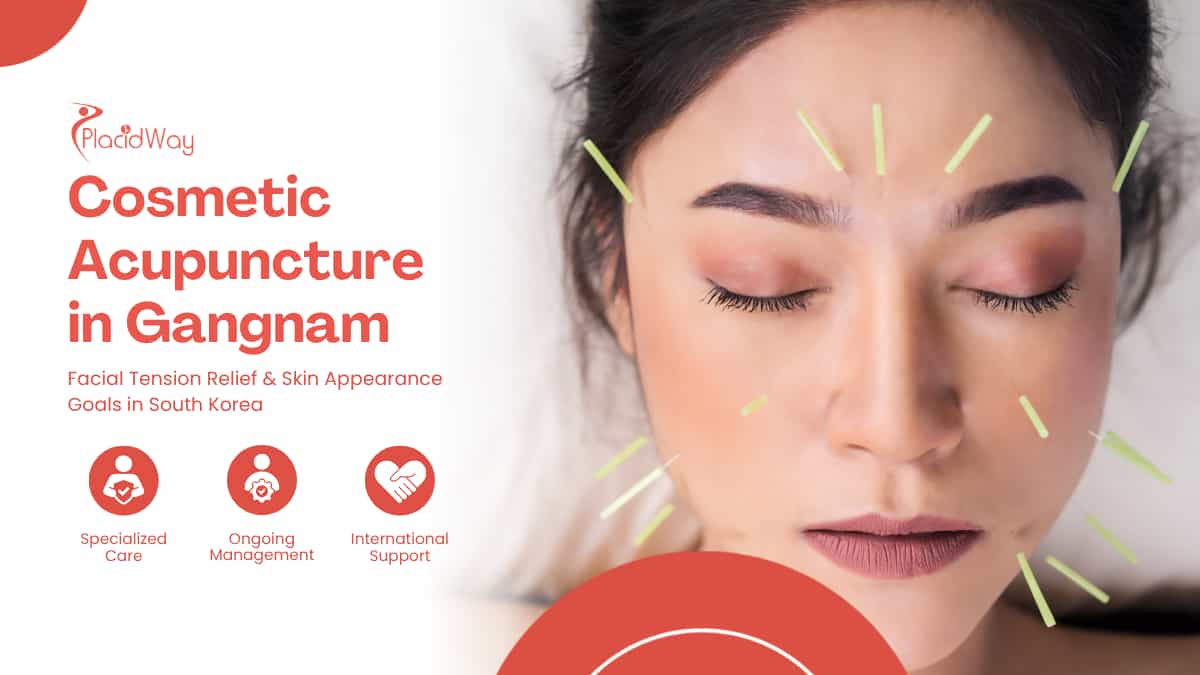
For those seeking a less invasive aesthetic approach, cosmetic acupuncture in Gangnam offers an alternative to conventional injections. It may appeal to individuals who want to address facial tension and skin appearance without relying on neurotoxins or dermal fillers.
The Core Decision Tension
The decision you are navigating is rarely about avoiding aesthetic improvement entirely. It is usually about seeking a methodology that respects your body's natural physiology. The central question shifts from "How can I artificially smooth this fold?" to "How can I prompt my own tissue to structurally repair and release the tension causing this fold?"
This shifting priority often leads individuals to research facial rejuvenation acupuncture. It is a modality that promises to address both the superficial appearance of the skin and the underlying muscular tension that dictates it. However, stepping away from the immediate gratification of Western injectables requires an entirely different understanding of how the face ages and how it heals over time.
As you begin to explore this option, the search inevitably intersects with South Korea. Specifically, the district of Gangnam in Seoul serves as a global epicenter for advanced integrative aesthetics. While internationally famous for its high-tech plastic surgery industry, Gangnam is also home to some of the most sophisticated Traditional Korean Medicine hospitals in the world, where ancient meridian theories are seamlessly integrated with modern dermatological standards.
The Anatomy of Expression: Why the Face Holds Tension
To understand why fine needles might change the appearance of the face, it is first necessary to unlearn a common misconception about aging. We are heavily marketed the idea that wrinkles are purely a skin problem—a localized breakdown of collagen that simply needs to be polished or plumped from the outside in.
In reality, facial aging is a deeply multi-layered biomechanical process. The skin sits atop a complex web of fat pads, fascia, and mimetic muscles, which are the muscles of facial expression. Unlike the muscles in your arms or legs, which attach bone to bone, many facial muscles attach directly to the skin, meaning every time they contract, they pull the dermis directly with them.
- The Frontalis: The large muscle across your forehead that creates horizontal worry lines when chronically engaged and unable to release.
- The Corrugator Supercilii: The small muscles between your eyebrows that knit together in concentration, creating the deep "11" vertical folds.
- The Masseter: The heavy jaw muscle that, when tightened through stress or nighttime grinding, can pull the lower face downward and create a widened, heavy lower jawline.
- The Depressor Anguli Oris: The specific muscles that pull the corners of the mouth downward, heavily contributing to the appearance of marionette lines.
Over decades of stress, concentration, and emotional expression, these muscles often lose their ability to fully relax back to a neutral state. They develop a high resting mimetic muscle tone, remaining perpetually taut and chronically folding the skin above them into deep creases. If you attempt to treat the skin without addressing this underlying muscular lockdown, you are only treating the superficial symptom.
This chronic tension inherently restricts microcirculation. When facial muscles are perpetually tight, the delicate blood vessels running through them become constricted. The skin subsequently receives less oxygen, fewer nutrients, and struggles to clear cellular waste, leading to the dull, devitalized appearance often associated with aging.
The Physiology of Micro-Trauma: Dual-Action Rejuvenation
Facial cosmetic acupuncture (FCA) operates on two simultaneous physiological levels: the structural release of the muscle and the biological stimulation of the dermis. When an ultra-fine acupuncture needle is inserted into the face, the body does not recognize it as a cosmetic tool. It recognizes the needle as a precise, localized micro-injury.
This strategic insertion triggers a highly orchestrated, natural healing cascade governed by your own immune system. The localized micro-trauma signals the body to rush blood, oxygen, and nutrients to the site. More importantly, it stimulates fibroblasts, which are the specific cells in the dermal layer responsible for synthesizing new collagen and elastin fibers.
1. Dermal Matrix Stimulation
The physical presence of the needle in the dermal layer prompts a localized inflammatory response, encouraging the body to lay down fresh collagen, which can gradually improve skin thickness and elasticity.
2. Muscular Re-education
By targeting specific motor points where nerves enter the facial muscles, practitioners aim to release chronic spasms, lowering the resting tension that pulls the skin into deep, permanent folds.
3. Microcirculatory Flush
The immediate increase in localized blood flow brings fresh oxygen and nutrients to the surface, which is often responsible for the transient, highly visible glow patients report immediately after a session.
While the dermal stimulation handles the texture and firmness of the skin, the muscular interaction is what addresses the structural tension. A skilled practitioner maps the face to identify which muscles are overly contracted, causing a downward or inward pull, and which are weakened, causing sagging. The needles are placed specifically to balance this tension, encouraging tight muscles to release and dormant muscles to engage.
Because this process relies entirely on your body's own biological mechanisms, it is inherently incapable of creating an unnatural, frozen appearance. The face retains all of its natural mobility and expression; it simply holds that everyday expression with substantially less underlying strain.
The Fundamental Trade-Off: Neurotoxins vs. Acupuncture
When evaluating cosmetic acupuncture, you are almost certainly comparing it against the dominant industry standard of Botox and dermal fillers. This comparison is vital, not because one is universally superior in all scenarios, but because they operate on entirely contradictory philosophies of human physiology.
Understanding this core trade-off is often the definitive moment in a patient's decision-making process. If you expect acupuncture to behave exactly like an injectable, you will inevitably be disappointed. Conversely, if you expect an injectable to improve your long-term cellular health, you are misinformed.
| Dimension | Neurotoxins & Fillers | Cosmetic Acupuncture |
|---|---|---|
| Mechanism of Action | Chemically blocks nerve signals to temporarily paralyze the muscle, or physically inflates tissue with synthetic gel. | Stimulates local micro-trauma to induce natural collagen synthesis and releases chronic muscle tension physically. |
| Timeline of Results | Immediate to rapid (days to a week). Highly predictable and sudden onset of visual changes. | Gradual and cumulative. Requires multiple sessions over weeks for visible structural shifts to take hold. |
| Impact on Physiology | Induces temporary muscle atrophy. Does not improve overall cellular vitality, circulation, or systemic health. | Aims to improve local blood flow, enhance lymphatic drainage, and restore naturally balanced muscle tone. |
| Primary Risk Factor | Vascular occlusion, unnatural facial freezing, asymmetry, or migration of synthetic materials. | Mild, temporary bruising at the needle insertion sites. Requires patience and significant time commitment. |
The tension here is ultimately between immediate, predictable symptom masking versus gradual, holistic tissue repair. If you have a major event in three days and need a specific wrinkle erased for photographs, an injectable is the mechanical tool designed for that exact job. It offers certainty on a compressed timeline.
If, however, you are willing to invest weeks into changing how your facial tissue functions, heals, and holds daily stress, acupuncture offers a pathway that preserves your unique anatomy. For some people, realizing that a truly natural outcome inherently requires a natural biological timeline is the moment they feel ready to commit to the process.
The Gangnam Paradigm: Integrating Traditional and Aesthetic Medicine
When most international travelers think of Gangnam, Seoul, they picture the epicenter of modern, aggressive plastic surgery. The streets are famously lined with towering clinics dedicated to bone contouring, rhinoplasty, and intense laser resurfacing. However, beneath this highly visible, high-tech aesthetic industry exists a parallel, highly refined medical universe.
South Korea maintains a sophisticated dual medical system where Traditional Korean Medicine (TKM) is formally integrated into the national healthcare infrastructure. Doctors of Korean Medicine (DKMs) complete a rigorous six-year university curriculum, studying modern anatomy, physiology, and pathology alongside traditional diagnostics, meridian theory, and complex herbal pharmacology.
The Holistic Diagnostic Approach
In a Gangnam TKM hospital, treating the face is never isolated from treating the body. A DKM will likely assess your pulse, observe your tongue, and evaluate your body's temperature distribution. In this medical paradigm, chronic facial tension, cystic acne, or severe dryness are viewed as superficial manifestations of internal imbalances, such as excessive systemic heat, blood stasis, or poor fluid circulation.
This rigorous diagnostic foundation is why traveling to Seoul for cosmetic acupuncture is a markedly different experience than visiting a local day spa at home. The high-end TKM clinics in Gangnam combine the luxurious, meticulous service standard of Korean aesthetics with profound medical depth. They frequently utilize modern technological tools—such as 3D facial scanners, Moire topography, and thermal imaging—to objectify and track the results of their traditional interventions.
Patients who travel here are often seeking this exact synthesis of ancient wisdom and modern precision. They want the safety, regulation, and expertise of a highly trained doctor, but they want that doctor applying holistic, non-surgical principles to their aesthetic concerns. They are searching for the clarity and vitality that Korean beauty is famous for, but achieved authentically from the inside out.
Inside the Treatment Room: The Clinical Protocol
If you have never experienced acupuncture, the idea of having dozens of needles placed into your face can provoke entirely understandable anxiety. However, the reality of the treatment room in a premium Gangnam clinic is designed to be deeply recalibrating. The environment is typically quiet, clinical yet warm, and often subtly scented with medicinal herbs like mugwort or ginseng.
The procedure itself follows a deliberate, highly structured sequence tailored to your diagnostic assessment. It is not an intervention to be rushed on a quick lunch break, but rather a dedicated period of physiological rest that demands your nervous system slow down.
- The Assessment: The doctor will thoroughly palpate your facial muscles, feeling for the exact locations of chronic tension, asymmetry, and fascial adhesions. They map the precise treatment plan based on your unique structural holding patterns.
- Systemic Grounding: Before the face is ever touched, needles are usually placed in specific points on the hands, lower legs, or feet. This grounds the body's energy, improves systemic circulation, and deliberately draws excessive heat or tension away from the head.
- Facial Insertion: Using ultra-fine, sterile, single-use needles—often thinner than a strand of human hair—the doctor begins placing them across the face and neck. The insertion is typically swift. You may feel a tiny pinch, followed by a sensation known as Deqi, which translates to a dull ache, warmth, heaviness, or localized pressure.
- The Retention Phase: The needles are left in place for roughly 20 to 30 minutes. During this time, patients frequently experience a profound sense of relaxation, and it is very common to fall asleep as the nervous system shifts heavily from fight-or-flight into rest-and-digest mode.
- Removal and Soothing: The needles are carefully removed without resistance. The session often concludes with cooling herbal sheet masks, gentle lymphatic drainage massage, or the application of customized traditional herbal serums to calm and hydrate the skin.
When you sit up and look in the mirror immediately afterward, you will likely notice a distinct flush of color across your cheeks and forehead—a direct result of the artificially induced microcirculation. Your face may feel slightly heavy or deeply relaxed, remarkably similar to the sensation in your shoulders after a deep tissue massage.
Because the needles are so fine and the trauma is purely microscopic, there is essentially zero social downtime required. You can leave a clinic in Gangnam and immediately walk into a crowded café or navigate the subway system. The most significant post-treatment directive is usually to stay heavily hydrated and avoid thick makeup or rigorous exercise for the remainder of the day.
Advanced Traditional Modalities: Beyond Standard Acupuncture
Comprehensive rejuvenation in a Gangnam clinic rarely relies on standard dry needles alone. Doctors of Korean Medicine frequently integrate advanced traditional modalities to address deeper structural sagging and systemic aging factors that surface-level needles cannot reach. These specialized protocols represent the true depth of clinical TKM aesthetics.
These integrated techniques elevate the treatment from simple localized micro-trauma to targeted, multi-layered bio-stimulation. They provide the practitioner with highly specialized tools to address profound volume loss, severe asymmetry, or stubborn localized inflammation that resists standard treatment.
Thread-Embedding Acupuncture (TEA)
TEA utilizes extremely fine, absorbable polydioxanone (PDO) threads inserted strategically along facial meridian lines. As these threads slowly dissolve over several months, they create a continuous, low-level stimulation of the fascial layer, offering a durable structural scaffolding that standard temporary needles cannot provide. It is frequently used for deeper nasolabial folds or jawline sagging.
Herbal Pharmacopuncture
Pharmacopuncture brilliantly combines the mechanical stimulation of an acupuncture needle with the biochemical benefits of traditional herbal medicine. By injecting purified liquid herbal extracts—such as wild ginseng or placenta derivatives—directly into specific facial and systemic acupoints, practitioners aim to powerfully accelerate cellular regeneration and clear stubborn localized inflammation.
The inclusion of these advanced techniques is largely what separates a casual spa treatment from a rigorous medical rejuvenation protocol. Because they involve introducing substances (threads or herbal liquids) into the tissue, they must only be performed by fully licensed Doctors of Korean Medicine in a highly sterile, heavily regulated clinical environment.
During your initial consultation in Gangnam, the doctor will determine whether these deeper modalities are necessary for your specific anatomical goals. While they can significantly enhance the lifting and firming outcomes, they also carry a slightly higher risk of temporary bruising compared to standard fine-needle acupuncture.
Clinical Evidence and Realistic Outcomes
While traditional medicine rightly relies on centuries of observational history, modern patients making international healthcare travel decisions require objective clinical data. The rigorous study of facial cosmetic acupuncture is actively evolving, and it is critically important to clearly delineate what the evidence supports and where inherent physiological limitations exist.
Research published in peer-reviewed medical literature provides a grounded, realistic perspective on what this modality can actually achieve. It is not a surgical intervention designed to alter bone structure, and the data reflects physiological improvements in tissue quality rather than dramatic anatomical alterations.
What the Published Studies Indicate
- Skin Elasticity: An open-label pilot study (Yun et al., 2013) involving women aged 40 to 59 demonstrated significant improvements in facial elasticity after five treatment sessions, measured objectively using Moire topography criteria rather than subjective self-reporting.
- Thread-Embedding Efficacy: Reviews of thread-embedding acupuncture (TEA) indicate that the slow dissolution of PDO threads along meridian lines can effectively improve the visual depth of wrinkles and enhance facial contouring with an acceptable safety profile.
- Safety Profile: Systematic reviews of general acupuncture safety (Ernst et al., 2001; Lao et al., 2003) consistently conclude that when performed by highly trained medical professionals, serious adverse events are exceedingly rare.
- Expected Side Effects: The most commonly reported side effect in clinical trials of facial acupuncture is mild, temporary bruising or slight pinpoint bleeding at the insertion sites, occurring in roughly 10-15% of comprehensive sessions.
The scientific uncertainty lies primarily in longevity and the lack of universal standardization. Because every patient's baseline cellular health, biological age, chronic stress levels, and daily diet are drastically different, the body's ability to successfully produce collagen and maintain relaxed muscle tone varies wildly. There is no guaranteed timeline for exactly when a specific wrinkle will definitively fade.
Furthermore, if the underlying lifestyle factors directly causing the facial tension—such as high workplace stress, severe nighttime jaw clenching, or poor sleep hygiene—remain entirely unchanged, the muscular tension will inevitably return. Cosmetic acupuncture is best understood not as a permanent, one-time cure for aging, but as a sophisticated tool for continuous physiological maintenance and rebalancing.
The Financial Spectrum: Decoding the $100 to $1,500 Range
When extensively researching Gangnam clinics from abroad, you will likely encounter a remarkably broad price spectrum. This variance generally stretches from roughly $100 on the low end to $1,500 or more on the high end, depending on the clinic's prestige and location.
| Country | Typical Price (USD) | Why Patients Travel From Here |
|---|---|---|
| South Korea (Gangnam) | $100 – $1,500 | The baseline price referenced throughout this article. |
| United States | $600 – $1,800 | US patients make up the largest documented nationality group visiting Korean medicine clinics for treatments including cosmetic acupuncture. |
| France | $500 – $1,400 | France is a well-documented secondary source market for Korean medicine treatment, including facial and cosmetic acupuncture protocols. |
| Singapore | $450 – $1,300 | Singaporean patients round out the leading source countries for this category, per recent Korean medicine clinic research. |
Figures are general market ranges compiled from multiple clinics and medical-travel sources as of 2026; individual quotes vary by clinic, technique, and case complexity.
Understanding exactly what drives this massive financial variance is crucial for planning your travel budget and successfully managing your aesthetic expectations. The difference is rarely just about luxury; it represents entirely different clinical protocols and time commitments.
The Trial Session
$100 – $200
This price point almost universally represents a single, standalone facial acupuncture session. It is an excellent option for travelers who simply want to experience the modality, test their personal tolerance for the needles, or receive a temporary boost in microcirculation before an event. It will not, however, yield long-term structural changes.
TKM Rejuvenation Protocol
$800 – $1,500+
Reflects a multi-week protocol usually involving five to ten sessions spaced strategically during a stay in Seoul. It frequently includes in-depth constitutional diagnostics, systemic body acupuncture, thread-embedding techniques, customized herbal prescriptions, and extensive clinical time with the Doctor of Korean Medicine.
When evaluating a formal quote from a Gangnam clinic, it is essential to ask exactly how many individual sessions are included in the package and which specific advanced modalities are being utilized. You must also confirm whether the practitioner performing the procedure is a fully licensed Doctor of Korean Medicine rather than a technician.
A comprehensive aesthetic package should ideally be explicitly tailored to your specific timeline in the country. If you are only in Seoul for five days, purchasing a ten-session package is medically impractical, as the tissue requires adequate recovery time between intensive structural treatments.
Practical Geography: Navigating Seoul as a Healthcare Traveler
Traveling specifically to Gangnam for cosmetic acupuncture integrates seamlessly into a broader tourism or business itinerary. Because the treatment inherently does not require intense surgical recovery, you will not need to confine yourself to a dark hotel room or manage heavy prescription pain medication during your stay.
However, successfully navigating the complex healthcare landscape in a foreign country requires deliberate, highly organized planning. This is especially true when dealing with the deeply nuanced, holistic philosophies that govern Traditional Korean Medicine diagnostics.
Questions to Ask Your Gangnam Clinic Before Traveling
- Are all advanced treatments (like thread embedding) performed directly by a licensed Doctor of Korean Medicine?
- Will a dedicated, medically trained interpreter be present during the complex diagnostic consultation?
- Given my specific arrival and departure dates, how many sessions can safely and effectively be scheduled?
- If I experience minor facial bruising, what traditional remedies do you provide to accelerate healing before my flight home?
- Can the clinic provide a translated summary of my treatment map to share with my local practitioner?
Language remains the primary logistical hurdle for international patients seeking traditional care. While Gangnam is a highly international, cosmopolitan district, accurately describing the exact nature of your muscular tension, digestive issues, and stress levels requires precise translation. High-end clinics typically maintain dedicated in-house interpretation departments to ensure vital diagnostic nuance is never lost.
For the person traveling with you as a companion, a TKM hospital offers an incredible wealth of restorative options. While you are undergoing a 90-minute facial rejuvenation protocol, your companion can easily schedule their own treatments within the same facility—whether that entails traditional cupping therapy for back pain or a constitutional herbal consultation to address chronic fatigue.
Continuity of Care: Maintaining Results at Home
The final logistical piece of any healthcare travel journey is diligently planning for the transition back to your home environment. Because the structural results of cosmetic acupuncture are inherently cumulative and strictly physiological, they require ongoing maintenance to successfully sustain optimal muscle tone and dermal circulation.
Many international patients strategically use their trip to Gangnam as an intensive "loading phase," completing a highly condensed series of powerful sessions in a short window of time. Once they return to their home country, they transition their care to a local licensed acupuncturist for more spaced-out, monthly maintenance treatments.
Bridging the Care Gap
Requesting a translated summary of your clinical treatment map from the Gangnam doctor is highly beneficial. This document can guide your local practitioner, showing them exactly which facial motor points were heavily targeted and what specific systemic imbalances were identified during pulse diagnostics.
Additionally, if you were prescribed traditional herbal medicine to take internally, you will need a reliable plan for continuing or safely refilling these customized formulas, ensuring that the physiological momentum built in Seoul is not lost upon your return.
Establishing this continuity of care is vital for protecting your investment. If you simply abandon the protocols the moment you board your return flight, the stress patterns that originally caused your facial tension will slowly begin to reassert their dominance over your mimetic muscles.
By actively building a bridge between the highly specialized expertise of your Gangnam doctor and the accessible, long-term support of your local practitioner, you create a sustainable infrastructure for your aging process that relies on health rather than synthetic intervention.
The Final Decision: Redefining Your Approach to Rejuvenation
The choice to deliberately pursue cosmetic acupuncture is rarely born from a passing desire for a quick fix. It usually emerges only when you deeply recognize that the vitality of your face is inextricably linked to the tension stored in your muscles and the holistic health of your internal organ systems.
If you require an immediate, strictly guaranteed erasure of a specific fine line before a major social event next week, this ancient modality is likely not the right tool for the job. Neurotoxins and dermal fillers remain the undisputed clinical champions of rapid, highly localized physical manipulation.
"It is a decision to stop fighting your underlying physiology and start deliberately working alongside it."
However, if you are genuinely willing to invest time in the healing process—if the idea of stimulating your own cellular repair appeals to you more than injecting synthetic alternatives—then facial acupuncture represents a profound shift in personal care. Choosing to experience this intensive process in Gangnam allows you to access a rich medical tradition that honors the vast complexity of the human body, helping you return home not with a brand new face, but with your own face, thoroughly rested, released, and structurally revived.
Frequently Asked Questions
How does cosmetic acupuncture differ from Botox?
Neurotoxins like Botox temporarily block nerve signals to paralyze the muscle, preventing it from contracting. Cosmetic acupuncture attempts to re-educate the muscle by stimulating motor points to release chronic tension while inducing local micro-trauma to stimulate natural blood flow and collagen production.
Does facial acupuncture hurt?
The needles used are ultra-fine, much thinner than standard medical needles. While not entirely painless, most people describe the sensation as a brief, mild prick followed by a feeling of warmth, heaviness, or localized pressure as the facial muscles begin to relax.
Why are prices in Gangnam listed between $100 and $1,500?
The $100 price point typically represents a single, localized trial session focusing on a specific area. The $1,500 range reflects a comprehensive, multi-week traditional Korean medicine package that may include numerous acupuncture sessions, herbal masks, constitutional diagnostics, and meridian balancing therapies.
How many sessions are typically required to see results?
Clinical studies often measure outcomes after five to ten sessions spaced over several weeks. Unlike immediate synthetic fillers, cosmetic acupuncture relies on the body's natural physiological response, meaning results are gradual and cumulative.
Is cosmetic acupuncture safe?
When performed by a qualified practitioner, cosmetic acupuncture is generally considered safe. Systematic reviews indicate that serious adverse events are rare. The most common side effect is mild, temporary bruising at the needle insertion sites.
What is a Doctor of Korean Medicine (DKM)?
In South Korea, a Doctor of Korean Medicine undergoes a rigorous six-year university program analogous to Western medical training but focused on traditional diagnostics, herbal pharmacology, and acupuncture. They are fully licensed medical professionals within the national healthcare system.
Explore Your Rejuvenation Options in Seoul
If you are considering integrating cosmetic acupuncture into your travel plans, we can help you connect with specialized Traditional Korean Medicine clinics in Gangnam to clarify protocols, timelines, and package details.
Request InformationReferences
https://pubmed.ncbi.nlm.nih.gov/23983778/
https://pubmed.ncbi.nlm.nih.gov/26433804/
https://pubmed.ncbi.nlm.nih.gov/35028045/
https://pubmed.ncbi.nlm.nih.gov/24348714/
https://pubmed.ncbi.nlm.nih.gov/24299496/
https://pubmed.ncbi.nlm.nih.gov/30202512/
https://pubmed.ncbi.nlm.nih.gov/11331060/
https://pubmed.ncbi.nlm.nih.gov/12564354/
This content is for educational purposes only and is not medical advice. Diagnosis, treatment suitability, risks, recovery, travel timing and outcomes vary by individual and procedure. Decisions should be made with appropriately qualified healthcare professionals after an individual assessment. PlacidWay provides healthcare information and facilitation services and is not the treating physician, clinic or hospital.
.png)
.jpg)
.jpg)
.jpg)
.jpg)








Share this listing