
Unpacking the Gangnam Forehead Rejuvenation Experience
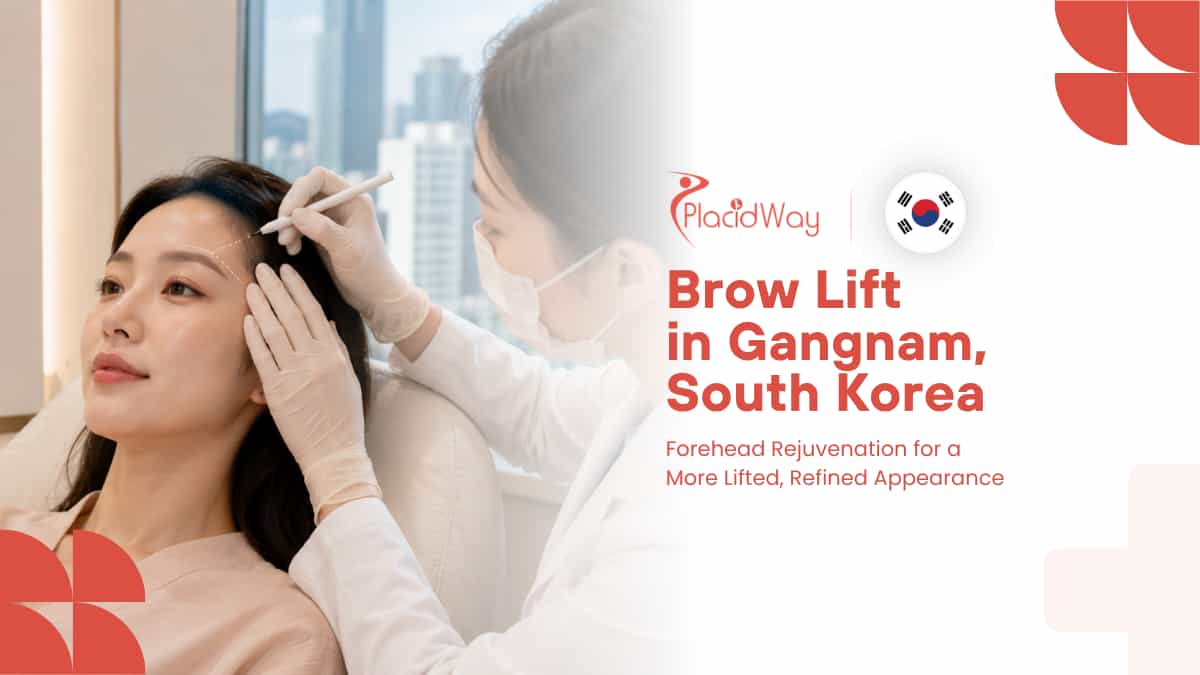
Let’s be honest—constantly looking surprised, exhausted, or stressed because of a heavy, drooping forehead is a full-time job you never applied for. An endoscopic brow lift in Gangnam, South Korea, focuses on subtly repositioning the forehead tissues to restore a refreshed, youthful arch without that dreaded "deer-in-headlights" look. Patients from the United States, Japan, Taiwan, Singapore, China, and Thailand are consistently choosing Seoul’s beauty capital for this procedure. They are drawn by the famous K-Beauty philosophy of minimally invasive, hyper-natural rejuvenation rather than the dramatic, obvious alterations often seen in Western aesthetics.
At a Glance: Vital Procedure Insights
- Estimated Investment: The procedure ranges from $1,500 to $4,000 USD, offering premium care at a highly competitive global price point.
- Verified Credentials: Procedures are performed by specialists certified by the Korean Association of Plastic Surgeons (KAPS) in internationally accredited facilities.
- The K-Beauty Edge: Surgeons utilize an advanced "hidden incision" endoscopic approach behind the hairline to ensure absolutely zero visible facial scarring.
- Expected Social Downtime: Patients typically require 7 to 10 days of recovery before confidently returning to regular social activities and travel.
- Anesthesia Protocols: The surgery is generally performed under safe, closely monitored twilight sedation, minimizing the grogginess associated with general anesthesia.
- Result Longevity: With proper post-operative care and diligent sun protection, the rejuvenating effects can seamlessly last for 10 to 15 years.
The Global Appeal of Seoul for Upper Face Refreshing
Gangnam is not just the namesake of a catchy pop song; it is arguably the global epicenter of facial harmony and surgical precision. International patients bypass local clinics and cross oceans specifically for South Korean surgeons, who have mastered the art of nuanced, highly customized upper facial rejuvenation.
- The Japanese & Taiwanese influx: Patients from neighboring Asian nations frequently fly in for quick surgical getaways, seeking the "barely there" structural adjustments that Gangnam doctors are famous for delivering.
- American & Singaporean appeal: Western and Southeast Asian travelers appreciate the sophisticated endoscopic technology used in Seoul, which significantly reduces tissue trauma and recovery time compared to traditional coronal lifts back home.
- Chinese patient preferences: A massive trend among Chinese medical tourists is achieving a delicate, youthful "baby face" aesthetic, which fundamentally relies on a smooth, lifted, and gently rounded forehead profile.
- Unmatched surgical volume: Gangnam clinics routinely perform hundreds of endoscopic lifts monthly, giving these surgical teams an elite level of muscle memory and technical precision that is hard to find elsewhere.
- Seamless VIP concierge culture: From luxury airport transfers to professional in-house medical translators, the entire Gangnam patient ecosystem is beautifully designed to make international medical travel stress-free.
Decoding the K-Beauty "Barely There" Forehead Trend
The modern K-Beauty aesthetic is entirely centered on looking rested, hydrated, and effortlessly vibrant—never pulled, tight, or aggressively "done." For forehead and brow procedures, this means the industry has entirely abandoned the drastic, highly arched pulls of the past in favor of microscopic, strategic tissue adjustments.
- Endoscopic mastery: Korean specialists utilize high-definition micro-cameras inserted through tiny slits in the hair to meticulously lift tissue, eliminating the need to remove large strips of scalp.
- The "Glass Skin" complement: A smooth, tautly supported forehead acts as the ultimate canvas for reflecting light, perfectly complementing the dewy, poreless skin trends dominating K-Beauty.
- Honoring ethnic facial anatomy: Unlike older Western techniques that can aggressively arch the brow into an unnatural peak, Korean methods tailor the elevation to respect and flatter diverse Asian and international bone structures.
- The combination therapy trend: It is incredibly popular right now to pair a structural brow lift with subtle fat grafting, creating a plump, three-dimensional forehead that exudes youthfulness.
- Preventative anti-aging strategies: A growing demographic of international patients in their early 30s are proactively booking this procedure to halt deep horizontal lines and eyelid hooding before they become permanently etched.
Global Cost Comparison for Forehead Rejuvenation
When evaluating your surgical options, the financial investment is a major deciding factor. South Korea offers top-tier medical infrastructure at a fraction of the cost found in many Western and affluent Asian nations.
| Destination | Estimated Cost Range (USD) |
|---|---|
| Gangnam, South Korea | $1,500 - $4,000 |
| United States | $7,000 - $12,000 |
| Singapore | $6,000 - $9,000 |
| Australia | $8,000 - $11,000 |
| Japan | $5,000 - $8,000 |
Please note: The figures listed above represent an estimated baseline cost pending a comprehensive medical assessment. Your final package price may shift slightly depending on your unique facial anatomy, the specific surgeon’s expertise level, and the precise endoscopic techniques required for your goals.
What Your Gangnam Surgical Journey Includes
- Comprehensive pre-operative surgical consultations and 3D facial mapping.
- The complete endoscopic brow lift procedure by a board-certified specialist.
- Standard clinic facility fees and sterile operating room charges.
- Twilight sedation or anesthesia administration by a licensed anesthesiologist.
- A post-operative care package (antibiotics, pain relievers, and swelling reducers).
- Scheduled follow-up appointments, wound care, and stitch removal.
- Dedicated in-house translation services (English, Mandarin, Japanese) during clinic visits.
Anticipated Out-of-Pocket Expenses
- Round-trip international flights to Seoul (ICN or GMP airports).
- Hotel or recovery residence accommodations for the duration of your stay.
- Pre-travel medical clearances, such as blood work or ECGs done in your home country.
- Comprehensive travel insurance and medical complication coverage.
- Any additional, unbundled cosmetic procedures (e.g., eyelid surgery or skin boosters).
- Daily meals, leisure transportation, and personal shopping expenses.
Essential Medical Documentation to Pack
To ensure your initial consultation is as productive as possible and your safety is guaranteed, clinics will request specific information upfront. Having these records organized will expedite your medical assessment.
- Recent comprehensive blood test results, specifically including Complete Blood Count (CBC) and coagulation profiles (PT/PTT).
- Clear, well-lit, makeup-free photographs of your face (straight-on, 45-degree angles, and side profiles).
- An exhaustive list of all current prescription medications, over-the-counter supplements, and herbal vitamins you take regularly.
- A detailed timeline of any previous facial surgeries, neurotoxin injections (Botox), or dermal fillers.
- Formal medical clearance notes from your primary care physician if you manage chronic conditions like hypertension, diabetes, or thyroid issues.
Navigating Seoul as an International Healing Patient
Traveling to a foreign city for surgery might sound daunting, but Gangnam’s medical tourism infrastructure operates flawlessly. Here is how you can easily manage the city while focusing on your recovery.
- The T-Money Card is your best friend: Pick up this rechargeable transit card at any convenience store; it works for subways, buses, and even late-night snack runs.
- Download the Papago app: While your clinic will have translators, Naver’s Papago is the most accurate translation app for chatting with taxi drivers or reading restaurant menus.
- Ride-hailing made easy: Skip standing on the street corner and download Kakao T. It functions exactly like Uber and ensures you get straight from your hotel to the clinic without getting lost.
- Strategic hotel booking: Choose accommodations directly in the Gangnam or Sinsa districts. Staying within a 10-minute walk of your surgeon means less stress on follow-up days.
- Pharmacy accessibility: Korean pharmacies (marked with a red "약") are on almost every corner. Pharmacists are highly accustomed to helping foreign plastic surgery patients with post-op care items.
Strategic Planning for Your Long-Haul Flight Home
Hopping on a long flight back to the US, Singapore, or Japan requires a little tactical planning when you are in the healing phase. You want to prioritize circulation and minimize altitude-induced swelling at 30,000 feet.
- Timing is everything: Surgeons universally recommend waiting a minimum of 7 to 10 days post-surgery before boarding a pressurized aircraft to avoid sudden swelling or bleeding risks.
- Hydrate obsessively: Airplane cabins are notoriously dry. Skip the in-flight wine and drink water constantly to flush out excess fluid and aid tissue repair.
- Wardrobe choices matter: Wear loose, comfortable clothing and a zip-up hoodie. You do not want to pull tight shirts over your tender forehead and fresh incisions.
- Control your sodium intake: Politely decline the salty airplane peanuts and heavily processed in-flight meals, which can instantly trigger facial puffiness.
- Pack a travel neck pillow: Keeping your head slightly elevated and stable during the flight prevents you from accidentally rolling onto your surgical sites while sleeping.
The Evolution of the "Innocent" Brow Aesthetic
The K-Beauty philosophy has dynamically shifted the goalposts for forehead rejuvenation across Asia and is now heavily influencing the West. The objective is no longer to look fierce or heavily altered, but rather to look approachable, bright-eyed, and authentically rested.
- The soft arch vs. the high arch: Instead of elevating the outer tail of the brow to an extreme peak, Korean surgeons focus on a gentle, horizontal lift that mimics youth rather than surprise.
- Micro-adjustments rule: Surgeons measure lifts in millimeters. This conservative approach prevents the hollow, stretched appearance that screams "I just had surgery."
- Treating hooded eyes at the root: Many patients think they need eyelid surgery, but a subtle forehead lift actually addresses the root cause of the heavy skin, preserving the natural shape of the eye.
- Softening structural frown lines: By gently releasing the depressor muscles between the eyebrows during the lift, surgeons permanently reduce the angry "11" lines without relying on lifelong Botox.
- Preserving forehead mobility: A successful modern lift retains your ability to express emotion naturally. The goal is rejuvenation, not a frozen, mask-like forehead.
Managing Culinary and Cultural Shifts Post-Surgery
Korean food is globally celebrated, but diving headfirst into a spicy, sodium-rich diet right after a surgical procedure is a fast track to severe swelling. Here is how international patients navigate the culinary transition while healing.
- Embrace the mild broths: Opt for comforting, non-spicy Korean soups like Gomtang (beef bone soup) or Samgyetang (ginseng chicken soup) which are nourishing and low in sodium.
- Press pause on the Kimchi: While delicious, the high spice and salt content in fermented dishes can promote inflammation. Give it a few days before indulging.
- Convenience store protein: South Korean convenience stores (CU, GS25) are fantastic for grabbing quick protein shakes, boiled eggs, and fresh fruit when you are too tired to go to a restaurant.
- A strict ban on Soju: Alcohol drastically thins the blood and delays wound healing. You must avoid all alcohol for at least 3 to 4 weeks post-surgery.
- The magic of Korean pumpkin juice: Hobak-즙 (pumpkin juice) is a staple remedy in Gangnam for reducing post-operative edema. You will find it easily, and clinics highly recommend drinking it daily.
Candid Answers to Your Forehead Rejuvenation Questions
1. Am I too young for a brow lift if I am only in my thirties?
Not at all. There is a growing trend of patients in their late 20s and 30s utilizing this procedure as a preventative measure. If you have a genetically heavy brow or are starting to develop deep horizontal lines, an early, conservative lift can prevent these features from setting deeply into the tissue.
2. Will an endoscopic forehead lift change the actual shape of my eyes?
It will not change the structural shape of your eye or your canthal tilt. What it will do is lift the heavy, drooping skin off your upper eyelids, making your eyes look brighter, larger, and significantly more awake without altering your fundamental facial identity.
3. How exactly does a Korean procedure differ from a traditional Western one?
Western techniques sometimes emphasize a higher, more dramatic arch at the tail of the eyebrow, which can sometimes look unnatural on certain face shapes. Korean surgeons prioritize a flatter, softer, and more horizontal elevation that focuses on subtle youthfulness and preserving a gentle, innocent aesthetic.
4. Will the incisions behind my hairline cause permanent hair loss?
When performed by an expert using modern endoscopic tools, hair loss is incredibly rare. The incisions are tiny (usually less than an inch) and are strategically placed parallel to the hair follicles to ensure that hair simply grows back through and around the fine scar, hiding it completely.
5. How long do I actually need to stay in Seoul for this surgery?
You should plan to be in Seoul for a minimum of 7 to 10 days. This timeframe allows for the initial consultation, the surgery day, necessary rest, and the vital follow-up appointment where your surgeon will assess your healing and remove any external sutures before you fly.
6. Can I safely combine this surgery with upper eyelid surgery (blepharoplasty)?
Yes, combining these two procedures is very common and often recommended. Addressing a heavy forehead while simultaneously refining the eyelids yields a comprehensive, harmonious rejuvenation of the entire upper face, all with just one recovery period.
7. Is the twilight anesthesia used in Gangnam safe for international patients?
Twilight sedation is highly safe when administered in an accredited facility. It allows you to breathe on your own and remain completely pain-free without the deep intubation required for general anesthesia. This results in a much faster, less nauseating wake-up process.
8. What happens if I accidentally sneeze or cough hard after the surgery?
While you might feel a sudden, sharp tightness or mild discomfort in your forehead, a normal sneeze will not ruin your surgical results. The internal fixation devices (often bio-absorbable Endotines or strong deep sutures) are remarkably secure. Just try to sneeze with your mouth open to reduce pressure.
9. How soon can I wash my hair and apply my regular makeup?
Most patients are cleared to gently wash their hair with baby shampoo around day 3 or 4 post-op, being extremely careful around the incision sites. Light makeup can usually be applied around the eyes and lower face after a week, avoiding the immediate forehead area until it is fully healed.
10. Why is the cost in South Korea notably lower than in the United States?
The price difference is not due to a lack of quality. It is a result of lower administrative healthcare costs, government-supported medical tourism infrastructure, and the sheer high volume of procedures performed, which allows premier clinics to offer highly competitive global pricing without sacrificing safety.
Ready to Explore Your Rejuvenation Options?
Taking the first step toward a refreshed, natural look doesn't have to be overwhelming. Reach out to our patient coordination team today for a transparent, no-pressure conversation about your goals and to receive a tailored estimate for your trip to Seoul.
Request Free QuoteMedical Disclaimer: The information provided on this page is intended for general educational and informational purposes only. It should not replace professional medical advice, diagnosis, or treatment from a qualified healthcare provider regarding any surgical procedure or cosmetic intervention.
Trusted Medical References:
- National Center for Biotechnology Information (NCBI) - Endoscopic Brow Lift Techniques and Outcomes
- MedlinePlus - Forehead Lift Clinical Overview and Patient Expectations
- PubMed - Asian Facial Aesthetics and Forehead Rejuvenation Considerations
- National Health Service (NHS) - Guidelines and Risks for Cosmetic Surgery Abroad
- National Center for Biotechnology Information (NCBI) - Managing Complications in Forehead Rejuvenation
.png)
.png)
.jpg)
.jpg)
.jpg)
.jpg)








Share this listing