


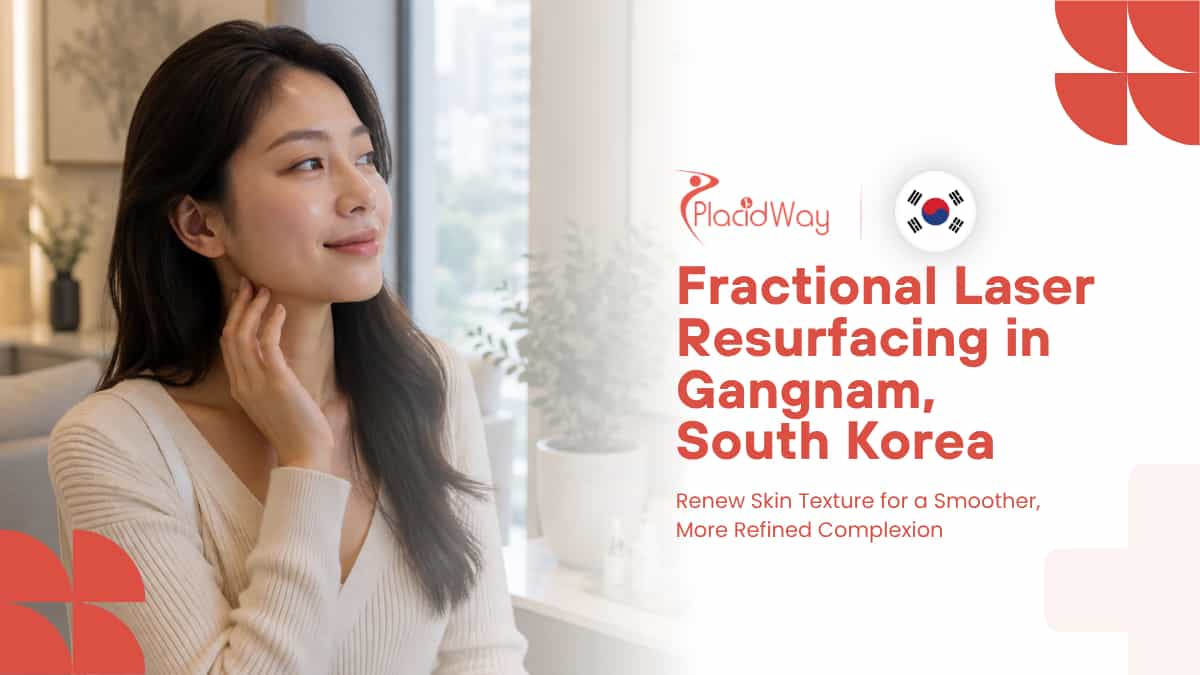
Fractional laser resurfacing in Gangnam utilizes targeted thermal micro-beams to trigger your skin's natural collagen production, effectively smoothing acne scars, minimizing enlarged pores, and renewing your overall complexion with shockingly little downtime. The global obsession with the poreless, translucent "glass skin" K-Beauty trend is exactly why savvy skincare lovers from the United States, Japan, Singapore, Taiwan, and China are trading their local dermatology clinics for a flight to Seoul. South Korean aesthetic specialists perform these advanced laser treatments at such high volumes that you benefit from unparalleled expertise, cutting-edge technology, and incredibly friendly pricing—all before you even grab your first iced Americano in Gangnam. If your topical skincare routine has hit a frustrating plateau, this minimally invasive procedure offers clinical-grade texture renewal that practically pays for your plane ticket in savings.
Fast Facts: Your Laser Resurfacing Journey
- Accessible Pricing: Packages range from $80 to $600, offering premium treatments at a fraction of Western costs.
- Verified Safety Standards: Treatments are performed in clinics holding KAHF (Korean Accreditation Program for Hospitals Serving Foreign Patients) and ISO 9001 certifications.
- The K-Beauty Goal: Directly targets the root cause of uneven texture to help you achieve authentic, makeup-free "glass skin."
- Speed and Convenience: The actual laser procedure takes roughly 20 to 30 minutes, perfectly fitting into a busy travel itinerary.
- Manageable Downtime: Modern fractional technology means you only face 3 to 5 days of mild redness and flaking, not weeks of hiding indoors.
- Customized Energy Levels: Korean dermatologists are experts at calibrating laser wavelengths to safely treat diverse Asian and Western skin types without triggering hyperpigmentation.
Why International Travelers Choose Gangnam for Laser Skin Resurfacing
Gangnam isn't just a trendy neighborhood; it is the undisputed global epicenter of aesthetic dermatology. Patients from across the globe fly into Incheon Airport because the standard of care, combined with the sheer volume of treatments performed daily, translates to an unmatched level of clinical mastery.
- Weekend Beauty Tourism: Visitors from Japan, Taiwan, and China frequently treat Gangnam as a weekend getaway, flying in on a Friday for a quick laser session and returning home Sunday with glowing skin.
- Vacation and Rejuvenation: Travelers from the United States and Singapore are increasingly combining their long-haul Korean holidays with a day dedicated entirely to high-tech skincare upgrades.
- Unrivaled Clinical Experience: Because Korean dermatologists treat dozens of patients a day, they possess an incredible intuitive feel for how much laser energy your specific skin type can safely handle.
- Next-Generation Equipment: Clinics in Seoul constantly upgrade their machines, meaning you get treated with the newest Pico and Fractional CO2 lasers before they even hit Western markets.
- Comprehensive Care Culture: Unlike Western clinics where you just get the laser, Korean clinics bundle the procedure with deep cleansing, numbing, and intensive post-care cooling masks as a standard protocol.
Decoding the K-Beauty "Glass Skin" Fractional Laser Trend
South Korea's beauty philosophy completely rejects the idea of hiding bad skin under heavy foundation and concealer. Instead, the trend is hyper-focused on creating a flawless, light-reflective canvas from the inside out using precise clinical interventions.
- Texture Over Color: While brightening is nice, K-Beauty dictates that true "glass skin" is impossible without perfectly smooth texture, making fractional resurfacing the ultimate foundational step.
- Maintenance, Not a Last Resort: In Korea, laser resurfacing isn't just for severe acne scars; mild fractional treatments are used routinely to keep pores tight and skin plump.
- The "Skin Booster" Synergy: The trend right now involves combining fractional lasers with injectable skin boosters (like Rejuran or Exosomes) to supercharge healing and collagen production.
- Respecting the Skin Barrier: Korean fractional techniques favor multiple, gentler sessions over one aggressive, skin-destroying blast, ensuring your skin barrier remains healthy and intact.
- Social Media Transparency: Beauty influencers from Singapore to Los Angeles are openly documenting their Gangnam laser journeys, removing the stigma and proving that clinical skincare is standard self-care.
Global Cost Comparison: Fractional Laser Resurfacing
One of the most compelling reasons to book your procedure in Seoul is the drastic price difference. Thanks to high domestic competition and government subsidies for medical technology, Gangnam offers premium treatments at incredibly accessible rates.
| Country / Region | Estimated Cost per Session (USD) |
|---|---|
| Gangnam, South Korea | $80 - $600 |
| United States | $800 - $2,500 |
| Singapore | $500 - $1,500 |
| Japan | $400 - $1,200 |
| China | $300 - $1,000 |
| Taiwan | $250 - $800 |
Note: This is an estimated cost pending a formal medical assessment in the clinic. Final prices vary based on the exact type of fractional laser used, the size of the treatment area, and any personalized skin-soothing add-ons recommended by your doctor.
Package Inclusions
- 1-on-1 consultation with a certified dermatologist
- Digital skin analysis (e.g., VISIA) to map deep pigmentation and texture
- Pre-treatment facial cleansing and medical-grade numbing cream
- Full-face fractional laser resurfacing session
- Post-laser soothing cryotherapy or cooling hydrogel sheet mask
- Basic post-treatment recovery cream pack
Package Exclusions
- International airfare and local accommodation
- In-clinic medical translators (if not provided complimentary by the clinic)
- Advanced regenerative add-ons (like Exosomes, PRP, or Rejuran healers)
- Prescription oral medications (antibiotics or antivirals if required)
- Take-home luxury medical skincare products
- Local VAT (though a tax refund can often be claimed at the airport)
Required Information for Your Preliminary Assessment
To ensure you are a safe candidate and to help the clinic prepare your customized treatment plan, please be ready to provide the following details before booking:
- Clear, well-lit, makeup-free photographs of your face (front and both profiles).
- A complete list of your current skincare routine, specifically noting any retinoids (Retinol/Tretinoin) or exfoliating acids (AHA/BHA).
- Your history of cold sores (Herpes Simplex), as laser treatments can trigger breakouts without preventative medication.
- Any known history of keloid scarring or hyperpigmentation issues following minor skin injuries.
- Details of any oral acne medications (like Accutane/Isotretinoin) taken within the past 6 to 12 months.
- A brief timeline of your previous aesthetic treatments, especially other laser sessions or chemical peels.
Seamless Travel and Visa Logistics for Your Seoul Beauty Trip
Navigating a foreign country for a medical procedure sounds daunting, but South Korea has optimized the process for international patients. With world-class infrastructure and tourist-friendly policies, getting to the clinic is a breeze.
- Visa Waivers: Citizens from the US, Japan, Singapore, and Taiwan generally enjoy visa-free entry, though you must complete a quick online K-ETA before departure.
- Airport Connectivity: The AREX express train from Incheon Airport will get you right into the heart of Seoul, where you can easily transfer to the Gangnam district via the immaculate subway system.
- Favorable Exchange Rates: The current strength of the US Dollar and Singapore Dollar against the Korean Won makes premium clinical treatments surprisingly affordable right now.
- Tax Free Kiosks: Look for clinics that offer "Tax Free" services; you can simply scan your receipt at a kiosk in Incheon Airport to get a refund on the value-added tax before your flight home.
- Language Support: Most major dermatology clinics in Gangnam employ fluent English, Mandarin, and Japanese-speaking coordinators to assist you from consultation to checkout.
Optimizing the Quick Weekend Laser Trip from Japan, Taiwan, and China
Because flight times from Tokyo, Taipei, and Shanghai are incredibly short, fractional laser resurfacing has become the ultimate "lunch break" procedure for neighboring travelers. Here is how to nail the weekend itinerary.
- Friday Afternoon Arrivals: Book a late afternoon flight and schedule your consultation and laser treatment for early Saturday morning, giving you ample time to rest.
- Strategic Packing: Bring wide-brimmed hats and oversized sunglasses to shield your freshly lasered skin from the sun during your journey back to the airport.
- Hydration on the Go: Air travel instantly dehydrates the skin; pack medical-grade ceramide creams recommended by your clinic for the short flight home.
- Skip the Spa: While Korean jjimjilbangs (bathhouses) are amazing, you must avoid all saunas, steam rooms, and hot springs for at least a week after a fractional laser session.
- Mask Wearing: Wearing a standard surgical mask on the plane is perfectly fine and actually helps protect your vulnerable skin from recycled airplane air.
Pre-Flight Skin Preparation for Long-Haul Travelers from the US and Singapore
If you are crossing time zones to get to Gangnam, the journey itself can stress your skin barrier. Prepping your skin correctly ensures optimal laser results and minimizes the risk of post-treatment irritation.
- Pause the Actives: Stop using all retinoids, glycolic acids, salicylic acids, and vitamin C serums at least 5 to 7 days before you board your flight to Korea.
- Focus on Hydration: During your long flight, apply a rich barrier cream instead of sheet masks, which can actually draw moisture out of the skin in a dry cabin environment.
- Avoid Sunburn at All Costs: Ensure your face is meticulously protected from the sun in the weeks leading up to your trip; clinics will not perform fractional lasers on sunburned skin.
- Stay Hydrated Internally: Drink significantly more water than usual during your 10+ hour flight to keep your skin plump and ready to receive the laser energy.
- Jet Lag Scheduling: Try to schedule your laser appointment a day or two after you land rather than immediately, allowing your skin to recover from travel inflammation.
Post-Laser Aftercare While Exploring the Streets of South Korea
You don't need to lock yourself in your hotel room after your procedure, but you do need to be smart about how you explore Seoul while your skin is healing. Protect your investment with these urban aftercare tips.
- Embrace the Parasol: Do as the locals do and carry an umbrella or parasol. Direct UV exposure on freshly lasered skin can cause severe hyperpigmentation.
- Navigating Spicy Foods: Korean food is famously spicy and hot, which can cause facial flushing. Opt for milder dishes like seolleongtang (ox bone soup) during the first 48 hours to keep your skin cool.
- Skip Intense Shopping Sweats: While underground shopping in Myeongdong or Gangnam is fun, avoid working up a heavy sweat carrying bags, as sweat can irritate the micro-wounds.
- Gentle Cleansing Only: Use only the mild, non-foaming cleansers provided or recommended by your clinic—leave your mechanical cleansing brushes in your suitcase.
- Let it Flake: By day three, your skin will start to feel like sandpaper and lightly peel. Never pick, scratch, or scrub the flakes; let them fall off naturally while walking around the city.
Frequently Asked Questions About Laser Resurfacing in Korea
1. How long does the redness last after a fractional laser treatment in Korea?
Most patients experience a sensation similar to a mild sunburn immediately after the procedure. The intense redness typically subsides within 24 to 48 hours. By day three or four, your skin may feel rough and begin to lightly peel, which can easily be managed with a heavy moisturizer. You will look completely presentable for video calls or flights within 3 to 5 days.
2. Is fractional laser resurfacing painful, or is local numbing enough?
Korean clinics are famous for prioritizing patient comfort. Before the laser touches your face, a thick layer of medical-grade numbing cream is applied and left on for 20 to 30 minutes. Most patients describe the sensation during the laser as a hot, prickly feeling or a light rubber-band snap. It is entirely tolerable, and cooling air is often blown on the face simultaneously to distract the nerves.
3. Can I fly back home the same day as my laser resurfacing session?
Yes, you can absolutely board a flight on the same day, which is why this is so popular for quick weekend trips. However, your face will be noticeably red, and you will be shiny from the protective ointments. It is highly recommended to wear a comfortable surgical mask and apply thick moisturizers to combat the incredibly dry airplane cabin air during your journey.
4. How does the Korean approach to laser resurfacing differ from Western clinics?
Western dermatology often leans towards aggressive, high-energy laser treatments meant to blast scars away in a single session, which requires weeks of downtime. The Korean K-Beauty approach focuses on preserving the skin barrier. They prefer using moderate settings combined with advanced regenerative skin boosters (like Exosomes) to stimulate healing gently. This results in minimal downtime, a gorgeous glow, and safer results for diverse skin types.
5. Will I need multiple sessions to see a reduction in my acne scars?
If you are treating deep, pitted acne scars or severe textural issues, one session will provide a nice glow, but it will not erase the scars entirely. Dermatologists usually recommend a series of 3 to 5 sessions spaced roughly 4 weeks apart for optimal scar revision. Many international patients book their first major session in Seoul and continue maintenance treatments back home, or they make bi-annual trips to Korea.
6. Is this laser safe for darker skin tones traveling from Southeast Asia or the US?
Yes, but it requires specific expertise. Patients with darker skin types (Fitzpatrick types IV-VI) are at a higher risk of Post-Inflammatory Hyperpigmentation (PIH) if the laser is too aggressive. Korean dermatologists are experts in Asian and melanated skin. They will often select a non-ablative fractional laser or a Pico laser rather than a harsh CO2 laser, precisely calibrating the wavelengths to remodel texture without triggering dark spots.
7. Can I explore Seoul immediately after my treatment, or do I need to hide in my hotel?
You don't need to hide, but you do need to be strategic. You can safely go out for dinner or walk around shopping malls, but you must wear a wide-brimmed hat, sunglasses, and strict sun protection. Avoid intense physical exertion, hot saunas, and direct midday sunlight. Think of it as a great excuse to enjoy Seoul's amazing cafes and indoor shopping rather than hiking Namsan Mountain.
8. What exactly is a "soothing care" step often included in Korean clinics?
Unlike standard clinics that just hand you an ice pack and send you home, Korean packages almost always include post-care aesthetics. This usually involves moving to a recovery room where an esthetician applies a specialized cooling hydrogel mask, utilizes cryotherapy devices, or puts you under a soothing LED light panel. This step drastically reduces initial redness and speeds up your healing process before you even walk out the door.
9. Can I get tax refunds on cosmetic laser treatments in South Korea?
Yes! The South Korean government allows international tourists to claim VAT (Value Added Tax) refunds on cosmetic procedures. Make sure your chosen clinic in Gangnam participates in the tax refund program. They will provide you with a specific tax-free receipt. When you arrive at Incheon Airport for your flight home, simply scan this receipt at the automated tax refund kiosks to get your money back.
10. How soon can I resume using retinol or exfoliating acids after returning home?
Patience is key here. You must wait until your skin has completely stopped flaking and feeling sensitive before reintroducing strong active ingredients. For most people, this takes about 7 to 10 days post-treatment. Start slowly by applying your retinol or AHA/BHA just once or twice a week to ensure your newly surfaced skin doesn't become overly irritated or compromised.
Ready for Your Glass Skin Transformation?
Stop fighting with topical serums and let the experts in Gangnam renew your skin's texture with precision laser technology. Reach out today to receive a customized treatment plan and a transparent price estimate based on your unique skin goals.
Request Free QuoteMedical Disclaimer: The information provided on this page is for general informational and educational purposes only and does not substitute professional medical advice. Always consult with a qualified healthcare provider or board-certified dermatologist to determine if fractional laser resurfacing is appropriate for your specific health condition and skin type.
Sources & Clinical References
- American Academy of Dermatology (AAD): Acne Scars: Diagnosis and Treatment Options
- American Society of Plastic Surgeons (ASPS): Laser Skin Resurfacing Overview and Safety
- Mayo Clinic: Laser Resurfacing - Risks, Preparation, and Results
- CDC Traveler's Health: Health and Safety Guidelines for Travel to South Korea
- National Center for Biotechnology Information (NCBI): Fractional CO2 Laser Resurfacing Efficacy
.png)
.png)
.jpg)

.jpg)
.jpg)

.png)
.png)
.png)
.png)








Share this listing