


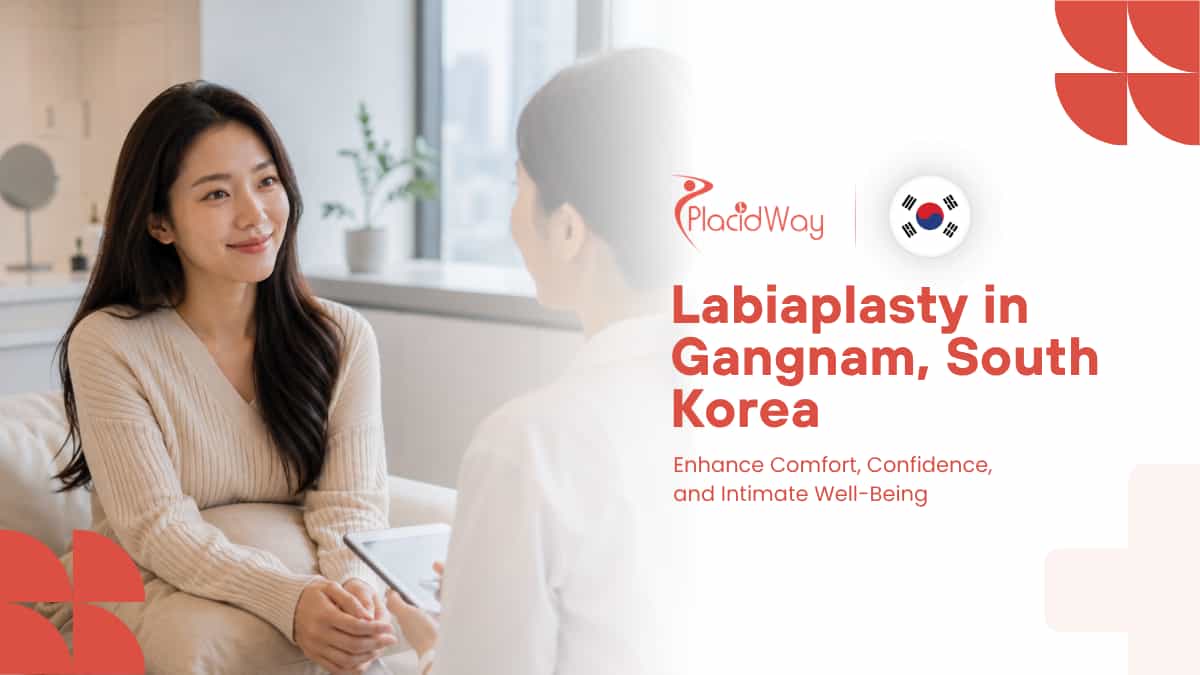
Let’s be real—comfort and confidence in your most private areas shouldn’t feel like a luxury reserved for a select few. Labiaplasty in Gangnam, South Korea, combines advanced K-Beauty surgical precision with discreet, patient-first care to reduce physical discomfort and enhance intimate well-being. Women from the United States, Japan, Singapore, China, and Taiwan are flying to Seoul because South Korean surgeons treat intimate wellness with the same meticulous, trend-setting artistry as facial aesthetics. Here, you get world-class, scar-minimizing results in a totally judgment-free zone.
Key Package Insights
- Estimated Cost: Packages range from $4,800 to $8,200, offering premium medical care at a highly competitive global rate.
- Accreditations: Partner clinics hold KAHF (Korean Accreditation Program for Healthcare System for Foreigners) and often JCI certifications, ensuring strict international safety standards.
- The K-Beauty Edge: Surgeons focus on "micro-precision" laser techniques and aesthetic harmony, rather than aggressive tissue removal.
- VIP Discretion: Facilities are designed with private consultation rooms, dedicated recovery suites, and discreet entrances specifically for international guests.
- Advanced Healing: Post-operative protocols include LED light therapy and specialized recovery IV drips to minimize swelling and downtime.
- Language Support: Seamless communication with in-house medical translators fluent in English, Mandarin, and Japanese.
Why International Patients Choose Gangnam for Intimate Surgery
When it comes to intimate wellness, you want absolute expertise combined with total discretion. Gangnam has become the global hub for labiaplasty because specialized clinics here merge cutting-edge medical technology with a hospitality-first approach that makes traveling patients feel instantly safe and comfortable.
- American and Singaporean Travelers: Patients from these regions are heavily motivated by the combination of transparent pricing and exceptional quality. They can access top-tier, board-certified specialists in Seoul for significantly less than their local healthcare systems charge.
- Japanese and Taiwanese Patients: Thanks to short, affordable flight routes, many women treat this as a long weekend wellness getaway. They specifically seek out Gangnam surgeons for their highly refined, micro-laser techniques that aren't always accessible in local clinics.
- Chinese Medical Tourists: There is a strong demand for the "scarless" healing protocols and aesthetic perfection that South Korean gynecological plastic surgeons are famous for.
- Hyper-Specialization: Unlike general plastic surgeons who do a bit of everything, Gangnam features dedicated intimate wellness centers where surgeons perform labiaplasties daily, leading to unparalleled anatomical expertise.
- Zero-Judgment Culture: Clinics are geared entirely toward patient comfort, offering a culturally sensitive environment where discussing intimate aesthetic goals feels as normal as booking a facial.
How the K-Beauty Philosophy is Transforming Labiaplasty
K-Beauty isn't just about glowing skin and elaborate skincare routines anymore; it has fundamentally changed how surgeons approach intimate wellness. The Korean philosophy focuses heavily on harmony, functionality, and achieving a result that looks entirely natural.
- Sculpting, Not Just Trimming: Rather than performing basic, straight-line excisions, Gangnam surgeons use a "designer" approach. They carefully contour the edges to maintain natural pigmentation and symmetry, perfectly aligning with Korean aesthetic ideals.
- Laser Over Scalpel: The trend leans heavily away from traditional blades. High-precision CO2 lasers are the standard, which instantly cauterize blood vessels to minimize bleeding, reduce post-op bruising, and create ultra-fine, barely visible incisions.
- Comprehensive Rejuvenation: K-Beauty is about the complete picture. Patients often choose to combine labiaplasty with clitoral hood reduction or specialized skin brightening treatments for a cohesive, refreshed aesthetic.
- Scar-Minimizing Protocols: The surgery is only half the process. Korean clinics are famous for their aftercare, providing patients with proprietary healing creams, regenerative LED light sessions, and nutritional IV drips to ensure flawless recovery.
- Empowerment Through Aesthetics: The cultural conversation has shifted. It is no longer just about fixing functional issues like chafing during yoga; it is celebrated as a form of deep self-care and bodily empowerment.
Global Cost Comparison for Labiaplasty
Traveling to South Korea for medical care often makes strong financial sense without ever having to compromise on the quality of your surgeon. Below is a look at how Gangnam pricing compares to other major global centers.
| Country / Location | Estimated Cost Range (USD) |
|---|---|
| Gangnam, South Korea | $4,800 - $8,200 |
| United States | $7,000 - $15,000 |
| Singapore | $6,500 - $12,000 |
| Japan | $5,500 - $9,000 |
| China | $5,000 - $8,500 |
| Taiwan | $5,000 - $7,500 |
Note: The pricing for Gangnam is an estimated cost pending a full medical assessment. Your exact package price will depend on the surgical technique required, anesthesia type, and your specific anatomical needs as determined by the surgeon during consultation.
What Your Surgical Package Includes
- Comprehensive pre-operative consultation and physical evaluation.
- Dedicated English, Mandarin, or Japanese-speaking medical coordinator.
- Surgeon’s operating fees and facility charges for a fully accredited operating room.
- Anesthesia fees (typically local anesthesia combined with twilight sedation).
- All standard post-operative medications (antibiotics, pain management, anti-inflammatory drugs).
- Post-op healing treatments (e.g., deswelling LED light therapy sessions).
- Follow-up appointments and final clearance check before you fly home.
What is Not Covered in Your Package
- International airfare and required travel visas (if applicable).
- Hotel accommodations during your stay in Seoul.
- Airport transfers (unless specifically upgraded in a VIP concierge package).
- Costs for managing unforeseen medical complications or extended hospital stays.
- Additional cosmetic procedures (like hood reduction or fat grafting) not agreed upon in the initial quote.
- Meals, local transportation, and personal leisure expenses.
Required Medical Records for Pre-Evaluation
- A complete and current medical history form detailing any chronic conditions.
- A list of all current medications, especially blood thinners or herbal supplements.
- Records of any previous pelvic, gynecological, or intimate surgeries.
- Recent standard blood test results (CBC, coagulation profile)—though these are often performed on-site the day before surgery.
- Clearance from your local OBGYN if you have a history of complex gynecological conditions.
Navigating Your Trip to Seoul from Abroad
Traveling across borders for surgery might sound a bit daunting, but Gangnam’s medical tourism infrastructure operates like a well-oiled machine. Planning your trip from major hubs like Tokyo, Taipei, or New York is surprisingly straightforward when you know the basics.
- Visa and Entry: Most visitors from the US, Japan, Singapore, and Taiwan can enter South Korea visa-free by simply applying for a K-ETA online a few days before their flight.
- Flight Logistics: Incheon International Airport (ICN) is a major global hub. Flights from Tokyo or Taipei are just a few hours, while US patients can access direct flights from coastal cities like LA, NYC, or Seattle.
- Getting to Gangnam: The Airport Limousine Bus (Route 6009) drops you directly in the heart of Gangnam comfortably. Alternatively, your clinic can often recommend private, English-speaking driver services.
- Language Barrier: You rarely have to worry about translation issues. Premium clinics employ full-time coordinators who will be by your side from the consultation room to post-op recovery.
- Accommodation: Gangnam is packed with recovery-friendly hotels. Look for places in the Apgujeong or Sinsa districts, which put you within easy walking distance of top-tier medical facilities.
The Evolution of Laser Surgical Techniques
The days of traditional, painful surgical cuts with long recovery times are largely a thing of the past in South Korea's high-end clinics. Surgeons here utilize cutting-edge technology to make the surgical process as efficient and comfortable as possible.
- CO2 Laser Precision: Surgeons favor carbon dioxide lasers over scalpels because the laser seals nerve endings and blood vessels as it cuts, dramatically reducing immediate post-op pain and bruising.
- Wedge vs. Edge Resection: Korean surgeons are masters at selecting the right technique. Depending on your anatomy, they might use a wedge resection to preserve the natural crinkled edge, or a trim technique for a smoother profile.
- Micro-Suturing: The stitches used in these procedures are incredibly fine and designed to dissolve on their own. They are strategically placed in natural folds to ensure any potential scarring is virtually invisible.
- PRP Healing: Platelet-Rich Plasma (PRP) is sometimes integrated into the surgical site to jumpstart the body's cellular regeneration, speeding up tissue repair.
- Shorter Operative Times: Thanks to the efficiency of modern laser tools and highly specialized surgical teams, the procedure usually takes less than an hour, minimizing your time under anesthesia.
What to Expect During Your Gangnam Recovery
Your healing period in a foreign country doesn't have to mean sitting in a hotel room doing absolutely nothing. With the right care and realistic expectations, your post-op recovery in Seoul can actually feel quite relaxing.
- The First 48 Hours: Expect moderate swelling and mild discomfort. You will be provided with specific ice packs and medication to manage this. Resting in your hotel is highly advised during this window.
- Getting Moving: Light walking is actually encouraged after the first two days to promote healthy blood circulation. Strolling through the flat, well-paved streets of Gangnam for some light shopping is perfectly fine.
- Clinic Follow-Ups: You will typically visit the clinic 2 to 3 times during your stay. They will check the incision sites, apply soothing treatments, and ensure your healing is on track.
- Dietary Considerations: While you are in a culinary paradise, clinics generally advise avoiding overly spicy traditional Korean foods or alcohol for the first week, as they can increase swelling and delay healing.
- Flying Home: Most patients are cleared to fly back to the US, Singapore, or Japan within 7 to 10 days. Wearing loose clothing and staying hydrated on the flight is key for comfort.
Pairing Intimate Surgery with Other K-Wellness Treatments
Since you are already making the trip to the global capital of aesthetics, many international patients choose to maximize their medical downtime. You can easily pair your intimate surgery with non-invasive wellness therapies while you heal.
- Skin Rejuvenation: Non-ablative facial lasers and intense hydration facials (like the popular Korean "glass skin" treatments) are gentle enough to undergo a few days after your surgery.
- Vitamin IV Drips: Clinics offer customized IV therapy loaded with Vitamin C, glutathione, and zinc. These drips not only give your skin a glow but actively assist your body's immune and healing response.
- Scalp and Hair Spas: Korean head spas are incredibly popular right now. A 90-minute deep scalp cleanse and massage is incredibly relaxing and requires zero physical exertion.
- Postpartum Care: If you are combining this procedure as part of a "mommy makeover," you might look into non-invasive body contouring or pelvic floor strengthening therapies offered at allied clinics.
- Laser Hair Removal: Preparing the area with professional laser hair removal prior to surgery (or planning sessions for after you are fully healed) is a common complementary step for a cleaner, long-term aesthetic.
Frequently Asked Questions About Labiaplasty
Does a labiaplasty affect intimate sensation?
No. When performed by a board-certified specialist, the surgery focuses strictly on excess tissue and safely avoids critical nerve centers. Most patients report that sensation remains entirely unchanged, or even improves due to increased comfort and confidence.
How long do I need to stay in Seoul for this procedure?
We recommend international patients plan for a 7 to 10-day stay. This allows enough time for the initial surgery, crucial rest during the peak swelling phase, and a final in-person follow-up appointment before you are cleared to fly.
Is the procedure painful?
During the surgery, you won't feel a thing. Clinics typically use local anesthesia combined with twilight sedation, so you essentially take a comfortable nap. Post-operative pain is usually described as a soreness or throbbing, which is easily managed with prescribed oral medication.
Can I fly back to the US or Singapore immediately after?
It is strongly advised not to fly on a long-haul flight for at least 5 to 7 days post-surgery. Prolonged sitting and changes in cabin pressure can exacerbate swelling and increase the risk of minor bleeding or blood clots.
Will there be visible scarring?
One of the main reasons patients choose South Korean surgeons is their mastery of scar minimization. By using ultra-fine dissolving sutures placed within the natural mucosal folds, any resulting scar tissue is virtually undetectable once fully healed.
Do Gangnam clinics provide translators for Japanese and Chinese patients?
Yes. Reputable medical tourism clinics in Gangnam employ dedicated, in-house patient coordinators who are fluent in Japanese, Mandarin, and English. They handle everything from translating medical terms to helping you get a taxi back to your hotel.
How soon can I return to my regular workout routine?
Light, gentle walking is fine after a few days. However, you must avoid strenuous activities, heavy lifting, running, and especially friction-based exercises like cycling or horseback riding for at least 4 to 6 weeks.
Are the results of the surgery permanent?
Yes. Because adult labial tissue generally does not regrow after it has been excised, the results are considered permanent. Normal aging or significant hormonal fluctuations (like childbirth) can cause minor skin changes over time, but the structural reduction remains.
What happens if I experience a complication after I return home?
Major complications are quite rare, but standard international protocols apply. Clinics provide telehealth follow-ups via video call or secure messaging apps to monitor your healing. They can also share your surgical notes with a local physician in your home country if in-person care is ever needed.
Ready to Take the Next Step?
Your journey to physical comfort and renewed confidence starts with a simple conversation. Reach out to get a personalized treatment plan and transparent pricing tailored to your specific travel needs.
Request Free QuoteMedical Disclaimer: The information provided on this page is for general informational and educational purposes only and is not a substitute for professional medical advice. Always consult with a qualified healthcare provider regarding any medical condition, diagnosis, or customized treatment planning.
Trusted Resources
- American College of Obstetricians and Gynecologists (ACOG) - Guidelines on Elective Female Genital Cosmetic Surgery
- Mayo Clinic - Labiaplasty Overview, Risks, and What to Expect
- American Society of Plastic Surgeons (ASPS) - Recovery Timeline for Labiaplasty
- National Center for Biotechnology Information (NCBI) - Surgical Techniques and Outcomes in Labiaplasty
- Centers for Disease Control and Prevention (CDC) - Health Information for Travelers to South Korea
.png)
.png)
.jpg)
.jpg)
.jpg)
.jpg)

.png)
.png)
.png)
.png)








Share this listing