
What treatment
20+ Key FAQs on Stem Cell Therapy in South Korea
Questions About Stem Cell Therapy in South Korea? Start Here
Trusted Medical Tourism Platform Since 2007

Stem Cell Skin Treatment in Gangnam, South Korea: Cell Source, Evidence and Safety
The search for stem cell skin treatment usually begins with a sense of deep frustration over conventional aesthetic options. Traditional dermal fillers can temporarily restore lost facial volume, but they do not fundamentally alter the health, elasticity, or texture of the aging skin tissue. Similarly, lasers can resurface the superficial epidermal layers, but they cannot inherently rebuild the deep structural tissue that thins and degrades over decades. When patients hear the phrase "stem cell therapy," it sounds like the ultimate biological solution—a promising way to permanently regenerate the skin from the inside out. However, as you research clinics in Gangnam, Seoul, you may find prices ranging from roughly $500 to $3,000 and very different treatment protocols. For patients considering stem cell skin treatment in Gangnam, it is important to understand that “stem cell treatment” can refer to several different procedures and cell sources. Country Typical Price (USD) Why Patients Travel From Here South Korea (Gangnam) $500 – $3,000 The baseline price referenced throughout this article. Japan $750 – $4,500 Regenerative skin treatments (exosomes and cell-based therapies) are priced at a premium in Japan relative to Korea's competitive clinic market. China $650 – $4,000 A rapidly growing category in China's premium dermatology clinics, priced above Korea's for comparable exosome and SVF protocols. Taiwan $650 – $3,800 Offered at Taiwan's higher-end aesthetic centers, typically above Korea's pricing for the same cell-based treatments. Figures are general market ranges compiled from multiple clinics and medical-travel sources as of 2026; individual quotes vary by clinic, technique, and case complexity. The Diagnostic Decision The core tension for patients traveling to South Korea is separating the marketing promise of "stem cells" from the actual biological product being used in the clinic. To make an informed choice regarding your budget and recovery time, you must determine whether you are purchasing a cellular fat extraction, a simple blood derivative, or a cell-free messenger fluid. The Core Confusion: What is Actually in the Syringe? Before booking a flight to South Korea, the most critical step is clarifying what a specific clinic means when they advertise stem cell regeneration. True stem cells are living biological entities capable of differentiating into various tissue types and orchestrating complex cellular repairs. In modern aesthetic medicine, however, the terminology is frequently stretched to describe several different regenerative approaches, only some of which actually contain living stem cells. When you see Gangnam clinic prices ranging from $500 on the lower end to $3,000 or more on the higher end, you are generally looking at three entirely different tiers of regenerative medicine. Understanding the specific biological source material dictates not only the financial cost, but the level of invasiveness, the required downtime in Seoul, and the realistic clinical outcomes you can expect. Procedure Type Biological Material Live Stem Cells? Typical Gangnam Protocol PRP (Platelet-Rich Plasma) Patient's own drawn blood, spun to isolate platelets. No. It contains healing growth factors, not stem cells. Basic blood draw + superficial dermal injections. Exosomes Cell-free vesicles extracted from lab-cultured cells. No. It contains cellular signals, but no live cells. Topical serum application + physical microneedling. SVF / ADSCs Stromal Vascular Fraction from the patient's own fat. Yes. Contains Adipose-Derived Stem Cells (ADSCs). Surgical mini-liposuction + processing + deep injection. Exosomes: The $500 "Stem Cell" Alternative If a clinic in Gangnam quotes you a price near the $500 mark for a "stem cell" facial treatment, they are almost certainly referring to exosome therapy rather than a cellular graft. Exosomes have become immensely popular in South Korean aesthetic clinics because they offer regenerative cellular signaling without the need for surgery or fat harvesting. They are essentially the chemical messenger packets that stem cells use to communicate with other cells in the human body. When cultured stem cells are grown in a specialized laboratory, they secrete these microscopic vesicles filled with growth factors, microRNA, and regenerative proteins. Laboratories isolate and purify these vesicles, creating a cell-free serum that clinics purchase in standardized vials. Because they contain no live cells and no DNA, they carry an exceptionally low risk of immune rejection, making them an attractive, off-the-shelf option for busy dermatological centers. How Exosomes Are Delivered Because exosomes cannot penetrate the intact outer barrier of the skin (the stratum corneum) on their own, they cannot simply be rubbed on like a daily moisturizer. To be clinically effective, these microscopic vesicles must be physically driven into the deeper dermis where they can interact with aging cells. In Gangnam clinics, this is typically achieved by combining the exosome serum with a physical delivery mechanism designed to temporarily bypass the skin's surface. Microneedling: A motorized device creates thousands of micro-channels in the skin, allowing the liquid exosome serum to seep down into the deeper layers where fibroblasts reside. Fractional CO2 Laser: The laser vaporizes tiny columns of tissue to stimulate healing, while the exosomes are applied immediately afterward to calm inflammation and accelerate repair. Radiofrequency (RF) Microneedling: Subdermal heat is delivered beneath the skin alongside the physical needles, further stimulating collagen production while the exosome signals are absorbed. Stromal Vascular Fraction (SVF): The $3,000 Cellular Approach For those seeking a true cellular intervention, the conversation shifts toward Stromal Vascular Fraction (SVF) and Adipose-Derived Stem Cells (ADSCs). This approach typically sits near the $3,000 end of the price spectrum because it is a multi-step surgical procedure that requires specialized equipment and clinical expertise. Rather than using an off-the-shelf laboratory serum, this protocol utilizes your own biological tissue to harvest living, active stem cells for immediate use. Human fat (adipose tissue) is widely recognized as one of the richest sources of adult stem cells in the body. When a clinic performs an SVF procedure, they extract a small amount of your body fat and process it to separate the pure fat cells from the surrounding supportive matrix. This resulting matrix is the Stromal Vascular Fraction, a highly concentrated biological mixture that includes living stem cells, endothelial cells, pericytes, and various immune cells. The Biological Mechanism in the Skin Once isolated, this concentrated cellular mixture is carefully injected into the dermis of the face using fine needles or micro-cannulas. Unlike traditional structural fat grafting—which is meant to permanently inflate hollow areas like the cheeks or temples—SVF is focused on tissue quality rather than raw volume augmentation. The living stem cells within the SVF interact directly with your aging skin tissue through a gradual process of biological remodeling. Clinical research suggests that once these cells are successfully introduced to the facial tissue, they promote neoangiogenesis, which is the formation of new capillary blood vessels. This improved blood supply delivers vital oxygen and nutrients to the previously degrading skin. Simultaneously, the cells secrete growth factors that stimulate resident fibroblasts, instructing them to produce fresh collagen and elastin fibers, which gradually thickens the dermal layer over several months. The Procedural Reality: What the SVF Day Entails Unlike a topical facial, an SVF procedure requires an operating room environment and careful medical monitoring. If you are planning this procedure in Seoul, the clinical day generally follows a strict sequence: Anesthesia and Preparation: The patient is prepped and provided with local anesthesia or light intravenous sedation to ensure comfort during the surgical extraction. Adipose Harvesting: The surgeon performs a mini-liposuction, typically from the lower abdomen, flanks, or inner thighs, extracting roughly 50 to 100 milliliters of fat tissue. Mechanical Processing: The extracted fat is placed into specialized centrifugation or filtration equipment within the clinic to separate the SVF matrix from the lipids (oil) and fluids. Dermal Re-injection: The highly concentrated SVF liquid is loaded into fine syringes and injected intradermally across the face, focusing on areas of severe photoaging or deep rhytids. The Evidence: What Can Regenerative Aesthetics Actually Achieve? The psychological appeal of regenerative medicine is powerful, but managing personal expectations is vital before traveling abroad. Many patients arrive in Seoul expecting stem cells to act as a non-surgical facelift, capable of lifting sagging jowls, tightening loose skin under the neck, or entirely erasing deep anatomical folds. Medical evidence, however, points to different, highly specific improvements related to skin quality, texture, and cellular health rather than profound structural lifting. Clinical studies evaluating Adipose-Derived Cell Therapies and Exosomes for facial rejuvenation consistently report measurable changes in the biological markers of chronic aging. While individual results vary significantly depending on patient age, baseline sun damage, and the precise extraction technique used, the evidence broadly supports improvements in several distinct dermatological categories. Evidence & Clinical Markers of Improvement Hydration and Elasticity: Both SVF and Exosome therapies have been associated with increased skin hydration and improved elasticity, largely due to the restoration of the extracellular matrix. Photoaging Reversal: Research indicates that regenerative cells can help repair structural damage caused by chronic ultraviolet (UV) exposure, actively reducing oxidative stress within the tissue. Rhytid (Wrinkle) Softening: While not a rapid replacement for neurotoxins like Botox, studies show a softening of fine lines, particularly in the periorbital and nasolabial regions, progressing over several months. Pigmentation and Erythema: Exosome treatments in particular have demonstrated clinical efficacy in reducing the appearance of enlarged pores, vascular redness (erythema), and irregular melanin deposition. South Korean Regulations: The "Cultured Cell" Warning South Korea is globally recognized for its highly advanced aesthetic infrastructure, but it also operates under strict medical regulations overseen by the Ministry of Food and Drug Safety (MFDS). For international patients seeking stem cell treatments, there is one critical legal distinction that must be explicitly understood to ensure both safety and regulatory compliance during your trip. Some patients mistakenly assume they can fly to Seoul, have a tiny amount of fat extracted, and then have the clinic multiply (culture) those stem cells in a laboratory for several weeks to create a massive regenerative dose. Under current South Korean regulations, this laboratory expansion is not legally permitted for aesthetic, anti-aging, or cosmetic purposes. Clinics are strictly bound by established rules defining exactly how human tissues and cells can be handled in a wellness setting. Safety Standard: The Rule of Minimal Manipulation South Korean law dictates that stem cells used for cosmetic rejuvenation must adhere to the biological principle of "minimal manipulation." Allowed (Uncultured SVF): A clinic can legally extract your body fat, mechanically separate the SVF cells using a centrifuge or filters, and immediately reinject them into your face during the exact same surgical visit. Prohibited (Cultured Expansion): A clinic cannot legally take your stem cells, incubate them in an off-site laboratory over several days to artificially multiply their numbers, and reinject them later for purely anti-aging or cosmetic purposes. If a facility claims to be "growing" a massive yield of your own stem cells over weeks specifically for cosmetic skin rejuvenation, they are operating outside of established South Korean wellness regulations. Always verify that the clinic relies on same-day, uncultured extraction protocols. Traveling to Gangnam: How the Protocol Dictates the Trip Choosing between an exosome facial and an SVF cellular extraction changes the entire nature of your trip to South Korea. Gangnam is an exceptionally convenient place to recover, filled with accessible pharmacies, extensive subterranean shopping networks, and specialized medical concierge services designed for international visitors. However, the physical reality of your chosen recovery will strictly determine how much of the city you actually want to experience. Patients who opt for an exosome microneedling treatment typically experience only a few days of facial redness and mild epidermal flaking. They can usually apply specialized restorative sunscreens provided by the clinic and walk around the city, visit restaurants, or continue their vacation itinerary almost immediately. For these individuals, the treatment is merely one brief medical stop in a much broader international travel experience. Caregiver & Companion Planning: The SVF Recovery Reality If you choose an autologous SVF extraction, the travel logistics become significantly more complex, and a companion's physical support becomes highly valuable. The recovery involves two separate body sites, and the immediate aftermath is decidedly surgical. The Extraction Site: The area where the fat was harvested (often the lower abdomen) will be bruised, sore, and noticeably swollen. You will likely need to wear a compression garment under your clothes. Navigating the extensive, steep stairs of the Seoul Metropolitan Subway will be uncomfortable for the first few days. The Facial Injection Sites: The face will experience acute swelling (edema) and potential bruising from the precise dermal injections. Most patients prefer to stay out of the public eye or wear a mask and large hat while navigating the city during the first postoperative week. The Companion's Role: A travel companion will be essential for managing heavy luggage, picking up prescribed antibiotics or anti-inflammatory medications from the local Gangnam pharmacy, and arranging point-to-point taxi transport to avoid excessive walking. Questions to Ask Before Committing to a Protocol Because "stem cell treatment" functions as a highly effective marketing term applied to various biological procedures, the consultation phase is your most important tool for ensuring clinical safety and aligning realistic expectations. A reputable medical clinic in South Korea will actively welcome highly specific technical questions and will not pressure an international patient into immediate financial decisions. Before paying a deposit or finalizing an international treatment plan, use these structured questions to cut through the promotional language and clarify exactly what biological material is being utilized. Understanding these details protects you from paying premium surgical prices for off-the-shelf cosmetic serums. Clarifying the Source "Are you actively extracting my own body fat to isolate SVF, or are you applying a manufactured exosome serum to my skin surface?" Understanding Processing "If you are using my fat tissue, how are the stem cells isolated? Is it mechanical centrifugation in the clinic, and is it injected on the same day?" Managing Timelines "How many days must I remain in Seoul for postoperative medical reviews regarding the fat extraction site before I am cleared to fly home safely?" Defining Success "How many months does it typically take for the biological remodeling and new collagen synthesis to become visibly noticeable in the mirror?" The Decision: Matching the Treatment to the Reality The decision to travel across the globe for a stem cell skin treatment requires carefully balancing your aesthetic goals against the physical and financial reality of the procedure. If your primary concern is surface texture, mild pigmentation, and enlarged pores, and you want to enjoy your time in Seoul without surgical downtime, the $500 exosome-based therapies offer a highly advanced, cell-free signaling option that fits easily into a vacation itinerary. Alternatively, if your goal is deep dermal regeneration, significant collagen induction, and treating severe photoaging, the $3,000 autologous SVF extraction provides a true, living cellular intervention. However, this choice requires explicitly acknowledging that you are undergoing a surgical harvesting procedure. It demands respecting the physical recovery process, securing support from a reliable travel companion, and allowing the biological timeline to unfold long after you have flown home from Gangnam. FAQ Are stem cell skin treatments permanent? While treatments like SVF promote long-lasting biological remodeling and collagen synthesis, they do not stop the natural aging process. The skin will continue to age from its new, rejuvenated baseline, meaning results are long-lasting but not strictly permanent. Do stem cells act like dermal fillers? No, they serve completely different aesthetic purposes. While structural fat grafting is used to physically add volume, stem cell treatments focus on improving the biological quality, texture, density, and hydration of the skin itself rather than simply inflating hollow areas. Is culturing stem cells legal in South Korea? South Korean regulations do not permit the culturing or multiplying of stem cells in a laboratory for purely cosmetic or anti-aging purposes. Clinics must rely on "minimal manipulation" techniques, safely extracting and re-injecting cells within the same surgical setting. What is the difference between PRP and Stem Cells? PRP (Platelet-Rich Plasma) is derived from a basic blood draw and contains growth factors that stimulate healing, but it does not contain living stem cells. Conversely, SVF is derived from your body fat tissue and contains actual living multipotent stem cells capable of deeper regeneration. How soon can I fly after an SVF extraction in Gangnam? The safe timing varies by the extent of the surgical fat harvest and your individual healing rate. However, most reputable clinics require international patients to remain in Seoul for at least 5 to 7 days for postoperative reviews of the extraction site before clearing them for long-haul flights. Request Information References https://pubmed.ncbi.nlm.nih.gov/42225690/ https://pubmed.ncbi.nlm.nih.gov/41552195/ https://pubmed.ncbi.nlm.nih.gov/38891544/ https://pubmed.ncbi.nlm.nih.gov/31739899/ https://pubmed.ncbi.nlm.nih.gov/26868610/ https://pubmed.ncbi.nlm.nih.gov/24300305/ https://pubmed.ncbi.nlm.nih.gov/33671239/ https://pubmed.ncbi.nlm.nih.gov/21575004/ This content is for educational purposes only and is not medical advice. Diagnosis, treatment suitability, risks, recovery, travel timing and outcomes vary by individual and procedure. Decisions should be made with appropriately qualified healthcare professionals after an individual assessment. PlacidWay provides healthcare information and facilitation services and is not the treating physician, clinic or hospital....
Read more details


IV Stem Cell Therapy in Gangnam, South Korea: Source, Evidence and Regulation
This search frequently crosses international borders, as patients look for jurisdictions where advanced biotechnological treatments are legally available and scientifically regulated. South Korea, and specifically the medical districts of Gangnam in Seoul, routinely emerges at the top of these inquiries. For patients researching IV stem cell therapy in Gangnam, the country’s position as a global hub for biotechnology can make it an appealing destination to investigate regenerative medicine options. However, the availability of a treatment does not necessarily mean that its clinical benefits are established. Understanding the regulatory framework, scientific evidence, and source of the stem cells remains essential before considering treatment. The Central Misunderstanding A common assumption is that traveling overseas for stem cells means accessing a medical "Wild West" where anything is possible. In reality, the most reliable cellular therapies in Seoul are governed by strict, newly modernized national legislation. Understanding how this law protects patients—and what it prohibits—is the first step in separating genuine regenerative medicine from heavily marketed clinical tourism. Deciding to travel for IV stem cell therapy requires moving past the broad promises of "regeneration" and looking closely at the underlying biology. Patients must understand exactly what type of cell is being infused, how the body processes those cells once they enter the bloodstream, and whether the clinical evidence aligns with their specific health goals. This journey is rarely a simple transaction; it is a complex medical decision that demands rigorous evaluation of both the science and the destination. The Biology of the IV Line: Expectations Versus Reality When people envision stem cell therapy, they often picture a microscopic homing mechanism. The popular imagination suggests that once infused into a vein, these powerful cells circulate freely, identify areas of damage—whether a degraded joint, an inflamed organ, or compromised nervous tissue—and transform themselves into healthy replacement cells. While this concept makes intuitive sense, the biological reality of intravenous administration is fundamentally different and far more intricate. The vast majority of systemic therapies utilize Mesenchymal Stem Cells (MSCs). These are relatively large cells, typically measuring between 14 and 19 micrometers in diameter when in suspension. When they are introduced into a peripheral vein, their first major physiological destination is the right side of the heart, which immediately pumps them into the dense capillary networks of the lungs. Because pulmonary capillaries are significantly narrower than the stem cells themselves, a massive proportion of the infused cells become physically trapped in the lung tissue during their first transit. The Pulmonary First-Pass Effect Historically, researchers viewed the pulmonary trapping of MSCs as a failure of delivery, assuming that if the cells did not physically reach the injured tissue, the therapy was ineffective. Modern regenerative medicine has radically reframed this understanding. The lungs are no longer seen as merely a passive filter, but rather as an active biological staging ground for the infused cells. Once retained in the pulmonary vasculature, these stem cells become activated. Instead of becoming new lung tissue, they engage in profound paracrine signaling. They secrete a complex array of anti-inflammatory cytokines, growth factors, and extracellular vesicles (exosomes) into the systemic arterial circulation. Therefore, the therapeutic benefit of an IV infusion is largely driven by the chemical signals the cells release to modulate the body's immune system, rather than the physical integration of the cells into distant organs. This biological reality completely changes how patients should evaluate their treatment goals. If the objective is to physically rebuild a specific localized area, such as regenerating cartilage in a severely osteoarthritic knee, an intravenous infusion may not be the optimal delivery route. Direct, localized injection into the joint space is generally preferred for targeted structural repair. Conversely, if the goal is to address widespread systemic inflammation, temper an overactive immune response, or support general metabolic recovery, the systemic signaling cascade triggered by IV administration aligns much closer with the desired outcome. What is Actually in the Bag? Decoding Cell Sources Before evaluating IV stem cell therapy clinic in in Gangnam, a patient must understand exactly what biological material is being proposed for their infusion. The term "stem cell therapy" is used as a broad umbrella, but the source of the cells dramatically impacts the procedure's safety, cost, regulatory status, and clinical effect. Not all stem cells are identical, and the methodology used to harvest and prepare them forms the foundation of the entire treatment plan. In highly regulated environments, the primary distinction lies between autologous therapies (using your own biological material) and allogeneic therapies (using donor material). Each approach carries specific logistical requirements, particularly when international travel is involved, as the timing of extraction and infusion dictates how long a patient must remain in the destination country. Cellular Source Extraction Method Primary Characteristics & Clinical Use Autologous Adipose (Fat) Minimally invasive mini-liposuction, typically from the abdomen or flanks. Yields a robust concentration of Mesenchymal Stem Cells (MSCs). Often used for systemic anti-aging, metabolic support, and immune modulation. Can be processed same-day (SVF) or cultured over weeks. Autologous Bone Marrow Aspiration from the iliac crest (pelvis) under local anesthesia. Rich in both hematopoietic (blood-forming) and mesenchymal stem cells. Historically the most researched source for orthopedic and certain systemic conditions, though it yields fewer total MSCs than fat tissue. Autologous Peripheral Blood Standard intravenous blood draw. Contains fewer stem cells but is rich in growth factors and regenerative proteins. Often concentrated and used for milder systemic revitalization or as a complementary same-day therapy. Allogeneic Umbilical Cord Ethically sourced from healthy, full-term donor deliveries. Provides very young, highly proliferative MSCs without the need for patient extraction. However, regulatory approval for IV use of donor cells varies strictly by country and specific clinical designation. The choice of source material is rarely a simple menu selection; it should be determined by the patient's specific physiological condition and the treating physician's assessment. For example, an older patient with high systemic inflammation might have exhausted or less viable autologous stem cells, prompting a discussion about whether their own tissue is the most effective source material. However, any deviation from using one's own cells introduces complex regulatory hurdles, which brings the conversation directly to the legal environment of the destination country. The Regulatory Landscape: Why Gangnam Enters the Conversation When patients discover that their desired stem cell protocol is unavailable at home, they often assume they must travel to a developing nation with lax medical oversight. South Korea offers a compelling alternative precisely because it possesses one of the most advanced, formalized regulatory structures for regenerative medicine in the world. The concentration of approved clinics in districts like Gangnam is not merely a product of medical tourism marketing, but a reflection of heavily invested biotech infrastructure complying with national law. In recent years, the South Korean government recognized that advanced biological treatments required a specialized framework—one that sits between traditional pharmaceutical drug approvals and unregulated experimental procedures. This realization led to landmark legislation that fundamentally changed how these therapies are administered, ensuring that patients receive treatments in environments subject to stringent government oversight. The Advanced Regenerative Bio Act (ARBA) Enacted and subsequently refined to improve patient access, the Act on the Safety of and Support for Advanced Regenerative Medicine and Advanced Biological Products (ARBA) dictates exactly who can perform stem cell therapies in South Korea. Under this law, not every dermatology or plastic surgery clinic is legally permitted to perform complex IV cellular infusions. Institutions must undergo rigorous evaluation and be officially designated by the Ministry of Health and Welfare. Furthermore, any manipulation or culturing of cells must occur in government-certified cell processing facilities, mandating strict compliance with sterility, viability, and safety standards. For the international patient, this legal framework offers a crucial protective layer. Rather than relying solely on a clinic's self-reported success rates or marketing gloss, patients can verify whether a facility holds the required Ministry designations. This distinction separates high-end, scientifically backed regenerative medicine hospitals from aesthetic clinics that simply offer rudimentary blood-spinning treatments disguised as advanced cellular therapy. Price Dynamics and the Culturing Question Financial planning for regenerative medicine often causes significant confusion due to the vast discrepancies in quoted prices. In Gangnam, the baseline cost for introductory or same-day regenerative IV therapies typically ranges from $500 to $3,000. This financial window usually reflects treatments that do not require multi-week laboratory cell expansion, such as autologous stromal vascular fraction (SVF) extractions or highly concentrated blood-derived infusions. However, it is vital to understand that this starting range represents a specific category of treatment. If a patient's medical protocol requires extracting cells, sending them to a certified laboratory to be multiplied (cultured) into the tens or hundreds of millions, and then returning weeks later for the final infusion, the logistical complexity and laboratory fees increase dramatically. Cultured protocols frequently escalate well beyond this baseline bracket, making it essential to clarify exactly what cellular process is included in a preliminary quote. Same-Day Processing (Uncultured) Tissue (like fat or bone marrow) is extracted, processed in the clinic's specialized centrifuge systems to isolate the regenerative fraction, and infused back into the patient within a few hours. This minimizes time spent in Seoul and generally aligns with the lower to middle tiers of the pricing spectrum. Viable cell counts are entirely dependent on the initial extraction volume. Laboratory Expansion (Cultured) A small tissue sample is extracted and sent to a highly regulated, certified bio-laboratory. Over several weeks, the stem cells are multiplied to achieve a massive, standardized dosage. This requires either a very long stay in South Korea or two separate international trips, significantly increasing the total financial investment beyond the baseline procedure costs. Patients must have transparent conversations with their prospective clinical teams about their budget and time constraints before traveling. Understanding whether a quoted price reflects a one-day SVF protocol or a comprehensive multi-week culturing process prevents unexpected financial and logistical strain upon arrival in Seoul. The Reality of Traveling to Seoul for Cellular Therapy Integrating advanced medical treatments with international travel adds layers of practical complexity that require careful management. Seoul is a highly efficient, modern city with excellent infrastructure, but navigating its healthcare system as an international patient involves specific logistical steps. The timeline of the journey is entirely dictated by the biological requirements of the chosen therapy. Typical Phases of a Regenerative Journey Comprehensive Blood Work and Clearance: Prior to any extraction, South Korean clinics mandate rigorous communicable disease testing and baseline health screenings. If markers indicate an active infection or contraindication, the procedure may be paused or canceled entirely. The Extraction Day: Whether undergoing a mini-liposuction for adipose tissue or a bone marrow aspiration, the extraction is a minor surgical procedure. Patients must plan for adequate rest in their hotel accommodation immediately following this step, managing minor soreness or bruising at the harvest site. The Waiting Period: If cells are being cultured, patients face a gap ranging from two to four weeks. Some choose to return home and fly back for the infusion, while others use the time to rest or explore the region, provided they have medical clearance to do so. The IV Infusion: The administration itself is typically calm and straightforward, often taking only a few hours in a comfortable clinical setting. Patients are monitored closely for mild immediate reactions, such as low-grade fevers or fatigue, which are common as the immune system interacts with the infused cells. Because regenerative medicine relies heavily on complex biological concepts, accurate communication is paramount. While many top-tier Gangnam institutions employ highly skilled in-house medical interpreters, patients should verify this resource beforehand. Misunderstanding instructions regarding pre-procedure fasting, post-infusion rest, or medication interactions due to a language barrier introduces unnecessary risk into an otherwise meticulously planned journey. For the Person Coming With You Caregivers and companions play a vital supportive role during this process. While the IV infusion itself is not physically debilitating, the preceding tissue extraction can leave patients feeling sore, fatigued, and vulnerable in an unfamiliar city. Companions should be prepared to manage practical logistics—such as navigating transportation from the clinic back to the hotel, organizing meals that align with any dietary guidelines provided by the medical team, and keeping track of translated post-procedure instructions. Navigating Uncertainty: When to Reconsider or Wait Despite the profound advancements in regenerative biology, systemic IV stem cell therapy is not a universal remedy. Responsible clinical evaluation requires acknowledging the boundaries of current scientific evidence. While many patients report notable improvements in energy, reduction in inflammatory markers, and general revitalization, these outcomes vary wildly depending on individual biology, age, and disease severity. Patients seeking a definitive "cure" for advanced neurodegenerative diseases, end-stage organ failure, or severe structural joint degradation must approach systemic IV therapy with extreme caution. If a provider in any destination guarantees a specific outcome or promises to reverse a chronic, progressive illness with a simple IV drip, that assertion contradicts the current consensus of responsible regenerative medicine. For some individuals, the most appropriate medical decision is choosing to wait for further clinical validation or opting for localized, targeted therapies instead. Questions to Take Into Your Consultation Is your clinic officially designated by the Ministry of Health and Welfare under the Advanced Regenerative Bio Act? For my specific condition, what is the clinical rationale for an intravenous infusion rather than a localized injection? Are the cells being processed on the same day, or are they being sent to a certified lab for expansion? What objective biological markers will we use to measure whether the therapy was actually effective upon my return home? What specific medical scenarios would cause you to refuse to perform this treatment on me? The decision to pursue cellular therapy in South Korea represents a significant intersection of hope, science, and practical commitment. By demanding clarity on cell sources, understanding the biological mechanisms of intravenous delivery, and utilizing the robust regulatory framework that Seoul provides, patients can transition from simply hoping for a miracle to actively participating in advanced, evidence-based regenerative care. Frequently Asked Questions Why do stem cells get trapped in the lungs during an IV infusion? Mesenchymal Stem Cells (MSCs) are physically larger than the tiny capillaries in the lungs. When administered intravenously, the majority are initially retained there, a phenomenon known as the pulmonary first-pass effect. Research suggests they become activated in the lungs, releasing anti-inflammatory signals into the body rather than just acting as a blockage. Are stem cell clinics in Gangnam regulated by the government? Yes, legitimate regenerative medicine in South Korea is strictly regulated under the Advanced Regenerative Bio Act (ARBA). Clinics must hold specific designations from the Ministry of Health and Welfare, and any cell culturing must be performed in government-certified laboratory facilities. What is the difference between same-day and cultured stem cell therapies? Same-day therapies extract tissue, process it in the clinic to isolate regenerative cells, and reinfuse it within hours. Cultured therapies involve extracting a small sample and sending it to a lab where the cells are multiplied over several weeks to achieve a much larger dosage, requiring a longer stay or a second trip. Why is the price range for IV stem cells in Gangnam listed as $500 to $3,000? This baseline range typically covers introductory regenerative IV therapies, blood-derived treatments, or same-day processing of uncultured cells. If a patient's protocol requires complex, multi-week laboratory cell expansion, the costs will generally escalate significantly beyond this initial bracket. Will systemic IV therapy repair a specific torn ligament or degraded joint? Intravenous therapy is generally intended for systemic immune modulation and addressing widespread inflammation. If the goal is to physically repair a specific localized structural issue like a torn ligament, direct local injection into that joint is usually the preferred clinical route. Support for Your Medical Decision Connecting with certified specialists ensures your treatment options are based on your unique biology and current regulatory standards. We can help you request information, clarify facility protocols, and better understand the next steps in your regenerative journey. Request Information References https://www.ncbi.nlm.nih.gov/pmc/articles/PMC5131804/ https://www.ncbi.nlm.nih.gov/pmc/articles/PMC8303350/ https://www.ncbi.nlm.nih.gov/pmc/articles/PMC8071741/ https://www.ncbi.nlm.nih.gov/pmc/articles/PMC6410427/ https://pubmed.ncbi.nlm.nih.gov/33827521/ https://www.ncbi.nlm.nih.gov/pmc/articles/PMC7390638/ This content is for educational purposes only and is not medical advice. Diagnosis, treatment suitability, risks, recovery, travel timing and outcomes vary by individual and procedure. Decisions should be made with appropriately qualified healthcare professionals after an individual assessment. PlacidWay provides healthcare information and facilitation services and is not the treating physician, clinic or hospital....
Read more detailsUnlock the Best Stem Cell Therapy Packages Just for You
Discover the ultimate Stem Cell Therapy packages designed to meet your health and wellness goals. Choose the perfect fit for your journey.
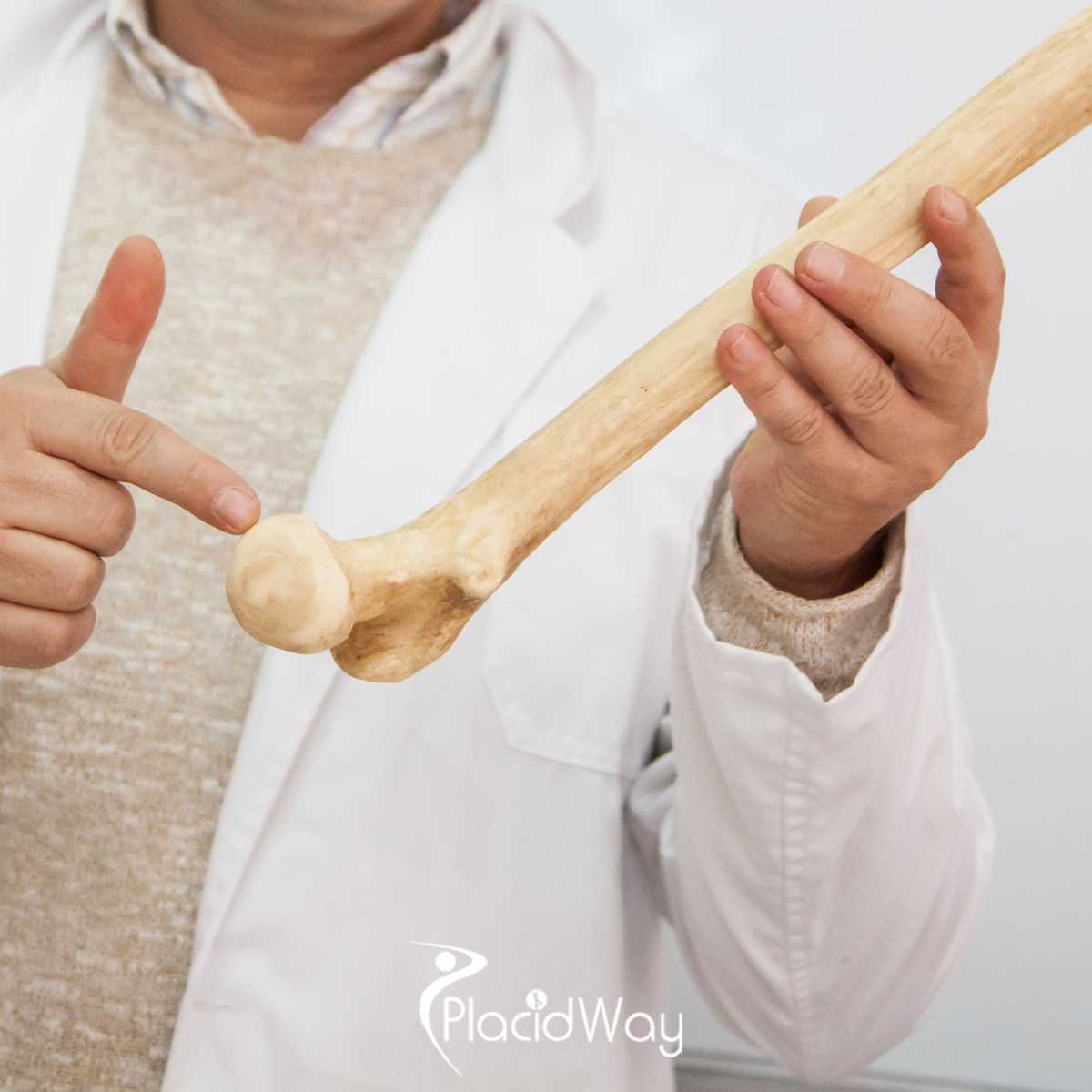
Price starting from $3,271
Bone Marrow Concentrate Joint Package at Dr Kims Clinic in Seoul, South Korea
Dr. Kims Stem Cell Clinic in Seoul, South Korea
- Stem Cell Therapy
Seoul,Gangnam, South Korea
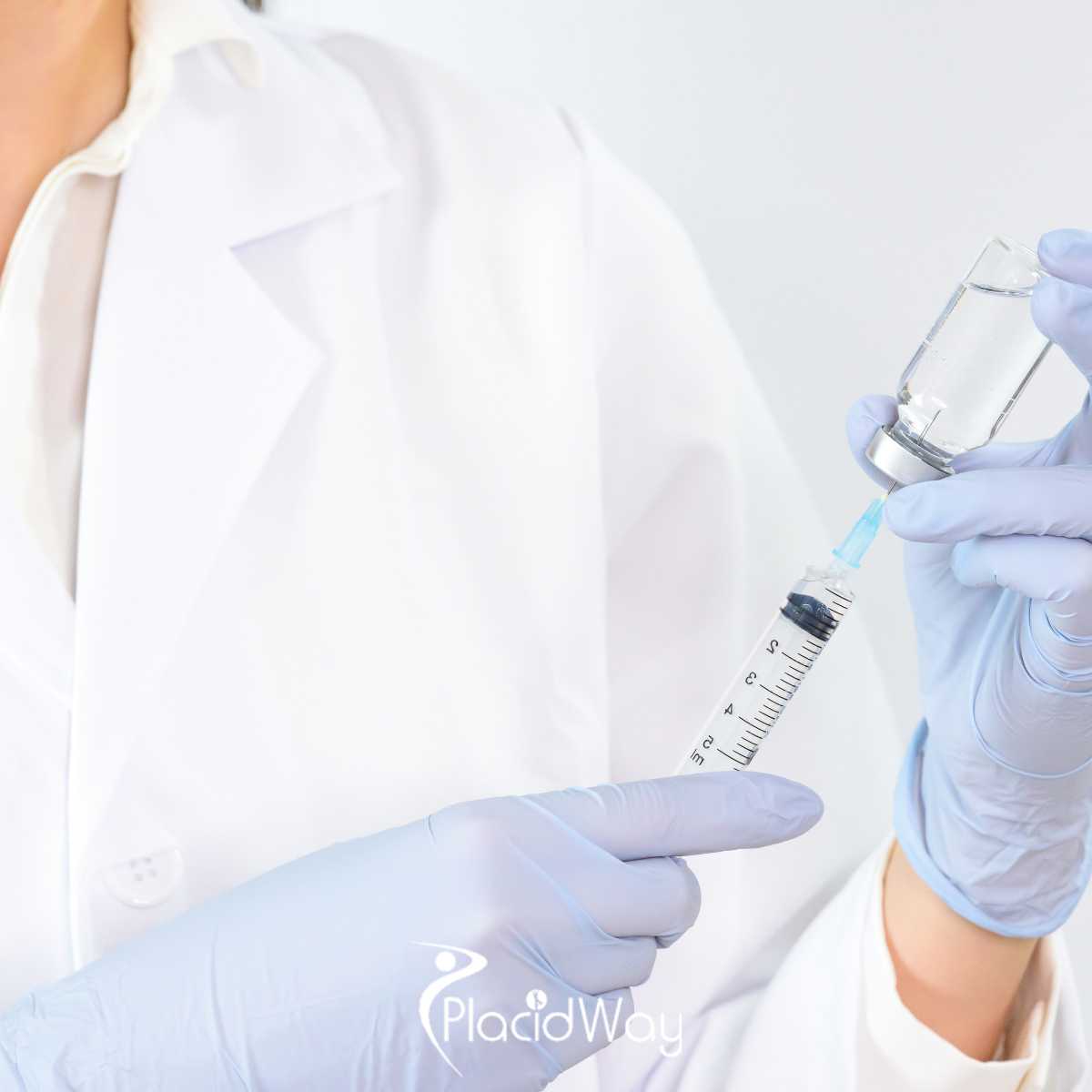
Price starting from $3,866
ImmunCell LC 200 ml Treatment Package at Dr Kims in South Korea
Dr. Kims Stem Cell Clinic in Seoul, South Korea
- Stem Cell Therapy
Seoul,Gangnam, South Korea

Chronic Fatigue Recovery Package at Dr. Kim's Clinic in Seoul, South Korea
Dr. Kims Stem Cell Clinic in Seoul, South Korea
- Stem Cell Therapy
Seoul,Gangnam, South Korea
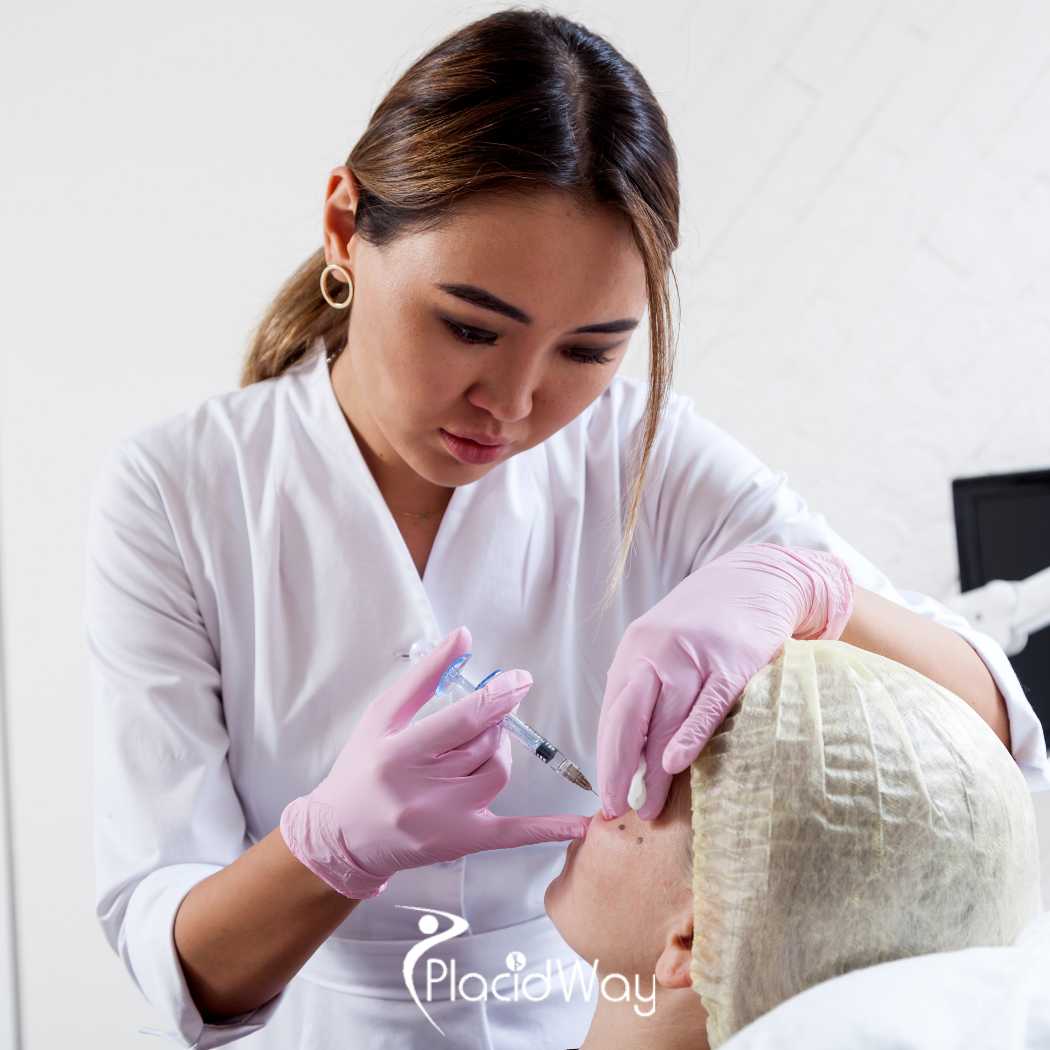
Price starting from $6,200
Stem Cell Therapy Package in Seoul, South Korea by VG Plastic Surgery
VG Plastic Surgery
- Stem Cell Therapy
Seoul, South Korea
Stem Cell Therapy Solutions Near You: Explore Top Medical Centers
Discover how Stem Cell Therapy is transforming lives at leading medical centers in , South Korea. Dive into center profile, specialties, doctors, reviews, etc. and explore the best options tailored to your needs in this region.

MOAMAN Hair Transplant Aesthetic Restoration Clinic
Seoul, South Korea
Dr. Kims Stem Cell Clinic in Seoul, South Korea
Seoul,Gangnam, South Korea
PlacidWay Gangnam Medical Tourism
Gangnam, South Korea








