
What Is Laser Toning in Gangnam?
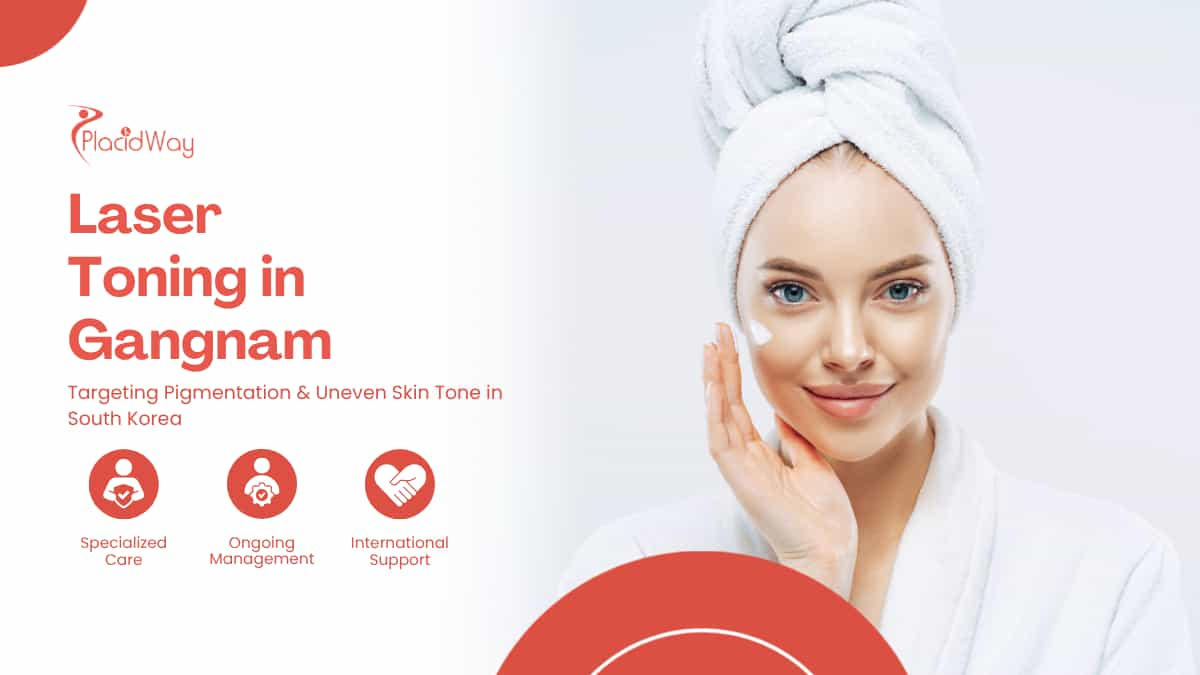
Melasma and chronic pigmentation rarely respond to a single, aggressive intervention. For many individuals, the cycle of trying to erase dark patches often ends in frustration when the pigment stubbornly returns, sometimes darker than before. This phenomenon forces a fundamental shift in how uneven skin tone must be managed, moving away from temporary removal toward long-term stabilization.
When searching for solutions, the reputation of South Korean dermatology frequently enters the conversation. For patients considering laser toning in Gangnam, effective pigmentation treatment is less about finding a “magic” device and more about adopting a careful, individualized approach.
The Central Decision
Are you traveling under the assumption that a single, powerful procedure will permanently erase your pigmentation? Or are you prepared to begin a multi-session, low-energy management strategy that starts in Seoul but must continue continuously when you return home? The answer dictates whether international travel for this condition will be a success or a frustrating expense.
The Core Misunderstanding: Erasing vs. Toning
In many Western cosmetic practices, the traditional approach to sunspots or uneven tone heavily favors aggressive resurfacing. The goal is often to peel away the damaged layers in one or two intense sessions, accepting days of redness, swelling, and peeling as the necessary cost of clarity. While this strategy can be highly effective for superficial sun damage in lighter skin types, it is frequently the exact wrong approach for complex, reactive conditions like melasma or deep post-inflammatory hyperpigmentation.
The concept of "Laser Toning," which has been meticulously refined in South Korea, flips this aggressive model entirely on its head. Instead of blasting the skin with high thermal energy, practitioners utilize extremely low-fluence (low-energy) lasers delivered in multiple, rapid passes. The objective is to gently shatter the pigment particles without triggering an inflammatory alarm response from the surrounding tissue.
| Treatment Approach | Traditional Aggressive Lasers | Low-Fluence Laser Toning |
|---|---|---|
| Energy Strategy | High fluence, designed to rapidly heat and ablate tissue. | Low fluence, specifically designed to avoid thermal damage. |
| Cellular Target | General skin layers and rapid destruction of pigment cells. | Subcellular structures (melanosomes) without destroying the host cell. |
| Inflammation Risk | High. Intentionally triggers a profound wound-healing cascade. | Very low. Intentionally avoids waking up reactive melanocytes. |
| Session Reality | 1 to 3 sessions with significant physical downtime. | 5 to 10+ sessions, often spaced weekly or bi-weekly. |
Understanding this distinction is vital before finalizing an itinerary for cosmetic travel. If you arrive at a Gangnam clinic expecting a single, aggressive session that cures your melasma forever, the actual proposed protocol will likely surprise you. South Korean dermatologists treat stubborn pigmentation much like a chronic medical condition, prioritizing skin barrier health and gradual fading over instant gratification.
This cautious approach is exactly why laser toning is often referred to locally as routine maintenance rather than a definitive surgical intervention. The overarching philosophy dictates that reactive skin must be coaxed into clarity rather than bullied, because traumatized skin almost always fights back by producing more melanin.
The Medical Reality of Rebound Hyperpigmentation
The primary reason laser toning utilizes such low energy is a very real, complex medical complication known as rebound hyperpigmentation. When melanocytes—the cells responsible for producing skin pigment—are subjected to intense heat or trauma, their natural biological defense mechanism is to rapidly manufacture more melanin to protect the skin. This explains why an aggressive chemical peel or high-energy laser might temporarily clear the face, only to leave the patient with much darker, wider patches a month later.
Clinical studies evaluating laser therapies for melasma consistently highlight this delicate energy threshold. Research on low-fluence Q-switched Nd:YAG lasers demonstrates that they can safely modify the ultrastructure of the pigment packet inside the cell without completely destroying the melanocyte itself. By avoiding total cellular destruction, the laser bypasses the inflammatory cascade that typically leads to worsening pigmentation.
Evidence and Uncertainty: The Limits of the Laser
Published research on low-fluence laser therapy indicates that it is generally safe and highly effective for suppressing melasma when performed correctly. However, clinical evidence also confirms that melasma is a chronic, relapsing condition. Even with the most advanced toning protocols in Gangnam, continuous maintenance, strict ultraviolet protection, and often topical melanin inhibitors are required to sustain the results. Laser toning serves as an ongoing management tool, not a permanent biological cure.
Furthermore, overtreating the skin with laser toning carries its own distinct set of risks. If the sessions are too frequent or the accumulated energy becomes too high over time, patients can develop mottled hypopigmentation. This condition presents as small, irreversible white spots where pigment-producing cells have been permanently destroyed, creating a permanently uneven appearance. This specific risk highlights why the clinical restraint of the provider matters just as much as the brand of the machine.
In the highly sophisticated environment of Gangnam, experienced dermatologists constantly adjust their laser settings based on how the skin reacts in real-time during the session. They are watching for minimal clinical endpoints, such as a very slight evening of tone without significant redness. This deeply calibrated restraint is the true value of seeking care from a specialized clinic rather than a high-volume cosmetic assembly line.
Decoding the Technology: What Actually Touches Your Skin
When researching laser toning options overseas, prospective patients encounter a dizzying array of brand names, acronyms, and marketing terms. However, the foundational technology driving these treatments generally falls into two distinct categories based on how fast the laser energy is delivered into the skin. Understanding this fundamental difference helps demystify the complex treatment menus found on international clinic websites.
Both generations of technology aim to break stubborn pigment into smaller, microscopic particles so the body's immune system can naturally metabolize and carry them away. The evolution from older systems to newer platforms is primarily focused on reducing collateral heat damage to the surrounding healthy tissue, as heat is the primary enemy of melasma management.
- Nanosecond Lasers (Q-Switched Nd:YAG): This technology has served as the gold standard for laser toning for over a decade. It delivers energy in nanoseconds (billionths of a second), which is fast enough to shatter pigment while still generating a small, manageable amount of thermal energy. It remains highly effective, deeply researched, and widely available across Seoul.
- Picosecond Lasers: The newer generation of laser platforms delivers energy in picoseconds (trillionths of a second). This ultra-short pulse duration creates a predominantly photomechanical (acoustic) effect rather than a photothermal (heat) effect, offering a theoretical advantage in minimizing inflammation while breaking pigment down into even finer dust.
- Combination Protocols (Dual Toning): Many advanced clinics no longer rely on a single machine. They utilize dual-toning methods, combining different wavelengths or pulse durations in the exact same session to target pigment residing at multiple depths across the dermis and epidermis simultaneously.
While marketing materials heavily favor picosecond technology, frequently claiming much faster clearance and fewer required sessions, the clinical reality is more nuanced. Network meta-analyses comparing various laser therapies for melasma suggest that while picosecond lasers possess an excellent safety profile, the traditional low-fluence Q-switched Nd:YAG remains incredibly reliable, particularly when integrated with topical barrier medications.
Modern clinical consensus increasingly recognizes that treating the visible pigment alone is addressing only half the anatomical problem. Chronic pigmentation often involves structural damage to the skin's basement membrane and an abnormal proliferation of tiny blood vessels that continuously feed the hyperactive melanocytes. Therefore, the most sophisticated clinics in Seoul rarely rely on a single laser in isolation, often combining toning with fractional microneedling radiofrequency to repair the structural dermal microenvironment in the same visit.
The Travel Paradox: Managing a Multi-Week Protocol
The most significant practical tension in traveling to South Korea for laser toning is the unavoidable clash between the medical protocol and the strict boundaries of a travel itinerary. Because effective laser toning relies fundamentally on low-fluence energy, it strictly requires repetition to achieve visible, stable results. A standard corrective protocol for local residents might involve five to ten individual sessions spaced one to two weeks apart.
For a healthcare traveler staying in Seoul for only five or seven days, completing a full traditional toning protocol is physically and biologically impossible. Attempting to cram multiple sessions into a single week violates the core safety principles of the treatment, drastically increasing the risk of thermal accumulation, severe inflammation, and eventual rebound pigmentation.
Navigating the Geography of Pigment Management
Healthcare travelers typically adopt one of three practical strategies when attempting to incorporate laser toning into an international itinerary. Choosing the right path depends entirely on how long you can remain in the country and your capacity to follow up at home:
- The Intensive Kick-Start: The patient receives one or two carefully spaced sessions while in Seoul, heavily supplemented with adjunctive barrier-repair therapies. The primary goal is not complete clearance, but safely disrupting the pigment matrix so a topical regimen can work more effectively once the patient returns home.
- The Extended Stay: For individuals combining medical care with remote work or an extended vacation, committing to a three- or four-week stay allows for a concentrated initial phase of the protocol under the strict supervision of a single, consistent clinical team.
- The Routine Return: Because Seoul is a major travel hub, some patients from neighboring regions treat laser toning as a recurring aspect of their broader travel lifestyle, visiting a trusted clinic every few months for maintenance rather than attempting to force a cure into a single trip.
If you are planning a short visit, it is vital to communicate your exact departure dates during the very first consultation. Ethical clinics will immediately adjust your treatment plan to ensure your safety, perhaps recommending a slightly different technological modality or focusing heavily on strengthening the skin barrier rather than aggressively chasing pigment destruction.
The inherent danger of traveling for cosmetic dermatology is the psychological temptation to ask the doctor to "turn up the power" simply to make the travel expenses feel justified. A responsible, highly trained provider in Gangnam will flatly refuse this request, prioritizing your long-term cellular health over the desire for an immediate, dramatic before-and-after photograph to take on the flight home.
Financial Reality: Deconstructing the $80 to $600 Price Range
When researching potential prices for laser toning in Gangnam, the quoted figures can seem incredibly erratic, frequently ranging from as low as $80 to well over $600 USD. This variance is not simply a matter of luxury branding or neighborhood location; it reflects profound differences in who operates the machine, what specific technology is deployed, and what supplementary care is included in the session.
| Country | Typical Price (USD) | Why Patients Travel From Here |
|---|---|---|
| South Korea (Gangnam) | $80 – $600 | The baseline price referenced throughout this article. |
| Japan | $120 – $800 | Dermatology draws one of the largest single groups of foreign patients to Korea, and Japan is consistently one of the top source countries for laser and skin treatments specifically. |
| China | $100 – $700 | Chinese patients make up the largest share of Korea's dermatology visits; per-session pricing at home runs somewhat above Korea's competitive clinic market. |
| Taiwan | $100 – $650 | Taiwanese patient visits to Korean dermatology clinics have grown sharply in recent reporting, making Taiwan one of the fastest-growing source markets for this category. |
Figures are general market ranges compiled from multiple clinics and medical-travel sources as of 2026; individual quotes vary by clinic, technique, and case complexity.
Understanding this pricing structure requires looking carefully past the initial low numbers often utilized in aggressive promotional materials. An $80 session is almost certainly a single, standalone treatment using a basic, older-generation Q-switched laser, typically situated within a high-volume setting where patients move very rapidly through the facility.
High-Volume Clinic Models
In clinics catering to rapid turnover and immediate availability, basic laser toning is often treated as a routine facial step rather than a complex medical procedure. The price remains highly accessible because the time spent with the physician is deliberately brief. The doctor operates the laser for a few minutes, but all skin preparation, numbing, and basic post-care are handled entirely by aesthetic staff.
Premium Technology and Combination Packages
Prices quickly approach the $300 to $600 mark when the clinic utilizes the latest generation of premium picosecond lasers or intentionally combines the toning with structural modalities like microneedling radiofrequency. These higher-tier packages almost always include extensive consultation time, ultrasound-based diagnostic skin analysis, and customized post-laser therapies utilizing stem cell derivatives or deeply hydrating biomatrices to rapidly calm the tissue.
The Value of Dermatological Expertise
The formal medical qualifications of the practitioner heavily dictate the final cost. In South Korea, many cosmetic aesthetic clinics are operated by general practitioners. Actively seeking treatment from a board-certified dermatologist—a specialist with years of dedicated training in cutaneous pathology—commands a natural premium. In these settings, you are paying primarily for their diagnostic ability to prevent complications like rebound pigmentation, rather than just the rental time on a laser device.
When finalizing your budget for the trip, it is critical to multiply the per-session cost by the number of sessions you actually have time to safely complete. Purchasing a heavily discounted ten-session package may drop the per-session price significantly, but that financial strategy is entirely useless if your flight departs on day seven.
Always clarify exactly what the initially quoted price covers before agreeing to treatment. Ask explicitly whether the advanced diagnostic imaging fee is separate, if the specialized post-laser cooling care is included, and whether any essential prescribed topical medications—such as tranexamic acid serums—are factored into the final bill.
Continuity of Care: What Happens When You Fly Home?
The true challenge of laser toning does not occur within the pristine treatment rooms of Gangnam; it unfolds in the weeks and months after you return to your normal environment. Because melasma and chronic pigmentation are constantly driven by underlying genetics, hormonal shifts, and unavoidable environmental exposure, the skin retains a cellular memory of the pigment. Without a continuous management strategy, the dark patches will inevitably resurface.
Therefore, a successful healthcare journey requires a concrete, realistic plan for continuity of care. The treatments received in Seoul should be viewed solely as the intensive phase of a much longer, ongoing maintenance routine that you must execute diligently in your daily life.
- Strict Ultraviolet Protection: The most flawless, expensive laser toning result can be entirely reversed by a single weekend of unprotected sun exposure. Applying broad-spectrum sunscreen meticulously, alongside physical barriers like hats, is absolutely non-negotiable.
- Tyrosinase Inhibitors: Your South Korean dermatologist will almost certainly recommend or prescribe topical agents that suppress ongoing melanin production. Utilizing ingredients such as topical tranexamic acid, kojic acid, or highly specific modified hydroquinone regimens is necessary to keep the melanocytes in a dormant state.
- Local Maintenance Partnership: If you only completed a brief kick-start protocol in Seoul, you will need to locate a provider in your home country who is comfortable continuing a low-fluence protocol. They must be willing to continue the gentle approach without deviating into aggressive, high-heat treatments that could instantly trigger a rebound.
- Managing Hormonal Triggers: If your pigmentation is intrinsically tied to oral contraceptives, pregnancies, or broader hormonal fluctuations, the laser can only address the visible symptom, not the root cause. Coordination with your general practitioner or gynecologist may be necessary to manage the systemic drivers.
Transitioning to a local provider requires highly accurate, honest communication about exactly what was done abroad. You should leave the Seoul clinic carrying a clear, written record of your precise diagnosis, the specific laser platforms utilized, the wavelength and energy settings applied, and the exact formulations of any topical medications prescribed.
Continuity of care also demands managing your own psychological expectations regarding the healing process. There will inevitably be days when the pigment appears slightly darker, often influenced heavily by ambient heat, emotional stress, or minor localized inflammation. Understanding that pigment management is a long, undulating wave, rather than a perfect straight line of improvement, helps prevent panic and ill-advised, aggressive home treatments.
The Final Decision: Redefining Success
Deciding to pursue laser toning in South Korea requires fundamentally shifting your perspective from finding a permanent cure to establishing an optimal, highly effective management plan. The true value of visiting Gangnam is not the unlikely discovery of a secret, flawless laser that erases time, but rather gaining access to a highly refined clinical philosophy that deeply respects the biological complexity of your skin.
If you are entirely willing to accept that melasma and chronic pigmentation require ongoing, deliberate care, and if you are fully prepared to follow strict maintenance protocols long after your return flight home, then a foundational treatment in Seoul can serve as an incredibly effective catalyst. The decision ultimately rests on whether you are ready to stop aggressively fighting your skin and finally start safely managing it.
Frequently Asked Questions
Is laser toning a painful procedure?
Because laser toning utilizes low-fluence (low-energy) settings, it is generally well-tolerated and much gentler than traditional ablative lasers. Most individuals describe the sensation as a light tingling or a very mild snapping feeling on the skin. Topical numbing cream is occasionally used but is frequently deemed unnecessary depending on the specific protocol.
Can laser toning permanently cure melasma?
No. Melasma is a chronic condition deeply tied to genetics, hormones, and environmental factors. Laser toning acts as a suppressive management tool that can significantly fade the pigmentation and clear the skin, but continuous maintenance and strict sun protection are required to prevent the pigment from returning.
How long does a standard session take in a clinic?
The actual application of the laser typically takes only 10 to 15 minutes. However, a comprehensive clinic visit—including skin cleansing, advanced imaging, physician consultation, the procedure, and post-laser soothing therapies—can easily occupy one to two hours.
Is laser toning safe for darker skin tones?
Yes, laser toning was specifically developed to safely treat pigmentation in Asian and darker skin types (Fitzpatrick types III-V) without triggering inflammation. However, precise calibration by an experienced dermatologist is critical, as using inappropriate energy levels on darker skin significantly increases the risk of rebound hyperpigmentation.
What happens if I am only in Seoul for a short one-week trip?
A standard complete toning protocol requires multiple weeks. If you are on a short trip, ethical clinics will typically provide a kick-start treatment—perhaps combining a careful laser session with barrier-repairing therapies—and equip you with a topical regimen and clinical notes so you can continue a safe maintenance protocol with a provider in your home country.
Navigating the complex options for pigmentation treatment requires careful planning and clear communication with qualified specialists. If you are exploring how a multi-session protocol in Seoul might align with your specific travel timeline and skin concerns, reaching out for more details can help clarify your next steps.
Request More InformationReferences
https://pubmed.ncbi.nlm.nih.gov/39234928/
https://pubmed.ncbi.nlm.nih.gov/38151661/
https://doi.org/10.1111/jocd.12760
https://doi.org/10.1093/jmicro/dfq068
https://doi.org/10.1007/s00403-023-02794-0
https://doi.org/10.4103/JCAS.JCAS_179_18












Share this listing