
What treatment
20+ Most Frequently Asked Questions About Skin Care
Find Clear and Concise Answers to Common Questions About Skin Care
Trusted Medical Tourism Platform Since 2007

Skin and Dermatology in Gangnam, South Korea: Choosing Treatment by Skin Concern
The decision to travel for dermatological care often begins quietly, usually at a bathroom sink, looking past an array of expensive serums that promised to erase the past. For months or even years, you may have treated skincare as a matter of finding the right product, hoping that a new combination of acids or vitamins would finally address persistent acne scars, stubborn melasma, or the gradual thinning of your skin. But eventually, a frustrating realization takes hold: surface treatments can only affect the surface, and the changes you are actually looking for require profound structural intervention. When local medical spa treatments provide temporary or underwhelming results, many patients look to Seoul, South Korea, for advanced options. For those researching skin and dermatology in Gangnam, it is important to look beyond “glass skin” trends and understand the clinical treatments available for specific skin concerns. The Skincare vs. Clinical Dermatology Gap Much of what the world knows as "K-beauty" focuses on at-home barrier maintenance, hydration, and topical cosmetics. In contrast, Gangnam’s medical dermatology ecosystem is built on aggressive diagnostic imaging, energy-based devices (lasers and radiofrequency), and injectable tissue regenerators. You are not traveling to South Korea for a better facial; you are traveling for a highly customized, medically supervised manipulation of your skin's deep structural layers. Moving Past the Surface: The Diagnostic Shift If you are planning a trip to Seoul for dermatological care, the most important mental shift happens before you ever board a flight. The goal is not to browse a menu of lasers and pick the one that sounds the most impressive, nor is it to ask for the exact procedure a celebrity recently endorsed. The foundation of advanced clinical dermatology is matching the specific physical energy of a device to the biological reality of your tissue, a process that requires precise diagnostic mapping. Many patients arrive with a self-diagnosis that is slightly off-center. You might think you have general "sun damage," when you actually have a complex mix of epidermal freckling and dermal melasma, which require entirely different wavelengths of light to treat safely. You might assume your enlarged pores are due to oil production, when they are actually the result of structural skin laxity pulling the pore open as underlying dermal collagen depletes. Visualizing the Unseen: Diagnostic Targets A clinical evaluation in a high-tier Gangnam clinic typically relies on multi-spectral digital skin analysis devices to visualize what the naked eye cannot see. These imaging technologies map several hidden dimensions, including: Dermal pigmentation: Melanin deposits trapped beneath the basement membrane that topical lighteners and superficial chemical peels simply cannot reach. Vascularity: Underlying redness and compromised capillary networks that contribute to chronic inflammation, rosacea, and persistent barrier dysfunction. Porphyrins: Bacterial excretions lodged deep within the sebaceous glands that indicate active or impending acne breakouts. Structural degradation: Areas where underlying collagen and elastin fragmentation have compromised the skin's density and ability to maintain natural hydration. During the consultation phase in South Korea, these images serve as the objective blueprint for your treatment. The physician does not treat the photograph; rather, they use the data to determine the thermal relaxation time of your specific targets, ensuring the laser energy destroys the problem without permanently scarring the surrounding healthy tissue. This highly analytical approach to the skin is why patients with complex, mixed conditions often seek care in this specific medical district. Addressing Pigmentation: The Complexity of Tone Uneven skin tone is perhaps the most common reason individuals seek laser treatments abroad, but "pigmentation" is an umbrella term that hides significant medical complexity. Post-inflammatory hyperpigmentation (the dark marks left behind by acne breakouts), solar lentigines (sun spots), and melasma all look like brown patches on the surface, but they behave radically differently under a laser beam. Treating them identically is a frequent cause of disappointment or, worse, treatment-induced worsening of the condition. Melasma, in particular, is a notoriously difficult condition characterized by hyperactive melanocytes that are easily triggered by heat, hormones, and ultraviolet exposure. In the past, aggressive laser treatments aimed at quickly clearing melasma often backfired, causing the skin to respond to the sudden thermal trauma by producing even more pigment. This clinical phenomenon, known as rebound hyperpigmentation, forced the industry to rethink how energy is delivered to volatile skin types. The Clinical Reality of Melasma Treatment Published clinical research clearly indicates that there is no absolute "cure" or permanent one-and-done laser treatment for melasma. Current dermatological consensus favors careful management over aggressive eradication. In South Korea, protocols frequently utilize low-fluence (low energy) 1064-nm Nd:YAG or Picosecond lasers distributed over multiple sessions. The objective is to gently break up excess melanin without generating enough sustained heat to trigger the surrounding melanocytes into a defensive, pigment-producing overdrive. This is where the technology of Picosecond lasers has fundamentally changed the clinical conversation regarding pigmentation. Unlike traditional Q-switched lasers that deliver energy in nanoseconds (billionths of a second), picosecond devices deliver energy in trillionths of a second. This incredibly rapid pulse relies more on acoustic, mechanical shockwaves—the photoacoustic effect—to shatter pigment particles into dust-like fragments, rather than relying entirely on sustained thermal heat to destroy them. Because picosecond lasers generate significantly less collateral heat in the surrounding tissue, they are broadly considered safer and more effective for treating complex pigmentation, particularly in darker skin types or in patients highly prone to melasma. The shattered pigment is then gradually cleared away by the body's natural immune system over the following weeks, revealing a more uniform skin tone without the severe collateral inflammation associated with older ablative technologies. Addressing Texture: Acne Scars and Structural Remodeling If pigmentation is a matter of targeting unwanted color, treating atrophic acne scars is a matter of profound architectural rebuilding. Scars that leave physical indentations—often medically categorized as rolling, boxcar, or icepick scars—represent areas where severe dermal inflammation destroyed underlying collagen, leaving the surface skin tethered to the deeper tissue without proper structural support. Topicals cannot fill these voids, and surface-level chemical peels cannot reach deeply enough to remodel the hardened fibrotic scar tissue. In modern Gangnam clinics, fractional radiofrequency (RF) microneedling has largely become the standard of care for deeper textual remodeling. This technology effectively bypasses the delicate epidermis by inserting microscopic gold-plated needles directly into the dermis. Once the needles safely reach the targeted depth, they emit a precise, powerful pulse of radiofrequency energy, generating controlled thermal damage strictly in the deeper layers where the scar tissue resides. Rolling Scars Characterized by gentle, undulating depressions in the skin that create a wavy appearance, rolling scars respond well to interventions that release the underlying fibrous bands pulling the skin downward. RF microneedling, often combined with subcision (a physical, needle-based release of the tethered scar underneath the surface), helps build fresh collagen beneath the depression to gradually elevate the floor of the scar. Boxcar Scars These scars feature sharper, more defined vertical edges, resembling a small box stamped into the skin. While RF microneedling vastly improves the overall dermal thickness and collagen support beneath the scar, ablative fractional lasers (such as CO2 or Erbium:YAG) are sometimes carefully layered on the surface to physically vaporize and soften the harsh, abrupt "cliff" edges of the scar into the surrounding healthy skin. Icepick Scars Deep, narrow, and structurally challenging, icepick scars are notoriously difficult to treat with broad energy devices alone because the base of the scar extends far into the dermis. They often require highly targeted chemical reconstruction (such as the TCA CROSS technique) to stimulate localized healing specifically from the base of the scar upward, deployed alongside broad-field RF microneedling to improve overall tissue resilience. Addressing Laxity and Density: The Rise of Biostimulators As the skin ages, the narrative of cosmetic concern often shifts from what is actively present on the surface to what has been quietly lost underneath. Skin laxity, fine lines, and a general loss of structural "bounce" or density are direct consequences of declining fibroblast activity—the cellular machinery responsible for naturally producing collagen, elastin, and hyaluronic acid. For decades, the primary aesthetic response to volume loss was to simply fill the vacant space with cross-linked hyaluronic acid dermal fillers. However, treating skin thinning solely with traditional fillers does not improve the actual physiological health or functional quality of the tissue; it merely inflates it to mimic fullness. South Korean dermatology has heavily championed a paradigm shift away from mere volumization and toward true tissue regeneration using advanced bio-stimulators and customized skin boosters. These are sophisticated injectable compounds designed to chemically signal the body to repair its own extracellular matrix. Matching Injectables to Skin Concerns Injectable Category Primary Active Ingredient Mechanism of Action Best Suited For Polynucleotides (PN) Salmon-derived DNA fragments (e.g., Rejuran) Activates fibroblast repair, significantly reduces inflammation, and promotes vascular healing. Thinning, fragile skin, early signs of aging, and accelerating post-laser recovery. Micro-spheres PDLLA / PLLA (e.g., Juvelook, Sculptra) Triggers mild sub-clinical inflammation that acts as a physical scaffold for robust new collagen growth. Gradual volume restoration, treating deeper crepey skin, and textual improvements. Exosomes Stem cell-derived signaling vesicles (e.g., ASCE+) Delivers potent cellular messengers to drastically reduce inflammation and normalize cell function. Severe redness, compromised barriers, rosacea management, and calming aggressive laser burns. Non-crosslinked HA Pure Hyaluronic Acid + Amino Acids Floods the superficial dermis with intense moisture without adding structural bulk or altering facial shape. Extreme dryness, dullness, and achieving temporary "glass skin" hydration. The integration of polynucleotides represents a significant, widely respected pillar of Korean dermatological practice. Derived from salmon DNA, which shares an exceptionally high biological compatibility with human DNA, polynucleotides are typically injected via micro-droplets across the entire face. Clinical evidence suggests they possess potent anti-inflammatory properties and actively promote the synthesis of new extracellular matrix components, essentially teaching tired, damaged skin how to heal efficiently. Because polynucleotides focus on deep tissue repair rather than sheer volume, they are exceptionally versatile in a clinical setting. In Gangnam, they are frequently administered immediately following an aggressive fractional laser or RF session. The logic here is profoundly clinical: while the laser inflicts the necessary controlled damage to break down old scar tissue, the injected polynucleotides provide the vital cellular building blocks and anti-inflammatory signaling to ensure the tissue heals faster, stronger, and with a significantly reduced risk of post-inflammatory hyperpigmentation. The Destination Reality: The "Stacking" Philosophy Understanding the individual tools is only half the equation; the primary reason patients travel extensively to Gangnam is to access the specific, highly experienced way these tools are combined. In many Western clinical environments, treatments are highly siloed by protocol or device limitation. You might book an appointment for neurotoxins one month, return for a single laser treatment the next, and schedule microneedling later in the year. This phased approach is cautious but artificially extends the timeline for structural improvement. The defining hallmark of a high-tier South Korean dermatology clinic is the customized "stacking" of multiple modalities in a single, comprehensive session. Because dermatologists in this specific district manage an extraordinary volume of complex skin cases, they have developed highly refined protocols for layering different energy devices and injectables safely. A single two-hour appointment might seamlessly integrate three distinct laser wavelengths, an RF microneedling pass, and a customized skin booster injection, followed immediately by targeted cryotherapy to manage the heat. The Anatomy of a Stacked Treatment When undergoing a comprehensive stacked treatment for complex concerns like scarring and pigmentation, the sequence is carefully orchestrated to balance trauma and recovery. A typical clinical progression often includes: Preparation and Numbing: Deep clinical cleansing followed by a medical-grade topical anesthetic cream, often applied under plastic occlusion for 30 to 45 minutes to ensure deep tissue comfort. Pigment Targeting: A low-fluence picosecond laser pass to address surface and dermal melanin without generating excessive, dangerous heat in the tissue. Structural Remodeling: Fractional RF microneedling targeting the deeper dermal layers to physically break down scar tethers and stimulate deep collagen production. Biological Regeneration: The injection of a bio-stimulator, polynucleotide, or exosome serum directly into the freshly treated, highly receptive dermis to accelerate healing. Thermal Regulation: The immediate application of specialized cooling devices, soothing ampoules, and medical alginate modeling masks to aggressively reduce surface temperature and calm clinical erythema. This intense, multi-modal approach also explains the exceptionally broad price range associated with Gangnam clinics, which generally runs from $200 for a straightforward, single-device laser toning session to over $2,000 for a complex, multi-device stacking protocol featuring premium injectables. You are not simply paying for time in a chair; you are paying for the physician's diagnostic ability to balance multiple tissue injuries in a way that remains biologically safe and highly synergistic. It is critical, however, to recognize that stacking treatments purposefully increases the immediate trauma inflicted on the skin. While the specialized cooling techniques utilized in Seoul help mitigate the initial superficial shock, the biological reality of dermal inflammation cannot be entirely bypassed. Your skin will need time, metabolic energy, and meticulous care to recover fully, which immediately impacts how you must plan your travel itinerary. Travel Logistics and the Reality of Recovery Traveling for advanced dermatology requires fundamentally altering how you view your time spent in South Korea. If you envision spending your days casually exploring historic palaces under the midday sun or navigating crowded, humid street-food markets, you must schedule your clinical treatments at the very end of your trip. Advanced laser and microneedling treatments temporarily destroy the skin's protective barrier, leaving it highly vulnerable to environmental damage, infection, and ultraviolet radiation. The immediate post-procedure phase is both visually and physically demanding. Depending on the intensity of the stacked treatment, you may leave the clinic with a face that is bright red, slightly swollen, and dotted with pinpoint bleeding or small injection bumps from skin boosters. This is a perfectly normal, expected clinical response, but navigating a bustling foreign city while actively healing requires practical preparation, a modified schedule, and a high tolerance for temporary aesthetic disruption. Navigating Seoul Post-Treatment (For You and Your Companion) If you are traveling with a caregiver or companion, their role becomes surprisingly important in the days immediately following a major session. They can actively manage the practical logistics while you focus on cellular recovery: UV Avoidance: Strict sun avoidance is medically required after laser treatments to prevent hyperpigmentation. Your companion can help plan indoor activities (museums, indoor malls like COEX, covered cafes) for at least 3 to 5 days. The Mask Protocol: South Korea is highly accustomed to medical masks. Wearing a clean, breathable surgical mask and a wide-brimmed UV hat is socially invisible in Gangnam and will protect your healing skin from urban pollution. Logistical Duty: Your companion may need to handle navigation, secure a taxi via local apps (like KakaoT) to avoid walking in the sun, or pick up pharmacy prescriptions (like steroid creams or antivirals if prescribed) while you rest. Climate Control: Healing skin struggles to regulate its own moisture. Hotel rooms in Seoul can be very dry during winter or heavily air-conditioned in summer. Your companion can help manage your environment by requesting a room humidifier from the concierge. Flight timing is another crucial logistical factor that is often overlooked in healthcare travel planning. Cabin air is exceptionally arid, and the pressurized environment can actively exacerbate post-procedure facial swelling (edema). While most non-ablative laser treatments do not legally or medically restrict you from flying, boarding a 14-hour long-haul flight mere hours after aggressive RF microneedling or deep bio-stimulator injections is a recipe for extreme discomfort and severely compromised barrier healing. Most reputable clinics strongly advise remaining in Seoul for at least three to five days following a comprehensive stacked treatment. This vital buffer period allows the initial swelling to safely subside, gives the microscopic channels created by needles adequate time to close, and provides a critical window for an in-person follow-up appointment. If an unexpected reaction occurs, such as a localized infection or an outbreak of the herpes simplex virus (cold sores triggered by laser stress), you want the prescribing physician physically available to intervene immediately. Returning Home and Continuity of Care Perhaps the most dangerous assumption regarding healthcare travel for dermatology is the belief that a single international trip provides a permanent conclusion to a skin concern. Skin is a living, profoundly dynamic organ continuously subjected to biological aging, internal hormonal fluctuations, and external environmental damage. Even the most advanced, perfectly executed $2,000 stacked treatment in Gangnam is a single powerful intervention, not an irreversible lifelong cure. If your primary goal is to manage melasma, you must accept that the condition will require ongoing, highly disciplined lifelong management. A specialized picosecond laser treatment in Seoul may significantly clear the existing pigment layer, but if you return home and abandon strict daily UV protection or experience a major hormonal shift, the underlying melanocytes will inevitably begin producing pigment again. Your local daily habits absolutely dictate the longevity of your international clinical results. The Timeline of Results Similarly, structural improvements like deep acne scar remodeling or natural collagen stimulation from polynucleotides unfold slowly over many months. You will not see the final aesthetic results of RF microneedling when you board your flight home; cellular collagen synthesis takes anywhere from six to twelve weeks to become visibly apparent. Managing your own expectations requires deeply understanding that the immediate "glow" following a treatment is often temporary tissue swelling that temporarily masks the underlying texture, while the true architectural results require immense patience. The Discharge Protocol: Managing the Home Hand-off To ensure your investment in Seoul translates into safe, long-term improvement at home, you must secure the following before leaving the clinic: Exact Clinical Documentation: Proactively request a digital or physical copy of your treatment record detailing the specific laser wavelengths used, the energy settings (fluence), and the precise injectable volumes administered. Skincare Reintroduction Timeline: Translated instructions regarding exactly when you can safely reintroduce active skincare ingredients, such as retinoids, Vitamin C, or exfoliating acids, which must be strictly avoided while the delicate barrier is compromised. Local Provider Coordination: If you decide to continue your treatment protocol with a local dermatologist in your home country later in the year, having your Seoul documentation is vital for ensuring your ongoing care remains biologically safe and consistent. The Decision Choosing to travel to Gangnam for skin and dermatology treatments means fundamentally shifting your perspective from the superficial to the structural. The true value of the destination is not found in the false promise of instant perfection or the marketing allure of "glass skin" achieved overnight. It is found in the deep, highly concentrated expertise of specialized physicians who navigate the extreme complexities of tissue healing every single day, utilizing sophisticated combinations of technology that remain unavailable or prohibitively isolated elsewhere. The decision ultimately hinges on your willingness to view skin improvement as a deliberate, medically managed process rather than a quick aesthetic fix. If you are fully prepared to trade the simplicity of topical cosmetics for the temporary discomfort, the practical travel logistics, and the ongoing maintenance required by clinical intervention, the clinics of Seoul offer some of the most advanced, evidence-based tools available globally. The journey truly begins when you stop looking for a miracle product and start investing in a precise, personalized clinical plan. Frequently Asked Questions How many days should I plan to stay in Seoul for dermatology treatments? For comprehensive treatments like RF microneedling or multi-laser stacking, plan to stay at least 3 to 5 days post-procedure. This allows time for the initial swelling to reduce, the epidermal barrier to begin closing, and for an in-person follow-up appointment before taking a long-haul flight. Is a single treatment session in Gangnam enough for acne scars? No. While a single session combining RF microneedling and subcision can yield noticeable architectural improvement, most moderate to severe atrophic acne scarring requires a series of 3 to 5 treatments spaced several weeks apart to achieve optimal collagen remodeling. Why are polynucleotides like Rejuran so popular in South Korea? Polynucleotides (derived from salmon DNA) are popular because they act as bio-stimulators, focusing on deep tissue repair and anti-inflammatory signaling rather than just temporarily filling space. They are frequently used to improve skin density and accelerate healing after aggressive laser therapies. Can melasma be permanently cured with Korean lasers? No, melasma cannot be permanently cured, but it can be highly managed. Gangnam clinics typically use low-fluence picosecond or Nd:YAG lasers to gently break up pigment without triggering a heat-based rebound response, but ongoing UV protection and maintenance are required upon returning home. What is the typical price range for dermatology treatments in Gangnam? Prices generally range from $200 for a straightforward, single-modality laser toning session, up to $2,000 or more for complex, customized "stacked" sessions that combine multiple lasers, RF microneedling, and premium injectable bio-stimulators. Ready to Explore Clinical Options? If you are considering traveling to Gangnam for dermatology, requesting information early can help you understand the consultation process, treatment mapping, and travel logistics involved in an international clinical plan. Request Information References https://www.ncbi.nlm.nih.gov/pmc/articles/PMC11656828/ https://www.ncbi.nlm.nih.gov/pmc/articles/PMC10787361/ https://www.ncbi.nlm.nih.gov/pmc/articles/PMC10972620/ https://www.ncbi.nlm.nih.gov/pmc/articles/PMC11295982/ https://www.ncbi.nlm.nih.gov/pmc/articles/PMC11732560/ https://www.ncbi.nlm.nih.gov/pmc/articles/PMC6122511/ https://www.ncbi.nlm.nih.gov/pmc/articles/PMC10899071/ This content is for educational purposes only and is not medical advice. Diagnosis, treatment suitability, risks, recovery, travel timing and outcomes vary by individual and procedure. Decisions should be made with appropriately qualified healthcare professionals after an individual assessment. PlacidWay provides healthcare information and facilitation services and is not the treating physician, clinic or hospital....
Read more details


Laser Toning in Gangnam, South Korea: Pigmentation and Uneven Tone Treatment
Melasma and chronic pigmentation rarely respond to a single, aggressive intervention. For many individuals, the cycle of trying to erase dark patches often ends in frustration when the pigment stubbornly returns, sometimes darker than before. This phenomenon forces a fundamental shift in how uneven skin tone must be managed, moving away from temporary removal toward long-term stabilization. When searching for solutions, the reputation of South Korean dermatology frequently enters the conversation. For patients considering laser toning in Gangnam, effective pigmentation treatment is less about finding a “magic” device and more about adopting a careful, individualized approach. The Central Decision Are you traveling under the assumption that a single, powerful procedure will permanently erase your pigmentation? Or are you prepared to begin a multi-session, low-energy management strategy that starts in Seoul but must continue continuously when you return home? The answer dictates whether international travel for this condition will be a success or a frustrating expense. The Core Misunderstanding: Erasing vs. Toning In many Western cosmetic practices, the traditional approach to sunspots or uneven tone heavily favors aggressive resurfacing. The goal is often to peel away the damaged layers in one or two intense sessions, accepting days of redness, swelling, and peeling as the necessary cost of clarity. While this strategy can be highly effective for superficial sun damage in lighter skin types, it is frequently the exact wrong approach for complex, reactive conditions like melasma or deep post-inflammatory hyperpigmentation. The concept of "Laser Toning," which has been meticulously refined in South Korea, flips this aggressive model entirely on its head. Instead of blasting the skin with high thermal energy, practitioners utilize extremely low-fluence (low-energy) lasers delivered in multiple, rapid passes. The objective is to gently shatter the pigment particles without triggering an inflammatory alarm response from the surrounding tissue. Treatment Approach Traditional Aggressive Lasers Low-Fluence Laser Toning Energy Strategy High fluence, designed to rapidly heat and ablate tissue. Low fluence, specifically designed to avoid thermal damage. Cellular Target General skin layers and rapid destruction of pigment cells. Subcellular structures (melanosomes) without destroying the host cell. Inflammation Risk High. Intentionally triggers a profound wound-healing cascade. Very low. Intentionally avoids waking up reactive melanocytes. Session Reality 1 to 3 sessions with significant physical downtime. 5 to 10+ sessions, often spaced weekly or bi-weekly. Understanding this distinction is vital before finalizing an itinerary for cosmetic travel. If you arrive at a Gangnam clinic expecting a single, aggressive session that cures your melasma forever, the actual proposed protocol will likely surprise you. South Korean dermatologists treat stubborn pigmentation much like a chronic medical condition, prioritizing skin barrier health and gradual fading over instant gratification. This cautious approach is exactly why laser toning is often referred to locally as routine maintenance rather than a definitive surgical intervention. The overarching philosophy dictates that reactive skin must be coaxed into clarity rather than bullied, because traumatized skin almost always fights back by producing more melanin. The Medical Reality of Rebound Hyperpigmentation The primary reason laser toning utilizes such low energy is a very real, complex medical complication known as rebound hyperpigmentation. When melanocytes—the cells responsible for producing skin pigment—are subjected to intense heat or trauma, their natural biological defense mechanism is to rapidly manufacture more melanin to protect the skin. This explains why an aggressive chemical peel or high-energy laser might temporarily clear the face, only to leave the patient with much darker, wider patches a month later. Clinical studies evaluating laser therapies for melasma consistently highlight this delicate energy threshold. Research on low-fluence Q-switched Nd:YAG lasers demonstrates that they can safely modify the ultrastructure of the pigment packet inside the cell without completely destroying the melanocyte itself. By avoiding total cellular destruction, the laser bypasses the inflammatory cascade that typically leads to worsening pigmentation. Evidence and Uncertainty: The Limits of the Laser Published research on low-fluence laser therapy indicates that it is generally safe and highly effective for suppressing melasma when performed correctly. However, clinical evidence also confirms that melasma is a chronic, relapsing condition. Even with the most advanced toning protocols in Gangnam, continuous maintenance, strict ultraviolet protection, and often topical melanin inhibitors are required to sustain the results. Laser toning serves as an ongoing management tool, not a permanent biological cure. Furthermore, overtreating the skin with laser toning carries its own distinct set of risks. If the sessions are too frequent or the accumulated energy becomes too high over time, patients can develop mottled hypopigmentation. This condition presents as small, irreversible white spots where pigment-producing cells have been permanently destroyed, creating a permanently uneven appearance. This specific risk highlights why the clinical restraint of the provider matters just as much as the brand of the machine. In the highly sophisticated environment of Gangnam, experienced dermatologists constantly adjust their laser settings based on how the skin reacts in real-time during the session. They are watching for minimal clinical endpoints, such as a very slight evening of tone without significant redness. This deeply calibrated restraint is the true value of seeking care from a specialized clinic rather than a high-volume cosmetic assembly line. Decoding the Technology: What Actually Touches Your Skin When researching laser toning options overseas, prospective patients encounter a dizzying array of brand names, acronyms, and marketing terms. However, the foundational technology driving these treatments generally falls into two distinct categories based on how fast the laser energy is delivered into the skin. Understanding this fundamental difference helps demystify the complex treatment menus found on international clinic websites. Both generations of technology aim to break stubborn pigment into smaller, microscopic particles so the body's immune system can naturally metabolize and carry them away. The evolution from older systems to newer platforms is primarily focused on reducing collateral heat damage to the surrounding healthy tissue, as heat is the primary enemy of melasma management. Nanosecond Lasers (Q-Switched Nd:YAG): This technology has served as the gold standard for laser toning for over a decade. It delivers energy in nanoseconds (billionths of a second), which is fast enough to shatter pigment while still generating a small, manageable amount of thermal energy. It remains highly effective, deeply researched, and widely available across Seoul. Picosecond Lasers: The newer generation of laser platforms delivers energy in picoseconds (trillionths of a second). This ultra-short pulse duration creates a predominantly photomechanical (acoustic) effect rather than a photothermal (heat) effect, offering a theoretical advantage in minimizing inflammation while breaking pigment down into even finer dust. Combination Protocols (Dual Toning): Many advanced clinics no longer rely on a single machine. They utilize dual-toning methods, combining different wavelengths or pulse durations in the exact same session to target pigment residing at multiple depths across the dermis and epidermis simultaneously. While marketing materials heavily favor picosecond technology, frequently claiming much faster clearance and fewer required sessions, the clinical reality is more nuanced. Network meta-analyses comparing various laser therapies for melasma suggest that while picosecond lasers possess an excellent safety profile, the traditional low-fluence Q-switched Nd:YAG remains incredibly reliable, particularly when integrated with topical barrier medications. Modern clinical consensus increasingly recognizes that treating the visible pigment alone is addressing only half the anatomical problem. Chronic pigmentation often involves structural damage to the skin's basement membrane and an abnormal proliferation of tiny blood vessels that continuously feed the hyperactive melanocytes. Therefore, the most sophisticated clinics in Seoul rarely rely on a single laser in isolation, often combining toning with fractional microneedling radiofrequency to repair the structural dermal microenvironment in the same visit. The Travel Paradox: Managing a Multi-Week Protocol The most significant practical tension in traveling to South Korea for laser toning is the unavoidable clash between the medical protocol and the strict boundaries of a travel itinerary. Because effective laser toning relies fundamentally on low-fluence energy, it strictly requires repetition to achieve visible, stable results. A standard corrective protocol for local residents might involve five to ten individual sessions spaced one to two weeks apart. For a healthcare traveler staying in Seoul for only five or seven days, completing a full traditional toning protocol is physically and biologically impossible. Attempting to cram multiple sessions into a single week violates the core safety principles of the treatment, drastically increasing the risk of thermal accumulation, severe inflammation, and eventual rebound pigmentation. Navigating the Geography of Pigment Management Healthcare travelers typically adopt one of three practical strategies when attempting to incorporate laser toning into an international itinerary. Choosing the right path depends entirely on how long you can remain in the country and your capacity to follow up at home: The Intensive Kick-Start: The patient receives one or two carefully spaced sessions while in Seoul, heavily supplemented with adjunctive barrier-repair therapies. The primary goal is not complete clearance, but safely disrupting the pigment matrix so a topical regimen can work more effectively once the patient returns home. The Extended Stay: For individuals combining medical care with remote work or an extended vacation, committing to a three- or four-week stay allows for a concentrated initial phase of the protocol under the strict supervision of a single, consistent clinical team. The Routine Return: Because Seoul is a major travel hub, some patients from neighboring regions treat laser toning as a recurring aspect of their broader travel lifestyle, visiting a trusted clinic every few months for maintenance rather than attempting to force a cure into a single trip. If you are planning a short visit, it is vital to communicate your exact departure dates during the very first consultation. Ethical clinics will immediately adjust your treatment plan to ensure your safety, perhaps recommending a slightly different technological modality or focusing heavily on strengthening the skin barrier rather than aggressively chasing pigment destruction. The inherent danger of traveling for cosmetic dermatology is the psychological temptation to ask the doctor to "turn up the power" simply to make the travel expenses feel justified. A responsible, highly trained provider in Gangnam will flatly refuse this request, prioritizing your long-term cellular health over the desire for an immediate, dramatic before-and-after photograph to take on the flight home. Financial Reality: Deconstructing the $80 to $600 Price Range When researching potential prices for laser toning in Gangnam, the quoted figures can seem incredibly erratic, frequently ranging from as low as $80 to well over $600 USD. This variance is not simply a matter of luxury branding or neighborhood location; it reflects profound differences in who operates the machine, what specific technology is deployed, and what supplementary care is included in the session. Country Typical Price (USD) Why Patients Travel From Here South Korea (Gangnam) $80 – $600 The baseline price referenced throughout this article. Japan $120 – $800 Dermatology draws one of the largest single groups of foreign patients to Korea, and Japan is consistently one of the top source countries for laser and skin treatments specifically. China $100 – $700 Chinese patients make up the largest share of Korea's dermatology visits; per-session pricing at home runs somewhat above Korea's competitive clinic market. Taiwan $100 – $650 Taiwanese patient visits to Korean dermatology clinics have grown sharply in recent reporting, making Taiwan one of the fastest-growing source markets for this category. Figures are general market ranges compiled from multiple clinics and medical-travel sources as of 2026; individual quotes vary by clinic, technique, and case complexity. Understanding this pricing structure requires looking carefully past the initial low numbers often utilized in aggressive promotional materials. An $80 session is almost certainly a single, standalone treatment using a basic, older-generation Q-switched laser, typically situated within a high-volume setting where patients move very rapidly through the facility. High-Volume Clinic Models In clinics catering to rapid turnover and immediate availability, basic laser toning is often treated as a routine facial step rather than a complex medical procedure. The price remains highly accessible because the time spent with the physician is deliberately brief. The doctor operates the laser for a few minutes, but all skin preparation, numbing, and basic post-care are handled entirely by aesthetic staff. Premium Technology and Combination Packages Prices quickly approach the $300 to $600 mark when the clinic utilizes the latest generation of premium picosecond lasers or intentionally combines the toning with structural modalities like microneedling radiofrequency. These higher-tier packages almost always include extensive consultation time, ultrasound-based diagnostic skin analysis, and customized post-laser therapies utilizing stem cell derivatives or deeply hydrating biomatrices to rapidly calm the tissue. The Value of Dermatological Expertise The formal medical qualifications of the practitioner heavily dictate the final cost. In South Korea, many cosmetic aesthetic clinics are operated by general practitioners. Actively seeking treatment from a board-certified dermatologist—a specialist with years of dedicated training in cutaneous pathology—commands a natural premium. In these settings, you are paying primarily for their diagnostic ability to prevent complications like rebound pigmentation, rather than just the rental time on a laser device. When finalizing your budget for the trip, it is critical to multiply the per-session cost by the number of sessions you actually have time to safely complete. Purchasing a heavily discounted ten-session package may drop the per-session price significantly, but that financial strategy is entirely useless if your flight departs on day seven. Always clarify exactly what the initially quoted price covers before agreeing to treatment. Ask explicitly whether the advanced diagnostic imaging fee is separate, if the specialized post-laser cooling care is included, and whether any essential prescribed topical medications—such as tranexamic acid serums—are factored into the final bill. Continuity of Care: What Happens When You Fly Home? The true challenge of laser toning does not occur within the pristine treatment rooms of Gangnam; it unfolds in the weeks and months after you return to your normal environment. Because melasma and chronic pigmentation are constantly driven by underlying genetics, hormonal shifts, and unavoidable environmental exposure, the skin retains a cellular memory of the pigment. Without a continuous management strategy, the dark patches will inevitably resurface. Therefore, a successful healthcare journey requires a concrete, realistic plan for continuity of care. The treatments received in Seoul should be viewed solely as the intensive phase of a much longer, ongoing maintenance routine that you must execute diligently in your daily life. Strict Ultraviolet Protection: The most flawless, expensive laser toning result can be entirely reversed by a single weekend of unprotected sun exposure. Applying broad-spectrum sunscreen meticulously, alongside physical barriers like hats, is absolutely non-negotiable. Tyrosinase Inhibitors: Your South Korean dermatologist will almost certainly recommend or prescribe topical agents that suppress ongoing melanin production. Utilizing ingredients such as topical tranexamic acid, kojic acid, or highly specific modified hydroquinone regimens is necessary to keep the melanocytes in a dormant state. Local Maintenance Partnership: If you only completed a brief kick-start protocol in Seoul, you will need to locate a provider in your home country who is comfortable continuing a low-fluence protocol. They must be willing to continue the gentle approach without deviating into aggressive, high-heat treatments that could instantly trigger a rebound. Managing Hormonal Triggers: If your pigmentation is intrinsically tied to oral contraceptives, pregnancies, or broader hormonal fluctuations, the laser can only address the visible symptom, not the root cause. Coordination with your general practitioner or gynecologist may be necessary to manage the systemic drivers. Transitioning to a local provider requires highly accurate, honest communication about exactly what was done abroad. You should leave the Seoul clinic carrying a clear, written record of your precise diagnosis, the specific laser platforms utilized, the wavelength and energy settings applied, and the exact formulations of any topical medications prescribed. Continuity of care also demands managing your own psychological expectations regarding the healing process. There will inevitably be days when the pigment appears slightly darker, often influenced heavily by ambient heat, emotional stress, or minor localized inflammation. Understanding that pigment management is a long, undulating wave, rather than a perfect straight line of improvement, helps prevent panic and ill-advised, aggressive home treatments. The Final Decision: Redefining Success Deciding to pursue laser toning in South Korea requires fundamentally shifting your perspective from finding a permanent cure to establishing an optimal, highly effective management plan. The true value of visiting Gangnam is not the unlikely discovery of a secret, flawless laser that erases time, but rather gaining access to a highly refined clinical philosophy that deeply respects the biological complexity of your skin. If you are entirely willing to accept that melasma and chronic pigmentation require ongoing, deliberate care, and if you are fully prepared to follow strict maintenance protocols long after your return flight home, then a foundational treatment in Seoul can serve as an incredibly effective catalyst. The decision ultimately rests on whether you are ready to stop aggressively fighting your skin and finally start safely managing it. Frequently Asked Questions Is laser toning a painful procedure? Because laser toning utilizes low-fluence (low-energy) settings, it is generally well-tolerated and much gentler than traditional ablative lasers. Most individuals describe the sensation as a light tingling or a very mild snapping feeling on the skin. Topical numbing cream is occasionally used but is frequently deemed unnecessary depending on the specific protocol. Can laser toning permanently cure melasma? No. Melasma is a chronic condition deeply tied to genetics, hormones, and environmental factors. Laser toning acts as a suppressive management tool that can significantly fade the pigmentation and clear the skin, but continuous maintenance and strict sun protection are required to prevent the pigment from returning. How long does a standard session take in a clinic? The actual application of the laser typically takes only 10 to 15 minutes. However, a comprehensive clinic visit—including skin cleansing, advanced imaging, physician consultation, the procedure, and post-laser soothing therapies—can easily occupy one to two hours. Is laser toning safe for darker skin tones? Yes, laser toning was specifically developed to safely treat pigmentation in Asian and darker skin types (Fitzpatrick types III-V) without triggering inflammation. However, precise calibration by an experienced dermatologist is critical, as using inappropriate energy levels on darker skin significantly increases the risk of rebound hyperpigmentation. What happens if I am only in Seoul for a short one-week trip? A standard complete toning protocol requires multiple weeks. If you are on a short trip, ethical clinics will typically provide a kick-start treatment—perhaps combining a careful laser session with barrier-repairing therapies—and equip you with a topical regimen and clinical notes so you can continue a safe maintenance protocol with a provider in your home country. Navigating the complex options for pigmentation treatment requires careful planning and clear communication with qualified specialists. If you are exploring how a multi-session protocol in Seoul might align with your specific travel timeline and skin concerns, reaching out for more details can help clarify your next steps. Request More Information References https://pubmed.ncbi.nlm.nih.gov/39234928/ https://pubmed.ncbi.nlm.nih.gov/38151661/ https://doi.org/10.1111/jocd.12760 https://doi.org/10.1093/jmicro/dfq068 https://doi.org/10.1007/s00403-023-02794-0 https://doi.org/10.4103/JCAS.JCAS_179_18 This content is for educational purposes only and is not medical advice. Diagnosis, treatment suitability, risks, recovery, travel timing and outcomes vary by individual and procedure. Decisions should be made with appropriately qualified healthcare professionals after an individual assessment. PlacidWay provides healthcare information and facilitation services and is not the treating physician, clinic or hospital....
Read more details
Microneedling in Gangnam, South Korea: Pores, Texture and Shallow Acne Scars
For many people, the frustration with skin texture does not happen overnight. It usually begins in front of a magnifying mirror, accompanied by the realization that despite a meticulously curated cabinet of acids, retinoids, and serums, the surface of the skin remains persistently uneven. Whether the concern involves lingering acne scars or enlarged pores, skincare products eventually reach their limits. At this point, microneedling in Gangnam offers an approach focused on stimulating the underlying dermal tissue rather than simply treating the skin’s surface. The Core Decision Tension You may be realizing that over-the-counter exfoliants only polish the roof of the skin, while fibrotic scars and stretched pores exist deep in the foundation. The decision is no longer about finding a better cream, but whether you are genuinely ready to introduce controlled physical injury to force the skin to rebuild itself. This physiological reality inevitably leads to comparing local aesthetic clinics with international destinations like Seoul. In Gangnam, microneedling is frequently combined with advanced biologic "boosters" that may be less common or considerably more expensive back home, fundamentally changing the procedural value proposition. The Anatomical Limit of Topical Skincare To understand why microneedling—medically known as percutaneous collagen induction—enters the conversation, it helps to look at how different texture issues actually form beneath the surface. The human skin is a highly efficient, multi-layered barrier designed specifically to keep environmental elements out, which is exactly why it is so difficult to treat deep structural damage using creams that merely sit on the stratum corneum. When a severe acne lesion heals, the intense inflammation often destroys the surrounding healthy collagen network. As the body frantically attempts to patch the resulting dermal wound, it lays down rigid, fibrous tissue that pulls the surface of the skin downward, creating the visible shadows and divots known as atrophic scars. Similarly, as natural collagen degrades with chronic sun exposure or intrinsic aging, the structural support walls around individual pores begin to sag, making them appear permanently widened. Why the Skin Needs a Physical Signal Topical ingredients like hyaluronic acid and peptides are excellent for surface hydration, but their molecular weight is often far too large to penetrate the outermost dead layer of skin. Even powerful prescription retinoids, which successfully communicate with cellular receptors to speed up epidermal turnover, cannot sever the rigid fibrotic bands that anchor deep acne scars to the underlying tissue. Microneedling bypasses this epidermal barrier mechanically, forcing a biological reset. By stamping microscopic needles into the dermis, the treatment creates thousands of temporary micro-channels, achieving distinct mechanical goals that topical creams simply cannot replicate: The Wound Healing Cascade: The localized micro-injuries trick the body into believing it has sustained trauma. The immune system rushes blood, growth factors, and fibroblasts to the area, eventually replacing old, disorganized scar tissue with a fresh matrix of Type I and Type III collagen. Breaking Fibrotic Tethers: The physical penetration of the sterile needles mechanically severs the rigid collagen bundles that pull atrophic scars downward. Releasing this tethered tension allows the skin surface to gradually rise closer to the surrounding tissue level. A Delivery Superhighway: The newly formed micro-channels remain open for a very brief window, typically closing within minutes to hours. This temporary permeability allows targeted topical biologic solutions to bypass the protective epidermis and enter the deeper dermis directly. The Gangnam Variable: Why Seoul Enters the Search Microneedling itself is neither a new invention nor exclusive to South Korean dermatology. Devices like the Dermapen, SkinPen, and various motorized stamping rollers are widely available in almost every major city globally. If a patient's goal is simply to receive a standard, standalone mechanical microneedling session, traveling across an ocean rarely makes logistical or financial sense. The district of Gangnam enters the international patient research journey primarily because of how South Korean aesthetic clinics leverage the "delivery superhighway" concept mentioned above. In Seoul, microneedling is almost never treated as an isolated physical procedure; instead, it is highly protocolized as an active delivery vehicle for advanced regenerative solutions collectively referred to in the market as "skin boosters." The Clinical Variable Standard Western Approach Typical Gangnam Protocol Primary Glide Serum Often basic hyaluronic acid simply to allow the device to glide, occasionally utilizing PRP (Platelet-Rich Plasma). Highly specialized biologics like ASCE+ Exosomes, Poly-D,L-Lactic Acid (Juvelook), or Polynucleotides (Rejuran). Focus of Treatment The mechanical injury itself is heavily emphasized as the main therapeutic event for collagen induction. The mechanical injury is viewed equally as a critical pathway to deliver powerful regenerative cellular signals. Device Preference Mechanical pens are standard; RF microneedling is available but often commands a significant premium markup. High integration of diverse, localized RF microneedling devices (Sylfirm X, Potenza) tailored to specific skin depths. Because the aesthetic market in South Korea is fiercely competitive and rapidly adopts new domestic biomedical technologies, treatments that are considered luxury upgrades elsewhere are frequently positioned as baseline standards in Gangnam. For international patients dealing with stubborn, long-standing texture issues, this combination of advanced localized technology and intensive topical protocols can make the geography a highly relevant factor. However, understanding this landscape requires carefully separating marketing terminology from the actual clinical science happening in the dermis. The term "skin booster" sounds universally beneficial, but different formulas target very different biological mechanisms, and choosing the wrong solution for a specific scar type can lead to underwhelming results. Deconstructing the "Skin Booster" Phenomenon When a clinic in Seoul proposes adding a specialized ampoule or solution to a microneedling session, they are generally referring to one of three major scientific categories. The clinical choice depends entirely on whether the primary goal is calming active inflammation, restoring deep dermal hydration, or rebuilding structural volume beneath an atrophic scar. Exosomes have recently become one of the most widely discussed additions in regenerative dermatology. These are microscopic extracellular vesicles—essentially cellular messengers—derived primarily from stem cells. Published dermatological research reports that when exosomes are applied immediately after microneedling, they may help regulate the local inflammatory response, potentially speeding up recovery timelines and enhancing overall collagen synthesis compared to mechanical needling alone. Exosomes (ASCE+) Best suited for active dermal inflammation, prolonged redness, and improving the overall cellular environment. They act as signals telling older, damaged skin cells to behave like younger ones, though they do not physically fill structural space. Polynucleotides (Rejuran) Derived from purified salmon DNA, these robust fragments are recognized for deep hydration and tissue repair. They are frequently utilized for compromised skin barriers, fine lines, and restoring a reflective quality to dull, exhausted skin. Collagen Stimulators (Juvelook) A sophisticated hybrid of hyaluronic acid and Poly-D,L-Lactic Acid (PDLLA). This option is often selected when shallow rolling acne scars require a subtle, gradual volume increase alongside the physical texture refinement of the needle. Mapping the Modalities: Mechanical Needles vs. Radiofrequency Beyond deciding what specialized biologic is applied to the skin, patients must navigate the actual needle delivery devices themselves. The initial confusion for many international travelers often stems from clinics offering both standard "MTS" (Microneedle Therapy System) and Radiofrequency (RF) Microneedling. These are completely distinct modalities that carry different price points, significantly different recovery timelines, and distinct risk profiles. Standard mechanical needling relies purely on the physical trauma of cold, sterile steel. A motorized pen rapidly stamps the skin at highly adjustable depths, usually ranging from 0.5mm to 2.5mm depending on the target area and scar severity. This approach remains highly effective for surface-level textural irregularities, pore refinement, and mild rolling acne scars, and is widely documented in clinical literature as a generally safe option across most skin types. The Addition of Dermal Thermal Energy Radiofrequency microneedling changes the biological equation by deliberately introducing localized heat. The needles physically penetrate the skin, but once they reach their programmed target depth in the dermis, they emit a precise burst of radiofrequency energy. This creates controlled thermal coagulation zones beneath the surface, while intentionally leaving the visible top layer of the epidermis relatively intact and cool. This dual-action trauma forces a much more aggressive remodeling of the deep dermal collagen network. For patients presenting with deep boxcar scars, noticeable skin laxity that contributes to structurally enlarged pores, or thicker sebaceous tissue that has completely ignored traditional mechanical needling, RF devices offer a dramatically stronger clinical intervention. Common RF Devices Found in Gangnam Clinics Sylfirm X: Utilizes a highly unique pulsed wave mode designed specifically to target abnormal blood vessels and basement membrane dysfunction. It is frequently chosen for patients who suffer from both atrophic texture issues and underlying chronic redness or melasma. Potenza: Features specialized "tiger tip" needles that release RF energy at multiple depths simultaneously during a single insertion. It is highly customizable for varying scar depths across different topographical areas of the face. Secret RF / Infini: Traditional clinical powerhouses for deep dermal remodeling, often favored for distinct, stubborn acne scarring where significant thermal collagen contraction is actively required to lift the scar floor. Evidence, Uncertainty, and the Reality of Acne Scars A common and highly frustrating misunderstanding at the beginning of this journey is the expectation that a single advanced procedure will act like a magic eraser. Clinical studies repeatedly demonstrate that while percutaneous collagen induction is highly effective for dermal remodeling, the biological results are strictly cumulative. Significant, visible improvement in established atrophic acne scars typically requires a dedicated series of three to six sessions, usually spaced roughly four to six weeks apart to accommodate the natural collagen synthesis cycle. Furthermore, different morphological scar types respond vastly differently to the same needle. Shallow boxcar scars and rolling scars—which feature gently sloping edges—tend to show the most visible and rapid improvement from both mechanical and RF microneedling. Conversely, deep "ice pick" scars, which are very narrow but extend far down into the deep dermis, often require complementary chemical techniques, such as TCA CROSS, to address their depth before microneedling can effectively smooth the surrounding visible terrain. Evidence Callout: Navigating Skin Tone Risks For patients with Fitzpatrick Skin Types IV through VI (olive, brown, and deeply pigmented skin), aggressive thermal treatments carry a material risk of triggering melasma or Post-Inflammatory Hyperpigmentation (PIH). Research indicates that standard mechanical microneedling is generally well-tolerated across diverse skin types, but the addition of radiofrequency requires a highly experienced provider who understands how to carefully calibrate energy delivery to avoid excessive surface heat. If you are prone to hyperpigmentation, a responsible clinic may proactively advise pretreatment with topical pigment suppressants for several weeks before your arrival. Alternatively, they may steer you away from RF entirely in favor of cold mechanical needling paired with calming exosomes to minimize melanocyte agitation. The Absolute Necessity of Sun Avoidance Regardless of the specific device utilized, the compromised skin barrier is exceptionally vulnerable to ultraviolet radiation in the immediate days following treatment. Sun exposure during this fragile inflammatory phase drastically increases the likelihood of long-term pigmentation issues. Because topical sunscreens containing chemical filters can severely irritate the open micro-channels, physical barrier protection—such as broad-brimmed hats, dense facial masks, and strictly avoiding daylight hours outdoors—becomes a non-negotiable aspect of the early recovery protocol. This strict requirement heavily influences how an international patient must schedule their broader travel itinerary. Integrating the Treatment into a South Korean Travel Reality Geography fundamentally changes the logistical reality of cosmetic dermatology. The low end of the price spectrum frequently advertised in Gangnam (often around $150 USD) usually represents a quick, high-turnover mechanical MTS session designed for local residents on their lunch break. The higher end of the spectrum ($500+ USD) typically involves targeted RF needling, advanced booster ampoules, and specialized post-care calming regimens designed specifically to accelerate the healing of highly traumatized tissue. If you are already traveling to Seoul for business, tourism, or a broader suite of aesthetic procedures, integrating a skin texture treatment makes logical sense. However, planning this requires acknowledging the immediate physical aftermath of the procedure. Your face will likely resemble a severe, throbbing sunburn for 24 to 72 hours, accompanied by minor pinpoint bleeding and significant localized swelling. Navigating Seoul Post-Treatment You cannot simply walk out of a high-intensity clinic in Gangnam and immediately spend the afternoon exploring Gyeongbokgung Palace or shopping the outdoor streets of Myeongdong under the midday sun. Practical adjustments include: Environmental Control: The skin barrier is intentionally compromised, making it highly susceptible to both infection and severe UV damage. Patients must strictly avoid the popular Korean jjimjilbangs (public saunas), heated environments, and excessive sweating until the micro-channels have completely sealed. Public Transit Reality: Navigating the sprawling Seoul subway system during the first two days often requires wearing a large, breathable surgical mask and a hat. Fortunately, the local culture in South Korea is highly accustomed to seeing individuals in public actively recovering from dermatological procedures, minimizing the social stigma often felt in Western cities. Post-Care Access: Seoul boasts incredible access to specialized post-procedure skincare. Pharmacies and ubiquitous stores like Olive Young carry a vast array of sterile Cica (Centella Asiatica) creams, which clinics frequently recommend to soothe the intense heat and repair the damaged barrier in the hotel room. The Problem of Continuity of Care Perhaps the single most critical variable when considering international travel for microneedling is the continuity of care. Because meaningful, structural collagen remodeling requires a series of treatments over several months, a single isolated session in Seoul will not miraculously cure moderate to severe acne scarring. It may provide a highly noticeable improvement in overall skin radiance, temporary tightness, and minor surface texture, but it is fundamentally only the first step in a biological journey. Patients must deliberately decide whether they are willing and able to return to South Korea for subsequent required sessions, or if they plan to use the advanced Gangnam experience as a high-intensity kickstart before transitioning to maintenance sessions with a trusted provider back home. If choosing the latter, it is vital to leave the Korean clinic with a clear, translated medical record of the exact device used, the specific needle depths achieved, and the precise biologic formulations applied, so your local dermatologist deeply understands your newly established baseline. The Caregiver and Companion Reality If you are traveling with a partner, family member, or friend, their itinerary will also be affected by your recovery window. Useful planning items for companions include: The patient will likely need to avoid heavy sweating, direct UV exposure, and potentially harsh weather for several days. Companions should expect to schedule indoor, relaxed activities (like visiting the National Museum of Korea, indoor cafes, or the expansive COEX mall) rather than strenuous mountain hikes or outdoor tours. The patient may need practical physical assistance ensuring hotel pillowcases are freshly changed daily to prevent opportunistic infections. If a long flight occurs within days of the treatment, the companion may need to help strictly manage a sanitized regimen of clinic-approved barrier creams to protect against the extremely dry, recycled cabin air. The Decision: Framing the Next Step in Skin Remodeling Deciding whether to purposefully pursue microneedling—and whether to execute that decision in South Korea—ultimately requires untangling what you actually expect from the procedure. If a patient believes their deeply scarred skin will become completely flawless after a single session, the hard reality of human biology and the strict necessity of multiple treatments will invariably lead to disappointment, regardless of whether the procedure is performed in a local suburb or in Gangnam. However, if you recognize that your skin has reached the absolute limit of what topical serums and chemical exfoliants can achieve, and you are fully ready to engage in a controlled, multi-stage structural remodeling process, the decision becomes one of technology access and specialized expertise. Seoul offers a highly unique aesthetic ecosystem where powerful RF devices and advanced regenerative biologics are integrated seamlessly into everyday clinical protocols. For some international travelers, adding this level of refined technological intervention to an existing travel itinerary offers a highly compelling combination of value and specialized expertise. For others, the strict biological necessity of multiple, spaced-out treatments makes committing to a trusted, localized provider the far more practical and sustainable choice. Ultimately, the best structural outcome relies not just on the sharpness of the needle or the prestige of the clinic, but on a crystal-clear understanding of the complex, months-long collagen remodeling process that inevitably follows the trauma. Frequently Asked Questions Why is microneedling often paired with exosomes in South Korea? Exosomes are cellular messengers derived primarily from stem cells that may help regulate inflammation and promote tissue regeneration. Many clinics in Gangnam apply them immediately after microneedling because the temporary micro-channels allow these biologics to easily bypass the epidermis. This deeper dermal penetration can potentially accelerate the healing process and enhance overall collagen production compared to standard dry needling. What is the practical difference between standard and RF microneedling? Standard microneedling uses cold, rapid needle punctures to create pure mechanical trauma and stimulate collagen response. Radiofrequency (RF) microneedling involves specialized needles that physically emit targeted heat energy once they reach their precise depth in the skin. The added thermal heat causes much more intense dermal coagulation, making it generally more effective for deep scars and skin laxity, but it inherently carries a distinctly different risk profile for post-inflammatory hyperpigmentation. Can one intensive session permanently remove my acne scars? No, an isolated session cannot permanently erase severe textural issues. Collagen remodeling is a complex biological process that inherently takes significant time and cumulative physiological effort. Clinical studies consistently show that significant, lasting improvement in atrophic acne scars usually requires a dedicated series of three to six sessions, allowing the tissue to rebuild itself structurally between each intervention. Is it safe to fly immediately after a strong microneedling treatment? While you are generally medically cleared to board a commercial flight, it is far from ideal for the skin's biological recovery. The intensive treatment severely compromises the skin barrier, making the healing tissue highly sensitive to the extremely dry, pathogen-recycled air circulating in an airplane cabin. If you must fly shortly after a deep treatment, you will need to apply strict, clinic-approved barrier creams and remain exceptionally diligent about facial hydration and hand hygiene. Does microneedling pose unique risks for darker skin tones? Standard mechanical microneedling is often considered safer for darker skin types than traditional ablative lasers specifically because it largely leaves the visible surface of the epidermis intact. However, there is still a very real risk of post-inflammatory hyperpigmentation (PIH) during the healing phase. This pigmentation risk increases significantly if excessive thermal heat is used (such as with aggressive RF settings) or if the compromised skin is exposed to UV radiation without extreme physical protection. What does the advertised quoted price range usually include? A lower price point in Seoul (often around $150 USD) typically reflects a quick, baseline mechanical microneedling session utilizing standard hyaluronic acid glide serums. Significantly higher price points ($500 USD or more) usually indicate the integrated use of specialized RF devices (like Sylfirm X or Potenza), the active addition of premium regenerative biologic boosters (such as ASCE+ exosomes or Rejuran), and highly comprehensive post-care soothing protocols designed to accelerate recovery. Request Information & Compare Providers References https://pubmed.ncbi.nlm.nih.gov/29424939/ https://pubmed.ncbi.nlm.nih.gov/24725354/ https://pubmed.ncbi.nlm.nih.gov/32777169/ https://pubmed.ncbi.nlm.nih.gov/26814448/ https://pubmed.ncbi.nlm.nih.gov/36314867/ https://pubmed.ncbi.nlm.nih.gov/26085695/ https://pubmed.ncbi.nlm.nih.gov/31518012/ This content is for educational purposes only and is not medical advice. Diagnosis, treatment suitability, risks, recovery, travel timing and outcomes vary by individual and procedure. Decisions should be made with appropriately qualified healthcare professionals after an individual assessment. PlacidWay provides healthcare information and facilitation services and is not the treating physician, clinic or hospital....
Read more detailsDiscover your treatment options with a free, no-obligation quote!
Get your quote now!
Aqua Peel or HydraFacial in Gangnam, South Korea: Quick Skin Refresh for Travelers
After a long-haul flight, abrupt changes in humidity, and the disruption of a standard travel schedule, skin rarely looks or feels its best. Many visitors arrive in South Korea hoping to tap into the country's famous aesthetic dermatology culture, seeking the clear, intensely hydrated complexion often associated with Seoul. However, stepping into a busy, fast-paced clinic in the Gangnam district presents an immediate challenge: the treatment menus are vast, highly technical, and completely overwhelming for a first-time patient. For travelers seeking a noticeable refresh without significant downtime, the choice often comes down to two popular options: an Aqua Peel or HydraFacial. Aqua Peel in Gangnam is a common Korean clinic treatment, while HydraFacial offers a globally recognized alternative. Understanding how each treatment works can help you choose the right option for your itinerary. The Underlying Goal Both treatments aim to clear congestion, remove dead cellular buildup, and infuse the skin with deep hydration without requiring clinical downtime. The Primary Trade-off Patients must decide whether to invest in the globally standardized predictability of a patented brand or utilize the highly effective, customizable local standard. The Impact of Travel on the Skin Barrier Traveling to South Korea typically involves long-haul aviation where airplane cabin humidity can drop to extremely arid levels. This artificial environment rapidly accelerates transepidermal water loss, a physiological process where the skin’s natural moisture evaporates into the dry surrounding air. As the skin loses its essential water content, the protective barrier function becomes compromised, leading to a microscopic buildup of dead skin cells as the body desperately tries to defend its underlying tissue. By the time travelers arrive in Gangnam and settle into their accommodations, they are often dealing with a frustrating combination of severe dehydration and an overproduction of surface sebum, which the skin pumps out to compensate for the dryness. Attempting to fix this sudden imbalance with heavy hotel moisturizers usually only traps the dead cells and oxidized sebum, leading to breakouts and a dull texture. This specific cascade of travel-induced skin stress is exactly why seeking out a professional, medical-grade exfoliation treatment becomes a high priority for so many international visitors. Transepidermal Water Loss (TEWL): The rapid depletion of moisture from the outermost skin layers due to dry airplane cabins, leaving the face feeling tight and structurally fragile. Compensatory Sebum Production: The sebaceous glands overreact to the dry environment by producing excess oil, which becomes trapped under dehydrated dead skin cells. Micro-pollution Accumulation: Exposure to new urban environments, including seasonal fine dust (PM2.5) in Seoul, which settles deeply into the pores and accelerates free radical damage. Circadian Disruption: Jet lag interrupts the skin's natural overnight regenerative cycle, significantly slowing down the cellular turnover required for a glowing, healthy complexion. What is Hydradermabrasion? The Shift from Scrubbing to Suction Historically, dermatological exfoliation relied heavily on aggressive mechanical scrubbing to smooth the skin's surface. Older microdermabrasion techniques utilized a wand coated in crushed diamond dust or a high-pressure stream of aluminum oxide crystals to physically sand away the top layer of dead skin. While effective for some resilient skin types, this dry, abrasive approach often triggered unwanted inflammation, microscopic epidermal tears, and post-procedure redness—which is the absolute last thing a traveler wants when they have a full itinerary of sightseeing and photography. Hydradermabrasion represents a major, sophisticated evolutionary step in aesthetic clinical technology. Instead of relying on dry friction, it uses fluid dynamics and localized vacuum pressure to achieve a deeper but substantially gentler cleanse. The motorized handpiece acts as a tightly controlled closed-loop system; it shoots a targeted stream of medicated liquid onto the skin while simultaneously vacuuming it back up along with the loosened debris. This constant fluid buffer softens the stratum corneum, allowing the suction to extract hardened sebum from the pores without dragging, pulling, or scratching the delicate facial tissue. Clinical Evidence: Epidermal Changes and Hydradermabrasion The structural benefits of hydradermabrasion are well-documented in peer-reviewed dermatological literature. A 2024 study utilizing Line-Field Confocal Optical Coherence Tomography (LC-OCT)—an advanced, non-invasive imaging technique—demonstrated that hydradermabrasion causes immediate, measurable improvements to the skin's anatomy. Researchers noted an initial healthy decrease in the thickness of the dead cellular layer, followed by an overall improvement in the homogenization of the stratum corneum and a visible reduction in epidermal undulations. Furthermore, earlier foundational studies emphasize that the pneumatic serum application actively increases the skin's polyphenolic antioxidant levels, validating it as a true nonablative rejuvenation therapy. The Biochemical Engine: AHAs and BHAs The mechanical suction of a hydradermabrasion device is only half of the functional equation. The real clinical efficacy comes from the highly specific chemical solutions that are pumped through the device and onto the skin. These chemical exfoliants do the heavy lifting of breaking down cellular debris before the vacuum ever attempts to extract it, ensuring the process remains frictionless. Alpha-Hydroxy Acids (AHAs): Ingredients like lactic acid and glycolic acid are water-soluble molecules that operate entirely on the skin's surface. They chemically dissolve the desmosomes—the microscopic bonds that hold dull, dead skin cells together—allowing them to be swept away easily to reveal a brighter tone. Beta-Hydroxy Acids (BHAs): Salicylic acid is the most common BHA utilized in these treatments and is unique because it is oil-soluble. This critical feature allows the molecule to bypass the skin's surface lipids and dive directly into the sebaceous glands to break down hardened sebum and stubborn blackheads. Nutrient Infusion: Once the pores are completely cleared of physical and chemical blockages, the skin becomes highly receptive to topical nutrients. The final step of the protocol floods the newly cleared tissue with concentrated hyaluronic acid, firming peptides, and calming botanical extracts to lock in moisture. The Gangnam Clinic Experience: Efficiency and Technology For a traveler experiencing a South Korean dermatology clinic for the first time, the operational style and atmosphere can be quite surprising. Western spa facials generally focus heavily on relaxation, featuring prolonged manual massages, dim ambient lighting, and a slow, leisurely pace. In stark contrast, dermatology clinics in Gangnam operate on a highly streamlined medical-aesthetic model that prioritizes clinical safety, advanced technological precision, and extreme time efficiency. When you walk into a reputable clinic in Seoul, you are entering an environment explicitly designed for busy local professionals and tightly scheduled international visitors. You will typically consult with an English-speaking coordinator or a board-certified dermatologist who will assess your current barrier health and recommend the appropriate device-driven protocol. The treatment itself is performed in a brilliantly lit, pristine clinical room, and the provider's focus is entirely on delivering active ingredients into the skin as effectively as possible so that you can immediately return to your day. Traveler Reality: The Self-Cleansing Powder Room One highly unique aspect of the Gangnam clinic experience is the widespread use of the self-cleansing room. Unlike a traditional Western spa where an aesthetician removes your makeup and sunscreen while you recline on the treatment bed, many Korean clinics feature a dedicated, beautifully appointed powder room. Patients are expected to wash their own faces using a selection of clinic-provided, medical-grade cleansers, safely store their belongings in a digital locker, and proceed to the treatment room with a bare face. This method drastically streamlines the clinic's workflow and ensures that your paid clinical time is spent entirely on the active hydradermabrasion procedure itself, rather than basic makeup removal. The Local Staple: Understanding the Aqua Peel The Aqua Peel is deeply and permanently ingrained in South Korean daily skincare culture. It is offered in nearly every dermatology and aesthetic clinic across the country, from ultra-luxurious centers in Cheongdam to fast-paced, high-volume clinics near Gangnam Station. Because the underlying technology is not strictly tied to a single international patent, these clinics utilize various high-quality hydradermabrasion devices manufactured by specialized domestic Korean medical companies. This lack of exclusive brand-name licensing is precisely why the Aqua Peel remains so financially accessible for both locals and tourists. The exfoliating solutions used during the treatment are formulated by advanced Korean cosmetic chemistry laboratories, utilizing the exact same core AHA and BHA scientific principles. For local Seoul residents, the Aqua Peel is rarely viewed as a special luxury event; rather, it is a routine, essential maintenance step performed every few weeks to manage urban pollution buildup and optimally prepare the skin for heavier interventions like ultrasound lifting. The Global Standard: Understanding the HydraFacial While the Aqua Peel perfectly represents local Korean efficiency, the HydraFacial represents strict, unwavering global standardization. The HydraFacial Company is a specific corporate entity that holds international patents on its highly recognizable "Vortex-Fusion" tip technology. When a clinic in Gangnam proudly offers a HydraFacial, they have imported the exact same mechanical device and the exact same single-use proprietary serum vials that are utilized by top dermatologists in Beverly Hills, London, or Dubai. The powerful appeal of the HydraFacial for an anxious traveler lies in its absolute, undeniable predictability. If you have a highly reactive or sensitive skin barrier, and you already know for a fact that your face tolerates the HydraFacial's specific patented blend of glucosamine, lactic acid, and proprietary antioxidants, you can confidently book the treatment abroad without fear of an unexpected reaction. You are knowingly paying a financial premium for the profound peace of mind that the clinical protocol will not deviate in the slightest from what you have safely experienced back home. Feature Focus The Aqua Peel The HydraFacial Technology Source Various domestic South Korean medical device manufacturers. One patented, globally standardized device from The HydraFacial Company. Tip Design Standard rotating or radial suction tips optimized for fluid delivery. Patented "Vortex-Fusion" spiral tip designed to create a specific fluid vortex. Serum Formulations Customizable AHA/BHA blends sourced from Korean cosmetic labs. Proprietary, pre-packaged vials (Activ-4™, Beta-HD™, Antiox+™). Predictability Results depend slightly on the specific clinic's chosen machine and serum brand. Identical experience and formula regardless of what country you are in. Deconstructing the Price Range: $150 to $500 When researching aesthetic clinics in Gangnam, international patients will quickly notice a surprisingly wide pricing spectrum for hydradermabrasion services. The lower end of this scale, hovering around $150, typically covers a standard, standalone Aqua Peel procedure without any additional clinical bells and whistles. However, as the quoted price moves closer to the $500 mark, it often indicates that the treatment has been substantially upgraded into a comprehensive, multi-step dermatological package, or that the patient has specifically chosen the premium-priced HydraFacial. Country Typical Price (USD) Why Patients Travel From Here South Korea (Gangnam) $150 – $500 The baseline price referenced throughout this article. Japan $200 – $650 A common single-session add-on for Japanese patients already in Korea for other dermatology or cosmetic treatments. China $180 – $600 Widely available in China at a moderate premium over Korea's clinic pricing. Taiwan $180 – $580 Popular as a quick refresh treatment among Taiwanese short-stay medical travelers. Figures are general market ranges compiled from multiple clinics and medical-travel sources as of 2026; individual quotes vary by clinic, technique, and case complexity. Clinics in South Korea rarely prefer to perform just the basic suction step and immediately send a patient home. They culturally and clinically excel at "stacking" complementary treatments to dramatically calm the skin and maximize the final glowing effect. If you are quoted a price in the higher range, you should absolutely ask the clinic coordinator or your translator exactly what additional restorative modalities are included in the session before agreeing to the cost. LDM (Local Dynamic Micro-massage): A highly popular dual-frequency ultrasound device that visibly reduces inflammation, stimulates deep collagen production, and painlessly pushes hydrating serums deeper into the dermis than topical application alone. Cryocell Therapy: An advanced electromigration device that utilizes freezing temperatures to rapidly soothe freshly exfoliated skin, constrict superficial blood vessels to reduce redness, and securely lock in the active ampoules applied after the peeling step. LED Phototherapy: The application of medical-grade light panels that utilize specific, targeted wavelengths—usually blue light to target acne-causing bacteria or red light to speed up cellular healing—while the patient rests comfortably on the treatment bed. Modeling Masks: The definitive, highly anticipated end to almost every Korean clinical facial treatment. This thick, algae-based powder is mixed with water to form a dense, rubbery paste that drastically cools the face, creating an occlusive barrier that forces all underlying serums deep into the skin. The Travel Companion: Navigating the Clinic Together If you are traveling through Seoul with a partner, friend, or family member who is not receiving a major surgical procedure, scheduling a hydradermabrasion appointment is incredibly easy to seamlessly accommodate. Because the treatment involves absolutely zero sedation, relies purely on topical solutions, and requires no physical recovery support whatsoever, your companion's day will not be heavily disrupted or burdened by your clinic visit. Most major dermatology clinics operating in Gangnam feature large, highly comfortable waiting lounges equipped with high-speed Wi-Fi, complimentary beverages, and charging stations. Because an Aqua Peel or HydraFacial typically takes well under an hour from start to finish, your companion can comfortably relax in the lobby and plan the rest of the day's itinerary. Alternatively, because these specific treatments are strictly non-invasive and relatively quick, many travel companions end up spontaneously booking a session for themselves once they observe the affordable local pricing and the minimal time commitment required. Companion Planning Questions Can we book treatments at the same time? Yes, volume-based clinics in Gangnam typically have multiple devices and practitioners available, making simultaneous companion bookings very common if requested in advance. Is there any immediate post-care required from the companion? None at all. The patient will walk out of the clinic fully capable of navigating the subway, carrying bags, and continuing with normal travel activities immediately. Should the companion hold onto passports and payment? The patient will have access to a secure digital locker for their belongings during the treatment, so the companion does not need to act as a secure bag-holder. Post-Treatment Reality: Protecting the Results in Seoul One of the greatest, most celebrated benefits of any form of hydradermabrasion is the complete lack of clinical downtime required. You typically will not experience the severe peeling, crusting scabs, or intense persistent redness that is frequently associated with more aggressive dermatological lasers. You can apply your normal makeup immediately in the clinic's powder room and confidently walk right out the front door to a crowded cafe or a busy shopping mall without drawing any unusual attention. However, it is crucial to remember that your skin barrier is temporarily thinner and devoid of its usual protective layer of dead cells, which means it requires careful, deliberate management as you navigate the city. The two biggest environmental threats to your freshly exfoliated, vulnerable skin in Seoul are direct ultraviolet light exposure and intense urban pollution. Because your pores have just been deeply cleaned and chemically exfoliated, exposing them to city smog without a robust protective layer of skincare can easily lead to immediate congestion and irritation, entirely defeating the purpose of your appointment. Travel Precaution: Sun Exposure and Active Ingredients AHAs and BHAs inherently increase the skin's photosensitivity. If your immediate travel itinerary involves visiting the expansive Gyeongbokgung Palace, walking through the sunlit Bukchon Hanok Village, or spending several hours exploring outdoor markets, high-quality sun protection is strictly non-negotiable. You must apply a broad-spectrum SPF 30 or higher and diligently reapply it throughout the day. Furthermore, you must purposefully pause any prescription retinoids, acne-focused benzoyl peroxide, or strong vitamin C serums stored in your travel toiletry bag for at least three to five days post-treatment. Applying these aggressive actives over newly exfoliated skin can trigger chemical burns or severe barrier irritation. Making the Final Decision Choosing between an Aqua Peel and a HydraFacial during your visit to Seoul ultimately comes down to an honest assessment of your personal travel priorities and your existing familiarity with the treatments. Neither option is inherently superior or clinically deficient; they simply cater to entirely different preferences regarding budget flexibility, outcome predictability, and the desire for a localized cultural experience. Both systems brilliantly utilize the proven dermatological mechanism of hydradermabrasion to swiftly clear travel congestion and actively infuse much-needed moisture back into a depleted barrier. If your primary priority is experiencing authentic South Korean clinical culture, effectively stretching your travel budget, and enjoying customized add-ons like modeling masks and soothing ultrasound therapy, the Aqua Peel is an exceptionally smart choice. It reliably delivers the essential mechanical and chemical exfoliation required to rapidly clear travel-congested skin. If, however, you deeply value global brand consistency, have a history of highly reactive skin, and want the exact patented serum infusions you implicitly trust from your home country, investing the extra money in a HydraFacial provides unwavering certainty. Either way, thoughtfully integrating this low-risk, high-reward aesthetic treatment into your Gangnam itinerary is a highly effective method to restore your skin's health and secure a luminous result for the remainder of your travels. Frequently Asked Questions How long do the results of an Aqua Peel or HydraFacial last? The immediate glow and intense hydration typically last for 5 to 7 days, making it ideal for event preparation or refreshing travel-weary skin. Long-term improvements in pore congestion and texture require consistent treatments every 3 to 4 weeks. Can I fly immediately after receiving hydradermabrasion? Yes, it is entirely safe to board a flight immediately after either treatment. However, because airplane cabins are extremely dry, you should apply a heavy ceramide-based moisturizer or sleep mask during the flight to lock in the serums infused during your clinic visit. Will these treatments help with active, inflamed acne? Hydradermabrasion is excellent for clearing blackheads and mild congestion. However, if you have severe, active cystic acne, the mechanical suction may irritate the inflamed lesions. A dermatologist in Gangnam will evaluate your skin and may suggest a milder chemical peel or laser therapy instead. Is an Aqua Peel painful compared to traditional extractions? No, it is significantly less painful. Traditional manual extractions involve forcefully pinching the skin, whereas the Aqua Peel relies on chemical softeners and gentle, continuous fluid vacuum pressure. Most patients describe it as a light scratching or tugging sensation. Do I need to stop using retinol before my clinic appointment in Seoul? Yes, it is highly recommended to pause any prescription retinoids or strong over-the-counter retinol serums prior to your clinic appointment. Stopping these actives at least three to five days before your hydradermabrasion treatment helps prevent excessive barrier sensitivity and potential irritation. Ready to Plan Your Skincare Journey? Connect with dermatology clinics in Gangnam to clarify treatment protocols, compare package options, and find the right fit for your travel itinerary. Request Information References https://pubmed.ncbi.nlm.nih.gov/38558475/ https://pubmed.ncbi.nlm.nih.gov/36569524/ https://pubmed.ncbi.nlm.nih.gov/19146604/ https://www.ncbi.nlm.nih.gov/books/NBK547752/ https://www.ncbi.nlm.nih.gov/books/NBK535383/ This content is for educational purposes only and is not medical advice. Diagnosis, treatment suitability, risks, recovery, travel timing and outcomes vary by individual and procedure. Decisions should be made with appropriately qualified healthcare professionals after an individual assessment. PlacidWay provides healthcare information and facilitation services and is not the treating physician, clinic or hospital....
Read more details
Toning Injections in Gangnam, South Korea: Brightening Injection Uses and Limits
When topical serums stop delivering results, the mirror can become a source of daily frustration. For many people dealing with stubborn melasma, post-inflammatory hyperpigmentation, or general skin dullness, the morning routine feels like a losing battle against time, hormonal shifts, and historical sun exposure. The emotional weight of hiding uneven skin tone often drives a relentless search for stronger, more definitive clinical interventions that can finally clear the canvas. This search for a deeper solution frequently points toward South Korea, where toning injections in Gangnam and skin boosters are common aesthetic treatments. However, understanding what these injections can realistically achieve requires looking beyond marketing and considering pigment production, skin healing, and the limits of modern dermatology. Decoding the "Toning Injection" The term "toning injection" is rarely a single, standardized medical product manufactured by one specific pharmaceutical company. Instead, it is a broad umbrella phrase used by aesthetic clinics to describe various intradermal micro-injections designed to target pigment, improve internal hydration, or accelerate cellular repair at the dermal level. Rather than acting as a chemical bleach that strips the skin of its natural color, these specialized treatments aim to regulate how the skin produces and distributes melanin while simultaneously repairing the underlying dermal barrier. Depending on a patient's specific presentation, a clinic in Gangnam may recommend a tailored cocktail of active ingredients rather than relying on a universal, one-size-fits-all formula. Understanding why these intradermal injections are utilized requires looking at where pigmentation actually lives within the structural layers of the skin. Over-the-counter brightening serums primarily treat the superficial epidermis, gently turning over the topmost layer of dead cells to reveal a fresher, temporarily brighter surface. Epidermal Versus Dermal Pigmentation Severe melasma and deep sun damage are rooted much deeper, anchored in the dermal layers where topical creams struggle to penetrate effectively. Toning injections bypass the surface barrier entirely, delivering active compounds directly to the melanocytes—the cells responsible for producing pigment—and surrounding the structural tissue with a high concentration of therapeutic ingredients. This direct delivery system is what sets clinical treatments apart from at-home skincare routines, allowing dermatologists to intervene exactly where the dysfunction is occurring. Furthermore, by mechanically breaching the skin with micro-needles, the injection process itself stimulates a mild wound-healing response. This dual action—chemical regulation combined with mechanical collagen stimulation—encourages the dermis to rebuild a healthier, more resilient structure capable of defending against future environmental damage. Active Ingredient Primary Target Medical Evidence Context Tranexamic Acid Melasma & Stubborn Pigment Clinical studies indicate that intradermal injections actively reduce melasma severity, though recurrence is common if localized maintenance is halted. Polynucleotides (e.g., Rejuran) Structural Repair & Barrier Health Sourced from salmon DNA, evidence supports improvements in elasticity, hydration, and microcirculation, fostering a healthier environment for cellular turnover. Non-Crosslinked HA (e.g., NCTF) Dullness & Superficial Fine Lines Deeply hydrates the dermis and improves visible radiance; commonly blended with amino acids and vitamins to support cellular metabolic function. Glutathione Antioxidant Support Topical and localized intradermal uses show mild brightening effects; intravenous (IV) systemic use remains highly debated regarding long-term safety. The Medical Mechanics: How These Boosters Actually Work The efficacy of any skin booster depends entirely on the active molecules being introduced into the dermis and how they interact with the skin's biological processes. Tranexamic acid, originally developed to reduce surgical bleeding, has become a frontline treatment for melasma because it actively interferes with the plasminogen-plasmin pathway. This specific biological pathway is known to trigger excess melanin production after ultraviolet exposure, meaning the injection works by essentially interrupting the cellular distress signal before pigment is manufactured. Meanwhile, polynucleotides focus less on direct pigment suppression and more on fundamental tissue regeneration and structural repair. By repairing the damaged basement membrane and improving microcirculation, these DNA fragments create a healthier cellular environment where irregular pigmentation struggles to take hold. When the physical barrier between the epidermis and dermis is strong, pigment cells are less likely to "drop" deeper into the skin, preventing the formation of stubborn, hard-to-treat dermal melasma. Evidence Check: The Glutathione Controversy While glutathione is widely marketed as the ultimate skin-lightening agent, its safety depends heavily on how it is administered. Localized intradermal and topical applications have demonstrated moderate brightening effects with a reasonable safety profile in published research. However, high-dose intravenous (IV) glutathione—often marketed as "Cinderella drips"—lacks robust clinical efficacy data for lasting skin lightening and has been associated with serious systemic adverse events, including liver dysfunction and anaphylaxis. Medical consensus strongly cautions against relying on unverified IV infusions for purely aesthetic outcomes. The Boundaries of Brightening: Why Melasma Returns The desire for a permanent, one-time cure to hyperpigmentation often clashes with dermatological reality. Melasma and sun damage are chronic, complex conditions influenced by ongoing hormonal fluctuations, inevitable ultraviolet exposure, and deeply ingrained genetic predispositions. While intradermal toning injections can significantly fade visible pigment and restore a luminous quality to the skin, they do not permanently turn off the skin's biological capacity to produce melanin. Clinical reality dictates that these interventions are an active management strategy rather than a final, absolute cure. Clinical trials evaluating intradermal tranexamic acid injections frequently demonstrate a rapid and measurable reduction in melasma severity scores during the active treatment phase. Patients often report that their dark patches visibly lighten, and their overall skin tone becomes markedly more uniform within just a few weeks of their initial sessions. Understanding Melasma Recurrence However, these same dermatological studies commonly note that pigment often begins to return within several months if localized maintenance therapy and strict sun protection are not rigorously continued. This recurrence highlights the essential truth of skin brightening: achieving the initial result is only half the battle; defending it requires daily, ongoing commitment. Without a robust post-treatment strategy, the melanocytes will inevitably resume their baseline behavior the moment they are provoked by sunlight or hormonal changes. For patients traveling internationally for these therapies, this means acknowledging that the flawless results seen upon returning home are a temporary peak rather than a permanent new baseline. Building a long-term relationship with a local dermatologist to manage the chronic nature of the condition is just as important as selecting the right clinic in Gangnam for the initial intervention. Realistic Decision Check If you are seeking a procedure that allows you to stop wearing sunscreen or abandon your daily skincare routine, toning injections will not provide that freedom. They are a catalyst for healthier skin function, not a replacement for fundamental daily protection. Those unwilling to commit to strict, ongoing ultraviolet defense will likely see their investment fade rapidly. Why Gangnam Changes the Dermatology Experience Seoul’s Gangnam district is recognized globally for its high-volume aesthetic clinics, rapid technological adoption, and highly competitive pricing structures, with session costs generally ranging from $150 to $500. But the geographic advantage is not about accessing a secret, magical serum unavailable elsewhere in the world. The true differentiator in South Korean dermatology clinics is the sophisticated treatment protocol and the sheer volume of cases practitioners see daily, which allows them to refine their techniques and combined approaches. Rather than offering a single, isolated injection, Gangnam dermatologists typically layer multiple complementary treatments within a single session to maximize efficacy and address pigment at multiple depths simultaneously. This comprehensive approach recognizes that pigmentation is rarely an isolated issue; it is usually accompanied by dehydration, compromised skin barriers, and generalized cellular aging that must all be treated together. The Layered South Korean Protocol Preparation: Gentle vacuum-based exfoliation (such as an Aqua Peel) clears congested pores and removes dead surface cells, allowing better light penetration for subsequent lasers. Laser Toning: A low-fluence Pico or Nd:YAG laser targets superficial epidermal pigment without generating excessive heat, which could accidentally trigger further melasma. Micro-Injection: The specific toning cocktail (tranexamic acid, hyaluronic acid, or polynucleotides) is delivered directly into the dermis for deeper cellular repair. Cooling and Soothing: Cryotherapy, modeling masks, or LED light therapy are immediately applied to reduce inflammation and seal the skin before the patient leaves the clinic. The Consultation Reality in South Korea Arriving at a clinic in South Korea introduces a highly structured evaluation process that begins long before any needles touch the skin. Advanced imaging systems are routinely used to reveal hidden ultraviolet damage, vascular inflammation, and dermal pigment that has not yet surfaced to the naked eye. This objective data allows the treating physician to customize the injection cocktail, but it can also be a confronting experience for a patient who thought their sun damage was relatively mild. During this consultation, having clear communication—often facilitated by a clinic-provided medical interpreter—is vital to ensure that the proposed treatment aligns with your personal tolerance for downtime and travel realities. A critical part of this discussion will revolve around how the booster is physically delivered into the skin, as clinics typically offer a choice between manual injection by the physician or application via an automated mesotherapy device. Manual Physician Injection Injections performed by hand allow the dermatologist to precisely target stubborn, irregular patches of pigment or deep wrinkles. While highly customized, this method can be more uncomfortable and depends entirely on the individual practitioner's skill, patience, and physical technique. Automated Injector Devices Mesotherapy devices (injector guns) use multi-needle heads and light vacuum suction to deliver precise doses of the product at a uniform depth. This method significantly reduces overall discomfort and ensures even distribution across the entire face, though it lacks bespoke targeting for specific dark spots. Navigating the Recovery: The "Embossing" Effect A widespread misunderstanding about non-surgical skin boosters is that the patient leaves the clinic looking immediately radiant and ready for a major social event. In reality, intradermal injections leave the skin covered in small, raised bumps resembling an array of mosquito bites, a temporary physical side effect that requires careful itinerary scheduling. This phenomenon, known as "embossing," occurs because the hyaluronic acid and active brightening agents are deposited just beneath the skin's surface and take time to fully integrate into the surrounding tissue. If you are traveling to Seoul for business, a wedding, or heavy outdoor sightseeing, timing the procedure correctly is critical to avoiding visible downtime during important moments. Depending on the viscosity of the injected product and the patient's individual metabolic rate, these bumps typically take anywhere from 24 to 72 hours to completely flatten out. During this window, the skin may also exhibit mild pinpoint bruising, making it obvious that a clinical procedure was recently performed. Post-Treatment Travel Realities Visible Downtime: The embossed bumps and mild pinpoint redness typically last 24 to 72 hours, meaning photography-heavy tourism should be scheduled prior to the clinic visit. Flying Risks: It is generally safe to board a flight the day after treatment, but cabin air is intensely dry. Clinically approved, heavy barrier moisturizers are necessary to protect the healing skin in transit. Sun Exposure: Walking around Seoul post-treatment requires rigorous ultraviolet protection. Wide-brimmed hats, breathable face masks, and strict SPF reapplication are mandatory to prevent triggering a new cycle of pigmentation. The Companion’s Perspective: Waiting and Adapting If someone is accompanying you to Seoul, they should understand that a clinic visit for comprehensive skin boosters is rarely a brief, in-and-out stop. Between the initial skin analysis, translation, application of topical numbing cream, the actual layered procedure, and post-treatment cooling masks, a single appointment can easily consume a half-day. This means your companion will likely spend several hours in a waiting room, which requires its own level of planning and patience. Furthermore, your travel companion may need to actively adjust the shared itinerary to accommodate your immediate recovery requirements. You will need to avoid excessive heat, direct sun exposure, and strenuous outdoor sightseeing for the first few days, which might shift the focus of the trip toward indoor cultural sites, museums, or covered shopping districts. Their willingness to adapt to these sudden physical limitations can significantly reduce the stress of recovering in a foreign city. Practical Support for the Traveling Companion Help navigate to the local pharmacy to retrieve any prescribed soothing creams, sterile gauze, or gentle cleansers immediately after the clinic visit. Carry extra sun protection, such as a UV-blocking umbrella or wide-brimmed hat, as the patient's skin will be highly photosensitive in the initial 48 hours. Plan dining options that do not involve intense ambient heat or steam, meaning a temporary pause on open-flame Korean BBQ restaurants or traditional heated saunas (jjimjilbangs). Continuity of Care: What Happens When You Return Home? Because the brightening effects of tranexamic acid, cellular antioxidants, and hyaluronic acid are inherently transient, continuity of care becomes the most challenging aspect of medical travel for aesthetic dermatology. The initial, beautiful glow achieved in South Korea will inevitably fade without a localized, well-planned maintenance strategy. Returning home means transitioning the clinical gains achieved overseas into a sustainable, daily routine that protects your investment. This usually involves working closely with a local dermatologist to manage chronic conditions like melasma through safe topical prescriptions, diligent sun avoidance, and potentially scheduling localized maintenance treatments. Many patients mistakenly abandon their regular skincare routines after receiving high-end treatments abroad, only to watch their hyperpigmentation aggressively return within a few months due to unprotected environmental exposure. The Maintenance Timeline Clinical evidence shows that the brightening effects of intradermal treatments typically peak around 4 to 8 weeks after a session. Without ongoing local care—such as prescription topicals, continued UV defense, or subsequent local booster injections—the underlying mechanisms that caused the original pigmentation will slowly resume normal operations, often leading to visible recurrence within 3 to 6 months. Making the Final Decision Deciding to undergo toning injections abroad requires intentionally separating aesthetic fantasy from practical medical management. If the expectation is an absolute, permanent erasure of ten years of sun damage in a single, affordable session, the final result will likely lead to profound disappointment. Hyperpigmentation is a persistent biological mechanism that responds to ongoing management, not a temporary stain that can be permanently bleached away. However, if the goal is to jump-start a comprehensive skin management plan while taking advantage of advanced layering techniques and precise application, Gangnam offers an exceptional clinical environment. The most successful patients view these injections as one powerful component of a lifelong commitment to skin health, utilizing the Korean clinical expertise as a catalyst rather than a final, isolated cure. Questions to Guide Your Clinic Choice Ingredient Transparency: What specific active ingredients are included in the clinic's standard brightening cocktail? Diagnostic Depth: Will the clinic perform an objective skin analysis (like Visia) before determining the injection protocol? Delivery Method: Are the boosters injected manually by the physician, or via an automated mesotherapy device? Post-Care Guidance: What specific aftercare products are provided or required to manage the initial healing phase? Frequently Asked Questions Are toning injections a permanent cure for melasma? No. Melasma is a chronic condition influenced by hormones and ultraviolet exposure. While intradermal injections like tranexamic acid can significantly reduce visible pigment, maintenance treatments and strict sun protection are required to prevent the pigment from returning. Why are toning injections so popular in Gangnam? Gangnam clinics specialize in high-volume, layered aesthetic protocols. Rather than offering a single injection, they typically combine aqua peeling, mild pico lasers, and micro-injections of advanced skin boosters within a single session, often at highly competitive price points ranging from $150 to $500. What is the 'embossing' effect after skin boosters? Embossing refers to the small, raised bumps that appear on the skin immediately after intradermal injections. Because the hyaluronic acid and active ingredients are deposited just beneath the surface, it usually takes 24 to 72 hours for the fluid to fully absorb and the skin to flatten out. Is it safe to fly back home immediately after getting toning injections? It is generally safe to fly the day after the procedure, provided you follow the clinic's aftercare instructions. However, cabin air is extremely dry, so you will need to apply clinically approved heavy moisturizers and strictly avoid touching the injection sites during travel. What is the controversy surrounding glutathione injections? While topical and localized intradermal glutathione have shown moderate, localized brightening effects with a reasonable safety profile, high-dose intravenous (IV) glutathione infusions lack robust clinical evidence for skin lightening and have been associated with serious adverse events. Medical consensus cautions against unverified IV use for cosmetic purposes. Request Information References https://pubmed.ncbi.nlm.nih.gov/38059683/ https://pubmed.ncbi.nlm.nih.gov/39444151/ https://pubmed.ncbi.nlm.nih.gov/37577796/ https://pubmed.ncbi.nlm.nih.gov/40013212/ https://pubmed.ncbi.nlm.nih.gov/33196924/ https://pubmed.ncbi.nlm.nih.gov/33178380/ https://pubmed.ncbi.nlm.nih.gov/29027510/ https://pubmed.ncbi.nlm.nih.gov/29445569/ This content is for educational purposes only and is not medical advice. Diagnosis, treatment suitability, risks, recovery, travel timing and outcomes vary by individual and procedure. Decisions should be made with appropriately qualified healthcare professionals after an individual assessment. PlacidWay provides healthcare information and facilitation services and is not the treating physician, clinic or hospital....
Read more details
Lifting and Tightening in Gangnam, South Korea: Ultrasound vs RF vs Threads
Most people do not wake up one morning and decide they need a medical intervention for facial aging. The shift usually happens quietly in front of a mirror, when you pull the skin near your jawline back just a quarter of an inch and realize that the issue is no longer about fine lines or surface texture. The real concern has become a matter of gravity and structural descent. Topical skincare eventually reaches its biological limit, while a surgical facelift may feel too aggressive. This is where the search for lifting and tightening in Gangnam begins, often revealing a complex menu of energy devices, ultrasound treatments, radiofrequency, and threads that promise lifting without a scalpel. The Paradox of Aesthetic Choice You are likely looking for a way to anchor tissue that feels like it is slipping, or to tighten skin that feels suddenly thin and crepey. You want to look rested and structurally supported, not stretched or artificially inflated. But as you begin researching the options, the boundaries between lasers, ultrasound, radiofrequency, and threads begin to blur into an incomprehensible medical alphabet soup. The central challenge is no longer finding a clinic that offers these treatments, but figuring out which technology actually matches the realities of your anatomy. Choosing the wrong modality does not just waste money; it can lead to unintended volume loss, visible internal scarring, or an unnatural, pulled appearance that is incredibly difficult to correct once the damage is done. Evidence Context: The Limits of Non-Surgical Lifting Medical evidence consistently shows that non-surgical tightening devices produce mild to moderate improvements rather than surgical-level transformations. While they can effectively stimulate collagen and improve skin quality, no energy device or dissolving thread can remove excess skin or replicate the long-term anatomical repositioning of a surgical facelift. The Architecture of Facial Aging To understand why ultrasound, radiofrequency, and threads produce entirely different results, you first have to understand what is failing beneath the surface of your skin. Facial aging is not a superficial process; it is a complex, multidimensional structural collapse that involves bone resorption, fat pad migration, and ligament weakening. Treating the surface without addressing the structure is akin to painting a house with a crumbling foundation. Beneath the visible epidermis lies the dermis, the thick layer that houses your collagen and elastin, which gives the skin its bounce and resilience. Deeper still is a critical fibrous network called the Superficial Musculoaponeurotic System (SMAS), which connects your facial muscles to your skin and keeps deep fat pads suspended in their proper, youthful positions. The Epidermis and Dermis: These superficial layers thin over time, leading to crepey texture, fine lines, and a loss of surface elasticity. The Superficial and Deep Fat Pads: Facial fat naturally deflates and migrates downward with age, creating hollows under the eyes while forming heavy jowls along the jawline. The SMAS Layer: This fascial layer loses its tensile strength, causing the entire lower face to droop and the neck to lose its sharp contour. When you evaluate non-surgical treatments, you are essentially deciding which of these distinct layers requires intervention. Modalities are engineered to reach specific depths, and applying a surface treatment to a deep structural problem will inevitably lead to disappointment. The success of a procedure depends entirely on matching the technology's depth to your specific pattern of anatomical aging. Ultrasound (HIFU): Anchoring the Deep Tissue High-Intensity Focused Ultrasound (HIFU) is the technology most frequently recommended when the primary concern is structural sagging, such as the formation of jowls or a dropping brow line. Devices in this category, including Ultherapy and Korean alternatives like Shurink or Ultraformer, are designed to bypass the surface of the skin entirely. They target the deeper architecture where real lifting needs to occur. Instead of applying bulk heat to the outside, HIFU delivers concentrated pulses of ultrasound energy directly into the SMAS layer and the lower dermis. This highly focused energy creates tiny, controlled micro-injuries at specific depths—typically 1.5mm, 3.0mm, and 4.5mm. Your body responds to these perceived thermal wounds by contracting the tissue and initiating a months-long cascade of new collagen production. The Sensation and the Structural Trade-Offs Because HIFU targets the deeper fascial planes near the bone, the treatment is notorious for causing a distinct, deep aching sensation during the procedure. In Gangnam, clinics manage this discomfort with a variety of protocols ranging from topical numbing creams and oral analgesics to light intravenous sedation, depending on the clinic's philosophy and the patient's anxiety level. The most critical trade-off with ultrasound technology is that it is highly operator-dependent and carries a specific risk if performed aggressively. If the ultrasound energy is delivered too deeply or at inappropriately high settings, it can inadvertently target and damage superficial facial fat. For patients already experiencing age-related volume loss, this can lead to an unwanted hollowing effect that defeats the purpose of the treatment. The Role of Visualization in Ultrasound A major distinction between devices is whether they offer real-time visualization. Ultherapy allows the provider to see the layers of tissue on a screen to ensure the energy hits the SMAS and avoids the bone or fat pads. Many alternative HIFU devices operate "blind," relying entirely on the practitioner's anatomical knowledge and tactile feedback to gauge the depth. Radiofrequency (RF): Shrink-Wrapping the Dermis While ultrasound goes deep to anchor the underlying structure, radiofrequency (RF) operates closer to the surface to address the quality, bounce, and tightness of the skin itself. Devices like Thermage FLX, or highly popular Korean equivalents such as Oligio, utilize monopolar RF energy to deliver uniform, volumetric heat directly into the dermal layer. This approach focuses on tissue refinement rather than deep fascial lifting. Volumetric Heating: RF delivers sustained thermal energy that essentially shrink-wraps existing collagen fibers, providing a subtle, immediate tightening effect. Collagen Remodeling: The controlled thermal trauma triggers a long-term healing response that thickens the skin and smooths out fine crepey lines over three to six months. Because HIFU and RF target entirely different layers, they are not mutually exclusive; they simply solve different halves of the aging equation. The success of an RF treatment lies in its ability to dramatically improve surface elasticity rather than reposition falling fat pads. Choosing RF Over Ultrasound Radiofrequency is often the preferred choice for individuals who have thin, fragile skin that has lost its snap, but who do not yet suffer from heavy structural descent or pronounced jowling. It is particularly valued for treating delicate areas like the upper eyelids, the neck, and the cheeks, as it focuses on collagen remodeling without the same risk of melting underlying fat pads associated with deep ultrasound. The physical sensation of RF is entirely different from the deep bone ache of HIFU. Patients typically describe it as intense, brief bursts of heat on the surface of the skin, followed immediately by a cooling cryogen spray from the device tip to protect the epidermis. Thread Lifting: The Physical Scaffold If ultrasound and radiofrequency rely on your body's delayed biological response to create a gradual lift, thread lifting provides immediate, mechanical repositioning of the facial tissue. This minimally invasive procedure involves inserting specialized, dissolving sutures underneath the skin to physically grab sagging fat pads and pull them upward against gravity. These threads are typically manufactured from biocompatible materials like Polydioxanone (PDO), Poly-L-Lactic Acid (PLLA), or Polycaprolactone (PCL), which eventually break down and are safely absorbed by the body. The lifting threads feature microscopic barbs, cogs, or cones that hook into the subcutaneous tissue, acting as a temporary structural scaffold while your body responds by building fibrous collagen along the path of the thread. The Reality of the Immediate Recovery The primary appeal of a thread lift is instant gratification; you walk out of the clinic with visibly elevated cheeks and a sharper jawline. However, this immediate structural change comes with a heavily restrictive recovery period compared to non-invasive energy devices. Tension and Tenderness: The face often feels incredibly tight and fragile for two to three weeks, making it painful to chew tough foods or laugh forcefully. Visible Dimpling: Patients commonly experience temporary skin dimpling, puckering at the insertion sites, or slight asymmetry as the tissue settles over the threads. Sleep Constraints: You must strictly modify your sleeping position, usually remaining on your back, to avoid crushing or displacing the threads on one side of your face. The Question of Longevity The most common source of dissatisfaction with thread lifts is their fleeting duration. Clinical studies indicate that the mechanical lifting effect is notoriously short-lived, often fading entirely within six to twelve months as the sutures dissolve and gravity takes over again. While some residual collagen remains, the dramatic initial lift cannot be permanently sustained by dissolving threads alone. The Modality Matrix: Comparing the Interventions Making an informed decision requires looking past clinic marketing to compare exactly how these treatments interact with your anatomy. Understanding the differences in target depth, mechanism of action, and expected downtime is essential before committing to any non-surgical intervention. Modality Primary Mechanism Target Layer Visual Results Primary Risk Ultrasound (HIFU) Ultherapy, Shurink Thermal micro-wounds Deep SMAS & fascia Gradual (3-6 months) Unwanted fat loss/hollowing Radiofrequency (RF) Thermage, Oligio Bulk tissue heating Superficial & deep dermis Gradual (3-6 months) Surface burns or blistering Thread Lift PDO, PLLA, PCL Mechanical tissue suspension Subcutaneous fat layer Immediate (fades quickly) Dimpling, extrusion, migration This structural matrix highlights why single treatments often fail to meet high expectations. If you have deep jowling and choose radiofrequency, your skin may improve in texture, but the jowls will remain. Conversely, if you have thin, crepey skin and choose a heavy thread lift, the threads may visibly show through the skin, causing severe aesthetic distress. The Reality of Gangnam: Layering and Consultation South Korea, and specifically the Gangnam district in Seoul, frequently enters the aesthetic research phase for a very distinct reason. It is not simply that treatments are widely available there, but that the local medical culture approaches aging differently. In many Western clinics, high-end energy devices are treated as standalone, expensive events performed once a year or less. In Seoul, these technologies are generally viewed as routine maintenance tools, meant to be aggressively layered, combined, and repeated as part of a continuous skin-management protocol. The sheer density of technology in Gangnam means you have access to almost every major global device, alongside domestic Korean equivalents, operating within a highly competitive ecosystem. The High-Speed Consultation When you walk into a high-volume Gangnam clinic, the pace of the consultation can be jarring. Facilities operate with immense efficiency, often relying heavily on in-house medical translators to bridge the communication gap. Because the aesthetic philosophy favors multimodal treatments, it is rare to be recommended just one device. A standard recommendation might involve combining HIFU for the deep tissue with RF for the surface—often marketed under portmanteaus like "Ulmage" (Ultherapy + Thermage)—followed by injectable skin boosters. While this comprehensive layering can produce excellent synergistic results, the fast-paced nature of the consultation means you must be prepared to advocate for your boundaries and clearly state your tolerance for downtime. Interpreting the $750 to $2,500 Price Range The cost of non-surgical lifting in Seoul is a primary driver for medical travelers, with procedure packages typically ranging from $750 to $2,500 depending on the exact modalities utilized. However, comparing these prices directly to quotes from your home country requires a nuanced understanding of what you are actually purchasing in the Korean market. Country Typical Price (USD) Why Patients Travel From Here South Korea (Gangnam) $750 – $2,500 The baseline price referenced throughout this article. Japan $1,100 – $3,600 Ultrasound and RF lifting treatments are priced notably higher in Japan than in Korea for the same equipment and brand-name devices. China $950 – $3,200 A fast-growing category among Chinese patients seeking non-surgical lifting; domestic pricing runs above Korea's. Taiwan $950 – $3,000 Thread lifting and RF tightening are frequently bundled with other anti-aging treatments among Taiwanese patients visiting Korea. Figures are general market ranges compiled from multiple clinics and medical-travel sources as of 2026; individual quotes vary by clinic, technique, and case complexity. A $750 quote might cover a standard session using a domestic Korean HIFU device like Shurink or Ultraformer, performed by a junior dermatologist without sedation. In contrast, a $2,500 package is more likely to include premium global devices like authentic Ultherapy paired with Thermage FLX, utilizing a higher number of energy "lines" or "shots," and performed by a senior clinic director. Device Origin: Korean-manufactured devices are significantly cheaper to operate locally than imported global devices, which pass heavy licensing fees onto the patient. Energy Density: Prices are strictly determined by the exact number of ultrasound lines or radiofrequency pulses delivered to the tissue. Provider Seniority: In Korea's tiered medical system, having a procedure performed by a representative head doctor costs a premium compared to a newer associate. The "Buffet" Trap When treatments are highly affordable, there is a strong psychological temptation to purchase the maximum number of energy shots or to insert the highest number of threads possible while you are in the country. Over-treating the face with heat can lead to sustained inflammation, unexpected fat necrosis, or severe, prolonged swelling. A responsible clinic will tell you when you have reached the clinical limit for your skin thickness, even if you are willing to pay for more. Recovery, Travel, and the Flight Home The physical toll of these procedures varies wildly, and planning your travel itinerary around your recovery is crucial. Patients who undergo energy treatments like ultrasound or RF generally experience mild to moderate swelling and some redness, but they are typically able to navigate the city, enjoy meals, and board a flight the next day without significant distress. Thread lifting, however, presents entirely different travel challenges. Boarding a long-haul flight shortly after having barbed sutures placed in your face can be a miserable experience. The dry cabin air, changes in atmospheric pressure, and the inability to rest your head comfortably can exacerbate swelling and trigger sharp pulling sensations along the jawline and temples. For the Person Traveling With You If a companion or caregiver is joining you in Seoul, their role will shift depending on the intensity of the procedures you choose. If you opt for heavy sedation, extensive thread work, or combination therapies, they will need to step into a more active support role, including: Navigating the complex Seoul subway system when you are feeling groggy. Communicating with pharmacy staff using translation apps to secure post-procedure medications. Managing your luggage so you do not strain newly inserted facial threads by lifting heavy bags. Pre-Flight Considerations for Thread Lifts Timing: Avoid scheduling a thread lift the day before a long international flight. Allow at least three to five days for the initial pain and swelling to subside. Eating: Thread lifts severely restrict your ability to open your mouth wide. Hard or chewy airplane food may be impossible to eat comfortably. Sleeping: You must sleep strictly on your back to avoid crushing the threads on one side of your face during the flight. Continuity of Care: What Happens When You Leave Seoul The most critical realization about non-surgical lifting is that it does not stop the clock permanently; it simply resets it slightly. Whether you choose deep ultrasound, surface radiofrequency, or physical threads, the biological aging process continues the moment you walk out of the clinic doors in Gangnam. Accepting this reality is vital for managing your long-term expectations. Energy devices require profound patience. You will likely leave Seoul looking largely the same as when you arrived, save for some residual swelling. The true results unfold gradually over three to six months as your body builds new collagen, meaning the success of your medical trip won't be fully visible until long after you have returned home. The First 48 Hours: Swelling, redness, and tenderness peak. Thread lift patients will experience the most physical restriction. Weeks 2 to 4: Inflammation subsides. Any immediate tissue contraction from heat devices begins to relax, leading to a temporary "dip" in visible results. Months 3 to 6: Neocollagenesis reaches its peak. Skin appears firmer, and deeper structural contours from HIFU become visible. Months 12 to 18: The newly formed collagen begins its natural degradation cycle, and patients often begin planning their next maintenance session. If you choose a thread lift, establishing continuity of care in your home country is non-negotiable. If a thread snaps, extrudes through the skin, or forms a localized infection weeks after your procedure, you cannot easily board a plane back to South Korea. You must ensure you have access to a local dermatologist or plastic surgeon equipped to manage complications from a procedure they did not perform. The Final Decision: Making Peace with Maintenance Choosing between ultrasound, radiofrequency, and threads is not about finding a universally superior technology; it is about choosing the specific trade-off you are most willing to accept. You are constantly balancing the desire for a visible lift against your tolerance for procedural pain, your timeline for visible results, and your willingness to manage potential complications over time. Path 1: The Gradual Maintenance Approach For some people, the subtle, gradual collagen banking provided by an energy device offers exactly the right amount of structural refreshment without the downtime and psychological burden of surgery. It becomes a standard part of their yearly wellness routine, a quiet investment in maintaining their current facial architecture rather than seeking a dramatic transformation. Path 2: The Surgical Realization For others, diving deep into the realities of non-surgical options leads to a very different conclusion. The realization that energy devices cannot replicate true repositioning, combined with the fact that thread lifts offer only temporary, sometimes problematic relief, is exactly what they need to walk away. Sometimes, understanding the limitations of the $2,500 non-surgical package provides the clarity needed to stop buying temporary devices and consult a facial plastic surgeon instead. Frequently Asked Questions Can I have ultrasound, RF, and threads done on the same day in Seoul? Many clinics in Gangnam routinely combine ultrasound and radiofrequency in a single session to target both the deep SMAS layer and the superficial dermis. However, adding thread lifting to this combination on the same day increases the risk of severe swelling, inflammation, and potential complications. Decisions about stacking treatments should be based on an in-person assessment of your skin thickness and health, rather than a predetermined travel schedule. How long will the results of a non-surgical lift last? The longevity depends heavily on the modality. Thread lifts typically provide a mechanical lift that fades within six to twelve months as the sutures dissolve and gravity resumes its effect. Ultrasound and radiofrequency stimulate natural collagen production that peaks at three to six months and generally lasts between one and two years before maintenance is required. Is it safe to fly immediately after a thread lift? Flying immediately after a thread lift is often discouraged by clinicians. Cabin pressure changes and dry air can exacerbate swelling, and the physical constraints of traveling make it difficult to manage sudden pain or tightness. Many providers recommend waiting at least a few days to a week before undertaking a long-haul flight, allowing time for a follow-up assessment of the insertion points. Why are ultrasound and RF treatments often cheaper in Gangnam than in the West? The price difference is largely driven by a highly competitive local market, a massive volume of procedures, and the widespread use of domestically manufactured Korean devices like Shurink and Oligio, which do not carry the same import and licensing fees as global brands. However, global premium devices like Ultherapy and Thermage remain relatively expensive even in Seoul. Will an ultrasound or RF treatment melt my facial fat? If high-intensity focused ultrasound (HIFU) or deep radiofrequency energy is delivered improperly or at depths unsuited to your anatomy, it can inadvertently target and damage superficial fat pads, leading to unwanted facial hollowing. This risk underscores the importance of choosing a highly experienced provider who uses ultrasound visualization or precise tissue mapping to protect your fat volume. What happens if a thread snaps after I return home? If a complication like a snapped thread, extrusion, or infection occurs after you leave South Korea, you will need to seek care from a local medical professional. Because managing another provider's aesthetic work can be complex, it is highly recommended to establish a relationship with a local dermatologist or plastic surgeon who is willing to provide continuity of care before you travel. Explore Your Aesthetic Options Request information to clarify treatment protocols, compare provider approaches, and understand the next steps for your journey. Request Information References https://pubmed.ncbi.nlm.nih.gov/34417390/ https://pubmed.ncbi.nlm.nih.gov/32026164/ https://pubmed.ncbi.nlm.nih.gov/17544932/ https://pubmed.ncbi.nlm.nih.gov/25598274/ https://pubmed.ncbi.nlm.nih.gov/33577211/ https://pubmed.ncbi.nlm.nih.gov/33821308/ This content is for educational purposes only and is not medical advice. Diagnosis, treatment suitability, risks, recovery, travel timing and outcomes vary by individual and procedure. Decisions should be made with appropriately qualified healthcare professionals after an individual assessment. PlacidWay provides healthcare information and facilitation services and is not the treating physician, clinic or hospital....
Read more details
Dermal Fillers in Gangnam, South Korea: Choosing Filler for Different Facial Areas
It is a natural human reaction to look in the mirror, point to the exact shadow that bothers you, and assume that filling that specific gap is the only logical solution. You might lean close to the glass, trace the deep crease running between your nose and mouth, or gently pull back the skin near your jawline, wishing those distinct contours could simply be smoothed out. For a vast majority of people, the journey into the world of dermal fillers begins with this singular, isolated focus on one specific line or fold. However, modern facial aesthetics rarely involves simply injecting volume beneath a line. For patients considering dermal fillers in Gangnam, understanding the underlying facial structure and how different areas interact is essential for achieving balanced, natural-looking results. A visible shadow or heavy fold in the lower face is frequently caused by structural deflation and bone resorption higher up in the mid-face. Adding dense product directly to highly mobile areas around the mouth can easily disrupt natural expressions and create a stiff appearance. Different facial zones require completely different physical properties from a gel implant, meaning a single type of filler cannot be universally applied. Treating multiple zones simultaneously requires a comprehensive understanding of overall facial harmony and proportion, rather than simple wrinkle reduction. When individuals realize that facial balancing requires a holistic, structural approach, many begin researching international destinations known for high-volume, highly specialized aesthetic practice. South Korea, and specifically the Gangnam district in Seoul, frequently dominates these searches due to its global reputation for meticulous, proportion-focused cosmetic treatments. The appeal of this medical district is often rooted in the concept of "facial harmonisation," a philosophy deeply embedded in Korean cosmetic medicine that prioritizes smooth anatomical transitions over harsh, isolated contouring. Yet, deciding to travel abroad for injectable treatments introduces an entirely new layer of complexity to the healthcare decision-making process. A patient must successfully navigate differing cultural beauty standards, heavily regimented high-volume clinic environments, and the logistical reality of managing a medical implant once they return home. This article explores the clinical realities of choosing dermal fillers for different facial areas, the science behind how these products behave in human tissue, and what it actually means to undergo these medical treatments in the Gangnam district. The Anatomy of Deflation: Why Chasing Lines Often Fails Patients frequently walk into a consultation asking for their nasolabial folds or their marionette lines to be permanently "erased." They view these visible creases as isolated cosmetic problems that can simply be patched with a syringe of hyaluronic acid, much like filling a crack in a wall. In reality, facial aging and volume loss happen in a cascading, multi-layered manner, where the deflation of deeper fat pads in the upper and middle face essentially removes the scaffolding that holds the lower face up. Injecting filler directly into a lower-face fold without first addressing the lack of mid-face support is a remarkably common pitfall in early aesthetic journeys. Instead of lifting the collapsed tissue, the added weight of the hyaluronic acid gel can pull the mobile areas of the face further downward over time. This misplaced volume exacerbates the exact tired, heavy, and bottom-heavy appearance the patient was originally trying to avoid. The Overfilled Syndrome Mechanism When practitioners continually add volume to mobile lower-face areas instead of treating structural mid-face deficits, the result is often a puffy, distorted, or wider facial appearance. This phenomenon occurs largely because hyaluronic acid acts as a humectant, binding with water from the surrounding tissues. Placing large amounts of this water-retaining gel in areas that naturally move and stretch during speech and smiling disrupts the underlying facial mechanics. Understanding this structural reality forces a necessary shift in how a patient approaches their aesthetic consultation and evaluates their own face. Instead of dictating which specific superficial line needs to be filled, the conversation with the practitioner must pivot to discussing which deeper anatomical layers require underlying support. The clinical goal fundamentally becomes tissue projection and natural light reflection, rather than simply inflating an empty space beneath a wrinkle. This crucial paradigm shift is often why patients seek out practitioners who specialize in comprehensive, full-face assessments rather than isolated spot treatments. It is also the reason why the traditional concept of a quick "lunchtime touch-up" for a single line is increasingly viewed with extreme caution by experienced aesthetic professionals worldwide. The Gangnam Aesthetic: How Geography Shapes the Syringe Geography and local culture heavily influence aesthetic norms, and the clinical injection techniques utilized in Gangnam are fundamentally shaped by South Korean preferences for facial proportions. In many Western countries, aesthetic trends over the past decade have strongly favored sharp, angular contouring, high lateral cheekbones, and heavily defined, squared jawlines. Achieving these specific goals requires injection techniques that place dense, highly structured products along the outer, lateral framework of the skull. Conversely, the dominant aesthetic ideal in South Korea prioritizes a softer, more highly centralized youthful appearance, frequently referred to in local clinics as a "baby face" or jeolmeun eolgul. This localized approach typically focuses on central facial projection rather than lateral width. Practitioners achieve this by adding subtle volume to the medial cheeks (often called "apple cheeks"), creating a seamless transition across the tear troughs, and narrowing the lower face toward a delicate, tapered v-line shape. Facial Feature Western Aesthetic Goals (General) South Korean Aesthetic Goals (General) Mid-Face (Cheeks) Lateral definition, sharp lifted zygomatic arches Medial volume, soft structural "apple cheeks" Jawline & Mandible Angular, widened, highly contoured framework Slim, tapered, smooth continuous v-line contour Chin Projection Strong, prominently projecting, occasionally squared Delicate, slightly pointed for visual facial narrowing Forehead & Brow Flat, structurally grounded, highly arched brow Smooth, convex, gently rounded for light reflection For a medical tourist, this geographic divergence in beauty standards can create significant and unexpected decision tension. If a Western patient travels to a Gangnam clinic expecting sharp, lateral jawline contouring but fails to articulate this boundary precisely, the treating physician may automatically default to softening the jawline to match local clinical ideals. In these cross-cultural medical encounters, the consultation becomes a critical intersection of cultural translation, managing expectations, and precise anatomical planning. Consequently, relying on a clinic translator who only understands basic conversational Korean presents a substantial clinical risk. Patients require medical interpreters who explicitly understand advanced aesthetic terminology and regional beauty standards. This specialized translation enables the patient to verify beyond a doubt that the doctor’s definition of a "balanced" face mathematically matches the patient’s desired anatomical outcome. The Science of Lift and Flow: Demystifying Gel Rheology A common and dangerous misunderstanding among patients is that all hyaluronic acid fillers are identical, and that choosing a product is simply a matter of selecting a recognizable or highly marketed brand name. In reality, dermal fillers are highly engineered medical implants with specific rheological properties carefully designed for entirely different tissue depths. The two most critical physical properties a patient should understand before injection are G-prime (the elastic modulus) and cohesivity. G-prime measures a specific gel's firmness and its ability to resist deformation under pressure, which directly determines how well it can lift overlying heavy tissue. Cohesivity, on the other hand, measures how well the internal gel matrix sticks to itself. A highly cohesive filler dictates how smoothly the product will spread and integrate into the surrounding tissue during dynamic daily facial movement. High G-Prime Fillers These gels are firm, highly structured, and designed to closely mimic the resistance of human bone. Practitioners typically place them deep beneath the muscle layers directly on the cheekbones, chin, or jawline to provide rigid structural lift. Because they are stiff, they resist spreading into adjacent soft tissues. Low G-Prime / High Cohesivity Fillers These products are soft, flexible, and highly fluid. They are purposefully engineered to integrate smoothly into highly mobile tissue. Injectors use these specific formulations in the lips, tear troughs, or superficial fine lines where the product must bend and move naturally with daily speech and facial expressions. Injecting a highly cohesive, low G-prime filler onto the jawline will generally result in a soft, undefined spread of product that provides absolutely no structural contour, leaving the jaw looking fleshy rather than defined. Conversely, placing a stiff, high G-prime filler into a delicate, mobile area like the tear trough or the lips can easily lead to visible hard lumps, restricted facial movement, and chronic tissue inflammation as the body reacts to the stiff implant. When traveling to a high-end clinic in Gangnam, a patient should not merely ask for a specific package price or request the trendiest brand currently being heavily marketed. They must be prepared to ask the practitioner exactly why a particular gel's specific physical properties are being selected. The product must fundamentally match the distinct tissue depth, fat pad composition, and structural mobility of their targeted facial zone. Mapping the Architecture: Strategic Filler Zones Dividing the face into distinct structural zones helps patients understand how highly localized treatments fundamentally affect overall facial harmony. A thorough aesthetic practitioner will rarely evaluate the face in complete isolation. Instead, they systematically map the upper, mid, and lower thirds to identify where the true skeletal and fat-pad volume deficits actually originate. This mapping process is especially rigorous in specialized Gangnam clinics, where multi-syringe, full-face harmonisation is frequently proposed to international patients. Understanding these anatomical zones prepares the patient for why a doctor might strongly suggest treating an area the patient had never previously considered, redirecting the focus from a symptom to a root cause. The Upper Face: Temples and Forehead Contour Severe volume loss in the temples can create a skeletal, peanut-shaped appearance, while a hollow or regressed forehead can cast heavy, tired shadows over the eyes. Restoring volume in the upper face often requires deep, precise injections right down to the periosteum (bone covering) to structurally support the overlying tissue, which in turn subtly lifts the lateral brow and softens the harsh transition down to the cheekbones. However, the upper face contains a highly complex and interconnected network of critical blood vessels, including the supratrochlear and supraorbital arteries. Deep, exact placement is absolutely critical to minimize the severe risk of vascular complications in this region. This requires a practitioner with advanced anatomical knowledge and, in some progressive clinical settings, the use of handheld ultrasound guidance to map the vascular structures before the needle even penetrates the skin. The Mid-Face: The Crucial Anchor of the Cheeks The mid-face acts as the fundamental mechanical anchor for comprehensive facial rejuvenation. When the deep medial cheek fat pads inevitably shrink and descend with age, the delicate under-eye area loses its primary structural support. This deflation leads directly to prominent tear troughs, deepening nasolabial folds, and a general tired appearance across the central face. Treating the tear trough itself directly is notoriously difficult and highly prone to prolonged swelling or the Tyndall effect—a bluish, translucent tint caused by placing filler too superficially beneath thin skin. Many conservative practitioners heavily prefer to rebuild and support the mid-face first. This foundational approach often dramatically improves the appearance of the tear trough without ever needing to place product directly under the extraordinarily thin, unforgiving skin of the lower eyelid. The Lower Face: Managing Mobile Tissue The lower face is highly dynamic and perpetually mobile, heavily influenced by daily speech, chewing, and continuous facial expression. Treatments here focus on refining the jawline contour, projecting a recessed chin, or restoring hydration and soft structure to the lips. In South Korea, subtle chin projection is an exceptionally common request to achieve the coveted v-line aesthetic, visually balancing the side profile while simultaneously tightening the appearance of the submental (under-chin) area. The overriding clinical tension in lower face treatments lies in the inherent risk of adding unnecessary weight to descending tissue. If heavy, hydrophilic gels are used improperly around the mouth or the jowls, they can easily drag the surrounding tissue downward due to gravity. A responsible treatment plan always ensures the upper and mid-face have adequate structural support before even attempting to address the lower third. Consultation Questions for Zone Mapping To ensure the clinic's plan matches your structural needs, ask your injector: Which specific deep fat pads are we aiming to structurally support with this product? Will treating my mid-face naturally reduce the heavy shadow I see around my mouth? Are we using a blunt cannula or a sharp needle for these specific vascular zones? How will this specific product density integrate when I smile or chew aggressively? The Longevity Myth and Gel Accumulation For many years, the global aesthetic industry aggressively marketed hyaluronic acid fillers as strictly temporary solutions that completely and naturally dissolve on their own within a 6 to 12-month window. This relatively short timeline offered hesitant patients a strong sense of security. They operated on the underlying assumption that if they disliked the clinical result, the product would simply vanish within a year without requiring any medical intervention. Recent clinical evidence has fundamentally challenged and dismantled this comforting marketing narrative. Advanced imaging techniques, specifically magnetic resonance imaging (MRI), have demonstrated that hyaluronic acid fillers can persist in the facial tissue far longer than the industry previously claimed. These robust gels often remain clearly visible and fully hydrated on medical scans for several years—and sometimes over a decade—after the initial injection was performed. Evidence Focus: MRI Findings on Filler Longevity Follow-up imaging studies on patients who received routine hyaluronic acid dermal fillers have consistently shocked the aesthetic community. The MRI scans demonstrated that filler placed in the deep fat compartments of the mid-face and the lateral face persisted, retained water, and held space for well over two to three years in many subjects, showcasing extreme tissue longevity that heavily contradicts standard industry estimates. This proven prolonged tissue persistence fundamentally changes the concept of regular aesthetic maintenance. If a patient routinely returns to a clinic for a "top-up" every eight months under the false assumption that the previous product is entirely gone, they risk chronically accumulating layers of gel. Over time, this blind accumulation is the primary biological cause of facial distortion, lymphatic blockage, and the notoriously puffy aesthetic seen in heavily injected individuals. Patients traveling to Gangnam must communicate their complete and honest injection history accurately during their consultation. Even if an injection was performed three years prior in another country and appears visually depleted to the naked eye, residual, water-retaining gel may still heavily occupy space in the deep tissue. This hidden baseline directly alters how the new product will behave, spread, and integrate into the face. Reversibility Constraints and Vascular Realities The primary safety appeal of utilizing hyaluronic acid over permanent silicone or fat transfers is that it can be actively dissolved using a targeted enzyme called hyaluronidase. While this reversibility is an absolutely critical safety mechanism, the elective process of dissolving filler is an inexact and often frustrating science. Hyaluronidase cannot easily distinguish between the injected synthetic hyaluronic acid and the body’s natural endogenous hyaluronic acid. Consequently, aggressively dissolving filler can temporarily leave the patient's native tissue feeling depleted, dehydrated, and clinically lax for several weeks while the body regenerates its own stores. Beyond elective cosmetic dissolving for poor aesthetic results, hyaluronidase serves as the essential, non-negotiable emergency treatment for the most severe risk of dermal fillers: vascular occlusion. A vascular occlusion occurs when a dense gel is inadvertently injected directly into an artery, or placed in such a way that it externally compresses a vital vessel. This blockage immediately halts blood flow to the surrounding skin tissue or, in extraordinarily rare and catastrophic cases involving the upper face, blocks the retinal artery leading to irreversible blindness. Signs that a vascular event may be occurring require immediate practitioner intervention and include: Immediate, severe, and disproportionate pain during or shortly after the injection (though practitioners must note that some dangerous occlusions present almost painlessly). Blanching or a stark white, patchy, bloodless appearance of the skin in the treated anatomical area. A delayed mottled, net-like purplish discoloration (known clinically as livedo reticularis) that develops as the starved tissue attempts to pull oxygen from surrounding compromised capillaries. Sluggish or completely absent capillary refill when the compromised skin is firmly pressed and released. According to strict clinical guidelines for managing filler-induced vascular occlusion, time is of the absolute essence. High, repeated doses of hyaluronidase must be flooded into the ischemic area immediately to break down the physical blockage. Restoring arterial perfusion quickly is the only way to prevent irreversible tissue necrosis (cell death) and subsequent scarring. This severe vascular reality underscores exactly why medical tourism for injectables requires meticulous, uncompromised planning. A patient must know exactly what emergency protocols their chosen Gangnam clinic has in place, whether they actively utilize handheld ultrasound to map and diagnose arterial blockages, and who is specifically medically responsible for emergency aftercare if a delayed vascular complication arises once the patient returns to their hotel room that evening. Navigating the Clinics of Gangnam: Factory versus Boutique The Gangnam district heavily boasts hundreds of competing cosmetic clinics, ranging from massive, multi-story corporate facilities treating hundreds of patients daily to intimate, single-doctor boutique practices. The true cost of the procedure in this environment must meticulously account for the multi-syringe approach often required for full-face harmonisation, rather than just the base price of a single syringe advertised online. In many high-volume South Korean clinics, often dubbed "factory clinics" by medical tourists, the initial detailed consultation is primarily conducted by a "director." This director is typically a non-medical sales consultant who rapidly assesses the face, recommends a multi-product treatment package, and outlines the final financial cost. The actual injecting physician may only enter the room briefly to verify the plan, sanitize the skin, and perform the physical injection before moving to the next room. For international patients accustomed to hour-long diagnostic sessions directly with their treating doctor, this hyper-efficient model can feel deeply jarring, impersonal, and highly transactional. Caregiver and Companion Planning: Managing the Clinic Visit If a companion is traveling with you to the clinic, assign them specific practical tasks during the fast-paced consultation process, as the patient is often overwhelmed: Note-taking: Have them write down the exact brand, specific product line (e.g., Juvederm Voluma vs. Volift), and volume of filler agreed upon with the director. Medical Verification: When the actual doctor finally arrives, have the companion politely but firmly confirm that the doctor is fully aware of the exact clinical plan and your specific aesthetic boundaries. The Box Check: Ensure the companion watches the clinic staff physically open the new, sealed filler boxes directly in front of you in the treatment room, preventing product substitution. While high-volume clinics can produce excellent, repeatable results due to the sheer daily technical experience of the injectors, they absolutely demand a significantly higher level of aggressive patient advocacy. If a patient feels rushed on the table or senses a fundamental disconnect between the consultant's promise and the doctor's rapid approach, they must possess the confidence to halt the process entirely before the needle ever touches the skin. Boutique clinics, though generally more expensive and harder to book, often provide direct, comprehensive consultations exclusively with the injecting dermatologist or plastic surgeon. For a patient traveling across the world to undergo a nuanced, subjective procedure like full-face harmonisation, this direct clinical communication is very often worth the premium price. Direct contact drastically reduces the inherent risk of cultural misinterpretation or misaligned aesthetic goals. Continuity of Care: What Happens When You Fly Home? The single most significant vulnerability in cross-border healthcare travel is the period immediately after the patient returns to their home country. While acute issues like vascular occlusion happen in the clinic, dermal filler complications such as delayed-onset nodules (DONs), severe inflammatory swelling triggered by viral illnesses, or complex biofilm infections can occur weeks, months, or even years after the initial injection. When a patient is thousands of miles away from their original treating physician, managing these complex immunological issues becomes deeply complicated. Many local doctors in the patient's home country are highly hesitant to dissolve, inject steroids into, or surgically treat filler placed by an unknown overseas practitioner. This reluctance is particularly high if the exact product name, injection tissue depth, and technique are entirely unknown. A patient presenting to a local emergency room or dermatology clinic with a complication but lacking their clinical records places the local practitioner in a high-risk medical and legal diagnostic position. Will my local doctor dissolve Korean filler? Local practitioners may rightfully refuse to intervene on overseas aesthetic work due to medical liability concerns, unless it is a diagnosed, acute vascular emergency. To mitigate this risk, patients must legally request and leave the Gangnam clinic with their complete medical records. This file must include the exact brand name, the physical product stickers (containing batch numbers for recall purposes), the exact volume injected per anatomical zone, and clear clinical before-and-after photographs. Establishing a firm clinical contingency plan before ever boarding a flight to Seoul is a mandatory preparatory step for the responsible medical tourist. This means speaking with a trusted local practitioner at home beforehand and specifically asking if they would be willing to provide emergency aftercare, prescribe necessary antibiotics, or perform elective dissolving if it becomes necessary upon your return. Ultimately, the decision to seek dermal fillers in South Korea should never be driven solely by the allure of highly competitive pricing or the prestige of a famous aesthetic zip code. It must be a highly calculated healthcare choice based on a genuine desire for a specific regional aesthetic expertise, carefully balanced against the logistical and safety realities of managing a semi-permanent medical implant across international borders. When to Reconsider Dermal Fillers Entirely It is vital to understand that hyaluronic acid filler is strictly a localized volumiser, not a skin tightener or a true surgical lifting mechanism. If a patient is experiencing significant, age-related skin laxity, heavy jowling along the mandible, or severe structural descent of the facial fat pads, simply adding more hyaluronic acid will not lift the sagging face. In these distinct anatomical cases, injecting gel merely adds unnecessary fluid weight to already falling tissue, invariably creating a wider, heavier, and decidedly less natural appearance. For some individuals, the most empowering and medically sound decision is recognizing that dermal filler is simply no longer the appropriate medical modality for their stage of aging. Whether this means pivoting to a surgical consultation for a deep-plane facelift, exploring energy-based skin tightening devices, or intentionally choosing to accept the natural, graceful aging process, walking away from the syringe is sometimes the absolute best aesthetic choice a patient can make. Frequently Asked Questions Are dermal fillers considered permanent implants? Hyaluronic acid fillers are not classified as permanent, but recent magnetic resonance imaging (MRI) studies reveal they can persist in facial tissues for several years. This significantly challenges the traditional 6 to 12-month dissolution timeline historically cited by the aesthetic industry. Why do South Korean aesthetic clinics focus heavily on the mid-face? The dominant aesthetic ideal in South Korea emphasizes a youthful, structurally supported mid-face that creates central projection. By supporting the deep cheek compartments and tear troughs first, practitioners can often lift the lower face naturally without adding heavy volume around the mouth. What is the clinical difference between a filler's G-prime and its cohesivity? G-prime measures a gel's firmness and its capacity to lift overlying tissue, making it ideal for deep structural areas like the cheekbones. Cohesivity measures how well the gel sticks together and spreads, making it better suited for highly mobile areas like the lips or perioral region. How quickly does a vascular occlusion present during a treatment? A vascular occlusion typically occurs instantly during the injection if a vessel is blocked or compressed, often accompanied by immediate pain or stark skin blanching. However, signs of tissue starvation, such as a net-like purplish discoloration, can evolve gradually over the hours following the procedure. Can I fly home immediately after getting dermal fillers in Seoul? While many patients do fly shortly after their treatment, doing so removes you from your injecting physician just when early complications, such as vascular compromise or acute inflammatory swelling, might become apparent. You should discuss an appropriate observation window with your chosen clinic before finalizing your departure flight. What medical documentation should I request before leaving the Gangnam clinic? You must request the physical product stickers containing lot and batch numbers, the exact brand and line of the hyaluronic acid used, and a mapped record of the volumes injected into each specific facial zone. Having these precise details is absolutely vital if you require emergency care or elective dissolving from a different practitioner in your home country. Ready to Understand Your Options? Finding the right clinical approach to facial balancing requires clear information and expert guidance. Connect with specialized providers to clarify protocols, compare aesthetic approaches, and plan your treatment journey safely. Request More Information References https://pubmed.ncbi.nlm.nih.gov/21303730/ https://pubmed.ncbi.nlm.nih.gov/35433153/ https://pubmed.ncbi.nlm.nih.gov/30896684/ https://www.ncbi.nlm.nih.gov/pmc/articles/PMC8211329/ https://pubmed.ncbi.nlm.nih.gov/37730960/ https://pubmed.ncbi.nlm.nih.gov/32722003/ This content is for educational purposes only and is not medical advice. Diagnosis, treatment suitability, risks, recovery, travel timing and outcomes vary by individual and procedure. Decisions should be made with appropriately qualified healthcare professionals after an individual assessment. PlacidWay provides healthcare information and facilitation services and is not the treating physician, clinic or hospital....
Read more detailsDiscover your treatment options with a free, no-obligation quote!
Get your quote now!
Botox and Fillers in Gangnam, South Korea: Planning Natural Injectable Balance
The mirror often presents a frustrating disconnect as the years progress. You may feel rested, energetic, and entirely yourself, but the reflection shows early shadows, a downturned resting expression, or a persistent crease that implies fatigue. For many people, this subtle mismatch is the exact moment the search for aesthetic intervention begins, prompting questions about how to restore a baseline appearance. However, the desire for a refreshed look is often met by the fear of looking “done” or unlike yourself. For patients considering dermal fillers in Gangnam, the goal is to restore balance and soften signs of aging without excessive volume or an artificial appearance. Product vs. Placement The brand of filler matters less than the practitioner's understanding of facial anatomy and aesthetic restraint. Volume vs. Balance Chasing individual wrinkles with volume often causes distortion; true rejuvenation requires evaluating structural support. Local vs. Global Traveling for injectables introduces logistical complexities that must be weighed against the specific techniques available abroad. It is in the context of this search for undetectable refinement that Gangnam, South Korea, frequently enters the patient's research journey. Renowned for a clinical culture that heavily favors subtle, skin-focused aesthetics over dramatic facial augmentation, Seoul offers a compelling alternative philosophy. The question for the international patient is whether traveling across the globe for non-surgical treatments is genuinely justified by advanced techniques, or if it merely complicates follow-up care. To navigate this decision responsibly, prospective patients must separate the marketing allure of affordable aesthetics from the concrete medical realities of the procedures. The journey begins with understanding how facial aging actually works, why certain historical approaches to dermal fillers have failed, and what a naturally balanced outcome demands from both the patient and the injector. The Shift From "Filling Lines" to Structural Harmony A common misconception is that an aging face simply deflates or develops wrinkles that require superficial ironing with a syringe. In reality, facial aging is a multidimensional process involving deep bone remodeling, fat pad migration, and alterations in skin elasticity. As time passes, the maxillary (cheek) bone and mandible (jaw) gradually recede, providing less structural scaffolding for the overlying soft tissues. Simultaneously, the deep fat pads that give youth its characteristic lift begin to shrink and descend due to gravity and weakened retaining ligaments. When these structural foundations shift, the superficial fat and skin sag downward, pooling around the mouth to create the visible nasolabial folds and marionette lines that prompt most clinic visits. Attempting to fix this complex descent merely by injecting heavy volume directly into those superficial folds is exactly what causes an unnatural, puffy appearance. Bone Resorption: The foundational loss of skeletal support beneath the cheek and jawline. Ligament Laxity: The weakening of retaining structures that hold deep facial fat in place. Muscular Hypertonicity: Overactive depressor muscles that continuously pull facial features downward. Superficial Descent: The visible pooling of skin and tissue as a consequence of the underlying structural shifts. Instead of restoring the original architecture, overfilling the superficial lines completely distorts the natural movement of the face. When muscles contract during a smile or while speaking, excessive filler placed too close to the surface can bunch up, creating the notorious "pillow face" effect. The goal of sophisticated aesthetic medicine is not to eliminate every single crease, but to restore the underlying support system using precise, targeted interventions. This shift in clinical philosophy is the foundation of natural injectable balance, where the injector acts as an architect rather than a painter. A highly skilled practitioner looks past the specific wrinkle a patient points out, diagnosing instead the deep volume loss or muscular tension that caused the fold to form. They may suggest placing a firm dermal filler deep against the bone to provide structural lift, rather than placing a soft filler under the skin just to hide the symptom. The Limits of Volume Replacement Hyaluronic acid fillers bind water and occupy physical space. When tissue laxity is severe, continuing to add filler to lift sagging skin will inevitably widen and distort the face. Recognizing when injectables have reached their mechanical limit is critical to avoiding an over-filled outcome. At a certain point, energy-based skin tightening or surgical lifting becomes the medically appropriate next step. When hyaluronic acid is used to chase every superficial shadow without addressing the deep skeletal deficit, the face inevitably loses its natural contours. Tissues can only hold a specific amount of product before they begin to stretch, altering the resting position of the eyes and mouth. Recognizing these mechanical limits is the first step toward achieving an undetectable, highly refined aesthetic outcome. At a certain point, a reputable practitioner must advise a patient that dermal fillers have reached their maximum utility. If skin laxity is the primary issue, forcing more gel into the face is medically counterproductive and visually detrimental. In these cases, the conversation should pivot away from injectables and toward energy-based tissue tightening or surgical lifting procedures. Decoding the Gangnam Approach: Micro-Dosing and Skin Tox South Korea has garnered international attention for its highly refined approach to aesthetic medicine, introducing techniques that prioritize skin quality as much as structural contouring. One of the most prominent innovations often sought by international patients is the intradermal micro-dosing of botulinum toxin, colloquially referred to as "Skin Botox" or microtoxin. This methodology drastically changes the way neuromodulators interact with the facial canvas. Rather than injecting the toxin deep into the mimetic muscles to completely paralyze facial expressions, practitioners deliver highly diluted microdroplets into the superficial dermal layer. This superficial placement targets the erector pili muscles and the sebaceous glands, rather than the major muscles responsible for joy, surprise, or concentration. For patients terrified of looking frozen, this nuanced application represents a compelling middle ground. Target Depth: Injections remain in the superficial dermis rather than penetrating the deep muscle belly. Dosing and Dilution: Extremely low units of toxin are highly diluted and spread across hundreds of tiny injection points. Glandular Modulation: The mechanism reduces sebum production and minimizes the appearance of enlarged pores. Preserved Movement: Major facial expressions remain intact while the overlying skin adopts a smoother, tighter texture. Clinical evidence suggests that this intradermal technique can significantly refine skin texture and improve facial erythema (redness) without compromising natural emotional expressivity. It shifts the aesthetic objective from merely erasing wrinkles to enhancing the skin's inherent light reflection, helping to achieve the much-desired "glass skin" effect. However, this approach requires immense precision and a practitioner thoroughly trained in superficial injection mechanics. While microtoxin is highly effective for surface refinement, it is important to understand that it does not replace the need for structural support if volume loss is severe. In the hands of a skilled Gangnam physician, these distinct tools—deep structural filler, standard intramuscular toxin for heavy dynamic lines, and superficial microtoxin for skin texture—are blended into a customized, multi-layered treatment plan. The real value of traveling lies not in buying a single product, but in accessing this cohesive aesthetic philosophy. Injectable Approach Primary Target Tissue Aesthetic Objective Deep Structural Filler Supraperiosteal (on the bone) Restore receded skeletal support and provide subtle lift. Standard Neuromodulator Deep mimetic muscles Soften deep dynamic wrinkles by restricting forceful movement. Microtoxin (Skin Botox) Superficial dermis Reduce pore size, control sebum, and tighten skin texture. Customizing this multi-layered plan requires comprehensive diagnostic mapping before a single needle is prepared. A high-tier clinic will spend considerable time evaluating how your facial muscles interact during speech and emotional expression. This dynamic assessment ensures that superficial toxins calm the skin without accidentally relaxing the deeper muscles necessary for a natural smile. For the international patient, participating in this highly specialized consultation represents a paradigm shift. Instead of requesting a predetermined number of units, you are collaborating with a physician to address physiological tension and structural fatigue. This requires trusting the injector's anatomical expertise rather than dictating the treatment based on marketing trends. Anatomy, Evidence, and the Reality of Migration Historically, patients were assured that hyaluronic acid dermal fillers would naturally and predictably dissolve within six to twelve months of treatment. However, recent clinical investigations using high-frequency ultrasound and magnetic resonance imaging (MRI) have revealed a vastly more complex reality. Studies utilizing these imaging modalities demonstrate that HA fillers can persist in facial tissues for several years, long after the visible volumizing effect seems to have faded. More importantly, radiological evidence proves that filler can migrate away from its original injection site over time. For instance, soft tissue filler carefully placed in the zygoma (cheekbone) can occasionally shift along underlying fascial planes, redistributing into the superficial temporal space or lower face due to repetitive muscle movement. This new understanding of filler behavior profoundly changes how patients should approach long-term aesthetic maintenance. The Role of Ultrasound in Assessment When a patient feels that their face has "deflated" a year after treatment, the automatic assumption is often that the product has entirely vanished and more is needed. If a practitioner blindly injects new filler on top of old, migrated product, the face slowly widens and distorts, contributing to the unnatural aesthetic that patients desperately wish to avoid. High-frequency ultrasound allows advanced clinics to precisely map hidden HA deposits, ensuring that the structural baseline is accurately understood before any new interventions begin. For the medical traveler arriving in Gangnam, this diagnostic reality is crucial. Many top-tier clinics now prioritize comprehensive baseline assessments, frequently advising patients to actively dissolve old, improperly placed product using targeted hyaluronidase before attempting to rebuild facial harmony. This process requires patience, as the tissues must settle after dissolving before new filler can be safely and accurately placed to achieve a truly natural outcome. Decision Checkpoint: Assessing Old Filler If you have previously received dermal fillers and are experiencing subtle puffiness, loss of jawline definition, or heavy lower cheeks, do not automatically assume you need a "top-up." The appropriate clinical step is often an ultrasound evaluation to locate migrated product. Dissolving misplaced hyaluronic acid is frequently the most effective way to restore your natural baseline. The immediate mechanism of hyaluronidase involves cleaving the bonds of the hyaluronic acid polymer network, rapidly breaking the gel down into smaller molecules that the body can clear. This reversal process is rarely an instantaneous fix, as the tissues require time to flush out the dissolved material and resolve the associated inflammatory response. Patients must understand that dissolving old filler is a distinct medical procedure, carrying its own mild risks of swelling or allergic reaction. Because the soft tissues must return to their natural baseline before new product can be accurately placed, top-tier clinics typically mandate a waiting period. Injecting new filler immediately after administering hyaluronidase can lead to unpredictable degradation of the new product, completely defeating the purpose of the revision. Medical travelers must build this necessary physiological delay into their itinerary if they suspect their old filler requires dissolving. Vascular Occlusion: The Rarest but Most Critical Risk While dermal fillers are widely regarded as safe when administered by highly qualified professionals, they carry a rare but severe risk profile that patients must deeply understand before deciding to travel. The most critical complication is a vascular occlusion, which occurs if the gel material is inadvertently injected directly into a facial artery, or if excessive volume compresses a vessel from the outside. This ischemic event immediately compromises blood flow, depriving surrounding tissues of oxygen. If not rapidly identified and reversed, a vascular occlusion can lead to severe tissue necrosis, permanent scarring, or in exceptionally rare cases involving neuro-ophthalmic pathways, irreversible visual impairment. The immediate medical management for a hyaluronic acid-induced vascular event involves ceasing the procedure and rapidly administering high doses of hyaluronidase to dissolve the blockage and restore perfusion. Evidence Reality: Reversal Protocols Current medical guidelines emphasize that practitioner skill, comprehensive anatomical knowledge, and the immediate availability of hyaluronidase are non-negotiable safety requirements. A clinic must possess robust emergency protocols to flood an affected area with the reversal enzyme within the critical first hours of an ischemic event. Because the window for preventing irreversible tissue damage is remarkably short, this clinical reality drastically complicates the logistics of international healthcare travel. An occlusion typically presents immediately or within the first 24 hours, but delayed presentations are possible. A patient must be explicitly aware of the signs of compromised blood flow, which differ significantly from standard post-injection bruising or swelling. For anyone undergoing dermal filler treatments abroad, adhering to a strict observation period is vital. Rushing to the airport immediately after a procedure introduces severe risk; if an occlusion becomes symptomatic while a patient is in flight, access to emergency hyaluronidase is nonexistent. This demands that healthcare travel itineraries include built-in recovery days dedicated entirely to safety monitoring. Blanching: Sudden, unusual whitening of the skin in or around the injection area, indicating lack of blood flow. Disproportionate Pain: Severe, throbbing pain that exceeds normal injection discomfort and persists over time. Livedo Reticularis: A mottled, net-like purplish discoloration of the skin that spreads away from the injection site. Coolness: The affected skin feels noticeably cold to the touch compared to surrounding areas. The debate between utilizing blunt-tipped microcannulas versus traditional sharp needles remains central to minimizing these vascular risks. While cannulas are generally less likely to pierce a blood vessel, they do not entirely eliminate the possibility of compression or intravascular injection. Consequently, the most advanced safety protocols in Gangnam increasingly rely on real-time ultrasound guidance to map individual facial vascular architecture before product is introduced. By visually identifying where a patient's arteries course beneath the skin, a physician can navigate around these structures with unprecedented precision. This technological integration shifts the procedure from an anatomical estimation to a heavily documented medical intervention. When choosing a clinic abroad, verifying their capability to manage and reverse complications is vastly more important than the brand of filler they offer. Balancing the Cost Equation (USD $80 - $250) When researching injectable treatments in Seoul, prospective patients are frequently drawn in by marketing materials highlighting prices between $80 and $250. It is crucial to demystify exactly what these numbers represent, as they rarely encompass the comprehensive facial balancing plan required for natural, harmonious results. Typically, a baseline $80 price point reflects the cost of a single anatomical area treated with a domestically manufactured South Korean botulinum toxin, or the price of one cubic centimeter of an entry-level local hyaluronic acid filler. Country Typical Price (USD) Why Patients Travel From Here South Korea (Gangnam) $80 – $250 The baseline price referenced throughout this article. Japan $150 – $450 Japan's Botox and filler market is well developed, but per-unit and per-syringe pricing still runs above Korea's, which is considered the most price-competitive market for identical branded products. China $120 – $400 One of the largest markets for injectables in Asia; pricing sits above Korea's for the same international brands. Taiwan $120 – $380 A recognized source market for Korean injectable treatments, with home pricing above Korea's for comparable products. Figures are general market ranges compiled from multiple clinics and medical-travel sources as of 2026; individual quotes vary by clinic, technique, and case complexity. South Korea boasts a highly regulated and rapidly innovating biotechnology sector, producing exceptional injectables that dominate their domestic market. However, treatment costs scale significantly when a patient's aesthetic goals demand complex structural support. Rebuilding a receded jawline or lifting sagging cheeks often requires multiple syringes of firm, high G-prime filler alongside precision microtoxin work, quickly moving the total cost well beyond initial estimates. The Variables Behind Pricing Models Domestic vs. Imported Brands: Korean KFDA-approved fillers are highly cost-effective locally. Opting for globally recognized imported brands (e.g., Juvederm, Restylane) in Seoul often costs the same as it would in Western countries. Per-Unit vs. Per-Area: Some clinics price toxin precisely by the unit injected, while others use flat per-area pricing (e.g., "forehead" or "glabella"), which obscures the exact volume of product being used. Ultimately, choosing a clinical provider based solely on the lowest advertised cost per syringe frequently leads to rushed, transactional care. True aesthetic balance requires a practitioner willing to dedicate significant time to anatomical assessment, diagnostic mapping, and precise layering of different products. When planning a budget for treatment in Gangnam, patients should anticipate investing in the injector's time and expertise, rather than merely purchasing the physical product itself. For those calculating the overall value, the financial savings on the product must be weighed against the added costs of flights, accommodations, and the logistical burden of follow-up care. Consequently, traveling to South Korea solely for minor preventative Botox is rarely economically sensible; the journey usually becomes worthwhile only when combined with comprehensive skin management protocols or broader medical care. Managing Expectations on Budget Because a full facial rejuvenation might require four to eight syringes of structural filler depending on age and bone loss, a procedure advertised at $150 per syringe easily transforms into a multi-thousand dollar investment. Patients should request a structured quote during their preliminary virtual consultation to avoid surprises upon arrival. This quote should delineate the costs of dissolving old product, ultrasound mapping, and the actual restorative placement. By understanding the mechanics of how procedures are billed, medical travelers can make informed decisions about their aesthetic budget. If the primary motivation for international travel is to achieve an undetectable, deeply customized result, prioritizing clinical excellence over baseline bargains is the only viable path. The expertise required to execute a natural outcome is a premium service, regardless of geography. The Travel Trade-Off: Is It Worth the Flight? Introducing geography into a medical decision inherently complicates the recovery process. While non-surgical injectables boast minimal downtime compared to invasive surgery, they are not entirely without physical consequence. Patients frequently experience varying degrees of swelling, mild bruising, and temporary tenderness at the injection sites, which can feel considerably more stressful when navigating a foreign city or managing language barriers. Flying shortly after receiving dermal fillers also introduces unique physiological variables. The pressurized environment of an airplane cabin, combined with the dehydrating nature of long-haul travel, can temporarily exacerbate post-procedural edema (swelling). When considering the timeline of the trip, patients must strategically schedule their treatments to allow the tissues adequate time to settle before attempting an international flight back home. Schedule Early in the Trip: Aim to undergo injectable treatments at least 48 to 72 hours before departure to allow for critical safety monitoring and the initial reduction of swelling. Hydration and Altitude: Be prepared for temporary fluid retention during the flight, recognizing that the final aesthetic result will not be fully visible until this travel-induced edema resolves. Contingency Planning: Establish a clear communication protocol with the treating clinic before boarding the plane, knowing exactly how to reach them if unexpected symptoms arise mid-journey. Beyond the physical realities of air travel, the patient must navigate the emotional vulnerability of healing in a hotel room rather than the comfort of their own home. While Gangnam provides unparalleled access to world-class skincare clinics and post-treatment soothing therapies, a medical traveler still requires a strong sense of independence and logistical foresight. The decision to proceed abroad hinges on whether the patient feels adequately supported by their chosen clinical team throughout this transitional period. The lymphatic system works harder to clear procedural swelling when you are active, making the sedentary nature of a fourteen-hour flight particularly challenging for fresh filler. Patients often land feeling puffy and anxious that the treatment was overdone, only to watch the swelling naturally subside a week later. Recognizing this physiological delay is crucial for maintaining peace of mind during the transition home. For the Traveling Companion If you are supporting a friend or family member during their aesthetic trip, consider managing the following details: Documentation: Ensure you leave the clinic with physical or digital copies of exactly which products were used and where. Luggage Duty: Heavy lifting can increase blood pressure and exacerbate bruising; take over the heavy bags for the flight home. Monitoring: Familiarize yourself with the warning signs of vascular occlusion, as the patient may struggle to evaluate their own swelling objectively in a hotel mirror. Establishing clear contingency plans before leaving the clinic ensures that the patient and their companion know exactly who to call if an unexpected reaction occurs overnight. Traveling for healthcare should never mean compromising on post-treatment support. If a clinic's duty of care ends the moment the credit card is swiped, the logistical risks of the journey likely outweigh the aesthetic benefits. Ultimately, a successful aesthetic trip requires pacing the itinerary to respect the body's natural healing timeline. Filling the days immediately following treatment with intense shopping or stressful tourist activities often exacerbates inflammation and bruising. The most satisfied medical travelers view their recovery days not as a frustrating delay, but as a deliberate phase of the medical process. Continuity of Care: When You Return Home The inherent limitation of traveling for aesthetic medicine is the disruption of the longitudinal patient-provider relationship. Injectables are not permanent, meaning that maintenance is inevitably required down the line. When a patient returns home, they must rely on local practitioners to assess, adjust, or potentially dissolve the work performed thousands of miles away. This handover process is where many medical tourists encounter significant friction. If a delayed-onset nodule forms months later, or if the patient simply desires a minor touch-up, a local injector needs a precise medical history before proceeding safely. Many reputable domestic practitioners are understandably hesitant to inject new product over unknown materials. Without exact clinical records, the patient may be forced to either wait years for the product to eventually degrade or undergo a costly dissolution process to establish a new baseline. Product Identification: The exact brand name, lot number, and concentration of the filler or toxin used. Volumetric Data: The exact amount (in units or cubic centimeters) injected into each anatomical zone. Depth Mapping: Clinical notes detailing whether filler was placed supraperiosteally (on the bone), sub-SMAS, or subcutaneously. Reversal Consent: Confirmation of the clinic's protocol regarding hyaluronidase use and follow-up communication avenues. Securing this documentation is entirely the patient's responsibility before leaving the Gangnam clinic. The most successful medical travelers do not view their trip as an isolated event; they approach it as one phase of an ongoing aesthetic management plan. By ensuring robust record-keeping, they bridge the gap between their international specialist and their local continuity-of-care provider. Furthermore, it is advisable to identify a local aesthetic physician or dermatologist prior to departure who is willing to take over routine care. Establishing this relationship at home provides immense peace of mind, knowing that if a rare delayed complication occurs, a qualified professional is already prepared to assist without the need for an emergency international flight. Before Leaving Seoul Request a formal, translated discharge summary that explicitly lists the lot numbers and placement depths of all products. Verify the clinic's dedicated email or messaging channel for post-return medical questions. Upon Returning Home Provide your local injector with the documentation immediately so it is on file before an issue arises. Confirm whether your home clinic stocks hyaluronidase that is compatible with reversing the specific Korean filler brands used. Delayed-onset nodules, while uncommon, can surface weeks or even months after a hyaluronic acid filler treatment due to immune responses, viral illnesses, or dental work. Managing these inflammatory events requires local intervention, typically involving a combination of oral steroids, antibiotics, or targeted dissolving enzymes. A local doctor cannot confidently prescribe this regimen if they are unaware of what material is sitting beneath the patient's skin. Long-term aesthetic planning means accepting that your face will continue to evolve even after an excellent treatment in South Korea. The aging process does not halt, and future interventions must complement the foundational work completed abroad. Cultivating a collaborative relationship between your international specialist and your local practitioner ensures a seamless, safe, and entirely natural progression over time. Evolving the Consultation: How to Ask for "Natural" The final step in planning an injectable journey is recognizing that the term "natural" is subjective and culturally variable. The aesthetic ideals driving treatment in South Korea often prioritize youthful roundness, unblemished skin texture, and subtle structural softening. For an international patient, communicating specific boundaries requires shifting the consultation from pointing out individual flaws to discussing the desired overall baseline. Instead of demanding the elimination of a specific nasolabial fold, a patient is better served by asking the injector to diagnose why the fold exists and what structural changes are causing a tired appearance. Bringing a photograph of yourself from ten years ago is significantly more useful to a clinician than providing heavily edited images of celebrities. This anchors the treatment goal in reality, ensuring the objective is restoration rather than alteration. Guiding Questions for Your Injector "Based on my facial anatomy, am I experiencing true deflation, or is this primarily skin laxity?" "If we use microtoxin for skin texture, how will it affect the dynamic movement of my lower face?" "Do you recommend an ultrasound assessment of my previous fillers before we proceed with adding new volume?" "What is the clinic's exact protocol if an immediate complication, such as a vascular occlusion, occurs?" "How will we document the exact products and depths so I can provide records to my doctor at home?" Ultimately, a successful consultation should feel educational rather than transactional. If a clinic immediately agrees to inject high volumes of product without assessing underlying structure, or if they dismiss questions regarding safety protocols and documentation, those are clear indicators to pause. The distinct advantage of seeking care in a globally competitive environment like Gangnam is access to profound anatomical expertise; the patient's job is simply to ensure they are prioritizing that expertise over a quick fix. Aesthetic medicine, when executed with restraint and profound understanding of facial harmony, should leave you looking exactly like yourself on your most rested day. Taking the time to understand the medical evidence, the risks of migration, and the logistics of global care ensures that your decision remains grounded, safe, and truly focused on balance. By prioritizing anatomical baseline over heavy volume, patients can successfully navigate the complexities of international injectable treatments. Frequently Asked Questions How soon after receiving Botox or fillers can I safely fly home? While patients often fly within a few days of injectable treatments, clinical observation periods are crucial. Because the rare risk of vascular occlusion requires immediate medical intervention, many practitioners recommend remaining near the treating clinic for at least 48 hours to ensure safety. Does the $80 starting price in Gangnam cover a full facial treatment? No. The lower price points typically reflect the cost of treating a single anatomical area with domestic South Korean botulinum toxin, or a single cubic centimeter of local filler. Comprehensive facial balancing involving multiple syringes and premium imported brands will cost significantly more. What is the difference between standard Botox and 'Skin Botox'? Standard botulinum toxin is injected deep into the facial muscles to temporarily limit movement and soften dynamic wrinkles. 'Skin Botox' (microtoxin) involves delivering highly diluted microdroplets directly into the superficial dermis to reduce pore size and sebum production without freezing expressions. Can clinics in South Korea dissolve old filler before adding new product? Yes. If an assessment reveals that previous hyaluronic acid filler has migrated or caused structural distortion, practitioners will often recommend dissolving the old product using hyaluronidase. A waiting period is typically required before new filler can be accurately placed. What medical documentation should I ask for before leaving the clinic? You should request a complete discharge summary that lists the exact brand names of the products used, the lot numbers, the specific injection depths, and the volumes placed in each anatomical area. This allows a local practitioner at home to safely manage any future needs. Request Information References https://pubmed.ncbi.nlm.nih.gov/32591944/ https://pubmed.ncbi.nlm.nih.gov/36857534/ https://pubmed.ncbi.nlm.nih.gov/33136279/ https://pubmed.ncbi.nlm.nih.gov/37626359/ https://pubmed.ncbi.nlm.nih.gov/41494527/ https://pubmed.ncbi.nlm.nih.gov/35366096/ https://pubmed.ncbi.nlm.nih.gov/38740003/ https://pubmed.ncbi.nlm.nih.gov/41970222/ https://pubmed.ncbi.nlm.nih.gov/42078693/ https://pubmed.ncbi.nlm.nih.gov/38848440/ https://pubmed.ncbi.nlm.nih.gov/38751515/ This content is for educational purposes only and is not medical advice. Diagnosis, treatment suitability, risks, recovery, travel timing and outcomes vary by individual and procedure. Decisions should be made with appropriately qualified healthcare professionals after an individual assessment. PlacidWay provides healthcare information and facilitation services and is not the treating physician, clinic or hospital....
Read more details
What Is The Per-unit Or Per-area Pricing For Botox Injections In Gangnam?
The cost of Botox in Gangnam, South Korea typically ranges from $30 to $150 per area. Prices vary based on the brand chosen, with domestic Korean neurotoxins being highly affordable compared to imported international brands. High-volume muscle treatments like jawline slimming may cost between $100 and $300 total. Key Takeaways: Aesthetic Injections in Seoul Unbeatable Value: Patients routinely save up to seventy percent compared to North American pricing. Brand Options: Access to both FDA-approved domestic Korean strains and global benchmark brands. Advanced Techniques: Beyond wrinkles, specialists perform jaw slimming, calf reduction, and skin pore tightening. Exceptional Safety: Elite clinics provide real-time product unboxing to guarantee authenticity and pure dilution ratios. Instant Recovery: Procedures take mere minutes, allowing immediate return to vacation activities. When exploring aesthetic enhancements abroad, few destinations rival the prestige and efficiency of the Gangnam district in Seoul. Known globally as the capital of cosmetic innovation, this neighborhood boasts hundreds of specialized centers offering world-class non-invasive treatments. The affordability of Botox in South Korea has revolutionized how international patients approach anti-aging and facial contouring. By combining cutting-edge biotechnology with an intensely competitive local market, Korean clinics deliver pristine results at a fraction of Western costs. This comprehensive guide breaks down pricing structures, safety protocols, and everything you need to know about navigating the bustling aesthetic landscape of Seoul. Why is Botox cost in South Korea so much cheaper than in Western countries? The affordability stems from intense local competition, government subsidies for biotechnology, and high-volume patient turnover. These factors allow clinics to operate on smaller profit margins while maintaining elite medical standards. The primary driver behind the remarkably low Botox cost in South Korea is the robust domestic biotechnology sector. Unlike many Western nations that rely entirely on imported neurotoxins, South Korea manufactures several of its own world-renowned brands. Companies invest heavily in research and development, resulting in high-quality products that do not incur exorbitant international shipping or import tariff fees. This localized supply chain fundamentally lowers the baseline cost for medical providers. Furthermore, the sheer concentration of aesthetic centers in areas like Gangnam creates a fiercely competitive ecosystem. With hundreds of facilities vying for patient attention, clinics cannot artificially inflate their prices. To attract and retain a steady stream of clients, they must offer transparent, highly competitive rates. This free-market dynamic ensures that aesthetic treatments remain accessible to a broader demographic rather than being an exclusive luxury reserved only for the ultra-wealthy. Lastly, the cultural approach to skincare in Seoul plays a significant role in pricing strategy. In Korean society, minor non-invasive enhancements are often viewed as routine maintenance rather than major medical events. Because local citizens frequently visit clinics for periodic touch-ups, doctors benefit from incredible economies of scale. By treating a high volume of patients daily, a premier Botox clinic in South Korea can easily offset lower individual procedure prices with consistent, large-scale revenue. What is the difference between domestic Korean Botox brands and imported ones? Korean brands offer similar clinical efficacy at a fraction of the price, while imported brands often boast longer global clinical histories. Both options provide excellent wrinkle reduction and muscle relaxation when administered correctly. Manufacturing Origins: Domestic products like Nabota, Coretox, and Meditoxin are formulated in advanced Korean laboratories, whereas imported products like Allergan or Xeomin are manufactured in the United States and Europe. Price Point Disparity: Choosing a domestic brand can reduce your overall bill by up to sixty percent. The absence of import duties and foreign marketing overhead makes local neurotoxins highly budget-friendly. Purity and Resistance: Certain modern Korean formulas strip away complex proteins from the neurotoxin. This high purity level helps prevent patients from developing a resistance to the treatment after multiple sessions. Global Certifications: Many Korean strains are no longer just local secrets. Several top brands have passed rigorous trials to earn clearance from stringent international regulatory bodies, proving their world-class safety. Onset and Longevity: While individual metabolisms vary, both imported and domestic brands generally take three to seven days to show visible results and last an average of three to four months before fading naturally. Did You Know? In South Korea, it is incredibly common for patients to request specific neurotoxin brands by name. Many clinics provide a menu of options, allowing you to choose between standard formulations and ultra-purified strains based on your personal budget and previous treatment history. How do clinics calculate Botox cost in South Korea for facial contouring? Clinics typically charge by the unit or by the specific treatment area, depending on the muscle size and desired aesthetic outcome. Larger muscles require unit-based pricing, while minor wrinkles use area-based flat rates. Understanding the pricing structure is vital for anyone planning a cosmetic trip. For fine lines and dynamic wrinkles on the upper face, such as crow feet, forehead lines, and frown lines between the eyebrows, providers usually offer a flat rate per area. Because these delicate facial muscles require a relatively standard and small amount of product to relax, clinics simplify the billing process. You might see a menu offering one area for thirty dollars, regardless of whether it takes twelve or fifteen units to achieve the desired smoothness. Conversely, procedures aimed at structural contouring rely on precise unit-based pricing. The most popular contouring procedure in Asia is masseter reduction, which slims the lower jaw to create a coveted V-line facial shape. Since the masseter is a dense chewing muscle, it can require anywhere from fifty to over one hundred units depending on the patient. For these treatments, a Botox clinic in South Korea will calculate the exact volume drawn into the syringe, ensuring you only pay for the precise amount of neurotoxin your specific anatomy demands. Beyond the face, body contouring uses immense amounts of product and is exclusively priced by volume. Treatments to slim bulky calf muscles or relax tense trapezius muscles for a more elegant shoulder line often require two hundred units or more. Due to the high volume needed, clinics often create bundled packages. These bulk discounts make dramatic body contouring significantly more economical than attempting similar procedures in North American or European facilities. Are there hidden fees when visiting a Botox clinic in South Korea? Base prices usually cover the injection, but patients should account for the ten percent value-added tax and optional consultation fees. However, reputable clinics maintain high transparency regarding total out-of-pocket expenses. One of the great advantages of the Korean medical system is its general transparency, but international visitors must be aware of standard additions to the advertised base prices. Foremost is the mandatory value-added tax applied to all cosmetic procedures by the national government. This ten percent surcharge is added at the point of payment. Fortunately, the country operates a robust tax refund system for foreign tourists, allowing you to reclaim this amount at the airport prior to your departure flight, provided you keep your official clinical receipts. Consultation fees represent another variable. Some elite dermatologists and specialized surgeons charge a nominal fee for the initial assessment and facial mapping. However, standard industry practice in Gangnam often dictates that this fee is completely waived or deducted from your final bill if you proceed with the treatment on the same day. It is always wise to clarify this policy during your initial booking communication to avoid unexpected charges at the reception desk. Finally, amenities like topical numbing cream, basic aftercare instructions, and translation services are typically bundled into the cost of Botox in South Korea. Unlike some Western clinics that might itemize every single alcohol swab or use of a specialized needle, Korean centers prefer an all-inclusive approach for the procedure itself. When you receive a quote, it almost always encompasses the full clinical experience, ensuring a stress-free environment for foreign visitors. How can international patients verify the safety of a Botox clinic in South Korea? Patients should ensure the facility is accredited by the Ministry of Health and Welfare and employs board-certified dermatologists. Top clinics also practice transparent product unboxing to prove authenticity before injection. Board Certification: Always verify that the injecting physician is a certified specialist. Look for credentials indicating specialized training in dermatology or plastic surgery, which guarantees a profound understanding of complex facial anatomy. Live Product Unboxing: Reputable centers have instituted a policy where nurses open the sealed neurotoxin box right in front of your eyes. They will show you the expiration date and the hologram seal to guarantee absolute product authenticity. Transparent Dilution Protocols: Neurotoxins come in powder form and must be reconstituted with sterile saline. Premium clinics are transparent about their dilution ratios, ensuring the product is concentrated enough to deliver powerful, long-lasting results. Government Accreditation: Facilities catering to international patients must hold specific licenses from the Korean government. This accreditation confirms they meet stringent hygiene, safety, and emergency preparedness standards. Comprehensive Record Keeping: Safe clinics maintain meticulous medical records. They photograph your face from multiple angles before treatment and document the exact lot number and dosage injected, ensuring continuity of care for future visits. What makes Gangnam the absolute epicenter for medical tourism in South Korea? Gangnam offers an unmatched concentration of elite medical professionals, cutting-edge aesthetic technology, and specialized multilingual support. It provides a seamless blend of luxury healthcare and premium hospitality. Gangnam is not merely a trendy neighborhood; it is the beating heart of the global cosmetic industry. The sheer density of medical facilities in this district creates a hyper-competitive environment that pushes clinical standards to the absolute pinnacle of perfection. Doctors here are exposed to an incredibly diverse array of facial structures and aesthetic goals, granting them an unparalleled level of practical experience. This density means that patients have access to the latest, most sophisticated injection techniques before they become mainstream in other parts of the world. The infrastructure supporting medical tourism in South Korea is most evident in Gangnam. Clinics are meticulously designed to resemble luxury spas rather than sterile hospitals, providing an atmosphere of calm and sophistication. Furthermore, these centers employ extensive international departments. Multilingual coordinators escort patients through every step of their journey, completely eliminating language barriers. From translating complex medical jargon to assisting with post-treatment pharmacy visits, this dedicated support ensures foreign visitors feel entirely secure. Additionally, the geographic layout of Gangnam makes it incredibly convenient for medical travelers. Top-tier clinics are situated mere steps away from premium hotels, world-class shopping avenues, and exceptional dining. Because neurotoxin injections require zero downtime, patients can effortlessly weave their aesthetic appointments into a broader vacation itinerary. You can receive a jaw-slimming treatment in the morning and spend the afternoon exploring designer boutiques or enjoying traditional cuisine, making it the ultimate destination for cosmetic enhancement. Can I combine other non-invasive aesthetic treatments with Botox in South Korea? Yes, local specialists frequently combine neurotoxins with dermal fillers, skin boosters, and laser therapies for comprehensive facial rejuvenation. This multi-modality approach saves time and maximizes aesthetic outcomes. In the fast-paced world of Korean aesthetics, efficiency is paramount. Doctors heavily promote the concept of petite surgery, which involves stacking multiple non-surgical treatments into a single session to achieve harmonious, full-face rejuvenation. Because neurotoxins strictly address muscle movement and dynamic wrinkles, they are frequently paired with hyaluronic acid fillers. While the neurotoxin relaxes the muscles causing the creases, the filler restores lost volume in areas like the cheeks, lips, or under-eye hollows, providing a balanced and youthful contour. Another immensely popular combination involves pairing muscle injections with advanced skin boosters. Formulations like Rejuran Healer or various polynucleotide injections are administered alongside neurotoxins to fundamentally improve skin quality. While the muscle relaxant prevents new wrinkles from forming, the skin booster stimulates intense collagen production, repairs cellular damage, and imparts the famous Korean glass-skin glow. This dual approach addresses aging from both a structural and a textural standpoint. Finally, energy-based devices are routinely utilized in tandem with injections. High-intensity focused ultrasound devices, such as Ultherapy or the domestic equivalent Shurink, are applied to lift and tighten the deeper fascial layers of the face. When a patient schedules an appointment for Botox in South Korea, doctors often recommend performing the ultrasound lifting first, followed immediately by the injections. This comprehensive strategy maximizes the benefits for medical tourists who have limited time in the country. Expert Insight Combining treatments is not just about convenience; it is about synergistic results. By addressing muscle hyperactivity, volume loss, and skin laxity simultaneously, specialists can craft a subtle, natural enhancement that looks profoundly refreshing without appearing overdone or artificial. How long does recovery take after receiving Botox in South Korea? Recovery is almost instantaneous, allowing patients to resume normal daily activities and sightseeing immediately following the quick procedure. Minor localized redness typically vanishes within an hour. Zero Downtime Requirement: The procedure itself takes less than fifteen minutes. Because the needles used are microscopically thin, physical trauma to the skin is virtually non-existent, meaning you can walk out of the clinic and straight to a cafe. Managing Minor Swelling: Some patients may experience tiny, mosquito-bite-like bumps at the specific injection sites. These are simply small pools of the liquid product and will naturally absorb into the tissue within thirty to sixty minutes. Physical Restrictions: While you can resume normal life, doctors strictly advise against massaging or rubbing the treated areas. You must also refrain from lying down completely flat for four hours to ensure the neurotoxin stays exactly where it was placed. Makeup Application: Clinics generally advise waiting a few hours before applying heavy foundation or concealer over the injection points. This brief waiting period allows the microscopic puncture wounds to close, preventing any risk of cosmetic infection. Avoiding Extreme Heat: For the first forty eight hours, patients should avoid activities that dramatically raise body temperature. Skipping the hotel sauna, intense cardio workouts, and excessively hot showers helps prevent the product from migrating. Why Choose PlacidWay for booking your Botox in South Korea? PlacidWay connects you with premium vetted facilities, ensuring transparent pricing and exceptional medical care without language barriers. We act as your ultimate patient advocate in a foreign medical system. Rigorous Facility Vetting: We do not partner with just any clinic. PlacidWay ensures every recommended center possesses verifiable government accreditation, impeccable hygiene records, and employs highly trained, board-certified specialists. Absolute Price Transparency: We eliminate the fear of hidden costs or foreigner markups. By providing clear, pre-negotiated quotes, we ensure you understand the exact financial commitment before you ever set foot inside the consultation room. Dedicated Patient Advocacy: Navigating a different medical culture can be intimidating. Our team provides ongoing communication support, ensuring your personal aesthetic goals and medical history are accurately conveyed to the operating physician. Secure Medical Record Handling: We assist in safely transferring your pertinent medical history, previous cosmetic treatment records, and current medications directly to the clinic, allowing the doctor to prepare a customized treatment plan in advance. Zero Risk of Unqualified Practitioners: Your safety is our highest priority. We strictly enforce policies that guarantee you are treated only by the senior specialist you consulted with, completely eradicating the risk of untrained staff performing your injections. Frequently Asked Questions About Aesthetic Injections in Seoul Is a consultation required before getting Botox in Gangnam? Yes, a thorough consultation is mandatory at reputable clinics. A doctor will assess your facial anatomy, muscle strength, and aesthetic goals to determine the precise injection points and required units. This ensures optimal, natural-looking results tailored to your specific facial structure rather than a generalized approach. How many units of Botox are usually needed for jaw reduction in South Korea? For masseter muscle reduction, also known as jawline slimming, patients typically require between fifty to one hundred units in total. The exact amount depends on the thickness and strength of the individual jaw muscles, which the specialist will evaluate by having you clench your teeth during your physical examination. Do Gangnam clinics offer tax refunds for aesthetic treatments? Yes, international visitors can claim a refund on the ten percent value-added tax applied to cosmetic procedures. Certified clinics provide a special tax refund receipt that you can process at designated kiosks in the clinic, at the airport, or through specific mobile applications before departing the country. Will language be a barrier when visiting medical facilities in Seoul? Major aesthetic centers in Gangnam employ dedicated multilingual coordinators who speak English, Mandarin, Japanese, and other languages. They accompany international patients throughout the entire process, from the initial consultation to post-treatment care, ensuring crystal clear communication between you and the medical staff. Can I get Botox on the same day as my flight to Seoul? While it is physically possible, most medical professionals recommend waiting at least twenty four hours after a long flight before receiving injections. This allows time for travel-related swelling and water retention to subside, enabling the doctor to evaluate your natural facial resting state accurately for precise needle placement. What is Skin Botox and why is it so popular in Gangnam? Skin Botox, or dermatoxin, involves injecting diluted neurotoxin superficially into the skin layer rather than the underlying muscle. This highly popular Korean technique tightens pores, reduces fine lines, decreases sebum production, and gives the skin a smooth, glass-like appearance without freezing facial expressions or limiting muscle movement. Are Korean neurotoxin brands approved by global health authorities? Many top-tier Korean neurotoxins have achieved rigorous international safety certifications. Several prominent domestic brands are approved by the United States Food and Drug Administration and the European Medicines Agency, proving their efficacy, purity, and safety match or exceed established global competitors. How often should I return to Seoul for maintenance injections? The effects of neurotoxin injections typically last between three to six months depending on your metabolism, lifestyle, and the treated area. For consistent aesthetic results, patients who frequently travel for medical tourism often schedule maintenance sessions twice a year during their visits to the capital. Do I need an appointment or do clinics accept walk-ins? While some high-volume centers might accommodate walk-ins, it is highly advised to book an appointment weeks in advance. Top specialists in Gangnam have fully booked schedules, and reserving your slot ensures you receive dedicated time with a senior doctor rather than being rushed through the system. What should I avoid doing right after my treatment in Gangnam? Following the procedure, you must avoid lying down flat for at least four hours to prevent the product from migrating to unintended muscles. Additionally, you should steer clear of intense workouts, heavy alcohol consumption, and hot environments like traditional Korean bathhouses for at least a few days to minimize bruising and swelling. Transform Your Appearance with Seoul Top Specialists Do not navigate the complex landscape of international aesthetics alone. Let PlacidWay connect you with elite, globally accredited clinics in Gangnam. Obtain transparent pricing, personalized treatment plans from master injectors, and secure your consultation with complete peace of mind today. Get Your Free Quote * Secure, confidential, and completely free of obligation. Our experts respond within twenty four hours....
Read more detailsTable of Contents
- Skin and Dermatology in Gangnam, South Korea: Choosing Treatment by Skin Concern
- Laser Toning in Gangnam, South Korea: Pigmentation and Uneven Tone Treatment
- Microneedling in Gangnam, South Korea: Pores, Texture and Shallow Acne Scars
- Aqua Peel or HydraFacial in Gangnam, South Korea: Quick Skin Refresh for Travelers
- Toning Injections in Gangnam, South Korea: Brightening Injection Uses and Limits
- Lifting and Tightening in Gangnam, South Korea: Ultrasound vs RF vs Threads
Unlock the Best Skin Care Packages Just for You
Discover the ultimate Skin Care packages designed to meet your health and wellness goals. Choose the perfect fit for your journey.

Price starting from $80
Laser Toning Package in Gangnam, South Korea – Pigmentation and Skin Tone Care
PlacidWay Gangnam Medical Tourism
- Skin Care
Gangnam, South Korea

Price starting from $150
Toning Injections Package in Gangnam, South Korea – Korean Skin Brightening Care
PlacidWay Gangnam Medical Tourism
- Skin Care
Gangnam, South Korea

Price starting from $150
Microneedling Package in Gangnam, South Korea – Collagen-Boosting Skin Treatment
PlacidWay Gangnam Medical Tourism
- Skin Care
Gangnam, South Korea
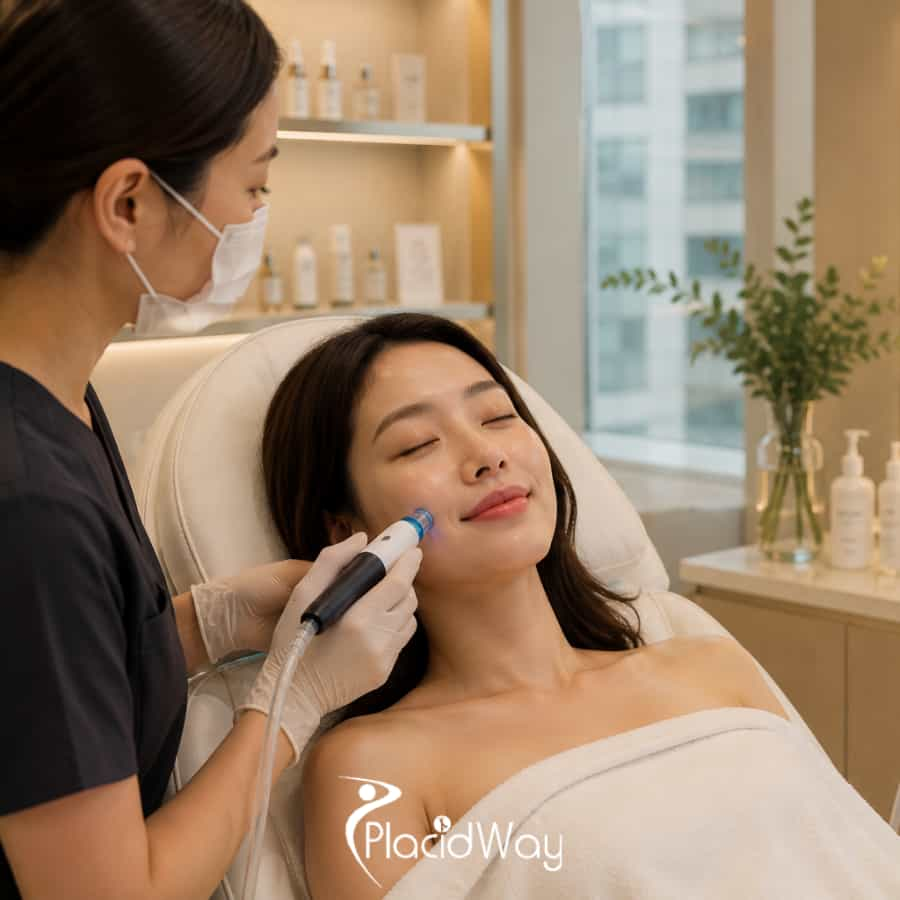
Price starting from $150
HydraFacial Aqua Peel Package in Gangnam, South Korea – Deep Cleansing Facial
PlacidWay Gangnam Medical Tourism
- Skin Care
Gangnam, South Korea
Skin Care Solutions Near You: Explore Top Medical Centers
Discover how Skin Care is transforming lives at leading medical centers in , . Dive into center profile, specialties, doctors, reviews, etc. and explore the best options tailored to your needs in this region.
Rodam Korean Medical Clinic Integrative Korean Medicine Healing Center
Seoul, South Korea

BIOFACE Clinic Advanced Dermatology and Skin Treatment Clinic
Seoul, South Korea
VG Plastic Surgery
Seoul, South Korea
DM Dermatology Aesthetic Skin Laser Clinic
Seoul, South Korea








