
What Is Microneedling in Gangnam?
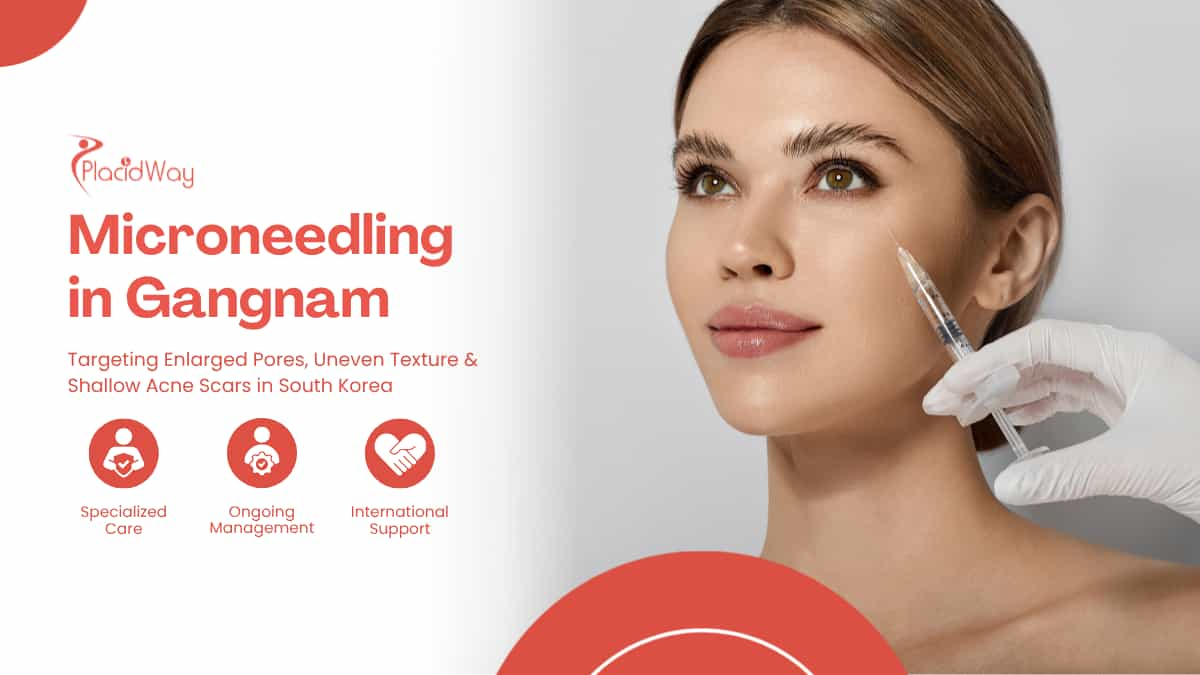
For many people, the frustration with skin texture does not happen overnight. It usually begins in front of a magnifying mirror, accompanied by the realization that despite a meticulously curated cabinet of acids, retinoids, and serums, the surface of the skin remains persistently uneven.
Whether the concern involves lingering acne scars or enlarged pores, skincare products eventually reach their limits. At this point, microneedling in Gangnam offers an approach focused on stimulating the underlying dermal tissue rather than simply treating the skin’s surface.
The Core Decision Tension
You may be realizing that over-the-counter exfoliants only polish the roof of the skin, while fibrotic scars and stretched pores exist deep in the foundation. The decision is no longer about finding a better cream, but whether you are genuinely ready to introduce controlled physical injury to force the skin to rebuild itself.
This physiological reality inevitably leads to comparing local aesthetic clinics with international destinations like Seoul. In Gangnam, microneedling is frequently combined with advanced biologic "boosters" that may be less common or considerably more expensive back home, fundamentally changing the procedural value proposition.
The Anatomical Limit of Topical Skincare
To understand why microneedling—medically known as percutaneous collagen induction—enters the conversation, it helps to look at how different texture issues actually form beneath the surface. The human skin is a highly efficient, multi-layered barrier designed specifically to keep environmental elements out, which is exactly why it is so difficult to treat deep structural damage using creams that merely sit on the stratum corneum.
When a severe acne lesion heals, the intense inflammation often destroys the surrounding healthy collagen network. As the body frantically attempts to patch the resulting dermal wound, it lays down rigid, fibrous tissue that pulls the surface of the skin downward, creating the visible shadows and divots known as atrophic scars. Similarly, as natural collagen degrades with chronic sun exposure or intrinsic aging, the structural support walls around individual pores begin to sag, making them appear permanently widened.
Why the Skin Needs a Physical Signal
Topical ingredients like hyaluronic acid and peptides are excellent for surface hydration, but their molecular weight is often far too large to penetrate the outermost dead layer of skin. Even powerful prescription retinoids, which successfully communicate with cellular receptors to speed up epidermal turnover, cannot sever the rigid fibrotic bands that anchor deep acne scars to the underlying tissue.
Microneedling bypasses this epidermal barrier mechanically, forcing a biological reset. By stamping microscopic needles into the dermis, the treatment creates thousands of temporary micro-channels, achieving distinct mechanical goals that topical creams simply cannot replicate:
- The Wound Healing Cascade: The localized micro-injuries trick the body into believing it has sustained trauma. The immune system rushes blood, growth factors, and fibroblasts to the area, eventually replacing old, disorganized scar tissue with a fresh matrix of Type I and Type III collagen.
- Breaking Fibrotic Tethers: The physical penetration of the sterile needles mechanically severs the rigid collagen bundles that pull atrophic scars downward. Releasing this tethered tension allows the skin surface to gradually rise closer to the surrounding tissue level.
- A Delivery Superhighway: The newly formed micro-channels remain open for a very brief window, typically closing within minutes to hours. This temporary permeability allows targeted topical biologic solutions to bypass the protective epidermis and enter the deeper dermis directly.
The Gangnam Variable: Why Seoul Enters the Search
Microneedling itself is neither a new invention nor exclusive to South Korean dermatology. Devices like the Dermapen, SkinPen, and various motorized stamping rollers are widely available in almost every major city globally. If a patient's goal is simply to receive a standard, standalone mechanical microneedling session, traveling across an ocean rarely makes logistical or financial sense.
The district of Gangnam enters the international patient research journey primarily because of how South Korean aesthetic clinics leverage the "delivery superhighway" concept mentioned above. In Seoul, microneedling is almost never treated as an isolated physical procedure; instead, it is highly protocolized as an active delivery vehicle for advanced regenerative solutions collectively referred to in the market as "skin boosters."
| The Clinical Variable | Standard Western Approach | Typical Gangnam Protocol |
|---|---|---|
| Primary Glide Serum | Often basic hyaluronic acid simply to allow the device to glide, occasionally utilizing PRP (Platelet-Rich Plasma). | Highly specialized biologics like ASCE+ Exosomes, Poly-D,L-Lactic Acid (Juvelook), or Polynucleotides (Rejuran). |
| Focus of Treatment | The mechanical injury itself is heavily emphasized as the main therapeutic event for collagen induction. | The mechanical injury is viewed equally as a critical pathway to deliver powerful regenerative cellular signals. |
| Device Preference | Mechanical pens are standard; RF microneedling is available but often commands a significant premium markup. | High integration of diverse, localized RF microneedling devices (Sylfirm X, Potenza) tailored to specific skin depths. |
Because the aesthetic market in South Korea is fiercely competitive and rapidly adopts new domestic biomedical technologies, treatments that are considered luxury upgrades elsewhere are frequently positioned as baseline standards in Gangnam. For international patients dealing with stubborn, long-standing texture issues, this combination of advanced localized technology and intensive topical protocols can make the geography a highly relevant factor.
However, understanding this landscape requires carefully separating marketing terminology from the actual clinical science happening in the dermis. The term "skin booster" sounds universally beneficial, but different formulas target very different biological mechanisms, and choosing the wrong solution for a specific scar type can lead to underwhelming results.
Deconstructing the "Skin Booster" Phenomenon
When a clinic in Seoul proposes adding a specialized ampoule or solution to a microneedling session, they are generally referring to one of three major scientific categories. The clinical choice depends entirely on whether the primary goal is calming active inflammation, restoring deep dermal hydration, or rebuilding structural volume beneath an atrophic scar.
Exosomes have recently become one of the most widely discussed additions in regenerative dermatology. These are microscopic extracellular vesicles—essentially cellular messengers—derived primarily from stem cells. Published dermatological research reports that when exosomes are applied immediately after microneedling, they may help regulate the local inflammatory response, potentially speeding up recovery timelines and enhancing overall collagen synthesis compared to mechanical needling alone.
Exosomes (ASCE+)
Best suited for active dermal inflammation, prolonged redness, and improving the overall cellular environment. They act as signals telling older, damaged skin cells to behave like younger ones, though they do not physically fill structural space.
Polynucleotides (Rejuran)
Derived from purified salmon DNA, these robust fragments are recognized for deep hydration and tissue repair. They are frequently utilized for compromised skin barriers, fine lines, and restoring a reflective quality to dull, exhausted skin.
Collagen Stimulators (Juvelook)
A sophisticated hybrid of hyaluronic acid and Poly-D,L-Lactic Acid (PDLLA). This option is often selected when shallow rolling acne scars require a subtle, gradual volume increase alongside the physical texture refinement of the needle.
Mapping the Modalities: Mechanical Needles vs. Radiofrequency
Beyond deciding what specialized biologic is applied to the skin, patients must navigate the actual needle delivery devices themselves. The initial confusion for many international travelers often stems from clinics offering both standard "MTS" (Microneedle Therapy System) and Radiofrequency (RF) Microneedling. These are completely distinct modalities that carry different price points, significantly different recovery timelines, and distinct risk profiles.
Standard mechanical needling relies purely on the physical trauma of cold, sterile steel. A motorized pen rapidly stamps the skin at highly adjustable depths, usually ranging from 0.5mm to 2.5mm depending on the target area and scar severity. This approach remains highly effective for surface-level textural irregularities, pore refinement, and mild rolling acne scars, and is widely documented in clinical literature as a generally safe option across most skin types.
The Addition of Dermal Thermal Energy
Radiofrequency microneedling changes the biological equation by deliberately introducing localized heat. The needles physically penetrate the skin, but once they reach their programmed target depth in the dermis, they emit a precise burst of radiofrequency energy. This creates controlled thermal coagulation zones beneath the surface, while intentionally leaving the visible top layer of the epidermis relatively intact and cool.
This dual-action trauma forces a much more aggressive remodeling of the deep dermal collagen network. For patients presenting with deep boxcar scars, noticeable skin laxity that contributes to structurally enlarged pores, or thicker sebaceous tissue that has completely ignored traditional mechanical needling, RF devices offer a dramatically stronger clinical intervention.
Common RF Devices Found in Gangnam Clinics
- Sylfirm X: Utilizes a highly unique pulsed wave mode designed specifically to target abnormal blood vessels and basement membrane dysfunction. It is frequently chosen for patients who suffer from both atrophic texture issues and underlying chronic redness or melasma.
- Potenza: Features specialized "tiger tip" needles that release RF energy at multiple depths simultaneously during a single insertion. It is highly customizable for varying scar depths across different topographical areas of the face.
- Secret RF / Infini: Traditional clinical powerhouses for deep dermal remodeling, often favored for distinct, stubborn acne scarring where significant thermal collagen contraction is actively required to lift the scar floor.
Evidence, Uncertainty, and the Reality of Acne Scars
A common and highly frustrating misunderstanding at the beginning of this journey is the expectation that a single advanced procedure will act like a magic eraser. Clinical studies repeatedly demonstrate that while percutaneous collagen induction is highly effective for dermal remodeling, the biological results are strictly cumulative. Significant, visible improvement in established atrophic acne scars typically requires a dedicated series of three to six sessions, usually spaced roughly four to six weeks apart to accommodate the natural collagen synthesis cycle.
Furthermore, different morphological scar types respond vastly differently to the same needle. Shallow boxcar scars and rolling scars—which feature gently sloping edges—tend to show the most visible and rapid improvement from both mechanical and RF microneedling. Conversely, deep "ice pick" scars, which are very narrow but extend far down into the deep dermis, often require complementary chemical techniques, such as TCA CROSS, to address their depth before microneedling can effectively smooth the surrounding visible terrain.
Evidence Callout: Navigating Skin Tone Risks
For patients with Fitzpatrick Skin Types IV through VI (olive, brown, and deeply pigmented skin), aggressive thermal treatments carry a material risk of triggering melasma or Post-Inflammatory Hyperpigmentation (PIH). Research indicates that standard mechanical microneedling is generally well-tolerated across diverse skin types, but the addition of radiofrequency requires a highly experienced provider who understands how to carefully calibrate energy delivery to avoid excessive surface heat.
If you are prone to hyperpigmentation, a responsible clinic may proactively advise pretreatment with topical pigment suppressants for several weeks before your arrival. Alternatively, they may steer you away from RF entirely in favor of cold mechanical needling paired with calming exosomes to minimize melanocyte agitation.
The Absolute Necessity of Sun Avoidance
Regardless of the specific device utilized, the compromised skin barrier is exceptionally vulnerable to ultraviolet radiation in the immediate days following treatment. Sun exposure during this fragile inflammatory phase drastically increases the likelihood of long-term pigmentation issues.
Because topical sunscreens containing chemical filters can severely irritate the open micro-channels, physical barrier protection—such as broad-brimmed hats, dense facial masks, and strictly avoiding daylight hours outdoors—becomes a non-negotiable aspect of the early recovery protocol. This strict requirement heavily influences how an international patient must schedule their broader travel itinerary.
Integrating the Treatment into a South Korean Travel Reality
Geography fundamentally changes the logistical reality of cosmetic dermatology. The low end of the price spectrum frequently advertised in Gangnam (often around $150 USD) usually represents a quick, high-turnover mechanical MTS session designed for local residents on their lunch break. The higher end of the spectrum ($500+ USD) typically involves targeted RF needling, advanced booster ampoules, and specialized post-care calming regimens designed specifically to accelerate the healing of highly traumatized tissue.
If you are already traveling to Seoul for business, tourism, or a broader suite of aesthetic procedures, integrating a skin texture treatment makes logical sense. However, planning this requires acknowledging the immediate physical aftermath of the procedure. Your face will likely resemble a severe, throbbing sunburn for 24 to 72 hours, accompanied by minor pinpoint bleeding and significant localized swelling.
Navigating Seoul Post-Treatment
You cannot simply walk out of a high-intensity clinic in Gangnam and immediately spend the afternoon exploring Gyeongbokgung Palace or shopping the outdoor streets of Myeongdong under the midday sun. Practical adjustments include:
- Environmental Control: The skin barrier is intentionally compromised, making it highly susceptible to both infection and severe UV damage. Patients must strictly avoid the popular Korean jjimjilbangs (public saunas), heated environments, and excessive sweating until the micro-channels have completely sealed.
- Public Transit Reality: Navigating the sprawling Seoul subway system during the first two days often requires wearing a large, breathable surgical mask and a hat. Fortunately, the local culture in South Korea is highly accustomed to seeing individuals in public actively recovering from dermatological procedures, minimizing the social stigma often felt in Western cities.
- Post-Care Access: Seoul boasts incredible access to specialized post-procedure skincare. Pharmacies and ubiquitous stores like Olive Young carry a vast array of sterile Cica (Centella Asiatica) creams, which clinics frequently recommend to soothe the intense heat and repair the damaged barrier in the hotel room.
The Problem of Continuity of Care
Perhaps the single most critical variable when considering international travel for microneedling is the continuity of care. Because meaningful, structural collagen remodeling requires a series of treatments over several months, a single isolated session in Seoul will not miraculously cure moderate to severe acne scarring. It may provide a highly noticeable improvement in overall skin radiance, temporary tightness, and minor surface texture, but it is fundamentally only the first step in a biological journey.
Patients must deliberately decide whether they are willing and able to return to South Korea for subsequent required sessions, or if they plan to use the advanced Gangnam experience as a high-intensity kickstart before transitioning to maintenance sessions with a trusted provider back home. If choosing the latter, it is vital to leave the Korean clinic with a clear, translated medical record of the exact device used, the specific needle depths achieved, and the precise biologic formulations applied, so your local dermatologist deeply understands your newly established baseline.
The Caregiver and Companion Reality
If you are traveling with a partner, family member, or friend, their itinerary will also be affected by your recovery window. Useful planning items for companions include:
- The patient will likely need to avoid heavy sweating, direct UV exposure, and potentially harsh weather for several days.
- Companions should expect to schedule indoor, relaxed activities (like visiting the National Museum of Korea, indoor cafes, or the expansive COEX mall) rather than strenuous mountain hikes or outdoor tours.
- The patient may need practical physical assistance ensuring hotel pillowcases are freshly changed daily to prevent opportunistic infections.
- If a long flight occurs within days of the treatment, the companion may need to help strictly manage a sanitized regimen of clinic-approved barrier creams to protect against the extremely dry, recycled cabin air.
The Decision: Framing the Next Step in Skin Remodeling
Deciding whether to purposefully pursue microneedling—and whether to execute that decision in South Korea—ultimately requires untangling what you actually expect from the procedure. If a patient believes their deeply scarred skin will become completely flawless after a single session, the hard reality of human biology and the strict necessity of multiple treatments will invariably lead to disappointment, regardless of whether the procedure is performed in a local suburb or in Gangnam.
However, if you recognize that your skin has reached the absolute limit of what topical serums and chemical exfoliants can achieve, and you are fully ready to engage in a controlled, multi-stage structural remodeling process, the decision becomes one of technology access and specialized expertise.
Seoul offers a highly unique aesthetic ecosystem where powerful RF devices and advanced regenerative biologics are integrated seamlessly into everyday clinical protocols. For some international travelers, adding this level of refined technological intervention to an existing travel itinerary offers a highly compelling combination of value and specialized expertise.
For others, the strict biological necessity of multiple, spaced-out treatments makes committing to a trusted, localized provider the far more practical and sustainable choice. Ultimately, the best structural outcome relies not just on the sharpness of the needle or the prestige of the clinic, but on a crystal-clear understanding of the complex, months-long collagen remodeling process that inevitably follows the trauma.
Frequently Asked Questions
Why is microneedling often paired with exosomes in South Korea?
Exosomes are cellular messengers derived primarily from stem cells that may help regulate inflammation and promote tissue regeneration. Many clinics in Gangnam apply them immediately after microneedling because the temporary micro-channels allow these biologics to easily bypass the epidermis. This deeper dermal penetration can potentially accelerate the healing process and enhance overall collagen production compared to standard dry needling.
What is the practical difference between standard and RF microneedling?
Standard microneedling uses cold, rapid needle punctures to create pure mechanical trauma and stimulate collagen response. Radiofrequency (RF) microneedling involves specialized needles that physically emit targeted heat energy once they reach their precise depth in the skin. The added thermal heat causes much more intense dermal coagulation, making it generally more effective for deep scars and skin laxity, but it inherently carries a distinctly different risk profile for post-inflammatory hyperpigmentation.
Can one intensive session permanently remove my acne scars?
No, an isolated session cannot permanently erase severe textural issues. Collagen remodeling is a complex biological process that inherently takes significant time and cumulative physiological effort. Clinical studies consistently show that significant, lasting improvement in atrophic acne scars usually requires a dedicated series of three to six sessions, allowing the tissue to rebuild itself structurally between each intervention.
Is it safe to fly immediately after a strong microneedling treatment?
While you are generally medically cleared to board a commercial flight, it is far from ideal for the skin's biological recovery. The intensive treatment severely compromises the skin barrier, making the healing tissue highly sensitive to the extremely dry, pathogen-recycled air circulating in an airplane cabin. If you must fly shortly after a deep treatment, you will need to apply strict, clinic-approved barrier creams and remain exceptionally diligent about facial hydration and hand hygiene.
Does microneedling pose unique risks for darker skin tones?
Standard mechanical microneedling is often considered safer for darker skin types than traditional ablative lasers specifically because it largely leaves the visible surface of the epidermis intact. However, there is still a very real risk of post-inflammatory hyperpigmentation (PIH) during the healing phase. This pigmentation risk increases significantly if excessive thermal heat is used (such as with aggressive RF settings) or if the compromised skin is exposed to UV radiation without extreme physical protection.
What does the advertised quoted price range usually include?
A lower price point in Seoul (often around $150 USD) typically reflects a quick, baseline mechanical microneedling session utilizing standard hyaluronic acid glide serums. Significantly higher price points ($500 USD or more) usually indicate the integrated use of specialized RF devices (like Sylfirm X or Potenza), the active addition of premium regenerative biologic boosters (such as ASCE+ exosomes or Rejuran), and highly comprehensive post-care soothing protocols designed to accelerate recovery.
References
https://pubmed.ncbi.nlm.nih.gov/29424939/
https://pubmed.ncbi.nlm.nih.gov/24725354/
https://pubmed.ncbi.nlm.nih.gov/32777169/
https://pubmed.ncbi.nlm.nih.gov/26814448/
https://pubmed.ncbi.nlm.nih.gov/36314867/
https://pubmed.ncbi.nlm.nih.gov/26085695/
https://pubmed.ncbi.nlm.nih.gov/31518012/
This content is for educational purposes only and is not medical advice. Diagnosis, treatment suitability, risks, recovery, travel timing and outcomes vary by individual and procedure. Decisions should be made with appropriately qualified healthcare professionals after an individual assessment. PlacidWay provides healthcare information and facilitation services and is not the treating physician, clinic or hospital.












Share this listing