
What Are Toning Injections in Gangnam?
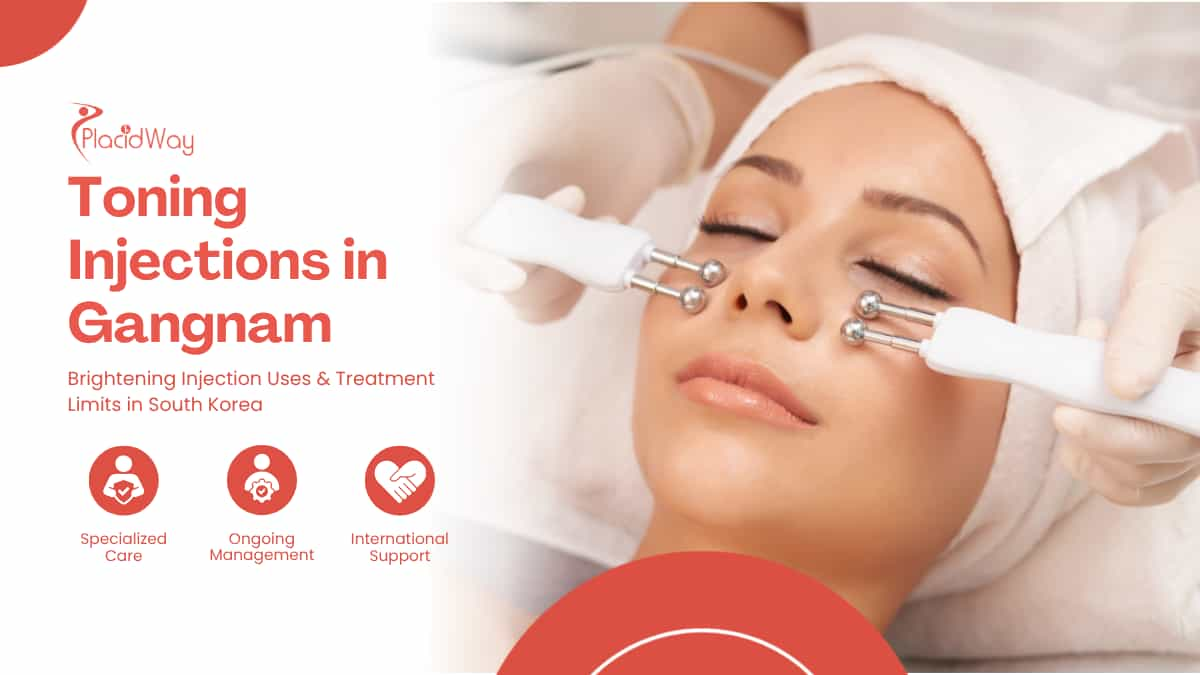
When topical serums stop delivering results, the mirror can become a source of daily frustration. For many people dealing with stubborn melasma, post-inflammatory hyperpigmentation, or general skin dullness, the morning routine feels like a losing battle against time, hormonal shifts, and historical sun exposure. The emotional weight of hiding uneven skin tone often drives a relentless search for stronger, more definitive clinical interventions that can finally clear the canvas.
This search for a deeper solution frequently points toward South Korea, where toning injections in Gangnam and skin boosters are common aesthetic treatments. However, understanding what these injections can realistically achieve requires looking beyond marketing and considering pigment production, skin healing, and the limits of modern dermatology.
Decoding the "Toning Injection"
The term "toning injection" is rarely a single, standardized medical product manufactured by one specific pharmaceutical company. Instead, it is a broad umbrella phrase used by aesthetic clinics to describe various intradermal micro-injections designed to target pigment, improve internal hydration, or accelerate cellular repair at the dermal level. Rather than acting as a chemical bleach that strips the skin of its natural color, these specialized treatments aim to regulate how the skin produces and distributes melanin while simultaneously repairing the underlying dermal barrier.
Depending on a patient's specific presentation, a clinic in Gangnam may recommend a tailored cocktail of active ingredients rather than relying on a universal, one-size-fits-all formula. Understanding why these intradermal injections are utilized requires looking at where pigmentation actually lives within the structural layers of the skin. Over-the-counter brightening serums primarily treat the superficial epidermis, gently turning over the topmost layer of dead cells to reveal a fresher, temporarily brighter surface.
Epidermal Versus Dermal Pigmentation
Severe melasma and deep sun damage are rooted much deeper, anchored in the dermal layers where topical creams struggle to penetrate effectively. Toning injections bypass the surface barrier entirely, delivering active compounds directly to the melanocytes—the cells responsible for producing pigment—and surrounding the structural tissue with a high concentration of therapeutic ingredients. This direct delivery system is what sets clinical treatments apart from at-home skincare routines, allowing dermatologists to intervene exactly where the dysfunction is occurring.
Furthermore, by mechanically breaching the skin with micro-needles, the injection process itself stimulates a mild wound-healing response. This dual action—chemical regulation combined with mechanical collagen stimulation—encourages the dermis to rebuild a healthier, more resilient structure capable of defending against future environmental damage.
| Active Ingredient | Primary Target | Medical Evidence Context |
|---|---|---|
| Tranexamic Acid | Melasma & Stubborn Pigment | Clinical studies indicate that intradermal injections actively reduce melasma severity, though recurrence is common if localized maintenance is halted. |
| Polynucleotides (e.g., Rejuran) | Structural Repair & Barrier Health | Sourced from salmon DNA, evidence supports improvements in elasticity, hydration, and microcirculation, fostering a healthier environment for cellular turnover. |
| Non-Crosslinked HA (e.g., NCTF) | Dullness & Superficial Fine Lines | Deeply hydrates the dermis and improves visible radiance; commonly blended with amino acids and vitamins to support cellular metabolic function. |
| Glutathione | Antioxidant Support | Topical and localized intradermal uses show mild brightening effects; intravenous (IV) systemic use remains highly debated regarding long-term safety. |
The Medical Mechanics: How These Boosters Actually Work
The efficacy of any skin booster depends entirely on the active molecules being introduced into the dermis and how they interact with the skin's biological processes. Tranexamic acid, originally developed to reduce surgical bleeding, has become a frontline treatment for melasma because it actively interferes with the plasminogen-plasmin pathway. This specific biological pathway is known to trigger excess melanin production after ultraviolet exposure, meaning the injection works by essentially interrupting the cellular distress signal before pigment is manufactured.
Meanwhile, polynucleotides focus less on direct pigment suppression and more on fundamental tissue regeneration and structural repair. By repairing the damaged basement membrane and improving microcirculation, these DNA fragments create a healthier cellular environment where irregular pigmentation struggles to take hold. When the physical barrier between the epidermis and dermis is strong, pigment cells are less likely to "drop" deeper into the skin, preventing the formation of stubborn, hard-to-treat dermal melasma.
Evidence Check: The Glutathione Controversy
While glutathione is widely marketed as the ultimate skin-lightening agent, its safety depends heavily on how it is administered. Localized intradermal and topical applications have demonstrated moderate brightening effects with a reasonable safety profile in published research. However, high-dose intravenous (IV) glutathione—often marketed as "Cinderella drips"—lacks robust clinical efficacy data for lasting skin lightening and has been associated with serious systemic adverse events, including liver dysfunction and anaphylaxis. Medical consensus strongly cautions against relying on unverified IV infusions for purely aesthetic outcomes.
The Boundaries of Brightening: Why Melasma Returns
The desire for a permanent, one-time cure to hyperpigmentation often clashes with dermatological reality. Melasma and sun damage are chronic, complex conditions influenced by ongoing hormonal fluctuations, inevitable ultraviolet exposure, and deeply ingrained genetic predispositions. While intradermal toning injections can significantly fade visible pigment and restore a luminous quality to the skin, they do not permanently turn off the skin's biological capacity to produce melanin.
Clinical reality dictates that these interventions are an active management strategy rather than a final, absolute cure. Clinical trials evaluating intradermal tranexamic acid injections frequently demonstrate a rapid and measurable reduction in melasma severity scores during the active treatment phase. Patients often report that their dark patches visibly lighten, and their overall skin tone becomes markedly more uniform within just a few weeks of their initial sessions.
Understanding Melasma Recurrence
However, these same dermatological studies commonly note that pigment often begins to return within several months if localized maintenance therapy and strict sun protection are not rigorously continued. This recurrence highlights the essential truth of skin brightening: achieving the initial result is only half the battle; defending it requires daily, ongoing commitment. Without a robust post-treatment strategy, the melanocytes will inevitably resume their baseline behavior the moment they are provoked by sunlight or hormonal changes.
For patients traveling internationally for these therapies, this means acknowledging that the flawless results seen upon returning home are a temporary peak rather than a permanent new baseline. Building a long-term relationship with a local dermatologist to manage the chronic nature of the condition is just as important as selecting the right clinic in Gangnam for the initial intervention.
Realistic Decision Check
If you are seeking a procedure that allows you to stop wearing sunscreen or abandon your daily skincare routine, toning injections will not provide that freedom. They are a catalyst for healthier skin function, not a replacement for fundamental daily protection. Those unwilling to commit to strict, ongoing ultraviolet defense will likely see their investment fade rapidly.
Why Gangnam Changes the Dermatology Experience
Seoul’s Gangnam district is recognized globally for its high-volume aesthetic clinics, rapid technological adoption, and highly competitive pricing structures, with session costs generally ranging from $150 to $500. But the geographic advantage is not about accessing a secret, magical serum unavailable elsewhere in the world. The true differentiator in South Korean dermatology clinics is the sophisticated treatment protocol and the sheer volume of cases practitioners see daily, which allows them to refine their techniques and combined approaches.
Rather than offering a single, isolated injection, Gangnam dermatologists typically layer multiple complementary treatments within a single session to maximize efficacy and address pigment at multiple depths simultaneously. This comprehensive approach recognizes that pigmentation is rarely an isolated issue; it is usually accompanied by dehydration, compromised skin barriers, and generalized cellular aging that must all be treated together.
The Layered South Korean Protocol
- Preparation: Gentle vacuum-based exfoliation (such as an Aqua Peel) clears congested pores and removes dead surface cells, allowing better light penetration for subsequent lasers.
- Laser Toning: A low-fluence Pico or Nd:YAG laser targets superficial epidermal pigment without generating excessive heat, which could accidentally trigger further melasma.
- Micro-Injection: The specific toning cocktail (tranexamic acid, hyaluronic acid, or polynucleotides) is delivered directly into the dermis for deeper cellular repair.
- Cooling and Soothing: Cryotherapy, modeling masks, or LED light therapy are immediately applied to reduce inflammation and seal the skin before the patient leaves the clinic.
The Consultation Reality in South Korea
Arriving at a clinic in South Korea introduces a highly structured evaluation process that begins long before any needles touch the skin. Advanced imaging systems are routinely used to reveal hidden ultraviolet damage, vascular inflammation, and dermal pigment that has not yet surfaced to the naked eye. This objective data allows the treating physician to customize the injection cocktail, but it can also be a confronting experience for a patient who thought their sun damage was relatively mild.
During this consultation, having clear communication—often facilitated by a clinic-provided medical interpreter—is vital to ensure that the proposed treatment aligns with your personal tolerance for downtime and travel realities. A critical part of this discussion will revolve around how the booster is physically delivered into the skin, as clinics typically offer a choice between manual injection by the physician or application via an automated mesotherapy device.
Manual Physician Injection
Injections performed by hand allow the dermatologist to precisely target stubborn, irregular patches of pigment or deep wrinkles. While highly customized, this method can be more uncomfortable and depends entirely on the individual practitioner's skill, patience, and physical technique.
Automated Injector Devices
Mesotherapy devices (injector guns) use multi-needle heads and light vacuum suction to deliver precise doses of the product at a uniform depth. This method significantly reduces overall discomfort and ensures even distribution across the entire face, though it lacks bespoke targeting for specific dark spots.
Navigating the Recovery: The "Embossing" Effect
A widespread misunderstanding about non-surgical skin boosters is that the patient leaves the clinic looking immediately radiant and ready for a major social event. In reality, intradermal injections leave the skin covered in small, raised bumps resembling an array of mosquito bites, a temporary physical side effect that requires careful itinerary scheduling. This phenomenon, known as "embossing," occurs because the hyaluronic acid and active brightening agents are deposited just beneath the skin's surface and take time to fully integrate into the surrounding tissue.
If you are traveling to Seoul for business, a wedding, or heavy outdoor sightseeing, timing the procedure correctly is critical to avoiding visible downtime during important moments. Depending on the viscosity of the injected product and the patient's individual metabolic rate, these bumps typically take anywhere from 24 to 72 hours to completely flatten out. During this window, the skin may also exhibit mild pinpoint bruising, making it obvious that a clinical procedure was recently performed.
Post-Treatment Travel Realities
- Visible Downtime: The embossed bumps and mild pinpoint redness typically last 24 to 72 hours, meaning photography-heavy tourism should be scheduled prior to the clinic visit.
- Flying Risks: It is generally safe to board a flight the day after treatment, but cabin air is intensely dry. Clinically approved, heavy barrier moisturizers are necessary to protect the healing skin in transit.
- Sun Exposure: Walking around Seoul post-treatment requires rigorous ultraviolet protection. Wide-brimmed hats, breathable face masks, and strict SPF reapplication are mandatory to prevent triggering a new cycle of pigmentation.
The Companion’s Perspective: Waiting and Adapting
If someone is accompanying you to Seoul, they should understand that a clinic visit for comprehensive skin boosters is rarely a brief, in-and-out stop. Between the initial skin analysis, translation, application of topical numbing cream, the actual layered procedure, and post-treatment cooling masks, a single appointment can easily consume a half-day. This means your companion will likely spend several hours in a waiting room, which requires its own level of planning and patience.
Furthermore, your travel companion may need to actively adjust the shared itinerary to accommodate your immediate recovery requirements. You will need to avoid excessive heat, direct sun exposure, and strenuous outdoor sightseeing for the first few days, which might shift the focus of the trip toward indoor cultural sites, museums, or covered shopping districts. Their willingness to adapt to these sudden physical limitations can significantly reduce the stress of recovering in a foreign city.
Practical Support for the Traveling Companion
- Help navigate to the local pharmacy to retrieve any prescribed soothing creams, sterile gauze, or gentle cleansers immediately after the clinic visit.
- Carry extra sun protection, such as a UV-blocking umbrella or wide-brimmed hat, as the patient's skin will be highly photosensitive in the initial 48 hours.
- Plan dining options that do not involve intense ambient heat or steam, meaning a temporary pause on open-flame Korean BBQ restaurants or traditional heated saunas (jjimjilbangs).
Continuity of Care: What Happens When You Return Home?
Because the brightening effects of tranexamic acid, cellular antioxidants, and hyaluronic acid are inherently transient, continuity of care becomes the most challenging aspect of medical travel for aesthetic dermatology. The initial, beautiful glow achieved in South Korea will inevitably fade without a localized, well-planned maintenance strategy. Returning home means transitioning the clinical gains achieved overseas into a sustainable, daily routine that protects your investment.
This usually involves working closely with a local dermatologist to manage chronic conditions like melasma through safe topical prescriptions, diligent sun avoidance, and potentially scheduling localized maintenance treatments. Many patients mistakenly abandon their regular skincare routines after receiving high-end treatments abroad, only to watch their hyperpigmentation aggressively return within a few months due to unprotected environmental exposure.
The Maintenance Timeline
Clinical evidence shows that the brightening effects of intradermal treatments typically peak around 4 to 8 weeks after a session. Without ongoing local care—such as prescription topicals, continued UV defense, or subsequent local booster injections—the underlying mechanisms that caused the original pigmentation will slowly resume normal operations, often leading to visible recurrence within 3 to 6 months.
Making the Final Decision
Deciding to undergo toning injections abroad requires intentionally separating aesthetic fantasy from practical medical management. If the expectation is an absolute, permanent erasure of ten years of sun damage in a single, affordable session, the final result will likely lead to profound disappointment. Hyperpigmentation is a persistent biological mechanism that responds to ongoing management, not a temporary stain that can be permanently bleached away.
However, if the goal is to jump-start a comprehensive skin management plan while taking advantage of advanced layering techniques and precise application, Gangnam offers an exceptional clinical environment. The most successful patients view these injections as one powerful component of a lifelong commitment to skin health, utilizing the Korean clinical expertise as a catalyst rather than a final, isolated cure.
Questions to Guide Your Clinic Choice
- Ingredient Transparency: What specific active ingredients are included in the clinic's standard brightening cocktail?
- Diagnostic Depth: Will the clinic perform an objective skin analysis (like Visia) before determining the injection protocol?
- Delivery Method: Are the boosters injected manually by the physician, or via an automated mesotherapy device?
- Post-Care Guidance: What specific aftercare products are provided or required to manage the initial healing phase?
Frequently Asked Questions
Are toning injections a permanent cure for melasma?
No. Melasma is a chronic condition influenced by hormones and ultraviolet exposure. While intradermal injections like tranexamic acid can significantly reduce visible pigment, maintenance treatments and strict sun protection are required to prevent the pigment from returning.
Why are toning injections so popular in Gangnam?
Gangnam clinics specialize in high-volume, layered aesthetic protocols. Rather than offering a single injection, they typically combine aqua peeling, mild pico lasers, and micro-injections of advanced skin boosters within a single session, often at highly competitive price points ranging from $150 to $500.
What is the 'embossing' effect after skin boosters?
Embossing refers to the small, raised bumps that appear on the skin immediately after intradermal injections. Because the hyaluronic acid and active ingredients are deposited just beneath the surface, it usually takes 24 to 72 hours for the fluid to fully absorb and the skin to flatten out.
Is it safe to fly back home immediately after getting toning injections?
It is generally safe to fly the day after the procedure, provided you follow the clinic's aftercare instructions. However, cabin air is extremely dry, so you will need to apply clinically approved heavy moisturizers and strictly avoid touching the injection sites during travel.
What is the controversy surrounding glutathione injections?
While topical and localized intradermal glutathione have shown moderate, localized brightening effects with a reasonable safety profile, high-dose intravenous (IV) glutathione infusions lack robust clinical evidence for skin lightening and have been associated with serious adverse events. Medical consensus cautions against unverified IV use for cosmetic purposes.
References
https://pubmed.ncbi.nlm.nih.gov/38059683/
https://pubmed.ncbi.nlm.nih.gov/39444151/
https://pubmed.ncbi.nlm.nih.gov/37577796/
https://pubmed.ncbi.nlm.nih.gov/40013212/
https://pubmed.ncbi.nlm.nih.gov/33196924/
https://pubmed.ncbi.nlm.nih.gov/33178380/
https://pubmed.ncbi.nlm.nih.gov/29027510/
https://pubmed.ncbi.nlm.nih.gov/29445569/
This content is for educational purposes only and is not medical advice. Diagnosis, treatment suitability, risks, recovery, travel timing and outcomes vary by individual and procedure. Decisions should be made with appropriately qualified healthcare professionals after an individual assessment. PlacidWay provides healthcare information and facilitation services and is not the treating physician, clinic or hospital.














Share this listing