


A comprehensive health screening in Gangnam, South Korea, combines advanced AI diagnostic technology with ultra-efficient, same-day medical reviews to catch potential health risks before they become serious. Think of it as the ultimate insider secret to that effortless K-Beauty glow because true radiance always begins with pristine internal wellness. Health-conscious travelers from the United States, Japan, China, Taiwan, and Singapore are happily skipping their local, months-long waitlists to experience Seoul’s lightning-fast, preventative care. Whether you are flying in for a quick weekend aesthetic getaway or a dedicated wellness retreat, booking a full medical checkup in Gangnam is the smartest, most proactive souvenir you can bring home.
Key Package Insights
- Transparent Investment: Packages range from $220 for targeted diagnostics to $2,500 for a VIP, full-body physiological workup, offering options for every budget.
- Global Standard Safety: Facilities hold prestigious JCI (Joint Commission International) and KOIHA (Korea Institute for Healthcare Accreditation) credentials.
- The K-Beauty Foundation: Uncovering internal inflammation, hormonal imbalances, and nutritional deficits is the secret first step to achieving South Korea's famous "glass skin" aesthetic.
- Hyper-Advanced Technology: Screenings utilize low-dose radiation CT scans, 3T MRIs, and AI-assisted endoscopies for incredibly precise, early-stage disease detection.
- Unmatched Efficiency: Experience a full battery of tests from blood work to ultrasound imaging completed in just 3 to 4 hours with concierge-level guidance.
- Seamless Communication: Dedicated, medically trained interpreters for English, Mandarin, and Japanese speakers guide you through every single test and doctor consultation.
Why Preventive Health Screenings Are Booming in Gangnam
Gangnam is no longer just famous for its upscale shopping and catchy pop songs; it is the undisputed global epicenter for VIP preventative healthcare. International patients are flocking to Seoul because the city has essentially perfected the art of the medical checkup, turning what is usually an anxiety-inducing chore into a streamlined, luxury experience.
- American Patients Seek Affordability: Uninsured or underinsured travelers from the US often find that flying to Seoul for a high-tier MRI and full lab panel is actually cheaper than getting a basic physical back home.
- Japanese and Taiwanese Visitors Love the Speed: Patients from neighboring Asian nations frequently pop over for a weekend, leveraging Gangnam's ability to deliver comprehensive test results in just a matter of days.
- Chinese Medical Tourists Demand Top-Tier Tech: Travelers from China prioritize Seoul’s internationally accredited hospitals and heavily heavily rely on their state-of-the-art diagnostic imaging to catch early-stage cancers.
- Singaporeans Appreciate the Concierge Touch: Accustomed to high standards, Singaporean travelers are drawn to the VIP lounges, private recovery suites, and personalized nutrition plans offered by Gangnam clinics.
- The "Preventative over Reactive" Trend: Globally, the trend has shifted from treating diseases after they appear to actively hunting for early warning signs, and South Korea’s medical infrastructure is built entirely around this proactive philosophy.
The K-Beauty Connection: Wellness is the New Skincare
You simply cannot out-skincare a sluggish digestive system or a chaotic hormonal profile, which is why preventive medical checkups have become the backbone of the Korean beauty philosophy. Wellness enthusiasts are finally realizing that achieving a flawless complexion starts deep within the body.
- The Gut-Skin Axis: Gastroenterology checks (like colonoscopies and stomach endoscopies) help identify hidden gut inflammation, which directly correlates to cystic acne, rosacea, and premature aging.
- Hormonal Harmony: Comprehensive blood panels screen for thyroid issues and cortisol imbalances, giving dermatologists a clear map of why your skin might be thinning, breaking out, or losing elasticity.
- Pre-Surgical Clearance: For patients traveling to Gangnam for cosmetic surgeries, these health screenings act as vital pre-operative clearance, ensuring the body is strong enough for rapid, complication-free healing.
- Cellular Hydration and Nutrition: Detailed vitamin and mineral deficiency testing allows Korean doctors to prescribe highly customized IV drip therapies, instantly boosting your skin’s natural luminosity.
- Holistic Anti-Aging: True K-Beauty is about looking vibrant at any age. By catching metabolic syndromes early, you protect your cellular health, which slows down the biological aging process from the inside out.
Global Cost Comparison for Comprehensive Health Screenings
Curious how Gangnam stacks up against your home country? While the exact cost of your checkup depends on the depth of testing required, South Korea consistently offers world-class diagnostics at a fraction of Western prices.
| Country | Basic Screening Range (USD) | Premium/VIP Screening Range (USD) |
|---|---|---|
| Gangnam, South Korea | $220 - $600 | $800 - $2,500 |
| United States | $1,000 - $3,000 | $4,000 - $10,000+ |
| Singapore | $400 - $800 | $1,500 - $4,500 |
| Japan | $350 - $700 | $1,200 - $3,500 |
| Taiwan | $250 - $500 | $800 - $2,000 |
| China (Tier 1 Cities) | $300 - $600 | $1,000 - $3,000 |
Note: The pricing provided above represents an estimated cost pending a personalized medical assessment. Your final investment may fluctuate based on specific age-related tests, optional imaging add-ons, and customized specialist consultations required for your unique health profile.
What Your Diagnostic Package Includes
No hidden fees or surprise bills here. Depending on whether you choose a foundational checkup or a premium VIP sweep, your Gangnam screening package generally covers the following essential services.
- Comprehensive physical examination and initial doctor consultation.
- In-depth blood chemistry panels (checking liver, kidney, thyroid function, and cholesterol).
- Extensive tumor marker screening for early cancer detection.
- Cardiovascular assessments, including standard EKGs and arterial stiffness tests.
- Advanced imaging, ranging from chest X-rays and abdominal ultrasounds to low-dose CT scans.
- Gastrointestinal screening via endoscopy (stomach) and colonoscopy, complete with conscious sedation.
- A post-examination consultation to walk through your diagnostic report in detail.
- Professional medical interpretation services (English, Japanese, or Mandarin) throughout your appointment.
What is Not Covered in Your Package
To help you budget accurately for your medical tourism trip, please be aware that the following items are not included in the baseline diagnostic cost.
- International airfare, airport transfers, and local hotel accommodations in Seoul.
- Subsequent medical treatments, prescription medications, or surgeries if an illness is discovered during the screening.
- Biopsy fees and pathology lab costs if a suspicious polyp or tissue requires immediate testing.
- Highly specialized genetic mapping or biological age testing (unless specifically added to your VIP package).
- Translation services outside of the clinic (e.g., for sightseeing or shopping in Gangnam).
Medical Records to Bring from Home
To ensure your Korean doctors have a complete understanding of your baseline health, please prepare the following documents before you pack your bags.
- A valid passport or government-issued ID for registration.
- A translated list (or clear photos) of all current prescription medications, vitamins, and supplements.
- Results from your most recent blood tests or physical exams (ideally from the last 12 months).
- Any recent imaging files (X-rays, MRIs, or CT scans) provided on a USB or CD if you are monitoring a specific ongoing condition.
- A written summary of your family medical history, particularly concerning cancers, heart disease, or diabetes.
Navigating Travel & Logistics for Your Seoul Health Trip
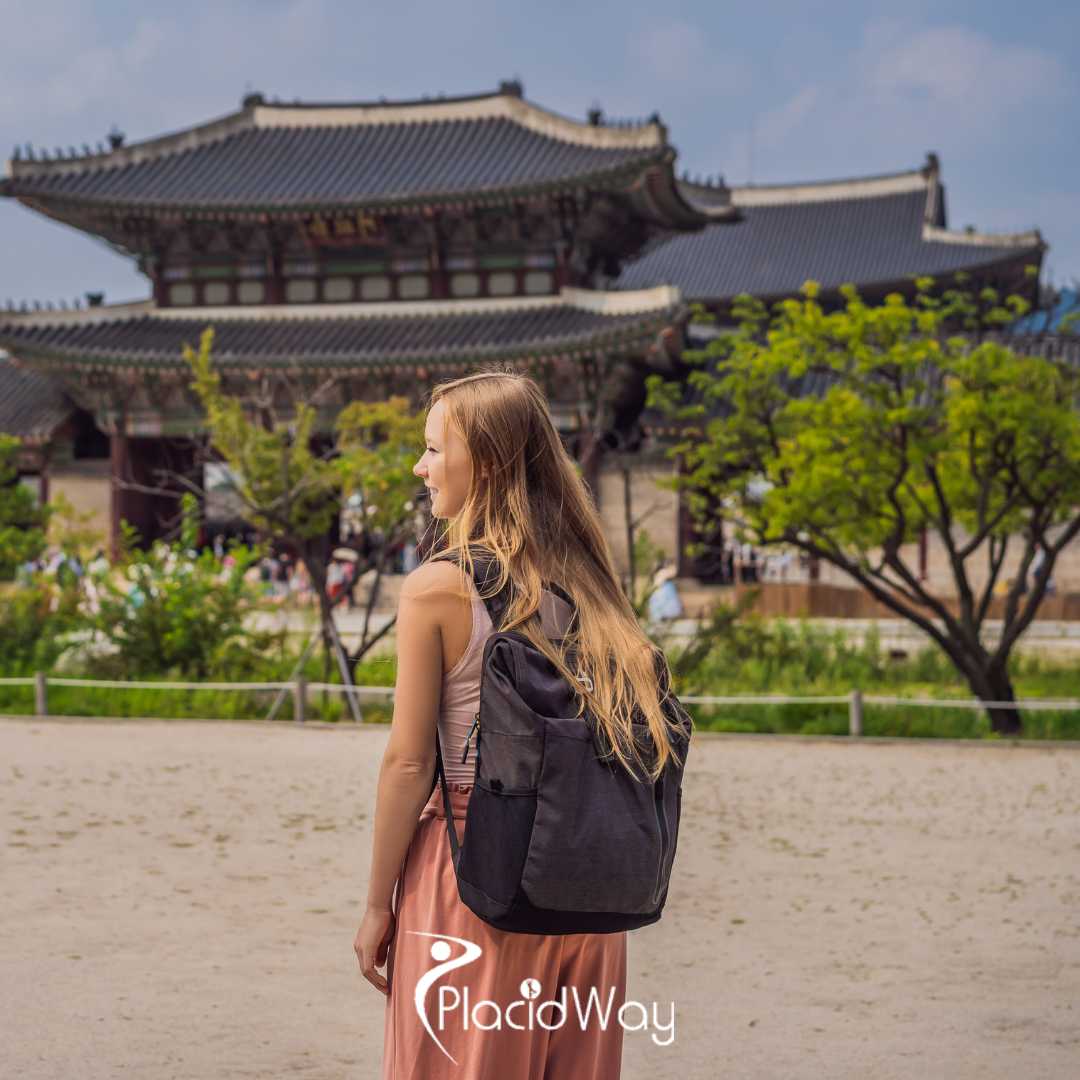
Planning a medical trip to South Korea is wonderfully straightforward. The country is built for tourism, and getting from your home country to a clinic in Gangnam is easier than you might think.
- Short-Haul Convenience: Patients flying from Tokyo, Taipei, Beijing, or Shanghai can reach Seoul’s Incheon or Gimpo airports in under 3 hours, making a weekend medical trip completely viable.
- Direct Flights from the US: American travelers have access to numerous direct flights from major hubs like Los Angeles, New York, and San Francisco, typically taking about 12 to 14 hours.
- Visa-Free Entry: US, Japanese, Taiwanese, and Singaporean citizens can enter South Korea visa-free for short stays (though an easy online K-ETA registration is often required). Chinese citizens should check current medical visa requirements.
- Airport to Gangnam Transit: Incheon International Airport offers luxury limousine buses that drop you right in the heart of Gangnam, as well as a high-speed airport railroad for quick city access.
- Medical Concierge Services: Many premium screening centers offer optional VIP pick-up services, greeting you at the arrival gate and driving you straight to your hotel or clinic.
What to Expect on Your Screening Day
Forget the sterile, intimidating hospitals you are used to. A health checkup in Gangnam operates with the precision of a Swiss watch and the comfort of a high-end spa.
- Strict Fasting Rules: You will be required to fast (no food or water) for at least 8 to 12 hours prior to your appointment to ensure your blood tests and endoscopies are perfectly clear.
- Comfort First: Upon arrival, you will change out of your street clothes and step into a comfortable, clinic-provided robe and slippers to wear throughout your journey.
- Guided Coordination: You will never wander the halls looking for a room. A dedicated nurse or English-speaking coordinator will escort you seamlessly from one testing station to the next.
- Rapid Testing Pace: Because all diagnostic machines are located on the same floor or within the same building, an incredibly thorough 20-test workup can be finished in just half a day.
- The Recovery Meal: After your endoscopy and fasting period, it is a beloved Korean tradition for the clinic to provide a comforting bowl of warm rice porridge (juk) to gently wake up your digestive system.
Combining Diagnostics with Gangnam’s Aesthetic Tourism
You are already in the beauty capital of the world why not make the most of it? Many international patients stack their medical checkups with minimally invasive aesthetic treatments.
- The "Inside-Out" Glow-Up: Once your morning health screening is finished, you can spend your afternoon visiting a nearby dermatology clinic for a hydrating skin booster or laser facial.
- Safe Botox and Fillers: Because aesthetic injectables do not require systemic downtime, they are completely safe to receive on the same day as your general health checkup.
- IV Nutritional Drips: Using the exact results from your morning blood panel, customized vitamin drips can be administered to target your specific deficiencies and cure jet lag.
- Luxury Recovery: Gangnam boasts high-end head spas and aesthetic lounges where you can relax and be pampered while you wait for your final medical report to be translated.
- Shopping and Sightseeing: Health screenings are not physically exhausting. By the afternoon, most patients feel completely fine to go luxury shopping at Starfield COEX Mall or explore the trendy cafes in Apgujeong.
Decoding South Korea’s Advanced Diagnostic Technology
The reason a screening in Seoul is so highly regarded comes down to their relentless adoption of cutting-edge medical technology. They simply see things that older, outdated machines miss.
- AI-Assisted Radiology: Artificial intelligence software is used to double-check chest X-rays and mammograms, catching micro-nodules that human eyes might inadvertently overlook.
- Low-Dose Radiation CTs: Capture incredibly detailed, 3D images of your heart and lungs without exposing your body to the heavy radiation associated with older scanning equipment.
- High-Resolution 3T MRIs: These top-tier magnetic resonance imaging machines offer unparalleled clarity for brain and spinal cord diagnostics, detecting early signs of aneurysms or dementia.
- Painless Endoscopy Sedation: Korean clinics use carefully monitored "conscious sedation" (often called twilight sleep), ensuring you feel zero discomfort or anxiety during stomach and colon examinations.
- Advanced Tumor Markers: Next-generation blood testing arrays can sniff out specific proteins linked to ovarian, pancreatic, and prostate cancers long before physical symptoms ever manifest.
Frequently Asked Questions
Do I really need to fast before my screening, and for how long?
Yes, absolute fasting is critical. You must avoid all food, water, gum, and black coffee for at least 8 to 12 hours prior to your appointment. This ensures your blood sugar levels are accurate and your stomach is completely empty for imaging and endoscopy.
Will I receive my test results before I fly back home?
Usually, yes. Standard blood work, X-rays, and physical assessments are often reviewed on the same day or the next day. However, if you require a biopsy during an endoscopy, pathology results may take a week and can be emailed to you securely.
I don't speak a word of Korean. Will this be a problem?
Not at all. Major screening centers in Gangnam cater specifically to international patients. You will be provided with a dedicated interpreter (for English, Mandarin, or Japanese) who stays by your side during every single step of the process.
Does a $220 package actually provide good value?
Absolutely. A baseline $220 package in Seoul typically covers a thorough physical, basic organ function blood panels, urine analysis, and a chest X-ray. It is an excellent, affordable option for younger patients with no underlying health concerns who want a general checkup.
What happens if the doctors find something concerning?
If a serious issue or tumor is detected, your screening doctor will immediately refer you to a specialist within the same hospital network or a top-tier university hospital in Seoul for further diagnostic testing and treatment planning.
Will my health insurance from the US or Singapore cover this?
In most cases, standard domestic health insurance does not cover elective medical tourism abroad. However, you should check with your specific provider, as some premium international health insurance plans do offer reimbursement for preventative screenings.
Is an endoscopy painful?
No. In South Korea, endoscopies and colonoscopies are performed under conscious sedation. You will take a short nap and wake up feeling refreshed, with no memory of the procedure and virtually no discomfort.
Can I get facial fillers or Botox on the same day?
Yes! Many medical tourists schedule their health screening for the morning and head to a cosmetic dermatology clinic in the afternoon. Just ensure you hydrate well and eat a light meal after your screening before heading to your aesthetic appointment.
Are these clinics accredited by international bodies?
The top-tier screening centers in Gangnam hold stringent accreditations, including JCI (Joint Commission International), which ensures their safety protocols, hygiene, and medical practices meet the highest global standards.
How often should I travel to Seoul for a full checkup?
Medical professionals generally recommend a comprehensive health screening once a year for individuals over the age of 40, or every two years for younger patients, depending on your family history and personal health risks.
Ready to Prioritize Your Wellness?
Taking control of your health shouldn't be a waiting game. Whether you want a basic preventative baseline or a deep-dive VIP checkup, our team is here to help you coordinate a seamless medical journey to Gangnam. Let's find the perfect screening package for your unique needs.
Request Free QuoteMedical Disclaimer: The information provided on this page is for general educational and informational purposes only and is not intended to be a substitute for professional medical advice, diagnosis, or treatment. Always seek the guidance of your physician or other qualified health provider with any questions you may have regarding a medical condition or treatment options.
Trusted References & Further Reading
- 1. World Health Organization (WHO) – Noncommunicable Diseases and Preventative Healthcare
- 2. National Center for Biotechnology Information (NCBI) – The Role of Artificial Intelligence in Medical Imaging and Diagnostics
- 3. Centers for Disease Control and Prevention (CDC) – Traveler's Health Information and Medical Preparation for South Korea
- 4. National Cancer Institute (NCI) – Understanding Cancer Screening Tests and Tumor Markers
- 5. National Library of Medicine (NLM) – The Gut-Skin Axis and the Importance of Gastrointestinal Health in Dermatology

.png)



.png)
.jpg)
.png)








Share this listing