
When Is POEM for Achalasia in Gangnam Recommended?

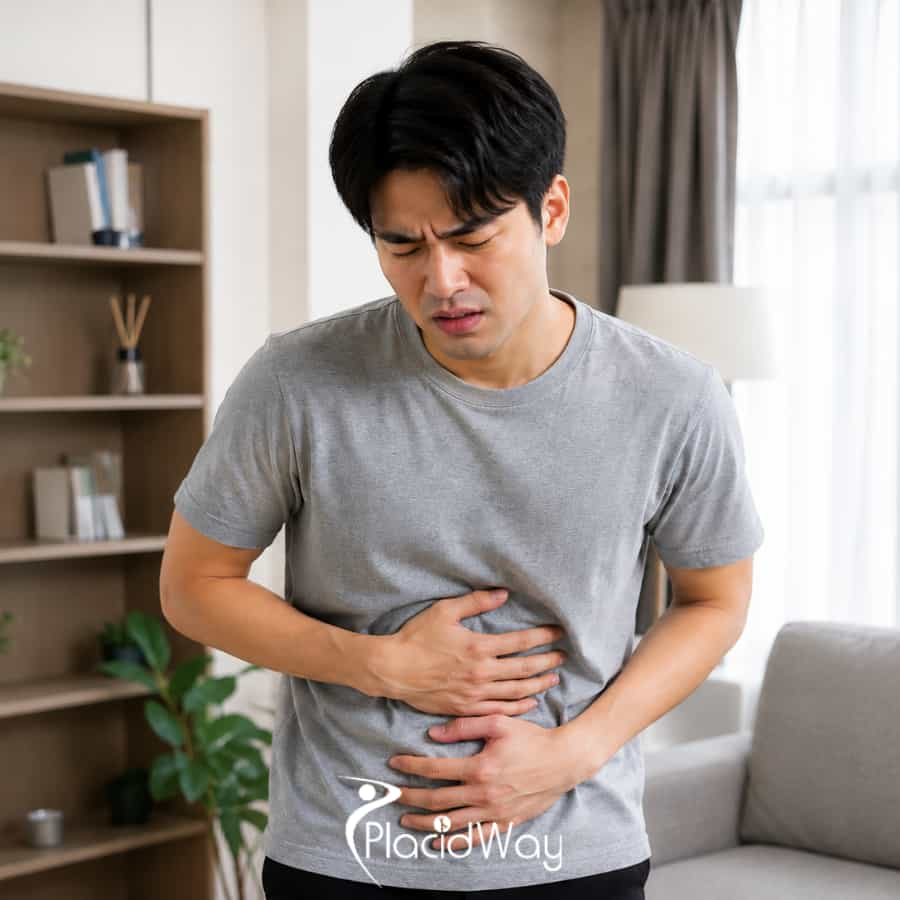
Eating is fundamentally designed to be an automatic, background function of human life. For individuals navigating the progressive realities of achalasia, every meal can become a calculated and exhausting negotiation. The simple act of swallowing transforms from an unconscious reflex into a conscious effort fraught with fear of regurgitation, severe chest pain, or unexpected choking.
When the condition advances, early treatments may provide temporary relief before symptoms gradually return. As less invasive measures lose their effectiveness, patients may begin exploring POEM for achalasia in Gangnam as a more durable treatment option.
The Decision Tension
The choice to pursue advanced endoscopic treatment often arises when the daily risks of living with severe malnutrition, weight loss, and esophageal damage finally outweigh the uncertainties of undergoing a major procedure. The central patient question shifts fundamentally from "How can I manage this temporarily?" to "Which structural intervention offers the most precise, long-term relief for my specific anatomy?"
The Mechanical Reality: Why Previous Treatments Stop Working
To understand why a treatment like POEM (Peroral Endoscopic Myotomy) enters the conversation, it is necessary to examine why earlier interventions may have failed. Achalasia is not merely a stricture or a physical blockage; it is a profound neuromuscular failure of the esophagus. The coordinated muscle waves that typically push food downward, known as peristalsis, are entirely absent, and the lower esophageal sphincter (LES) fails to relax during swallowing.
When this muscular valve remains tightly clamped, food and liquids pool in the esophageal body. Over time, the esophagus slowly stretches, dilates, and loses even more of its structural integrity. Treatments that do not permanently address the underlying tension of the LES often require eventual repetition, leading patients to seek more definitive interventions.
The Pathway of Diminishing Returns
- • Botulinum Toxin Injections: Botox temporarily paralyzes the sphincter muscle, offering a brief window of relief. However, the neurotoxin naturally metabolizes over several months, and the muscle tightens again, often yielding progressively shorter periods of relief with each subsequent injection as scar tissue develops.
- • Pneumatic Dilation: This approach uses a specialized balloon to forcefully stretch and tear the muscle fibers of the LES. While highly effective for many in the short term, it carries a risk of esophageal perforation and frequently requires multiple dilation sessions over a patient's lifetime.
- • Medication Management: Muscle relaxants and calcium channel blockers attempt to reduce sphincter pressure medically. For individuals with moderate to severe achalasia, the systemic side effects frequently outweigh the modest improvements in swallowing capability.
High-Resolution Manometry: The Map for Myotomy
Before any structural intervention is planned, gastroenterologists rely heavily on High-Resolution Manometry (HRM) to map the specific motor failures of the esophagus. This diagnostic test involves passing a highly sensitive, pressure-sensing catheter through the nose and into the stomach to measure the exact strength and coordination of muscle contractions. The rich data generated by HRM allows clinicians to categorize the condition according to the Chicago Classification system.
Identifying the specific subtype of achalasia is not merely an academic exercise; it directly dictates which surgical or endoscopic approach offers the highest probability of clinical success. Because the esophageal anatomy and failure mechanisms vary significantly from patient to patient, the length and location of the required muscle cut must be precisely tailored to the diagnostic findings.
Type I (Classic)
Minimal contractility in the esophageal body combined with a tight sphincter. Both POEM and laparoscopic surgery demonstrate high efficacy rates for this standard presentation.
Type II (Pressurized)
Characterized by pan-esophageal pressurization as the esophagus attempts to push against a closed valve. Generally shows the highest favorable response rates to all major interventions.
Type III (Spastic)
Involves severe, uncoordinated spasms in the esophageal body. POEM is frequently preferred for Type III because the endoscopist can easily extend the muscle cut higher up the esophagus to stop the spasms.
Understanding the POEM Intervention
Peroral Endoscopic Myotomy (POEM) represents a significant evolution in therapeutic gastroenterology. Rather than approaching the tight muscle from the outside of the body through traditional abdominal incisions, a highly specialized endoscopist approaches it from the inside. The physician utilizes the natural pathway of the mouth and throat, completely eliminating the need to breach the external abdominal cavity.
The procedure is technically demanding and relies on an advanced technique known as submucosal tunneling. Understanding this underlying mechanical mechanism helps clarify why POEM requires an operator with exceptional endoscopic precision, a reality that often leads patients to research specialized international hubs known for high-volume therapeutic endoscopy.
? The Four Stages of Submucosal Tunneling
- The Mucosal Entry: The endoscopist injects fluid into the lining of the esophagus to lift the innermost layer (the mucosa) away from the deeper muscle layers. A small incision is made in this inner lining to create an access point.
- Creating the Tunnel: The endoscope is carefully advanced beneath the inner lining but strictly above the outer muscle layer. The physician burrows a literal tunnel down the wall of the esophagus, moving toward the stomach.
- The Targeted Myotomy: Once the endoscope safely reaches the lower esophageal sphincter, a specialized electrified knife deliberately divides the abnormally tight circular muscle fibers, releasing the stricture from the inside.
- Closing the Entry: The endoscope is withdrawn from the tunnel, and the small initial entry point in the mucosa is securely closed with metallic endoscopic clips, leaving the surface of the esophagus intact while the underlying muscle remains severed.
The Core Comparison: POEM vs. Laparoscopic Heller Myotomy
When structural intervention finally becomes necessary, the patient's decision almost always comes down to a choice between POEM and a Laparoscopic Heller Myotomy (LHM). Both procedures share the same fundamental mechanical goal: cutting the restrictive muscle fibers at the gastroesophageal junction to relieve the outflow obstruction. However, the physiological path taken to achieve this outcome differs substantially.
Choosing between them involves navigating highly specific clinical trade-offs regarding surgical invasiveness, the ability to treat spastic subtypes of achalasia, and the mathematical probability of long-term reflux complications. The optimal choice remains highly individualized and depends deeply on the precise anatomical findings generated during preoperative evaluation.
| Feature | POEM (Endoscopic) | Laparoscopic Heller Myotomy (LHM) |
|---|---|---|
| Incision Type | No external incisions. Accessed entirely through the mouth. | Multiple small keyhole incisions in the abdomen (laparoscopy). |
| Length of Muscle Cut | Can be easily extended high up the esophagus, making it highly effective for Type III (spastic) achalasia. | Typically shorter; technically difficult to extend high into the chest cavity safely from an abdominal approach. |
| Anti-Reflux Mechanism | Does not include an anti-reflux wrap. High reliance on post-procedure acid reduction medication. | Routinely paired with a fundoplication (wrapping the stomach) to mechanically block acid reflux. |
| Post-Procedure Pain | Generally less somatic pain due to the total absence of abdominal muscle disruption. | Moderate abdominal soreness and temporary shoulder pain from laparoscopic gas exposure. |
The Primary Evidence Trade-Off: Dysphagia vs. Reflux
The most substantial point of uncertainty for any patient considering POEM is the distinct clinical trade-off between restoring swallowing capability and managing gastroesophageal reflux disease (GERD). The lower esophageal sphincter serves a critical dual purpose in human anatomy: it relaxes to let food travel down, and it maintains tension to keep stomach acid from splashing upward. By intentionally cutting these muscle fibers to cure the swallowing obstruction, POEM effectively compromises the primary physiological barrier against acid exposure.
Because the procedure is performed entirely from within the narrow confines of the esophageal tube, the physician cannot mechanically rebuild an anti-reflux valve. This stands in stark contrast to an external Heller myotomy, where a partial fundoplication—wrapping a portion of the stomach around the esophagus—is routinely performed concurrently to mitigate postoperative reflux.
Clinical Warning The Long-Term Reflux Factor
Clinical studies and long-term trials routinely note that while POEM provides excellent, durable relief from the obstructive symptoms of achalasia, it is associated with a markedly higher incidence of post-procedure GERD compared to surgical approaches. Many patients experience silent reflux, meaning acid damages the esophagus without causing traditional heartburn.
Patients undergoing POEM must critically consider their willingness to transition to daily, potentially lifelong, Proton Pump Inhibitor (PPI) therapy to aggressively suppress stomach acid. Unmanaged acid exposure in a paralyzed esophagus can lead to severe mucosal inflammation (esophagitis) and drive long-term cellular changes known as Barrett's esophagus.
Before proceeding with the endoscopic route, a thorough discussion regarding long-term acid suppression and endoscopic surveillance is absolutely paramount. Clinicians typically require ongoing monitoring protocols to ensure that silent reflux is not causing invisible damage to the esophageal lining over the decades following the myotomy.
Why South Korea Enters the Healthcare Decision
For individuals researching POEM globally, destination hubs like Gangnam, Seoul frequently emerge in the complex decision-making process. The relevance of South Korea to a highly specialized gastrointestinal procedure stems from a distinct alignment of national public health policies and concentrated procedural volume. Because the nation experiences higher regional rates of gastric cancer, the South Korean healthcare infrastructure places immense emphasis on aggressive, population-wide endoscopic screening.
As a direct consequence of this screening volume, a substantial generation of South Korean gastroenterologists has been rigorously trained in Endoscopic Submucosal Dissection (ESD). This specific technique involves meticulously removing early-stage tumors from beneath the gastrointestinal lining, which happens to be the exact foundational skill set required to safely master the submucosal tunneling techniques utilized in POEM.
The Concentration of Expertise
Within the major academic and specialized medical centers situated throughout Seoul, high-volume endoscopy units manage clinical case loads that build deep institutional familiarity with procedural nuances. When selecting a provider for a highly operator-dependent procedure like POEM, specialized daily experience with submucosal planes heavily influences potential clinical outcomes and complication rates.
Navigating the Gangnam Medical District
Navigating international healthcare travel for a gastrointestinal intervention demands meticulous pre-planning. A patient arriving in a foreign destination with significant swallowing difficulties faces unique nutritional and logistical hurdles that extend far beyond simply booking a hospital appointment. Interpreting local medical systems, securing appropriate post-procedure nutrition, and managing translation needs all require deliberate preparation.
Individuals researching POEM in the Gangnam medical district may encounter early diagnostic phases, localized procedure components, or specific consultation fees listed broadly in online literature. Understanding the true context of these financial figures is essential for accurate travel planning.
Understanding Financial Context ($300 to $2,000)
It is crucial to understand that lower published price ranges (e.g., $300 - $2,000) generally represent starting points for localized diagnostic workups—such as high-resolution manometry, baseline endoscopy, or initial clinical consultations—rather than comprehensive procedural packages. A complete international POEM trajectory involving advanced endoscopy suites, general anesthesia, multi-day hospitalization, translation services, and subsequent imaging requires a thorough, individualized financial evaluation with the providing hospital, which will represent a significantly larger investment.
| Country | Typical Price (USD) | Why Patients Travel From Here |
|---|---|---|
| South Korea (Gangnam) | $300 – $2,000 (diagnostics only)* | The baseline price referenced throughout this article. |
| United States | $15,000 – $30,000 | POEM is a highly specialized, low-volume procedure available only at a small number of US academic centers, which keeps pricing high — a very different profile from routine endoscopy. |
| Russia | $4,000 – $10,000 | Advanced endoscopic procedures like POEM are available at only a small number of Russian centers, at costs well above Korea's specialized-clinic pricing. |
| Mongolia | $2,500 – $7,000 | POEM is not widely available domestically in Mongolia, which is a core reason patients travel abroad for this specific procedure rather than seeking local treatment. |
Figures are general market ranges compiled from multiple clinics and medical-travel sources as of 2026; individual quotes vary by clinic, technique, and case complexity. *The South Korea figure above reflects diagnostic workup pricing only, as explained earlier in this article — a full international POEM package is quoted individually and typically costs significantly more.
Hotel Recovery and the Liquid Diet Transition
Recovering from an internal esophageal myotomy while residing in an international hotel requires substantial preparation and environmental awareness. The immediate postoperative period dictates strict dietary limitations to protect the newly created mucosal clips and the delicate healing tissue within the esophageal wall. Because the esophagus remains partially compromised immediately after the procedure, the transition back to solid food is typically phased meticulously over several weeks.
Patients must plan their accommodations and local support structure with these highly stringent dietary requirements in mind. Interestingly, recovering in Seoul offers unique nutritional advantages for patients restricted to purees and liquids, provided they or their caregivers know how to navigate the local food landscape.
Dietary Sourcing in Seoul
Traditional Korean cuisine features a robust culture of nutrient-dense rice porridges, known locally as juk. Major pharmacy chains and widespread franchises (like Bonjuk) specialize in highly digestible, finely pureed meals that perfectly align with post-POEM dietary phases. This local culinary infrastructure can significantly ease the burden of finding acceptable nutrition during the hotel recovery phase, provided the patient avoids spicy or highly acidic variants.
Companion Planning and Caregiver Tasks
Traveling with a designated companion is highly recommended when undergoing a major gastrointestinal intervention far from home. The immediate physical and logistical demands of navigating a massive metropolitan center like Seoul can quickly overwhelm a patient recovering from general anesthesia and an internal muscle dissection. A caregiver’s role frequently shifts from simple moral support to active project management.
Beyond handling heavy luggage and coordinating airport transfers, the companion serves as the critical communication bridge between the patient and the international hospital coordination team. Ensuring that all post-operative instructions are understood and followed is a primary responsibility.
Critical Caregiver Responsibilities
- Lifting Restrictions: Managing all luggage, transportation doors, and heavy items. Physical straining immediately post-procedure can increase abdominal pressure and theoretically compromise the internal healing site.
- Dietary Coordination: Locating clear broths, specific approved liquids, and managing the translation of food packaging ingredients in local grocery markets to ensure compliance with the surgeon's phased diet plan.
- Clinical Communication: Serving as the primary point of contact should the patient experience unexpected chest pain, fever, or excessive nausea during the hotel recovery phase, requiring immediate communication with the clinic.
- Record Management: Ensuring all procedural videos, discharge summaries, and post-operative imaging reports are translated and secured on a digital drive before departing the country.
Continuity of Care: Returning Home
The overall success of an international POEM procedure does not conclude when a patient boards the flight home from Incheon International Airport. Achalasia remains a chronic, lifelong motility disorder; while the mechanical obstruction at the sphincter may be successfully relieved, the underlying lack of esophageal peristalsis remains completely unchanged. Food will still rely heavily on gravity and liquids to travel down the esophagus, requiring ongoing behavioral adaptations.
Establishing continuity of care with a local gastroenterologist before departing for South Korea is a critical, non-negotiable step in the decision-making process. The patient's local physician will ultimately be responsible for managing long-term acid suppression protocols, conducting necessary surveillance endoscopies, and interpreting the detailed operative reports generated by the Korean medical team.
The Changing Normal
For many individuals, the weeks following POEM mark a profound shift in quality of life. The gradual reintroduction of solid foods, the ability to sleep horizontally without severe regurgitation fears, and the return of social dining can feel transformative. However, this new baseline frequently requires diligent adherence to daily medication schedules and ongoing dietary mindfulness to protect against the newly introduced risks of reflux.
The decision to pursue POEM in a specialized international hub like Seoul requires carefully balancing the procedural expertise of high-volume practitioners against the inherent complexities of recovering far from home. By critically evaluating the evidence, preparing for the long-term reflux trade-off, and meticulously planning the logistical journey, patients can approach this complex intervention with clarity and informed medical agency.
Frequently Asked Questions
How is POEM different from a traditional Heller myotomy?
POEM is an endoscopic procedure performed entirely through the mouth without external incisions, whereas a Laparoscopic Heller Myotomy requires small surgical incisions in the abdomen. Additionally, POEM allows the physician to make a longer cut along the esophageal muscle, which can be particularly beneficial for specific subtypes of achalasia.
Why is acid reflux a common complication after POEM?
The procedure intentionally cuts the lower esophageal sphincter muscle to allow food to pass into the stomach. While this relieves swallowing difficulties, it also removes the natural barrier that prevents stomach acid from flowing upward. Unlike some surgical options, POEM does not include an anti-reflux wrapping procedure.
How long does a patient need to stay in South Korea after POEM?
Patients are typically advised to remain in the area for at least 7 to 10 days post-procedure. This allows the clinical team to conduct essential follow-up imaging, monitor the early stages of the liquid diet transition, and ensure there are no immediate mucosal leaks or complications before international travel.
What do the initial $300 to $2,000 price estimates in Gangnam usually cover?
In the context of complex endoscopic care in South Korea, these lower published price ranges typically reflect initial clinical consultations, localized diagnostic workups, or specific component fees rather than comprehensive procedural packages. A full international POEM package involving hospitalization and advanced endoscopy suites requires a comprehensive financial assessment.
Is POEM considered a permanent cure for achalasia?
Achalasia is a chronic motility disorder without a definitive cure. POEM is designed to provide long-term symptomatic relief by structurally modifying the esophageal sphincter. While many individuals experience years of improved swallowing, the underlying nerve damage remains, and some patients may require ongoing management for symptoms or reflux.
Take the Next Step in Your Decision Journey
Connect with our team to request information, clarify specialized treatment protocols, and understand your potential next steps for care in South Korea.
Request More InformationReferences
https://pubmed.ncbi.nlm.nih.gov/31874272/
https://www.ncbi.nlm.nih.gov/pmc/articles/PMC6449174/
https://pubmed.ncbi.nlm.nih.gov/30040316/
https://pubmed.ncbi.nlm.nih.gov/31333798/
https://pubmed.ncbi.nlm.nih.gov/32483898/
https://www.ncbi.nlm.nih.gov/pmc/articles/PMC8918237/
This content is for educational purposes only and is not medical advice. Diagnosis, treatment suitability, risks, recovery, travel timing and outcomes vary by individual and procedure. Decisions should be made with appropriately qualified healthcare professionals after an individual assessment. PlacidWay provides healthcare information and facilitation services and is not the treating physician, clinic or hospital.












Share this listing