


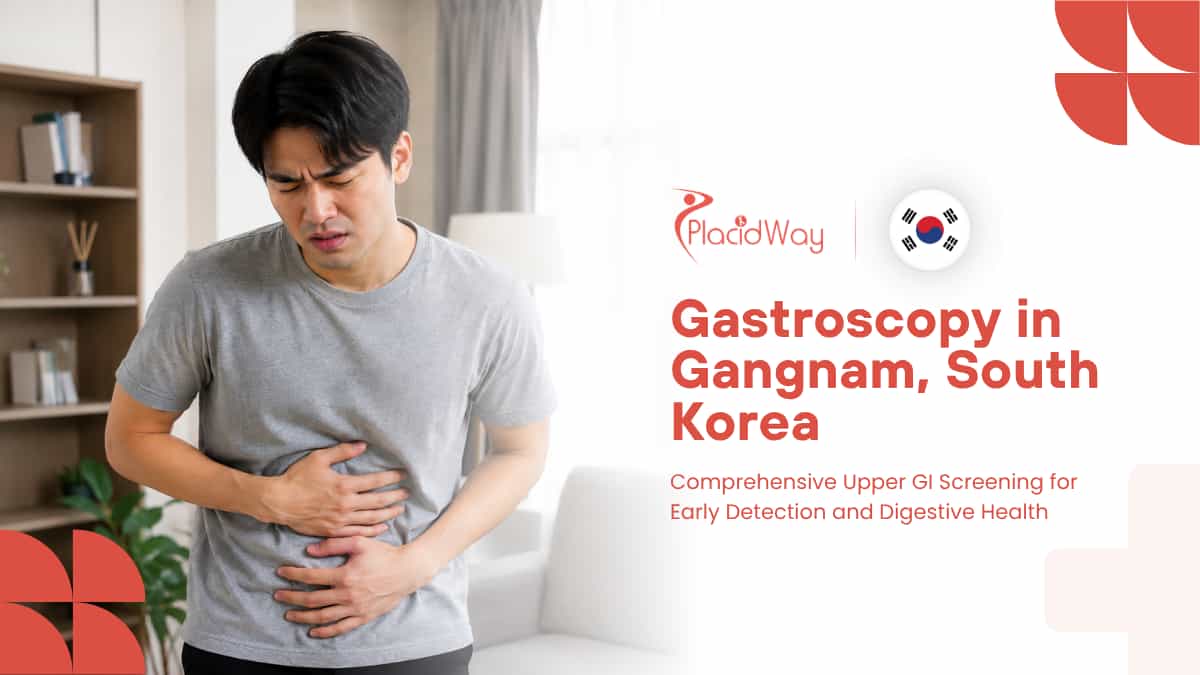
Want to know the real secret behind that flawless, world-famous Seoul glow? True wellness actually starts from the inside out, which is why a routine gastroscopy (upper GI endoscopy) in Gangnam has become a must-do health checkup for wellness-savvy travelers from the US, Japan, Taiwan, and Singapore. The modern K-Beauty trend has heavily shifted toward "inner beauty" and gut health, recognizing that digestive wellness directly impacts skin clarity, energy levels, and preventative aging. Patients from these regions are choosing South Korea for their stomach screenings because the clinics here offer lightning-fast, ultra-precise diagnostic care using top-tier technology—all at a fraction of the cost you would pay back home, without compromising on luxury or medical safety.
Key Package Insights
- Transparent Cost: The package ranges comfortably from $300 to $2,000, easily adjusting based on sedation preferences, required biopsies, and comprehensive screening add-ons.
- Global Accreditations: Screenings are performed in elite facilities boasting JCI (Joint Commission International) and KAHF (Korean Accreditation Program for Healthcare Facilities) certifications for maximum safety.
- The K-Wellness Trend: Gut health is the ultimate K-Beauty foundation; clearing digestive inflammation is now viewed as the first vital step to achieving clear skin and holistic anti-aging.
- Advanced Imaging Tech: Centers utilize high-definition (HD) and Narrow Band Imaging (NBI) endoscopes, acting like a 4K camera to spot microscopic anomalies long before they become problematic.
- Unmatched Efficiency: Korean clinics are famous for their streamlined operations—you can complete your consultation, twilight sedation, screening, and recovery in just a few hours.
- Seamless Translation: Medical concierge teams provide real-time English, Mandarin, and Japanese translation, ensuring you fully understand your detailed diagnostic reports.
Why Choose Gangnam for Your Upper GI Endoscopy?
Gangnam isn't just about high-end shopping and revolutionary skincare; it has firmly established itself as the global epicenter for ultra-efficient, highly advanced preventative health screenings. Patients from the United States, China, Japan, Taiwan, and Singapore are flying in specifically to bypass the massive wait times and sky-high deductibles of their local healthcare systems. Here is exactly why international patients are turning to Seoul for their digestive checkups:
- Escaping US Healthcare Costs: American patients frequently combine a vacation to Korea with their medical screenings, as the out-of-pocket cost for a gastroscopy in Gangnam is often less than a standard US insurance deductible.
- Weekend Health Trips from Japan & Taiwan: Because of short flight times, Japanese and Taiwanese travelers are treating Gangnam as a convenient weekend destination for fast, high-tech, preventative medical checkups.
- State-of-the-Art Diagnostics: South Korea has one of the highest rates of gastric screening in the world, meaning their gastroenterologists possess unmatched expertise and use the absolute latest endoscopic technology.
- The Luxury Clinic Experience: Gangnam health centers look and feel more like boutique hotels than sterile hospitals, offering private recovery rooms and premium VIP patient care.
- Immediate, Translated Results: Unlike clinics in other countries that make you wait weeks for results, Korean centers typically hand you a fully translated, comprehensive report the very same day.
The K-Beauty Connection: Why Gut Health is the New Skincare
K-Beauty has heavily evolved past superficial creams and lasers—today’s wellness trendsetters know that chronic digestive inflammation shows up directly on your face. A glowing complexion requires a healthy microbiome and optimal nutrient absorption, which is why gut health screenings are trending as the ultimate beauty foundation.
- Inner Beauty Equals Outer Glow: Korean wellness philosophy dictates that underlying gastrointestinal issues, like acid reflux or H. pylori infections, can trigger rosacea, acne, and premature aging.
- Holistic Anti-Aging: Modern medical tourists are pairing their external dermatological procedures with internal preventative health checks to ensure long-term, systemic vitality.
- The Detoxification Craze: Clearing out gut issues is viewed as the ultimate physical detox, allowing your body to properly process the healthy foods and supplements you consume daily.
- Personalized Nutrition: Once a gastroscopy identifies any stomach lining sensitivities, patients can tailor their diets perfectly, a massive trend in the bio-hacking and wellness communities.
- Preventative Mindset: K-Wellness is inherently preventative rather than reactive; catching minor inflammation early keeps the body youthful, energetic, and functioning flawlessly.
Global Cost Comparison for Upper GI Endoscopy
When you look at the raw numbers, the value of booking a gastroscopy package in South Korea becomes instantly clear. You receive world-class care, advanced sedation, and rapid results for significantly less than you would pay in many Western or neighboring Asian nations.
| Country / Region | Estimated Cost Range (USD) | Wait Time & Accessibility |
|---|---|---|
| Gangnam, South Korea | $300 - $2,000 | Fast booking, walk-in to same-day results |
| United States | $2,500 - $7,000+ | Long wait times, complex insurance hurdles |
| Singapore | $1,000 - $3,500 | Excellent care but highly premium pricing |
| Japan | $500 - $1,500 | Good value, but translation services can be scarce |
Please note that this is an estimated cost pending a thorough medical assessment upon your arrival. Final pricing may naturally fluctuate based on whether specific biopsies, H. pylori testing, or mild polyp removals are required during your actual screening.
What is Included in Your Package
- Comprehensive pre-procedure medical consultation
- Conscious/twilight sedation (typically Propofol or Midazolam)
- High-Definition (HD) Upper GI Endoscopy procedure
- Real-time medical translation services (English/Chinese/Japanese)
- Access to a private, comfortable post-procedure recovery room
- Detailed medical diagnostic report and imagery provided in your language
What is Excluded from Your Package
- International flights and local accommodation in Seoul
- Complex polyp removals (polypectomy) if discovered during screening
- Laboratory pathology fees for tissue biopsies
- Prescription medications for pre-existing or newly discovered conditions
- Specialized breath tests for H. Pylori (unless bundled in premium tiers)
- Airport transfer and personal sightseeing expenses
Required Medical Records for a Safe Assessment
To ensure a smooth, entirely safe procedure, your Korean medical team will need a quick look at your health history before you go under sedation. Gathering these records beforehand prevents any unexpected delays during your clinic visit.
- Current Medication List: Especially any blood thinners (like Aspirin or Warfarin), diabetes medications, or daily blood pressure pills.
- Previous Endoscopy Reports: If you've had a gastroscopy before, past reports help doctors compare your baseline and look for specific changes.
- Recent Blood Work: General metabolic panels or CBC (Complete Blood Count) from the last 6 months, if available, to confirm sedation safety.
- Chronic Condition Details: Documentation of heart disease, asthma, severe sleep apnea, or ongoing gastrointestinal diseases.
- Allergy Information: A documented list of known allergies, particularly to anesthetics, latex, or specific pain medications.
Seamless Travel Guide: Getting to Gangnam for Your Screening
Traveling across the globe for a medical checkup sounds daunting, but South Korea has engineered its medical tourism infrastructure to be incredibly user-friendly. Whether you are flying in from New York, Taipei, or Singapore, getting to your clinic in Gangnam is a breeze.
- Direct Flights Galore: Incheon International Airport (ICN) serves as a massive hub, offering direct flights from major US cities, daily quick hops from Tokyo and Taipei, and direct routes from Singapore.
- The Airport Limousine Bus: You don’t need to figure out complex train transfers; simply hop on the KAL Limousine Bus right outside the arrivals terminal, which drops you directly in the heart of Gangnam.
- Medical Visas Aren't Usually Needed: For a routine gastroscopy, patients from the US, Japan, Taiwan, and Singapore generally enter Korea easily on standard tourist visa waivers or K-ETA (Electronic Travel Authorization).
- Boutique Accommodations Nearby: Gangnam is packed with comfortable, recovery-friendly hotels located mere steps away from top-tier medical centers, minimizing your travel stress on procedure day.
- Navigating the City in English: Almost all subway signs, major restaurants, and medical concierge desks in Gangnam cater excellently to English and Chinese speakers.
What to Expect During Your Upper GI Endoscopy in Korea
If you are feeling nervous about swallowing a camera, you can relax. The Korean approach to gastroscopy is hyper-efficient, utilizing gentle conscious sedation so that the entire experience feels like nothing more than a refreshing 20-minute nap.
- The Intake and Translation: Upon arrival, your assigned translator guides you through paperwork, medical history confirmation, and a brief chat with the gastroenterologist.
- Quick Prep and IV Placement: You will change into a comfortable clinic gown and a nurse will expertly place a small IV in your arm to administer the twilight sedation.
- The Gentle Nap: Once the sedative flows, you will drift off immediately; you won't feel the endoscope gently passing through your esophagus, stomach, and duodenum.
- Waking Up Comfortably: You will wake up in a softly lit recovery bay. There is no heavy grogginess, though you might feel slightly sleepy for about 30 minutes.
- Immediate Case Review: Once you are alert, the doctor (via your translator) will show you the crisp, high-definition images of your stomach lining and explain any findings on the spot.
Dietary Guidelines: How to Prep for a Korean Gastroscopy
A crystal-clear stomach allows the endoscope's camera to catch even the most microscopic signs of inflammation. To get the most accurate diagnostic results, you will need to follow some basic, very manageable fasting rules before your appointment.
- The 8-Hour Fasting Rule: You must completely stop eating all solid foods at least 8 to 12 hours prior to your scheduled procedure time to ensure an empty stomach.
- No Water Right Before: While clear liquids might be allowed earlier in your fast, you will generally be asked to stop drinking even water 2 to 4 hours before the appointment.
- Avoid Red or Purple Drinks: In the 24 hours leading up to your fast, avoid any dark, red, or purple beverages, as these can stain the stomach lining and mimic the appearance of blood.
- Pause Certain Supplements: Stop taking fish oil, iron pills, and heavy multivitamins a few days prior, as these can affect blood clotting or interfere with visual clarity in the GI tract.
- Enjoy Light Meals Before Fasting: Make your last meal before the fast a light, easily digestible one—think clear broths, plain rice, or steamed tofu rather than a heavy Korean BBQ feast.
Pairing Your Endoscopy with a Gangnam Wellness Itinerary
Because the recovery from a sedated gastroscopy is wonderfully rapid, you don't have to sacrifice your entire vacation. With a little smart planning, you can seamlessly integrate your health checkup into a broader Korean wellness and aesthetic holiday.
- Embrace Korean Porridge (Juk): Immediately post-procedure, treat your stomach to a warm, comforting bowl of traditional Korean Juk (rice porridge)—it is delicious, soothing, and easily found all over Gangnam.
- Schedule Gentle Aesthetics Later: It is perfectly safe to book non-invasive dermatology treatments, like hydrating facials or mild laser therapies, for the afternoon or the day after your endoscopy.
- Enjoy Light Shopping: Since you shouldn't operate machinery or make massive financial decisions right after sedation, a leisurely, low-stress stroll through the COEX Mall is a perfect afternoon activity.
- Skip the Spicy Foods Initially: Give your digestive tract 24 hours of peace before you dive into spicy Kimchi Jjigae or fiery Tteokbokki, especially if a biopsy was taken.
- Avoid Intense Heat Therapy: Hold off on visiting high-heat Korean saunas (Jjimjilbang) for at least a day, as your body is still metabolizing the sedative and heat can cause dizziness.
Frequently Asked Questions About Gastroscopy in South Korea
How long does a gastroscopy under sedation actually take?
The actual time the camera is inside your stomach is remarkably brief, usually lasting only 5 to 10 minutes. However, with preparation, IV placement, the twilight sedation nap, and the post-procedure recovery, you should expect to spend a total of 1.5 to 2 hours at the clinic.
Will I feel pain during an upper GI endoscopy?
Not at all. Because Korean clinics standardly use highly effective twilight sedation (often Propofol), you will be in a comfortable, deep sleep during the procedure. You will wake up with zero memory of the camera and, at most, a very mild, temporary sore throat.
How long do I need to stay in Seoul for this procedure?
If you are flying in purely for a health screening, a 3-day, 2-night stay is generally sufficient. Arrive on day one, have your fasted procedure on day two, receive your results that afternoon, and safely fly back home on day three.
Are the doctors in Gangnam fluent in English?
Many top-tier gastroenterologists in Gangnam have trained or presented internationally and speak excellent English. Furthermore, dedicated international clinics provide professional, medically-trained interpreters who stay by your side from the waiting room to the recovery bay to ensure crystal-clear communication.
Can I get a gastroscopy if I am traveling to Korea solo?
Yes, you absolutely can. While clinics in the US often require a family member to drive you home after sedation, Gangnam’s robust public transit and widely available taxi services mean solo travelers can easily and safely return to their nearby hotels post-recovery.
What happens if the doctor finds a polyp during my stomach checkup?
If a small, suspicious polyp or area of inflammation is spotted, the doctor will usually take a tiny tissue sample (biopsy) right then and there. This adds practically no time to the procedure, does not hurt, and the tissue is sent immediately to the lab for pathology testing.
Is twilight sedation safe for international patients?
Yes, conscious sedation is heavily regulated and monitored in JCI-accredited Korean clinics. Before administering anything, your vitals and health history are rigorously checked, and you are closely monitored by specialized anesthesiology staff throughout the brief nap.
How soon can I eat spicy Korean food after my endoscopy?
While your appetite will return quickly, doctors strongly recommend sticking to bland, soft foods for the first 12 to 24 hours to prevent irritating your freshly examined stomach lining. Save the spicy Kimchi and fried chicken for the following day.
Can I fly back to the US or Singapore the exact same day?
Medically, it is possible, but it is highly discouraged. You will still have lingering sedatives in your system, which can make navigating an airport stressful and increase jet lag. It is much safer and more comfortable to rest in a Seoul hotel for one night before enduring a long flight.
How do I prepare for my fasting appointment if I have severe jet lag?
Jet lag can confuse your body's hunger cues. The best strategy is to schedule your endoscopy for early morning in Seoul. Stop eating after dinner the night before, sleep through your fasting period, and get the checkup done immediately upon waking.
Ready to Prioritize Your Wellness Journey in Seoul?
Taking charge of your gut health has never been easier or more comfortable. If you are planning a trip to Gangnam and want to secure a slot for a high-tech, stress-free gastroscopy, our team is here to help you coordinate everything seamlessly.
Request Free QuoteMedical Disclaimer: The information provided on this page is for general informational and educational purposes only. It is not a substitute for professional medical advice, diagnosis, or treatment; always consult with a qualified healthcare provider regarding your personal health condition.
- National Institute of Diabetes and Digestive and Kidney Diseases (NIDDK) - Understanding Upper GI Endoscopy
- Mayo Clinic - Upper Endoscopy Patient Preparation and Safety
- World Health Organization (WHO) - Global Stomach Cancer and Screening Data
- PubMed Central - Efficacy of Narrow Band Imaging (NBI) in Early Gastric Cancer Detection
- American Society for Gastrointestinal Endoscopy (ASGE) - Understanding the Upper Endoscopy Procedure
.png)

.png)
.png)
.png)
.png)


.jpg)








Share this listing