


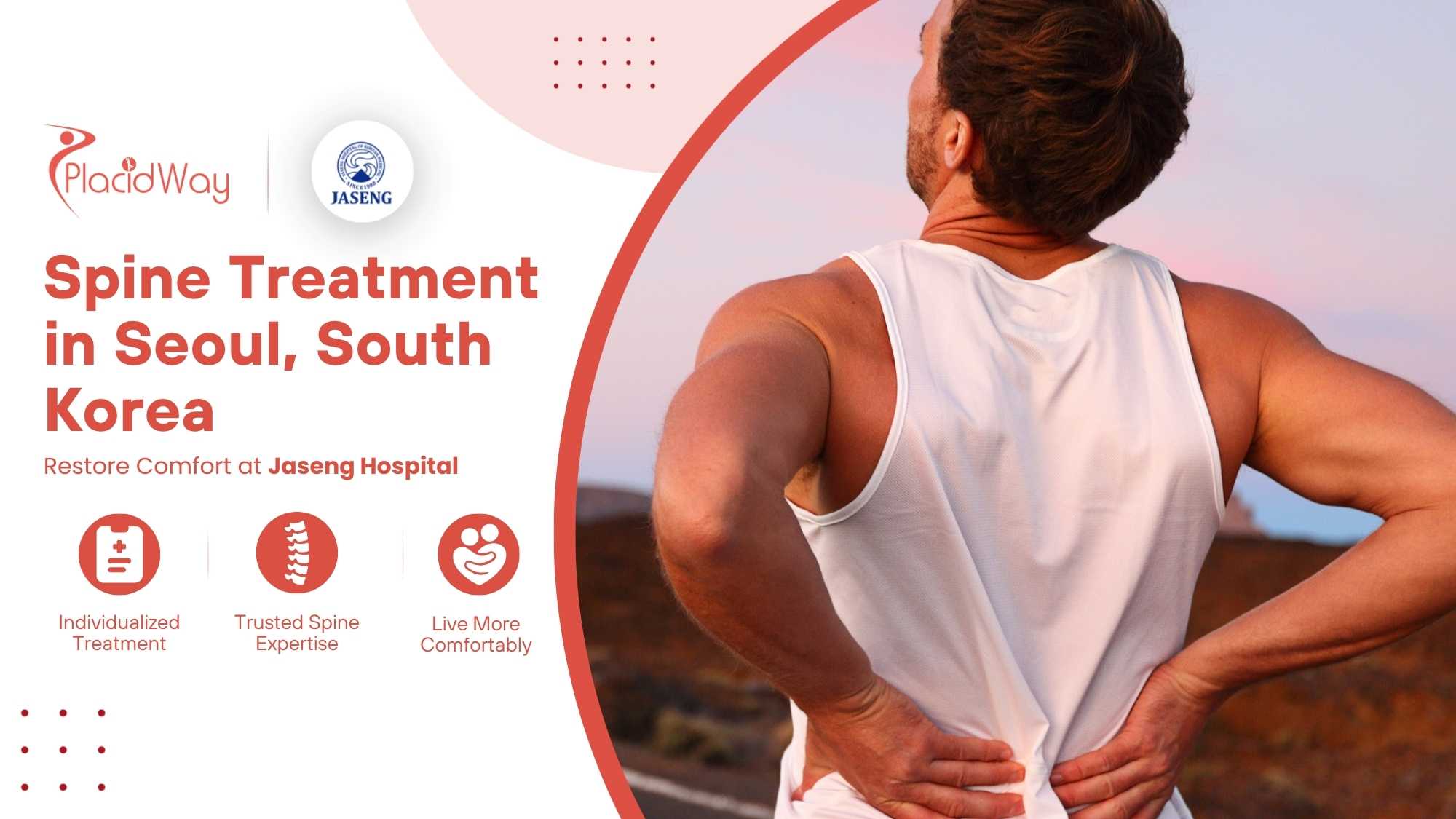
Spine Treatment in Seoul, South Korea
If you are seeking highly effective and affordable solutions for chronic back or neck pain, a specialized Spine Treatment in Seoul, South Korea offers world-class medical excellence at a fraction of Western costs. Priced at just $800, this comprehensive care package at Jaseng Hospital of Korean Medicine integrates advanced diagnostics with time-tested, non-surgical Korean traditional therapies. Patients traveling for medical tourism in Asia consistently choose this destination for its unparalleled healthcare infrastructure, cutting-edge facilities, and holistic approach to pain management and spinal health.
Choosing Seoul, South Korea for your spine rehabilitation ensures you receive top-tier medical attention without the stress of invasive surgeries or prolonged recovery times. Jaseng Hospital of Korean Medicine is globally renowned for treating spinal disc herniation, stenosis, and degenerative joint diseases through unique techniques like Chuna manual medicine and specialized pharmacopuncture. By combining Eastern medicinal wisdom with Western diagnostic precision, patients experience rapid pain relief, improved mobility, and a remarkably high standard of care tailored specifically to international medical tourists.
- Highly affordable non-surgical spine treatment priced at only $800.
- Treatment administered by top specialists at the esteemed Jaseng Hospital of Korean Medicine.
- Innovative fusion of Western diagnostics and Eastern holistic therapies.
- Minimal downtime, allowing patients to enjoy and explore the cultural beauty of Seoul.
- Dedicated international patient support ensuring a seamless healthcare journey in South Korea.
The Cost of Spine Treatment in Seoul, South Korea vs Other Countries
When evaluating healthcare options globally, the financial advantages of seeking conservative spine care in Asia become immediately apparent. The cost of a Spine Treatment package in Seoul, South Korea stands at a highly competitive $800, making it an incredibly attractive option for international patients who are paying out-of-pocket or are uninsured. In North America or Europe, similar comprehensive, multi-session conservative therapies and diagnostic reviews can cost thousands of dollars, often creating a barrier to accessible pain relief.
South Korea’s advanced medical system is heavily supported by efficient administrative processes and government healthcare initiatives, which keeps pricing transparent and exceptionally reasonable. Patients visiting Jaseng Hospital of Korean Medicine can save up to 80% on their medical expenses, allowing them to redirect those funds toward an enriching travel experience while simultaneously prioritizing their physical well-being.
| Country | Procedure Cost (USD) | Estimated Savings |
|---|---|---|
| Seoul, South Korea | $800 | - |
| United States | $4,500 - $6,000 | Up to 86% |
| United Kingdom | $3,800 - $5,000 | Up to 84% |
| Australia | $3,500 - $4,800 | Up to 83% |
Note: Prices may vary depending on procedure complexity, required number of sessions, and individual patient condition.
What is Included in the Spine Therapy Package?
The $800 holistic spine rehabilitation program is designed to provide comprehensive, non-surgical relief. Here is what you can expect to be covered in your personalized medical itinerary:
- In-depth initial consultation with a specialized Korean medicine doctor.
- Review of medical history, MRI/X-ray diagnostics, and physical assessments.
- Sessions of Chuna manual medicine for structural realignment of the spine.
- Targeted acupuncture and Shinbaro pharmacopuncture to reduce severe inflammation.
- Prescription of customized herbal medicine to support bone and nerve regeneration.
- Dedicated professional medical translation and interpretation services during appointments.
What is Not Included in the Spinal Care Package?
To help you budget effectively for your medical trip, it is important to note the standard exclusions from this clinical package:
- International or domestic airfare to and from South Korea.
- Hotel accommodation and lodging expenses during your stay in Seoul.
- Meals, dining, and recreational expenditures outside of the hospital environment.
- Independent travel insurance or comprehensive health insurance coverage.
- Airport transfers, local taxis, and daily public transportation.
- Costs associated with visa processing, passport renewals, or travel documents.
Understanding Non-Surgical Spine Treatment in Seoul, South Korea
Choosing non-invasive spine treatments in Asia offers a unique blend of modern science and traditional healing. Here is an overview of how this specialized treatment functions:
- Primary Purpose: The goal is to naturally relieve severe back, neck, and joint pain without relying on synthetic painkillers or invasive surgical operations.
- Types of Therapy: Treatment usually incorporates Chuna manual therapy (bone and muscle manipulation), acupuncture, cupping, and proprietary herbal injections.
- How It Works: By manually adjusting the spinal alignment and injecting anti-inflammatory herbal extracts directly into acupoints, the body’s natural healing mechanisms are triggered.
- Key Benefits: Patients avoid the risks, scarring, and long recovery periods associated with spinal surgery while addressing the root cause of nerve compression.
- Recovery Time: Downtime is virtually non-existent; most patients can walk, travel, and resume light daily activities immediately after a session.
- Success Rate: Clinical studies have demonstrated exceptionally high success rates in reducing pain scores and improving the quality of life for patients with herniated discs and spinal stenosis.
Who Is the Ideal Candidate for Korean Medicine Spine Care?
While this integrative medical approach is highly adaptable, it is particularly beneficial for certain profiles of patients. You may be an ideal candidate if you fit the following descriptions:
- Individuals suffering from chronic lower back pain, sciatica, or chronic neck stiffness.
- Patients diagnosed with mild to moderate spinal disc herniation or degenerative disc disease.
- Those who wish to exhaust all conservative, non-surgical options before considering spinal surgery.
- People experiencing persistent pain from sports injuries or automotive accidents.
- Patients looking for organic, chemical-free methods to manage musculoskeletal inflammation.
- Individuals who are medically cleared for international travel and can comfortably fly to South Korea.
Day-by-Day Itinerary for Your Spine Care Journey in South Korea
Traveling abroad for specialized medical care requires organization. Here is a typical schedule for international patients receiving care at Jaseng Hospital:
- Day 1: Arrival & Acclimation. Land at Incheon International Airport, travel to your selected hotel in Seoul, and rest to recover from jet lag.
- Day 2: Initial Consultation & Diagnostics. Arrive at the clinic for your appointment. Meet with your translator, undergo physical exams, review MRI/X-ray results, and receive your first light treatment.
- Day 3: Intensive Therapy Session. Undergo a comprehensive session including Chuna manual medicine, targeted acupuncture, and pharmacopuncture.
- Day 4: Rest and Gentle Exploration. Take a break from clinical sessions. Follow your doctor's advice for light walking, perhaps exploring the flat, accessible pathways of local cultural sites.
- Day 5: Final Assessment & Herbal Prescription. Return to the clinic for a final adjustment, receive your customized herbal medication for the trip home, and discuss long-term posture management.
- Day 6: Departure. Pack your belongings, head back to Incheon International Airport, and safely return home with improved mobility.
What to Expect from Your Spine Treatment in Seoul, South Korea?
Entering a medical facility in a foreign country can be intimidating, but the experience at specialized centers in South Korea is famously welcoming and highly structured. From the moment you step into the hospital, you can expect an environment of extreme professionalism, cleanliness, and efficiency. Dedicated coordinators bridge any language gaps, ensuring you fully understand your diagnosis, the proposed treatment plan, and the mechanisms behind each traditional Korean therapy utilized.
In terms of clinical outcomes, patients frequently report a noticeable reduction in acute pain directly following their initial sessions. The integration of structural realignment with powerful herbal anti-inflammatories often yields rapid relief from nerve compression symptoms like tingling or numbness. Long-term patient satisfaction is remarkably high, as individuals leave not only with immediate pain relief but also with herbal prescriptions and physical therapy exercises designed to strengthen the core and prevent future spinal degeneration.
Post-Spine Treatment Recovery in Seoul, South Korea
Because this approach is non-surgical, recovery is more about maintaining spinal health rather than healing from surgical wounds. Post-treatment guidelines typically include:
- Maintaining proper ergonomics and avoiding slouching while sitting at cafes or in your hotel room.
- Engaging in very light, gentle stretching as prescribed by your Korean medicine doctor.
- Strictly avoiding heavy lifting, strenuous physical exercise, or high-impact tourism activities.
- Staying highly hydrated to help flush out toxins released during acupuncture and deep tissue manipulation.
- Consistently taking prescribed herbal medicines on schedule to ensure ongoing anti-inflammatory benefits.
- Applying heat or ice packs to treated areas if temporary muscle soreness occurs following Chuna therapy.
Why Choose Jaseng Hospital of Korean Medicine for Spinal Rehabilitation?
This specific hospital stands out as a premier destination for holistic musculoskeletal care. International patients select this clinic for several critical reasons:
- They are recognized pioneers in scientifically validated, non-surgical spine and joint treatments.
- The clinic boasts a dedicated International Healthcare Center with fluent multilingual medical coordinators.
- A highly unique integration of advanced Western diagnostic imaging (MRI/CT) with Eastern medical applications.
- Employs globally recognized practitioners who have treated professional athletes and chronic pain sufferers worldwide.
- State-of-the-art, luxurious facilities designed specifically for patient comfort and stress reduction.
- A proven track record with standardized treatment protocols ensuring consistent, high-quality outcomes.
Explore Seoul, South Korea While You Recover: Top Attractions for Patients
Because your treatment involves no major surgery, you will have the energy and mobility to enjoy the vibrant culture of the city. Here are gentle, accessible activities perfect for recovering medical tourists:
- Gyeongbokgung Palace: Enjoy flat, expansive courtyards and breathtaking traditional architecture without strenuous hiking.
- Cheonggyecheon Stream: Take a tranquil, paved walk along this urban stream, perfect for gentle post-therapy exercise.
- Insadong Culture Street: Browse artisan crafts and relax in traditional wooden tea houses offering therapeutic herbal teas.
- Lotte World Tower: Ride the smooth elevator to the Seoul Sky observatory for panoramic views without physical exertion.
- Bukchon Hanok Village: Experience traditional Korean houses; while slightly hilly, many lower areas are easily walkable.
- National Museum of Korea: A spacious, climate-controlled, and highly accessible venue showcasing thousands of years of history.
FAQs About Spine Treatment in Seoul, South Korea
1. Is non-surgical spine treatment in South Korea painful?
Most patients report little to no pain. Chuna manipulation may cause brief discomfort, and acupuncture utilizes ultra-thin needles that are virtually painless. Any mild muscle soreness usually subsides within a day.
2. How long do I need to stay in Seoul for this package?
While this specific package can be completed in a few sessions over 3 to 5 days, many patients choose to stay for 7 to 10 days to maximize their therapy sessions and enjoy the city at a relaxed pace.
3. Will there be a language barrier at Jaseng Hospital?
No. The clinic features a specialized international department equipped with proficient English translators who will accompany you throughout consultations, treatments, and administrative processes.
4. Can this treatment cure a herniated disc entirely?
While "cure" depends on the severity, these treatments highly effectively reduce nerve compression, shrink inflammation, and promote structural healing, allowing the vast majority of patients to return to pain-free daily life.
5. Is the herbal medicine safe to consume?
Absolutely. The herbal formulas provided by top-tier traditional clinics are rigorously tested for safety, toxicity, and heavy metals, manufactured in state-of-the-art pharmaceutical facilities.
6. Can I fly immediately after my spine session?
Yes. Because the therapies are non-invasive, you are cleared to fly. However, doctors recommend walking around the cabin during long flights to prevent stiffness.
7. Are MRI or X-ray costs included in the $800 price?
Diagnostic imaging is generally evaluated on a case-by-case basis. If new MRIs are required, they might incur an additional cost, though patients are encouraged to bring recent scans from their home country.
8. How soon will I feel the results of the treatment?
Many patients experience an immediate reduction in acute pain and an increase in mobility right after their first Chuna and acupuncture session, with continued improvement over the following weeks.
9. Can elderly patients undergo Korean traditional spine care?
Yes. Because the approach relies on natural, gentle manipulation and non-surgical interventions, it is exceptionally safe and highly recommended for senior patients seeking pain relief.
10. Do I need a visa to travel to South Korea for medical care?
Many Western nationalities can enter South Korea visa-free for short visits (K-ETA may be required). It is always best to check current immigration rules based on your specific passport before traveling.
Empower Your Future with PlacidWay
Taking the first step toward a pain-free life should be simple and stress-free. Partnering with PlacidWay ensures your medical journey is expertly guided from start to finish.
- Expert Clinic Matching: We directly connect you with highly vetted, globally accredited facilities like Jaseng Hospital.
- Transparent Cost Estimates: Receive clear, upfront pricing details so you know exactly what your customized care will cost.
- Dedicated Patient Coordinators: Access personalized, one-on-one assistance to answer your questions and manage your medical appointments.
- Comprehensive Information Access: Easily review doctor profiles, patient testimonials, and detailed clinic protocols before making your healthcare decisions.
.jpg)


.jpg)








Share this listing