


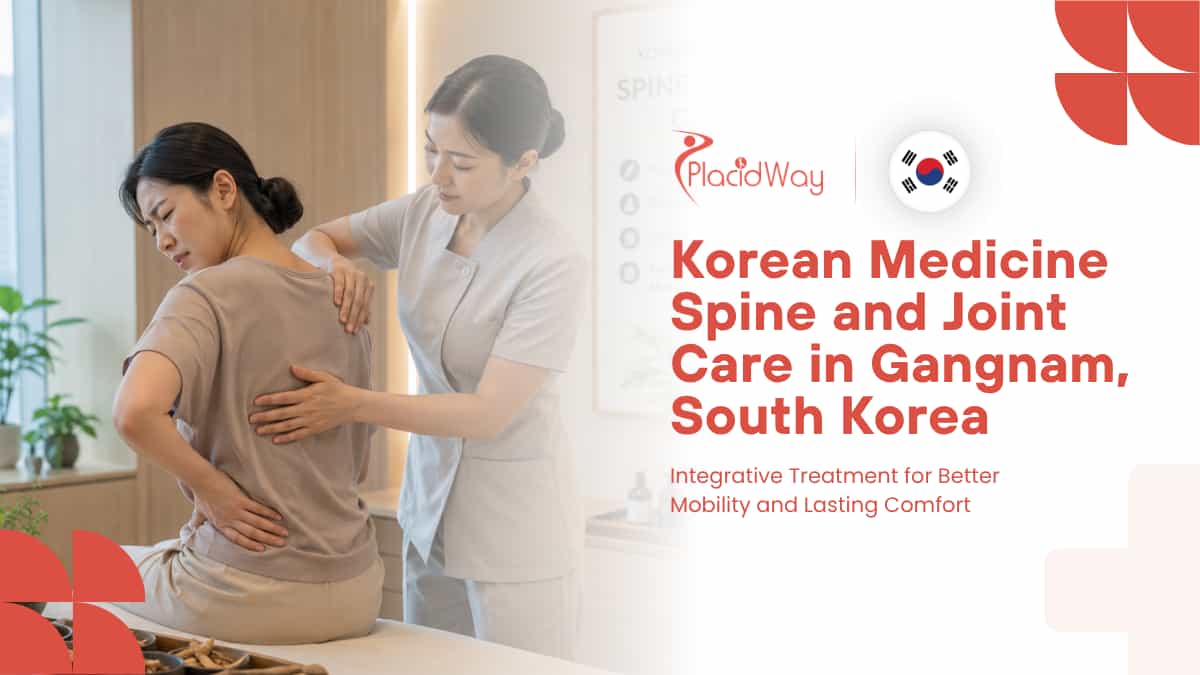
Trading your morning stiffness for Gangnam’s world-renowned holistic healing might just be the most refreshing upgrade you make for your body this year. Integrative Korean medicine for spine and joint care blends traditional therapies like Chuna manipulation and pharmacopuncture with advanced medical diagnostics, offering a highly effective, non-surgical solution for chronic pain. This seamless blend of ancient wisdom and modern technology has become a massive K-Wellness trend, drawing health-conscious travelers from the United States, Singapore, Japan, Taiwan, China, and Thailand. Instead of relying on heavy painkillers or rushing into invasive surgeries, international visitors are choosing Seoul’s premium clinics to uncover the root cause of their discomfort and restore their natural mobility.
Fast Facts: Korean Medicine Joint & Spine Therapy
- Treatment Investment: Spans between $100 for basic targeted sessions up to $1,500 for comprehensive, multi-day intensive care packages.
- Clinic Credentials: Care is provided by facilities certified by the Korean Accreditation Program for Hospitals Serving Foreign Patients (KAHF).
- The K-Wellness Movement: The global focus is shifting from surface-level beauty to structural wellness, making posture correction and joint health the new standard of self-care.
- Integrative Approach: Combines Western diagnostic imaging (MRI/X-ray) with Eastern therapeutic treatments for pinpoint accuracy.
- Zero Downtime: Therapies are entirely non-invasive, allowing you to seamlessly continue your Seoul travel itinerary right after your clinic visit.
- Holistic Focus: Treatments target the root cause of inflammation and muscular imbalance rather than merely masking the pain.
Why International Patients Choose Gangnam for Spine and Joint Healing
Gangnam is famous for its glowing aesthetics, but it is equally celebrated as South Korea’s epicenter for premium traditional medicine (Hanbang). Patients from across the globe are making the journey to experience a healthcare model that actively listens to their bodies.
- The American and Singaporean Escape: Patients from the US and Singapore often face exorbitant physical therapy costs and quick-to-prescribe surgery cultures at home, making Seoul's conservative, cost-effective holistic care highly attractive.
- The East Asian Familiarity: Visitors from Japan, Taiwan, and China already understand traditional medicine, but they travel to Gangnam specifically for the luxurious, highly standardized, and scientifically backed environment Korean clinics provide.
- Thai Wellness Seekers: Medical travelers from Thailand are increasingly drawn to Korea's cool climate and specialized herbal treatments that offer a different therapeutic philosophy than traditional Thai modalities.
- Advanced Diagnostic Integration: Unlike standard acupuncture clinics globally, Gangnam centers feature in-house MRI and X-ray facilities so doctors can visually track structural improvements.
- Bridging the Language Gap: Top-tier joint care centers in Seoul have dedicated international departments with fluent in-house medical interpreters, ensuring nothing is lost in translation.
The K-Wellness Evolution: Moving Beyond Skin Deep
The definition of K-Beauty has expanded dramatically, evolving into "K-Wellness." Today, true beauty and vitality are viewed through the lens of structural balance, healthy posture, and pain-free movement.
- Posture is the New Anti-Aging: Slouching and spinal misalignment age the body visually; Chuna therapy corrects these structural imbalances to create a taller, more confident silhouette.
- Celebrity Secret to Stamina: K-pop idols and Korean actors frequently rely on pharmacopuncture and herbal tonics to maintain joint health and energy during grueling schedules.
- Inner Harmony Radiates Outward: Korean medicine believes that chronic pain and spinal blockages dull your complexion by restricting healthy blood flow and vital energy (Qi).
- Natural Healing Materials: The trend leans heavily toward purified herbal extracts (like bee venom or ginseng) injected directly into acupoints to reduce inflammation naturally.
- Preventative Self-Care: Rather than waiting for a slipped disc to occur, younger generations are booking spine alignment sessions as a routine part of their wellness lifestyle.
Global Cost Comparison for Integrative Joint Care
Curious how Seoul stacks up against your home country? Here is a look at what comparable holistic and integrative treatment programs typically run across major healthcare hubs.
| Country | Estimated Package Cost (USD) | Primary Modality |
|---|---|---|
| South Korea (Gangnam) | $100 - $1,500 | Chuna, Pharmacopuncture, Imaging |
| United States | $1,800 - $4,500 | Chiropractic, PT, Imaging |
| Singapore | $1,200 - $3,000 | Premium TCM, Physiotherapy |
| Japan | $800 - $2,200 | Kampo Medicine, Seitai |
| Taiwan / China | $400 - $1,800 | Standard TCM, Tui Na |
Please Note: The figures above represent an estimated cost pending a thorough medical assessment. Your final treatment investment will depend entirely on your specific diagnosis, the severity of your condition, and the customized combination of therapies prescribed by your Korean medicine doctor.
What Your Korean Medicine Package Includes
- Comprehensive initial consultation with a licensed Doctor of Korean Medicine (DKM).
- One-on-one medical interpretation services for clear communication during your visit.
- Chuna manual therapy sessions for spinal and pelvic alignment.
- Pharmacopuncture (herbal injection therapy) targeting localized joint inflammation.
- Standard electro-acupuncture and traditional cupping therapy.
- A prescribed supply of customized herbal medication tailored to your specific constitution.
- Post-treatment posture correction advice and ergonomic lifestyle guidelines.
What Is Not Included
- Airfare, hotel accommodations, and daily transportation within Seoul.
- Advanced on-site diagnostic imaging (MRI, X-rays, or CT scans), which are billed separately if deemed necessary.
- Extended prescriptions of herbal medicine beyond the initial package allotment (often shipped overseas at an extra cost).
- Meals, personal travel insurance, and non-medical tourist activities.
- Treatments for unrelated chronic health conditions outside the scope of spine and joint care.
Necessary Medical Records for Your Preliminary Review
- Recent MRI or X-ray imaging of the affected spine or joint areas (preferably taken within the last 3-6 months).
- A brief medical summary detailing your current symptoms, pain levels, and any previous diagnoses.
- A comprehensive list of all current medications, including western painkillers, supplements, and other herbal remedies.
- Details of any previous orthopedic surgeries or physical therapy programs you have completed.
- A record of any known allergies to specific herbs, metals (for acupuncture needles), or standard medications.
Understanding Your Healing Arsenal: Chuna and Pharmacopuncture
If you are new to Korean medicine, the terminology might sound unfamiliar, but the science behind it is fascinating and highly targeted toward structural rehabilitation.
- Chuna Manual Therapy: A hands-on osteopathic technique where the doctor uses their hands and specialized tables to correct spinal alignment, release pinched nerves, and restore balance.
- Pharmacopuncture: An innovative fusion technique where highly purified herbal extracts (like anti-inflammatory bee venom or muscle-relaxing peony) are injected directly into acupuncture points.
- Targeted Inflammation Relief: By delivering herbal medicine right to the site of the pain, pharmacopuncture acts faster than oral digestion, calming inflamed tissues almost immediately.
- Restoring Nerve Function: Standard acupuncture utilizes fine needles to stimulate the nervous system, prompting the body to release its own natural pain-relieving endorphins.
- Cupping for Blood Flow: Negative pressure is used to pull stagnant blood and lactic acid away from deep muscle tissues, drastically speeding up the body's natural recovery process.
Navigating Your Wellness Journey to South Korea
Planning a medical trip to Gangnam is surprisingly straightforward, thanks to South Korea's highly efficient infrastructure tailored specifically for international healthcare visitors.
- Visa Exemptions: Patients arriving from the US, Japan, Singapore, and Taiwan typically enjoy visa-free entry (via the K-ETA system) for short-term medical and tourist visits.
- Effortless Transit: Incheon International Airport is consistently ranked among the best in the world, offering direct limousine buses and express trains straight into the heart of Gangnam.
- Clinic Accessibility: Top Korean medicine hospitals in Seoul are intentionally located near major subway lines, making daily commuting from your hotel completely stress-free.
- Digital Convenience: Visitors can easily navigate the city using English-friendly apps like Naver Map and Kakao T to ensure they never miss an appointment.
- Concierge Support: Many premium clinics offer dedicated concierges who can assist with booking local accommodations, airport transfers, and even recommending nearby dietary-friendly restaurants.
The Best of Both Worlds: Integrative Diagnostics in Gangnam
One of the primary reasons patients travel from technologically advanced nations to Seoul is because Korean medicine relies heavily on empirical, visual data before ever inserting a needle.
- Objective Visuals: Before traditional treatments begin, doctors utilize high-resolution MRIs and X-rays to pinpoint exact disc herniations or cartilage wear.
- Collaborative Expertise: Many Korean medicine hospitals employ both Western medical doctors and Doctors of Korean Medicine who consult on complex cases together.
- Cost-Effective Scans: Patients from the United States often find that the out-of-pocket cost for an MRI in Seoul is a fraction of what they would pay back home, even with insurance.
- Tracking Progress: Imaging is often repeated at the end of a long-term package to provide objective proof that the spine's curvature or disc space has structurally improved.
- Safe and Regulated: The integration of these two medical fields is highly regulated by the South Korean government, ensuring absolute safety and scientifically backed protocols.
Healing on the Go: Enjoying Korea During Treatment
Because Korean medicine focuses on non-invasive healing, you do not have to spend your vacation trapped in a hospital bed. In fact, gentle movement is often prescribed as part of your recovery.
- Immediate Mobility: Sessions typically last between 1 to 2 hours, leaving the rest of your day entirely free for sightseeing, cafe hopping, or shopping.
- Therapeutic Walking: Strolling through flat, scenic areas like the Han River Park or Cheonggyecheon Stream is an excellent way to maintain joint mobility after a Chuna session.
- Complementary Wellness: Pair your clinical treatments with a relaxing visit to a Korean Jjimjilbang (bathhouse) to soak in heated mineral pools, which wonderfully complements muscle recovery.
- Nutritional Healing: Explore Korea’s culinary landscape, which is naturally rich in anti-inflammatory foods like fermented kimchi, garlic, bone broths, and ginseng teas.
- Mindful Pacing: While you can enjoy the city, doctors recommend avoiding strenuous mountain hikes or heavy lifting, keeping your vacation relaxed and rejuvenating.
Frequent Patient Questions About Joint & Spine Healing in Seoul
Does pharmacopuncture or standard acupuncture hurt?
Most patients describe the sensation as a mild, momentary pinch followed by a feeling of warmth, tingling, or heaviness at the site. The needles used are incredibly thin—much finer than a standard medical syringe. Pharmacopuncture may sting slightly as the herbal extract enters the muscle, but the relief is usually rapid.
How many treatment sessions will I actually need?
This depends entirely on whether your condition is acute (a recent tweak) or chronic (years of back pain). Minor adjustments may require 1 to 3 sessions, while chronic herniated discs often benefit from intensive programs spanning 1 to 3 weeks of daily or every-other-day visits.
Is Chuna therapy the same as seeing a Western chiropractor?
They share similarities in structural alignment, but Chuna is an osteopathic technique integrated strictly with Korean medical principles. A Chuna doctor assesses the meridians and vital energy flow, gently manipulating not just the bones, but the surrounding fascia and muscles to ensure holistic balance.
Can I communicate with the doctor if I don't speak Korean?
Absolutely. The top clinics catering to international patients in Gangnam provide dedicated, medically trained interpreters (English, Japanese, Mandarin, etc.) who stay by your side from the initial consultation through the completion of your treatments.
Will my domestic health insurance cover treatments in Korea?
Generally, domestic health insurance from the US or Singapore does not cover overseas treatments. However, some premium global travel medical insurance plans may reimburse a portion of the costs. Patients are advised to check directly with their provider and request itemized English receipts from the clinic.
Are the herbal medicines safe to take with my regular prescriptions?
This is precisely why providing an accurate medical record is vital. Korean medicine doctors are highly trained to cross-reference their custom herbal formulations against your current western medications to prevent any adverse interactions or liver strain.
Can I fly back home immediately after my treatment?
Yes, there is no medical restriction on flying after Korean medicine joint treatments. However, sitting on a long-haul flight can stiffen up freshly relaxed muscles, so doctors usually recommend taking short walks down the airplane aisle and doing light stretching during your journey.
What if I have an allergic reaction to the bee venom in pharmacopuncture?
Patient safety is paramount. Before any bee venom (apipuncture) is administered, the doctor will perform a subcutaneous skin patch test. If you show any signs of allergy, they will seamlessly switch to an alternative, non-allergenic herbal extract for your injection.
Is this a permanent cure for my back pain?
Korean medicine aims to heal the structural root cause of the pain, offering profound and long-lasting relief. However, joint health requires ongoing maintenance. If you return to poor posture, heavy lifting without proper ergonomics, or sedentary habits, the discomfort can eventually return.
Ready to Move Freely Again?
Stop letting joint pain dictate your travel plans or daily life. Connect with our dedicated patient coordinators to discover how a personalized Korean medicine package in Gangnam can help you reclaim your mobility.
Request Free QuoteMedical Disclaimer: The information provided on this page is for general informational and educational purposes only and does not substitute for professional medical advice, diagnosis, or treatment. Always consult with a qualified healthcare provider regarding any medical condition or before committing to an international medical procedure.
Trusted References & Further Reading
- National Center for Complementary and Integrative Health (NCCIH). "Acupuncture: In Depth." https://www.nccih.nih.gov/health/acupuncture-in-depth
- World Health Organization (WHO). "WHO benchmarks for the practice of acupuncture." https://www.who.int/publications/i/item/9789240016880
- National Institutes of Health (NIH). "Efficacy of Chuna Manual Medicine for Chronic Low Back Pain." https://www.ncbi.nlm.nih.gov/pmc/articles/PMC8214227/
- PubMed Central. "Pharmacopuncture in South Korea: A Systematic Review." https://www.ncbi.nlm.nih.gov/pmc/articles/PMC4930335/
- Centers for Disease Control and Prevention (CDC). "Medical Tourism: Getting Medical Care in Another Country." https://wwwnc.cdc.gov/travel/page/medical-tourism
.png)
.png)
.png)

.png)
.png)
.jpg)
.png)

.png)
.png)
.png)








Share this listing