
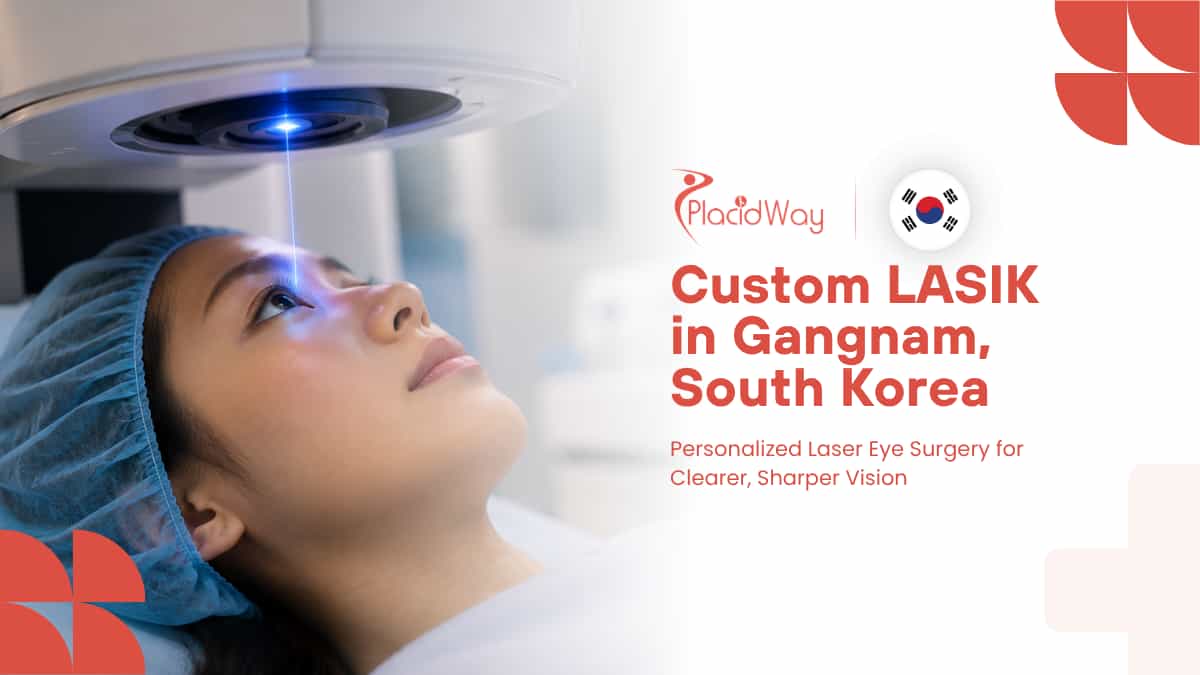
Ditching your glasses shouldn't mean draining your savings, which is exactly why savvy travelers from the US, Japan, and Singapore are swapping their thick frames for a quick flight to Seoul. Custom LASIK in Gangnam merges hyper-precise, personalized laser eye surgery with South Korea’s meticulous K-Beauty standards, treating bright, frame-free eyes as the ultimate facial glow-up. Whether you are flying in from Taipei for a weekend vision reboot or traveling from Thailand to access advanced topography-guided technology, this package delivers crisp visual acuity and world-class care without the eye-watering price tag.
Key Insights for Your Vision Journey
- Package Cost: $900 – $3,300 (varies based on chosen technology like SMILE, Contoura, or Wavefront).
- Global Certifications: Procedures are performed in Joint Commission International (JCI) accredited and Korean Accreditation Program for Healthcare Hospitals (KAHF) certified facilities.
- The K-Beauty Connection: Clear vision is viewed as the foundation of facial aesthetics, removing heavy frames that hide eye makeup and cause skin indentations.
- Lightning-Fast Recovery: Advanced micro-incision techniques mean most patients can comfortably explore Seoul’s cafes and shopping districts within 24 to 48 hours.
- Multilingual Support: Seamless communication with in-house medical interpreters fluent in English, Mandarin, Japanese, and Thai.
- Comprehensive Diagnostics: Every package includes a multi-point corneal topography and eye health mapping session to ensure absolute safety before any laser is fired.
Why International Patients Choose Gangnam for Laser Eye Surgery
Gangnam isn't just famous for its pop culture; it’s a global hub for high-tech medical precision. Patients from across the Pacific and neighboring Asian countries are bypassing their local clinics to take advantage of Seoul’s high-volume, high-accuracy ophthalmology centers.
- High Clinic Volume Creates Unmatched Expertise: South Korean eye surgeons perform thousands of refractive surgeries annually, leading to highly refined surgical techniques and lower complication rates.
- Cost-Saving Flights for US Patients: Even when factoring in flights from Los Angeles or New York and a hotel stay, US patients often save thousands of dollars compared to domestic healthcare prices.
- The "Weekend Trip" for Japan and Taiwan: Because of the short flight times, patients from Tokyo and Taipei frequently treat LASIK as a long weekend getaway, having surgery on Friday and flying home on Sunday.
- Escaping Premium Pricing in Singapore: Singaporean medical tourists flock to Gangnam to access the exact same FDA-approved German and American laser platforms at a fraction of the cost.
- Thailand’s Quest for Next-Gen Tech: While Thailand is a medical hub itself, patients often travel to Korea specifically for the newest iterations of SMILE and topography-guided LASIK that might not yet be widely available at home.
How Laser Vision Correction Fits into the K-Beauty Aesthetic
In South Korea, cosmetic enhancement isn't just about skincare; it's about optimizing your natural features. Laser vision correction has become a massive K-Beauty trend because ditching your glasses profoundly impacts your overall facial harmony.
- Showcasing the "Glass Skin" Look: Heavy frames cast shadows and create friction on the nose bridge, often ruining foundation and concealer. Frame-free faces allow flawless skin to take center stage.
- Freedom for Elaborate Eye Makeup: From intricate K-pop idol eyeliner styles to voluminous lashes, clear vision means you can finally wear makeup without lenses getting in the way or glasses magnifying minor smudges.
- Eliminating Contact Lens Redness: Long-term contact lens use often leads to chronic dry eye and redness. LASIK restores the natural, bright white appearance of the sclera, making you look more awake and youthful.
- Preventing the "Squinting Wrinkles": Struggling to see out of outdated prescriptions leads to constant squinting, which accelerates the formation of crow's feet and forehead lines.
- The "Bare-Faced" Confidence: The ultimate goal of modern K-Beauty is looking effortlessly put-together. Waking up with perfect 20/20 vision aligns perfectly with the low-maintenance, high-impact aesthetic.
Global Cost Comparison for Custom Laser Vision Correction
Understanding why thousands board flights for this procedure is easy when you look at the numbers. Here is a look at average costs for bilateral (both eyes) custom laser eye surgery across popular destinations.
| Country | Average Cost Range (Both Eyes) | Technology Level |
|---|---|---|
| United States | $4,200 – $6,500 | Advanced |
| Japan | $3,500 – $5,000 | Advanced |
| Singapore | $3,800 – $5,500 | Advanced |
| Gangnam, South Korea | $900 – $3,300 | Advanced / Next-Gen |
Note: The pricing for Gangnam is an estimated cost range for Custom LASIK and related refractive procedures. Your final, personalized quote is pending a comprehensive in-person medical assessment to determine which exact laser technology suits your corneas best.
What is Included in Your Gangnam LASIK Experience
- Comprehensive pre-operative eye mapping (over 50+ diagnostic tests including corneal topography and DNA testing for genetic eye diseases).
- 1:1 consultation with a board-certified ophthalmologist.
- The personalized laser eye surgery procedure for one or both eyes.
- Dedicated medical interpretation services during all clinic visits.
- Initial post-operative recovery rest in a private VIP clinic lounge.
- First round of post-op medications (antibiotic and steroid eye drops, artificial tears).
- Follow-up check-ups scheduled before your flight home.
- Protective sunglasses or sleeping goggles for post-surgery care.
What is Excluded from the Package Price
- International airfare and airport transfers.
- Hotel accommodation during your stay in Seoul.
- Travel and medical insurance (highly recommended for all medical tourists).
- Long-term supply of specialized artificial tears or prescription refills needed months after returning home.
- Treatment for unrelated pre-existing eye conditions (e.g., glaucoma or severe dry eye therapies required prior to LASIK).
Medical History Needed Before Your Seoul Eye Exam
To ensure a smooth evaluation process once you land in Korea, it is helpful to provide your patient coordinator with some baseline information beforehand.
- Your most recent eye prescription detailing your myopia (nearsightedness), hyperopia (farsightedness), and astigmatism levels.
- Any past records indicating your corneal thickness, if you have had a prior consultation in your home country.
- A detailed history of any previous eye surgeries, trauma, or infections.
- Information regarding systemic health conditions (such as diabetes or autoimmune disorders) that might impact your healing process.
- A complete list of current medications, particularly those affecting hormone levels or causing dryness.
Navigating Seoul: A Quick Travel Guide for Vision Patients
Flying to another country for eye surgery requires a bit of logistical finesse. Here is how medical travelers from our target regions typically structure their trip.
- Flight Logistics: US patients should account for a 12-15 hour flight and jet lag, while patients from Japan and Taiwan can hop over in under 3 hours, making Friday-to-Monday trips incredibly popular.
- Visa Considerations: US, Japanese, Taiwanese, and Singaporean passport holders generally enjoy visa-free entry to South Korea via the K-ETA system, though you should always verify current regulations before booking.
- Accommodation Proximity: Book a hotel directly in Gangnam or Seocho districts. You won’t want to navigate long subway rides or bridge traffic immediately after having your eyes treated.
- Post-Op Transport: Your vision will be blurry for a few hours post-surgery. Clinics will help arrange a certified Kakao T taxi directly to your hotel—do not attempt to take the subway on surgery day.
- Packing Essentials: Bring audiobooks, podcasts, and comfy clothes. You will need to rest your eyes with screens turned off for the first 24 hours.
The Technology Behind Your Upgraded Eyesight
"Custom LASIK" isn't just a marketing buzzword in South Korea; it refers to using topographical data to guide the laser. Here’s what you might encounter in a Gangnam clinic.
- Wavefront-Guided Lasers: This technology maps the exact microscopic irregularities of your eye, acting like a unique fingerprint to program the laser for high-definition correction.
- SMILE (Small Incision Lenticule Extraction): Extremely popular for medical tourists due to its minimally invasive nature. It creates a tiny 2mm keyhole incision, reducing dry eye risks and speeding up recovery.
- Contoura Vision: This topography-guided LASIK maps up to 22,000 elevation points on the cornea, smoothing out imperfections and often resulting in better-than-20/20 vision.
- Femtosecond Lasers: Traditional blade-based procedures are ancient history in premium Gangnam clinics. Bladeless femtosecond lasers are used to create ultra-precise, ultra-safe corneal flaps.
- Avellino DNA Testing: Top-tier Korean clinics routinely perform a quick cheek swab to rule out genetic corneal dystrophies, ensuring you are 100% safe to undergo laser correction.
How to Prep Your Eyes Before Boarding Your Flight
Your preparation actually starts weeks before you step foot in Incheon International Airport. Proper prep ensures your corneal mapping is perfectly accurate.
- Ditch the Soft Contacts: Stop wearing soft contact lenses at least 5 to 7 days before your initial consultation in Seoul, as they warp the natural shape of your cornea.
- Pause Hard/Toric Lenses Longer: If you wear rigid gas permeable (RGP) lenses or toric lenses for astigmatism, you must remove them 2 to 3 weeks prior to your exams.
- Hydrate Your Eyes: Airplane cabins are notoriously dry. Use preservative-free artificial tears during your flight to Seoul to arrive with well-hydrated eyes.
- Skip the Eye Makeup: On the day of your surgery, arrive completely bare-faced. Mascara, eyeliner, and heavy moisturizers can interfere with the laser environment.
- Avoid Caffeine on Surgery Day: While a Seoul cafe visit is tempting, avoid excessive caffeine on surgery day to keep your nerves steady and help you sleep during recovery.
Recovery in Korea: What You Can and Cannot Do
Healing fast means following the rules. While you can enjoy much of what South Korea has to offer, a few quintessential tourist activities will have to wait.
- UV Protection is Non-Negotiable: Whether you are walking through Bukchon Hanok Village or shopping in Myeongdong, you must wear UV-blocking sunglasses outdoors for several weeks to prevent scarring.
- No Jjimjilbangs (Korean Saunas): Avoid public baths, hot tubs, saunas, and swimming pools for at least one month to prevent bacterial infections and severe dry eye.
- Enjoy the Food, Skip the Spice-Induced Sweat: You can absolutely enjoy Korean BBQ and street food, but be careful of intense steam hitting your face or sweating profusely during the first week.
- Stick to Your Drop Schedule: Set alarms on your phone. Administering your steroid and antibiotic drops precisely on schedule is critical for preventing inflammation.
- Sleep With Protective Goggles: You will be given plastic shields to tape over your eyes at night. Use them religiously to prevent yourself from unconsciously rubbing your eyes in your sleep.
Frequently Asked Questions About Laser Eye Surgery in Gangnam
1. How long do I need to stay in South Korea for the procedure?
Most clinics require a minimum stay of 4 to 5 days. You can often do the consultation and surgery on the same day (Day 1), rest (Day 2), attend a follow-up (Day 3 or 4), and be cleared to fly home.
2. Is the laser vision correction painful?
The procedure itself is virtually painless due to numbing eye drops. You might feel slight pressure for a few seconds. Post-surgery, expect a gritty, "eyelash-in-the-eye" sensation and light sensitivity for about 4 to 12 hours.
3. When is it safe to fly back to the US or Singapore?
Commercial flying is generally safe 48 to 72 hours after surgery, once your doctor clears you during your follow-up appointment. Be sure to use lubricating drops heavily during the flight due to dry cabin air.
4. What is the difference between SMILE and Custom LASIK?
Custom LASIK creates a flap in the cornea to reshape the tissue underneath, while SMILE uses a laser to create a tiny disc of tissue within the cornea that is removed through a microscopic keyhole. SMILE generally preserves more corneal nerves, reducing dry eye risks.
5. Can Custom LASIK fix astigmatism?
Yes. Modern wavefront and topography-guided lasers are exceptionally effective at treating moderate to high astigmatism alongside nearsightedness or farsightedness.
6. What happens if I am not a candidate for LASIK?
If your corneas are too thin or your prescription is too high, Korean clinics offer excellent alternatives like LASEK, PRK, or Implantable Collamer Lenses (ICL), which will be discussed with you during your evaluation.
7. Will I have a language barrier with the surgeon?
Not at all. Clinics catering to international patients provide dedicated medical interpreters (English, Japanese, Mandarin, Thai) who stay by your side from the initial testing all the way into the operating room.
8. Are there age limits for this procedure?
You must be at least 18 years old (with a stable prescription for a year). For patients over 45 experiencing presbyopia (reading difficulty), doctors may suggest monovision LASIK or refractive lens exchange instead.
9. What are the risks of laser eye surgery?
While highly safe, potential risks include temporary dry eye, glare, halos around lights at night, and under- or over-correction. Severe complications like infection or flap issues are incredibly rare when post-op instructions are followed carefully.
10. Can I wear makeup the day after my surgery?
You should avoid eye makeup (mascara, eyeliner, eyeshadow) for at least one to two weeks to prevent particles from getting into the healing eye and to avoid the pressure required to remove the makeup later.
Ready to Wake Up with Perfect Vision?
Let’s start planning your seamless medical journey to Seoul. Reach out today for a personalized assessment and exact pricing based on your unique visual needs.
Request Free QuoteMedical Disclaimer: The information provided on this page is for general informational and educational purposes only. It is not a substitute for professional medical advice, diagnosis, or treatment, and all surgical candidates require a formal consultation with a qualified ophthalmologist.
.png)

.png)
.jpg)
.png)
.png)








Share this listing