


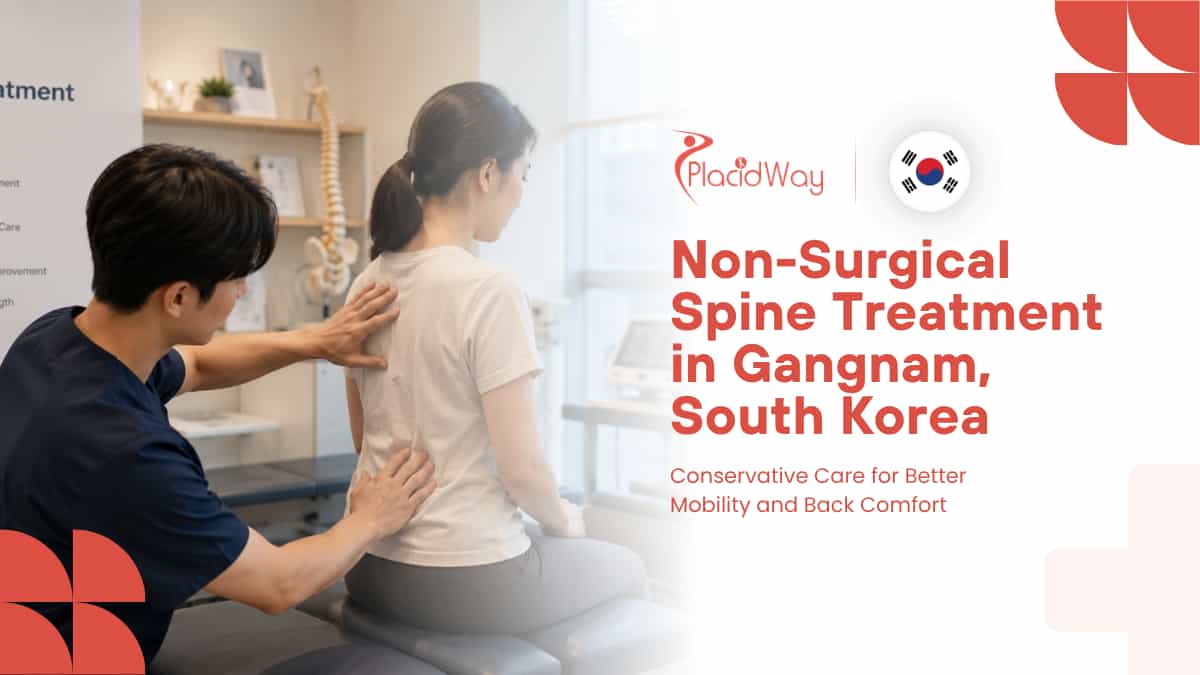
Tired of your back screaming every time you bend over to pick up a dropped pen? You are definitely not alone, which is exactly why thousands of health-conscious travelers from the United States, Japan, and Singapore are flocking to Gangnam for cutting-edge, non-surgical spine treatments that focus on healing without the knife. Interestingly, in South Korea, a perfectly aligned spine is now considered the ultimate foundation of the famous K-Beauty and wellness trend—because true elegance and youthful energy start with perfect posture. This comprehensive conservative back care package combines high-tech diagnostics with holistic Korean therapies to get you moving smoothly again, saving you from the extended downtime of traditional surgery.
Quick Look: Essential Package Insights
- Investment Range: Generally estimated between $7,000 and $15,000 USD, highly dependent on your personalized therapy protocol.
- Verified Accreditations: Treatments take place in JCI (Joint Commission International) and KAHF (Korean Accreditation Program for Healthcare Facilities) recognized facilities.
- The K-Beauty Connection: Spinal alignment is currently trending as a core anti-aging pillar in Seoul, targeting "tech neck" to improve facial symmetry and overall body silhouette.
- Recovery Expectations: Designed for minimal to zero downtime, allowing you to walk, dine, and gently explore the city during your treatment timeline.
- Advanced Modalities: Interventions often include AI-guided neuroplasty, robotic spinal decompression, and traditional integrative Chuna manual therapy.
- Patient Support: Dedicated, medical-grade translation services in English, Mandarin, and Japanese are integrated into your care journey.
Why Gangnam is the Global Hub for Conservative Spine Health
Gangnam isn't just about catchy pop songs and luxury shopping; it has quietly become a global powerhouse for fixing bad backs without leaving scalpel scars. Patients from China, Taiwan, and the US are increasingly skipping aggressive, irreversible surgeries back home in favor of South Korea's high-tech, minimally invasive approach to back pain.
- AI-Assisted Diagnostics: Clinics here utilize state-of-the-art 3D MRI mapping to pinpoint the exact nerve compression before any treatment plan is finalized.
- Integrative Healing Philosophy: Gangnam is unique in how it flawlessly blends modern Western interventional medicine with traditional Eastern therapies to treat the root cause.
- Cost Accessibility: Even with flights and upscale hotels factored in, advanced therapies here cost significantly less than standard care in the US or Singapore.
- Zero Wait Times: Unlike the frustrating, months-long queues found in public health systems in Canada or the UK, international patients are prioritized for immediate assessment.
- Focus on Mobility: The overarching goal of Korean spine care isn't just pain reduction; it is getting you back to an active, unrestricted lifestyle safely and swiftly.
The Surprising Link Between K-Beauty and Spinal Alignment
You might naturally wonder what lower back pain has to do with the K-Beauty industry, but in Seoul, holistic wellness and physical aesthetics are deeply intertwined. The latest trend in Korean anti-aging explicitly focuses on the "tall and straight" aesthetic, treating the spine as the absolute structural foundation of youth.
- Combatting Tech Neck: Correcting rounded shoulders and forward head posture is a massive beauty trend, naturally smoothing out neck wrinkles and reducing double chins.
- Instant Visual Lift: A perfectly aligned spine naturally lifts the chest, elongates the torso, and creates an instantly more youthful, confident silhouette.
- Enhanced Circulation: Relieving spinal tension heavily improves blood flow to the head and neck, which naturally enhances facial skin tone and reduces morning puffiness.
- Celebrity Secrets: K-pop idols and actors regularly utilize these exact non-surgical decompression therapies to maintain their flawless postures under intense physical stress.
- Graceful Aging: The modern Korean beauty ethos dictates that looking good ultimately means moving effortlessly without wincing in pain—beauty is mobility.
Estimated Global Cost Comparison for Conservative Spine Care
Please carefully note that this is an estimated cost range pending a comprehensive medical assessment by a spine specialist. Exact pricing will fluctuate based on the specific combination of therapies required for your unique spinal condition.
| Treatment Destination | Estimated Cost Range (USD) |
|---|---|
| South Korea (Gangnam) | $7,000 - $15,000 |
| United States | $25,000 - $45,000 |
| Singapore | $15,000 - $25,000 |
| Japan | $10,000 - $18,000 |
| China | $8,000 - $16,000 |
| Taiwan | $8,500 - $14,000 |
What is Included in Your Spine Care Experience
- Comprehensive initial diagnostics, including high-resolution MRI and 3D X-ray spinal imaging.
- In-depth initial and follow-up consultations with a board-certified orthopedic spine specialist.
- Your customized non-surgical treatment intervention (e.g., percutaneous epidural neuroplasty or targeted nerve blocks).
- Prescribed sessions of robotic spinal decompression therapy to safely stretch the spine.
- Korean integrative medicine therapies, specifically Chuna manual therapy and targeted medical acupuncture.
- One-on-one personalized physiotherapy and clinical posture correction coaching.
- A dedicated medical translator present for all clinical appointments and procedure explanations.
What Falls Outside the Package Scope
- International airfare and ground transportation to and from Seoul.
- Hotel accommodations and living expenses during your treatment period in Gangnam.
- Surgical interventions, should conservative care be deemed clinically insufficient for your specific condition.
- Prescription medications dispensed by external pharmacies for use outside the clinic.
- Any treatments or therapies for unrelated medical conditions.
- Personal leisure expenses, tourism activities, and daily meals.
Essential Medical Records for Your Virtual Consultation
Before you ever board a plane, doctors need to know exactly what is going on with your back. Gathering these records ensures your preliminary assessment is as accurate and helpful as possible.
- Recent MRI scans of your spine, digitally formatted and taken within the last 3 to 6 months.
- A detailed medical history document outlining the specific duration, exact location, and severity of your pain.
- A comprehensive list of all current medications, especially highlighting blood thinners or heavy pain relievers.
- Clinical reports detailing any previous spine surgeries, epidurals, or physical therapy outcomes.
- Standard X-rays to help specialists evaluate your current bone structure, joint health, and disc space.
Navigating Your Medical Journey from the Americas and Southeast Asia
Traveling halfway across the globe for medical care sounds incredibly daunting at first glance. However, Gangnam’s polished medical tourism infrastructure makes the process incredibly smooth for long-haul patients from the United States and Singapore.
- Seamless Airport Transfers: Most premier clinics can assist in arranging direct, comfortable transport from Incheon International Airport straight to your Gangnam hotel.
- Frictionless Entry: Citizens of the US and Singapore currently enjoy straightforward, visa-free entry to South Korea for short-term medical and tourism stays (K-ETA required).
- Dedicated Concierge Care: English-speaking medical coordinators handle all your scheduling, so you never have to worry about missing an appointment due to miscommunication.
- Strategic Accommodations: Staying right in the heart of Gangnam means your clinic, a pharmacy, and excellent dining options are all within a gentle, five-minute walk.
- Jet Lag Management: Non-surgical schedules are often thoughtfully spaced out during your first few days, allowing your body to naturally adapt to the time zone difference.
How East Asian Travelers Seamlessly Combine Care and Leisure
For our neighbors in Japan, Taiwan, and China, hopping over to Seoul for top-tier spine care is almost as easy as planning a long weekend getaway. The geographical proximity turns a medical trip into a genuinely relaxing health retreat.
- Ultra-Short Flights: With flight times hovering around 2 to 3 hours, traveling does not exacerbate back pain like a gruelling long-haul journey would.
- Familiar Communication: Clinics maintain active accounts on WeChat and LINE, making pre-trip consultations and post-trip follow-ups incredibly convenient.
- Shopping and Recovery: Because conservative treatments require zero bed rest, patients easily integrate high-end shopping at COEX mall and cafe hopping into their daily schedules.
- Dietary Comforts: The abundance of warm, anti-inflammatory Asian soups and familiar dietary staples in Seoul makes recovering feel just like being at home.
- Quick Assessment Trips: Many patients fly in on a Friday for diagnostics and initial injections, flying out Sunday feeling vastly improved and ready for work on Monday.
Modern Non-Surgical Treatment Innovations in South Korea
South Korea absolutely leads the charge in conservative spine care, continuously prioritizing advanced therapies designed to keep you out of the operating room. The focus is on precision healing rather than generalized pain management.
- Percutaneous Epidural Neuroplasty (PEN): A wildly popular, minimally invasive procedure using a tiny catheter to accurately dissolve scar tissue and deliver medication directly to irritated nerves.
- Robotic Decompression: Utilizing AI-driven tables that gently and mathematically stretch the spine, creating negative pressure to coax bulging discs back into place.
- Prolotherapy and Regenerative Care: Targeted injections that deliberately stimulate your body’s natural healing response to strengthen weakened spinal ligaments and tendons.
- Chuna Manual Medicine: A deeply rooted Korean osteopathic technique where specialized doctors use their hands to realign joints, release tense muscles, and restore balance.
- Smart Posture Wearables: Many clinics now send patients home with cutting-edge wearable tech that gently buzzes when you slouch, ensuring the treatment's success long after you leave Seoul.
Post-Treatment Recovery and Safely Exploring Gangnam
The absolute best part about non-surgical spine care? You won't be stuck staring at the ceiling of a hospital room. You are actively encouraged to move, allowing you plenty of time to enjoy the vibrant city safely.
- Therapeutic Walking: Gentle, flat-surface walking is highly recommended for recovery, making the beautifully paved trails along the Han River a perfect afternoon activity.
- Zero Bed Rest Required: Most targeted injection therapies require only a few hours of clinical observation before you are free to walk out and grab dinner.
- Navigating the City: Gangnam is incredibly modern with escalators and elevators at every subway station, ensuring you don't have to strain your back climbing endless stairs.
- Spa Recovery (With Approval): Once cleared by your doctor, enjoying a traditional Korean Jjimjilbang (heated bathhouse) can do wonders for residual muscle tension.
- Healing Cuisine: Treat your body to traditional Korean bone broth soups (Seolleongtang), which are naturally rich in collagen and fantastic for tissue recovery.
Patient-Focused Answers to Common Spine Care Questions
1. Are these non-surgical spine treatments painful?
Not at all. The goal is to relieve your pain, not add to it. Procedures like epidural injections and neuroplasty are performed under local anesthesia. You might feel some mild pressure during the procedure and slight soreness afterward, but it is highly manageable.
2. How long do I actually need to stay in Seoul for this package?
For most conservative treatment plans, a stay of 7 to 10 days is generally recommended. This allows enough time for your initial consultation, the procedures, and a few days of follow-up physiotherapy before you fly home.
3. Will my US or Singaporean health insurance cover this treatment in Korea?
It highly depends on your specific provider. While standard domestic policies typically do not cover international care, premium global health insurance plans often do. It is crucial to contact your insurance provider beforehand to verify out-of-network international coverage.
4. What exactly is Chuna manual therapy?
Chuna is a government-recognized traditional Korean medical practice. A highly trained doctor uses their hands to push and pull the bones, joints, and muscles into proper alignment, relieving nerve pressure and restoring structural balance safely.
5. How fast will I feel relief from my back pain?
Many patients report a significant reduction in nerve pain within 24 to 48 hours following targeted injections or neuroplasty. However, structural healing and full mobility improvements from decompression and physiotherapy may take a few weeks to fully manifest.
6. Is this conservative approach safe for older patients?
Absolutely. In fact, non-surgical spine care is often heavily recommended for older patients who may be at higher risk for complications from general anesthesia or invasive open back surgery. Every plan is carefully tailored to the patient's age and bone density.
7. What happens if this conservative treatment doesn't work for me?
Conservative care is always the first line of defense. If your preliminary MRI reveals that your condition is too advanced for non-surgical care, the specialist will inform you before you travel, or discuss minimally invasive surgical options (like endoscopic surgery) as a safe alternative.
8. Do I need a special medical visa to travel to South Korea?
Most travelers from the US, Japan, Singapore, and Taiwan do not need a special medical visa for stays under 90 days; a standard tourist entry (often via K-ETA) is sufficient. Chinese nationals may require a specific short-term medical visa, which clinics can help sponsor.
9. Can I fly immediately after receiving spinal injections?
Doctors typically advise waiting at least 48 to 72 hours before taking a long-haul flight. Changes in cabin pressure and prolonged sitting can occasionally irritate the freshly treated area, so taking a few days to rest in Seoul is highly recommended.
Ready to Reclaim Your Mobility?
You shouldn't have to navigate life constantly planning your movements around back pain. If you are ready to explore how advanced, non-surgical spine care in Seoul can get you moving freely again, we are here to guide you. Take the first step toward a healthier spine and a taller, more confident posture by reaching out for a personalized evaluation today.
Medical Disclaimer: The content provided in this package overview is for general informational and educational purposes only. It is not intended as a substitute for professional medical advice, diagnosis, or treatment; always seek the advice of a qualified healthcare provider regarding a medical condition.
Evidence-Based References
- World Health Organization (WHO) - Musculoskeletal Conditions and Mobility
- National Institutes of Health (NIH) - Efficacy of Percutaneous Epidural Neuroplasty
- National Institutes of Health (NIH) - Clinical Effectiveness of Chuna Manual Therapy
- Joint Commission International (JCI) - Global Patient Safety and Healthcare Standards
- North American Spine Society (NASS) - Guidelines on Epidural Injection Treatments
.png)
.png)

.png)
.png)
.png)
.jpg)
.png)
.png)

.png)
.png)








Share this listing