


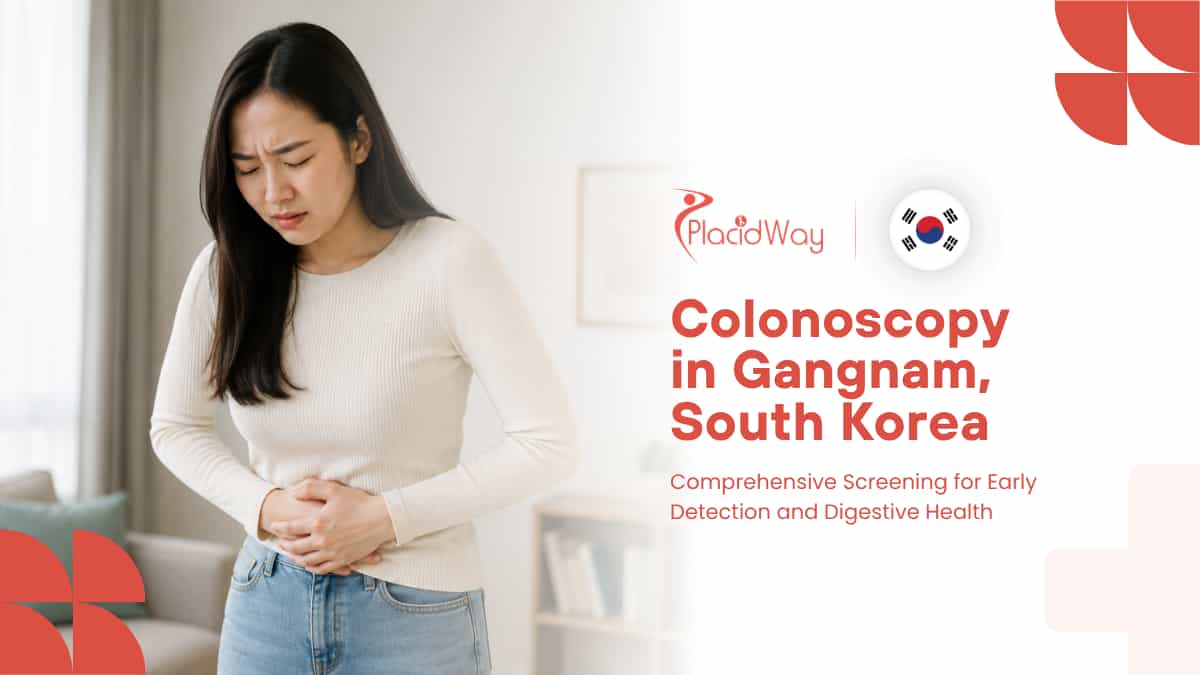
Think a colonoscopy sounds like a hassle? In Gangnam, South Korea, this essential colon screening is treated with the same precision, comfort, and cutting-edge technology as their world-famous skincare routines. Patients from the United States, Japan, China, Taiwan, and Singapore are flying in for this seamless health-meets-wellness experience, combining high-tech AI diagnostics with gentle twilight sedation that makes the whole process feel like a quick nap. It is the ultimate modern preventative care trend, blending serious medical accuracy with K-culture's rising obsession with inner gut health and long-term vitality.
Key Package Insights
- Package Cost Range: Transparent pricing spanning $300 to $2,000 USD, depending on whether biopsies or polyp removals are required.
- Top-Tier Accreditations: Procedures performed in facilities accredited by the Korean Accreditation Program for Hospitals Serving Foreign Patients (KAHF) and Joint Commission International (JCI).
- The K-Wellness Trend: Reflects South Korea’s massive shift toward microbiome health, proving that radiant skin and longevity start in the gut.
- Advanced Diagnostic Tech: Utilizing AI-assisted endoscopes that highlight microscopic tissue changes missed by the naked eye.
- Pain-Free Experience: Standardized twilight sedation protocols ensure you sleep comfortably through the entire diagnostic screening.
- Same-Day Interventions: Immediate polyp removal during the screening saves you from needing a second procedure later.
Why International Patients Choose Gangnam for Colon Screening
Gangnam is no longer just famous for pop music and cosmetic enhancements; it has rapidly evolved into a global hub for sophisticated preventative health screenings. Medical tourists from across Asia and the US are realizing they can pair a world-class health checkup with a fantastic vacation, all while paying a fraction of what they might at home.
- United States Travelers: American patients frequently fly to Seoul specifically to bypass exorbitant out-of-pocket healthcare costs, receiving premium, self-pay care for a fraction of US prices.
- Japanese and Taiwanese Visitors: Capitalizing on incredibly short flight times, patients from these countries treat Gangnam screenings as a convenient weekend health retreat with familiar, VIP-level hospitality.
- Chinese Medical Tourists: Drawn by Gangnam's reputation for hyper-advanced medical technology, Chinese patients seek the peace of mind that comes with AI-assisted polyp detection.
- Singaporean Health Seekers: Singaporeans value extreme efficiency; Gangnam clinics deliver comprehensive diagnostic results in hours, allowing the rest of the trip to be spent enjoying Seoul's culinary and shopping scenes.
- The Luxury of Prevention: Across the globe, waiting until you are sick is out. Proactive, high-end preventative screenings in luxury medical facilities are the new status symbol in wellness tourism.
The K-Wellness Shift: Why Gut Health is the New Skincare
South Korea practically invented the modern beauty routine, but the latest trend sweeping Gangnam goes much deeper than surface-level serums. The "K-Wellness" movement heavily links a healthy microbiome to outward radiance, making gastroenterology a cornerstone of holistic beauty and longevity.
- Glass Skin Starts Within: Korean wellness experts champion the "gut-skin axis," promoting the idea that clearing internal inflammation is step one for flawless, radiant skin.
- Spa-Like Medical Environments: Gangnam clinics have completely ditched the cold, clinical hospital vibe. Expect warm lighting, plush recovery lounges, and aromatherapy that make you feel like a VIP spa guest.
- Annual Wellness Retreats: Rather than viewing a colonoscopy as a dreadful milestone, health-conscious travelers now seamlessly weave this procedure into their yearly overseas wellness vacations.
- Post-Procedure Nutrition: Recovery in Seoul often includes deeply nourishing, gut-friendly traditional foods like abalone porridge (jeonbokjuk) and soothing detox teas, blending ancient dietetics with modern medicine.
- Holistic Longevity: The trend is moving from simply "looking young" to actually keeping your internal organs functioning optimally, preventing serious diseases before they start.
Global Cost Comparison for Colonoscopy Procedures
When planning your medical trip, understanding the financial landscape is crucial. Below is a snapshot of how Gangnam compares to other major healthcare markets. Please note that the South Korean pricing is an estimated cost pending a preliminary medical assessment, as final fees can fluctuate based on whether polyps are found and removed during the screening.
| Country / Region | Estimated Cost Range (USD) | Wait Times |
|---|---|---|
| South Korea (Gangnam) | $300 - $2,000 | Usually within 1-2 weeks |
| United States | $2,500 - $5,000+ | 1 to 3 months |
| Singapore | $1,500 - $3,500 | 1 to 4 weeks |
| Japan | $800 - $2,500 | 2 to 6 weeks |
| United Kingdom (Private) | $2,000 - $3,500 | 2 to 4 weeks |
What Your Gangnam Colon Screening Includes
We believe in absolute transparency when you travel for medical care. Your package is designed to be comprehensive, ensuring you feel supported from the moment you step into the clinic.
- Pre-procedure consultation with a board-certified gastroenterologist.
- Bowel preparation kit and detailed dietary instructions (provided prior to your appointment).
- Standard twilight IV sedation administered by specialized medical staff.
- The complete endoscopic examination using high-definition AI-assisted equipment.
- The physician’s labor for basic polyp removal or tissue biopsy during the procedure.
- Access to a comfortable, private post-procedure recovery lounge.
- In-house medical interpretation services (English, Mandarin, or Japanese typically available).
Out-of-Pocket Expenses Not Covered in the Package
To help you budget accurately for your trip to Seoul, please be aware of the standard expenses that fall outside the base medical package.
- International flights, airport transfers, and local transportation.
- Hotel accommodations before and after your procedure.
- Advanced pathology laboratory fees (if complex or numerous polyps are sent for biopsy testing).
- Prescription medications required for post-procedure recovery (rare, but occasionally needed).
- Comprehensive travel and medical insurance.
Medical Documents to Prepare Before Your Trip
Efficiency is key to a smooth medical tourism experience. Gathering these documents beforehand allows the clinical team to evaluate your health status and confirm your eligibility for the procedure.
- A comprehensive list of all current medications, especially blood thinners or diabetes management drugs.
- Previous gastroenterology reports or past colonoscopy results (if applicable).
- Recent basic blood test results (Complete Blood Count and metabolic panel) from within the last 3-6 months.
- A detailed record of any known allergies, specifically relating to anesthesia or sedatives.
- Brief medical history highlighting past abdominal surgeries or family history of colon cancer.
Navigating Travel from Major Global Hubs
Traveling to Seoul is incredibly straightforward, making it an ideal destination for cross-border healthcare. Here is how patients from our top demographic regions generally approach their trips to Gangnam.
- US Travelers: Direct flights to Incheon (ICN) are plentiful. US citizens enjoy visa-free entry (K-ETA required). Plan for a 5 to 7-day trip to account for jet lag and a relaxed recovery.
- Japanese Patients: With flights taking just about 2 hours, many Japanese patients fly in on a Friday, prep in their hotel, have the procedure Saturday morning, and fly back Sunday evening.
- Chinese & Taiwanese Visitors: Short-haul flights make Seoul a quick hop. Be sure to check current visa regulations, though medical visas are frequently streamlined for those with confirmed clinic appointments.
- Singaporean Guests: The 6-hour flight is manageable, and visa-free access makes it easy. Many Singaporeans book a 4-day stay, mixing their screening with a weekend of café hopping in Seongsu-dong.
- Airport to Gangnam: The Airport Limousine Bus or the AREX express train paired with a quick taxi makes getting from Incheon International Airport straight to the heart of Gangnam a breeze.
The Gangnam Patient Experience: What to Expect on Screening Day
Anxiety before a medical procedure is normal, but the clinical workflow in South Korea is famously engineered to be as soothing and stress-free as possible.
- Arrival and Translation: Upon entering the clinic, a dedicated coordinator (fluent in your native language) will greet you and guide you through the digital check-in process.
- Changing and Vitals: You will be escorted to a private locker room to change into comfortable clinic wear, followed by a quick check of your blood pressure and heart rate.
- Doctor Consultation: You will sit down with your gastroenterologist to discuss your medical history, any symptoms, and exactly how the procedure will unfold.
- The Procedure: Once in the exam room, the anesthesiologist administers twilight sedation. You will drift off to sleep and wake up feeling like only a minute has passed.
- Post-Care Review: After resting in the recovery lounge, you will meet your doctor again to view high-definition images of your colon and discuss immediate findings before being discharged.
Gut Health and Dietary Prep, the Korean Way
The hardest part of a colonoscopy is always the prep, especially when you are in a foreign country. However, managing your diet in Seoul ahead of your procedure is surprisingly easy.
- Three Days Prior: You will need to avoid high-fiber foods, seeds, and nuts. South Korea has fantastic white rice dishes, tofu, and clear broths that fit perfectly into this low-residue diet phase.
- The Day Before: It is time for clear liquids. Local convenience stores (like CU or GS25) are packed with clear apple juices, sports drinks (like Pocari Sweat), and clear teas to keep you hydrated.
- The Prep Medication: Korean clinics offer modern, low-volume bowel prep solutions that are much easier to swallow and cause less nausea than older, gallon-sized jugs.
- Hotel Convenience: You will be spending the evening before your procedure close to a restroom. We highly recommend booking a comfortable, modern hotel in Gangnam so you can prep in complete privacy.
- Breaking the Fast: Afterward, you will be hungry! Your clinic will likely recommend starting with a gentle Korean rice porridge (juk) to wake up your digestive system safely.
Post-Procedure Recovery and Safe Sightseeing in Seoul
You traveled all the way to South Korea, so naturally, you want to explore. Balancing recovery with sightseeing is entirely doable if you follow a few basic guidelines.
- Day of the Procedure: Take it incredibly easy. The sedation takes 24 hours to fully leave your system. Spend the afternoon resting in your hotel or taking a slow walk in a nearby park.
- No Heavy Lifting: If you had a polyp removed, you will be advised against heavy lifting or strenuous exercise for a few days—skip the intense mountain hikes this trip.
- Ease into Spicy Foods: As tempting as fiery Korean BBQ or spicy tteokbokki might be, give your gut 48 hours to recover before diving into heavily spiced or greasy foods.
- Enjoy Light Walking: Exploring the upscale malls of Gangnam (like COEX) or strolling along the Han River are perfect, low-impact activities for the days following your screening.
- Hydration is Vital: The bowel prep process dehydrates you. Make sure you carry a water bottle while exploring the city to help your body bounce back quickly.
Frequently Asked Questions by International Patients
1. Is the sedation used during the procedure safe?
Yes, absolutely. The twilight sedation is carefully administered and monitored by specialized medical staff. You will be completely relaxed and asleep, but you will breathe on your own, making it much safer and gentler than general anesthesia.
2. How long does the entire appointment take?
The colonoscopy itself only takes about 30 to 45 minutes. However, you should plan to be at the clinic for 2 to 3 hours total to account for check-in, the doctor’s consultation, and your time in the recovery room waking up from sedation.
3. Can I fly back home the same day as my procedure?
It is highly advised against. Medical guidelines require you to wait at least 24 hours after receiving sedation before making major decisions or taking long-haul flights. If polyps are removed, your doctor may suggest waiting up to 72 hours before flying due to cabin pressure changes.
4. What happens if the doctor finds a polyp?
If a polyp is discovered during your screening, the doctor will usually remove it right then and there. The tissue will then be sent to the laboratory for a biopsy to check for any abnormalities. This is standard preventative practice.
5. Will I be in pain after the procedure?
Most patients experience zero pain. You might feel some mild bloating, gas, or mild cramping immediately afterward because air is introduced into the colon to give the doctor a clear view. Walking around helps relieve this quickly.
6. Why is this package so much more affordable than in the United States?
South Korea has a highly efficient, regulated healthcare system with lower administrative overhead and malpractice insurance costs compared to the US. You are paying for top-tier medical care, not an inflated billing system.
7. Will language be a barrier during my medical visit?
Not at all. Gangnam clinics catering to international patients maintain dedicated in-house interpretation departments. You will have a fluent English, Mandarin, or Japanese-speaking coordinator with you to translate medical terms accurately.
8. How do I manage the bowel prep in a hotel room?
It is very manageable! Just ensure you book a hotel room with an en-suite private bathroom. The clinic will provide clear instructions on how to mix the prep solution with water. Stock up on clear fluids from a nearby convenience store, put on a good movie, and stay close to the restroom.
9. When can I eat spicy Korean food again?
Your gut will be slightly sensitive after the cleanse and the procedure. It is best to stick to bland, easily digestible foods for the first 24 to 48 hours. After that, you can slowly reintroduce spices, but listen to your body and don't overwhelm your digestive system right away.
Ready to Prioritize Your Inner Health?
Taking control of your gut health doesn't have to be daunting. Combine world-class preventative screening with an unforgettable trip to Seoul. Reach out today, and let’s help you plan a seamless, stress-free medical journey.
Request Free QuoteMedical Disclaimer: The information provided on this page is for general informational and educational purposes only and is not a substitute for professional medical advice. Always consult with a qualified healthcare provider regarding any medical condition, diagnosis, or treatment plan.
Evidence-Based References & Resources
- National Institute of Diabetes and Digestive and Kidney Diseases (NIDDK) - Understanding Colonoscopy Procedures and Preparation
- Mayo Clinic - Colonoscopy: What You Can Expect, Risks, and Results
- World Health Organization (WHO) - Colorectal Cancer Fact Sheet and Global Screening Guidelines
- American Society for Gastrointestinal Endoscopy (ASGE) - Understanding Endoscopy and Polyp Removal Safety
- Centers for Disease Control and Prevention (CDC) - Patient Safety Guidelines for Medical Tourism and International Healthcare
.png)


.png)
.png)
.png)
.png)












Share this listing