


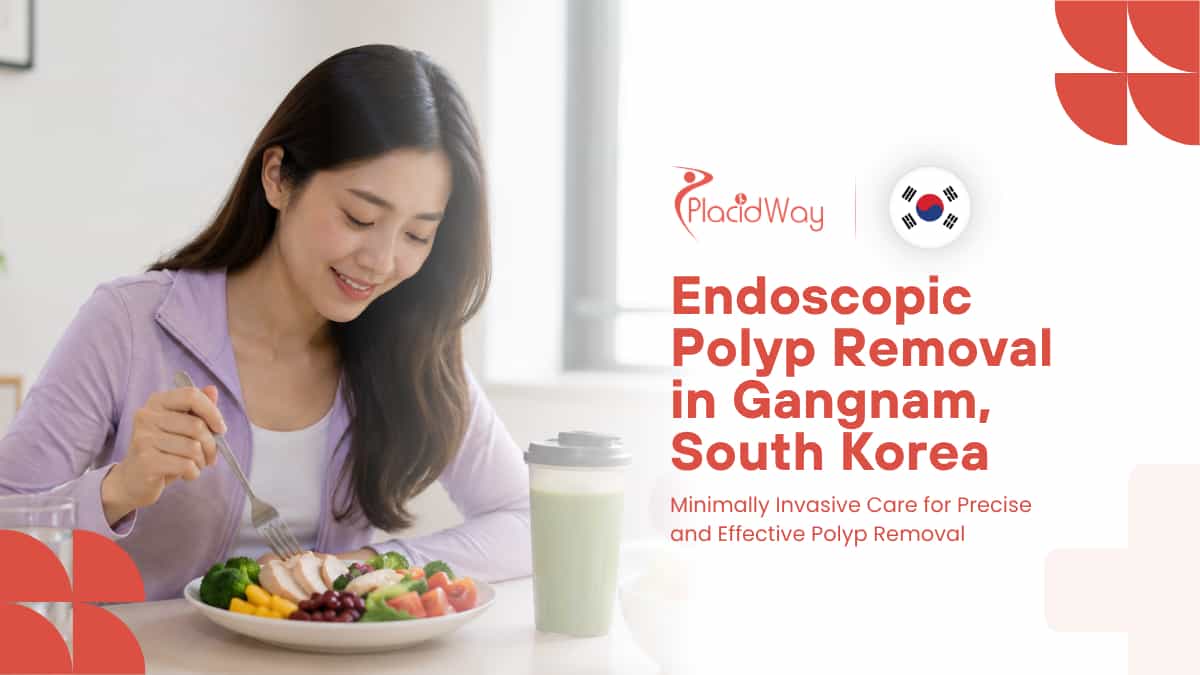
Think of endoscopic polyp removal as the ultimate "inner glow-up"—because true wellness and vitality start long before you reach the skincare aisle. Endoscopic polyp removal in Gangnam offers a minimally invasive, highly precise way to detect and remove precancerous growths in the digestive tract, seamlessly combining world-class gastroenterology with rapid recovery. Patients from the United States, Japan, Taiwan, and Singapore are increasingly choosing South Korea for this procedure to bypass long wait times at home, access AI-assisted diagnostic technology, and embrace the booming K-Wellness trend that connects gut health directly to overall aesthetic longevity.
Fast Facts: Your Treatment Overview
- Estimated Cost Range: $300 – $2,000 USD, offering transparent, highly competitive pricing compared to Western healthcare systems.
- Global Certifications: Procedures are performed in Joint Commission International (JCI) accredited and Korea Institute for Healthcare Accreditation (KOIHA) certified facilities.
- The K-Wellness Trend: Rooted in "Inner Beauty," this procedure aligns with the Korean philosophy that a healthy gut is the foundation for clear skin, anti-aging, and systemic health.
- Advanced AI Technology: Clinics utilize high-definition, AI-assisted endoscopes to detect even the flattest, most elusive polyps with unmatched precision.
- Rapid Bounce-Back: Designed as a same-day outpatient procedure with conscious sedation, allowing you to walk out and enjoy Seoul shortly after recovery.
- Seamless Communication: Dedicated medical interpreters (fluent in English, Mandarin, and Japanese) ensure nothing gets lost in translation.
The Appeal of Gastrointestinal Screenings in Gangnam
Gangnam isn't just the epicenter of flawless skin and vibrant pop culture; it is a global hub for hyper-efficient, highly advanced preventative healthcare. Medical tourists from around the globe are realizing that catching a weekend flight for a health screening makes both medical and financial sense. Here is why this procedure is drawing international crowds to Seoul's most famous district:
- Escaping US Healthcare Hurdles: Americans often face astronomical out-of-pocket deductibles and months-long waits for a simple colonoscopy. Gangnam offers immediate scheduling at a fraction of the cost.
- Convenience for Asian Neighbors: Patients from Japan, Taiwan, and Singapore treat Gangnam as a quick, weekend wellness getaway thanks to short, affordable, and frequent direct flights.
- The "One-Stop" Culture: Korean medical centers are built for speed without sacrificing quality. You get your consultation, procedure, and initial findings delivered faster than you can finish a K-drama season.
- Luxury Clinical Environments: Forget sterile, anxiety-inducing hospital wards. Clinics in Gangnam are designed to feel like high-end wellness lounges, prioritizing patient comfort and privacy.
- Unmatched Diagnostic Volume: Korean gastroenterologists perform an incredibly high volume of endoscopies daily, translating to highly refined hands-on expertise in safely excising tricky polyps.
Inner Wellness: The New Frontier of K-Beauty
You simply cannot achieve radiant, glass-like skin if your digestive system is compromised. The K-Beauty industry has evolved far beyond topical serums, firmly merging with K-Wellness to make inner digestive health a top priority for aesthetic enthusiasts. Here is how preventative screening fits into the modern Korean beauty regimen:
- The Gut-Skin Axis: Leading Korean dermatologists and wellness experts emphasize that chronic inflammation in the gut directly triggers premature aging, acne, and dull skin.
- Preventative over Reactive: Just like applying SPF daily to prevent wrinkles, removing precancerous polyps is the ultimate preventative measure for long-term health and vitality.
- Holistic Package Pairings: It is incredibly common for international patients to schedule an endoscopy in the morning and follow it up a few days later with vitamin IV drips or non-invasive skin treatments.
- Removing the Stigma: Gangnam’s wellness culture has completely normalized gut health checks, transforming what used to be an embarrassing medical appointment into a celebrated act of self-care.
- Youthful Longevity: The core of modern K-Beauty is longevity. Ensuring your internal organs are functioning optimally is seen as the truest form of anti-aging.
Global Cost Comparison for Endoscopic Polyp Removal
Please note: The prices listed below are estimated ranges for endoscopic polyp removal. Final costs will pend upon your preliminary medical assessment, the specific number of polyps removed, and any subsequent laboratory biopsy requirements.
| Country | Estimated Cost (USD) | Wait Time |
|---|---|---|
| South Korea (Gangnam) | $300 - $2,000 | 1 - 3 Days |
| United States | $3,000 - $8,000+ | 1 - 3 Months |
| Singapore | $1,500 - $4,500 | 2 - 4 Weeks |
| Japan | $800 - $2,500 | 2 - 4 Weeks |
| China (Tier 1 Private Clinics) | $1,000 - $3,000 | 1 - 2 Weeks |
| Taiwan | $600 - $1,800 | 1 - 2 Weeks |
Package Inclusions
- Pre-procedure consultation and gastroenterology assessment.
- High-definition endoscopic procedure (upper GI or colonoscopy).
- Standard excision/removal of polyps found during the scope.
- Conscious sedation (twilight sleep) for a comfortable experience.
- Post-procedure resting time in a private recovery suite.
- Dedicated in-house medical interpreter (English, Mandarin, or Japanese).
- Follow-up consultation to review initial findings and aftercare.
Package Exclusions
- International airfare, hotel accommodations, and local transport.
- Complex pathology lab fees (if multiple or unusually large polyps require extensive biopsy testing).
- Treatments for separate gastrointestinal conditions (e.g., H. pylori eradication therapy).
- Pre-procedure bowel preparation kits (usually purchased separately from the pharmacy).
- Comprehensive travel insurance or separate medical complication coverage.
Required Medical Records for Preliminary Assessment
To ensure your safety and streamline your consultation, Korean specialists typically request a few basic health records before you fly. Having these ready helps the clinic tailor the sedation and procedure to your exact needs.
- Recent comprehensive blood test results (specifically Complete Blood Count and coagulation profiles to check bleeding risks).
- Reports from any previous endoscopies or colonoscopies, including past biopsy results.
- A detailed list of all current medications, specifically highlighting blood thinners (like Aspirin or Warfarin) and daily supplements.
- Medical notes regarding any existing chronic conditions, such as hypertension, diabetes, or heart disease.
- Documented allergies to specific medications, anesthetics, or latex.
Navigating Your Health Journey: Travel Tips by Origin
Getting to Seoul is a breeze, but planning a medical trip requires a little extra finesse depending on where you are flying from. Whether you are crossing an ocean or just hopping over the East China Sea, a bit of prep makes the journey seamless.
- From the United States: Factor in the 12 to 15-hour flight time; it is wise to arrive at least two days before your procedure to beat jet lag and let your digestion settle.
- From Singapore & Taiwan: Take advantage of quick, 4 to 6-hour direct flights. Many patients turn this straightforward trip into an extended long-weekend wellness retreat.
- From Japan & China: Extremely short flight times mean you can comfortably travel, undergo screening, and be home in a matter of days, though staying for the biopsy results is often recommended.
- Visa and Entry Requirements: Most citizens from the US, Japan, and Singapore enjoy visa-free entry, but always ensure you complete the K-ETA (Electronic Travel Authorization) before booking tickets.
- Effortless Local Transit: The Airport Railroad Express (AREX) connects Incheon International Airport to the city center swiftly, and Gangnam’s subway system makes reaching your clinic incredibly easy.
Pre-Procedure Prep: Setting the Stage for a Clear View
The preparation isn't exactly the most glamorous part of your trip, but a perfectly clean digestive tract is the absolute secret to a fast, accurate, and safe procedure. South Korean clinics make this process as tolerable as possible.
- Strategic Dietary Tweaks: You will need to transition to a low-fiber diet 2 to 3 days prior—say a temporary goodbye to nuts, seeds, and tough, leafy greens.
- The Prep Solution: Yes, drinking the bowel prep liquid is mandatory for colonoscopies, but Korean clinics often supply newer, lower-volume formulas that taste significantly better than older iterations.
- Hydration is Crucial: Keep flushing your system with clear liquids like water, light broths, or pale sports drinks, strictly avoiding anything with red or purple dyes.
- Medication Pauses: Your Gangnam doctor may require you to stop taking blood thinners or specific vitamins a few days beforehand to minimize bleeding risks during polyp removal.
- The Fasting Window: Strict fasting—meaning absolutely no food or water—is generally required for 8 to 12 hours immediately preceding your appointment.
Why Technology Matters: AI and High-Definition Imaging
Gangnam clinics do not just use standard medical gear; they integrate the latest tech innovations to ensure absolutely nothing is missed during your screening. This technological edge is a primary reason international patients trust Korean specialists.
- AI-Assisted Detection: Smart, real-time software highlights suspicious areas on the monitor, drastically reducing the human error rate for spotting flat, camouflaged, or tiny polyps.
- Narrow Band Imaging (NBI): This advanced lighting filter enhances the contrast of mucosal blood vessels, allowing doctors to instantly differentiate between normal and precancerous tissue.
- Magnification Endoscopy: Scopes capable of zooming in up to 100x provide an "optical biopsy," giving the gastroenterologist immediate clues about a polyp's cellular structure before excision.
- CO2 Insufflation: Instead of pumping regular room air into the gut, top clinics use Carbon Dioxide, which is absorbed by the body 150 times faster, resulting in virtually no post-procedure bloating or cramping.
- Impeccable Sterilization: Automated endoscope reprocessors are utilized to guarantee the highest infection control and hygiene standards on a global level.
Recovery and Rejuvenation: Enjoying Seoul Post-Screening
Because this is a minimally invasive procedure, you will not be confined to a hotel bed for your entire trip. With the right care, you can safely enjoy the culture, cuisine, and calm that Seoul has to offer.
- Immediate Aftercare: Expect to rest in a comfortable clinical suite for 1 to 2 hours until the conscious sedation fully wears off and you are cleared to leave.
- Gentle First Meals: Break your fast with something warm and soothing. Traditional Korean rice porridge (Juk) is incredibly popular and the perfect, gentle first meal for a healing gut.
- Managing Activity Levels: Stick to light walking for the first few days. Avoid heavy lifting, vigorous gym workouts, or strenuous hikes to let your digestive tract heal from the polyp excision.
- Low-Stress Sightseeing: Swap the crowded tourist traps for low-stress activities, like exploring the spacious COEX Mall or enjoying a serene, flat walk along the beautiful Han River.
- Waiting for Results: Pathology biopsy results typically take a few days. Many patients use this waiting period to enjoy a relaxing Korean scalp spa or mild, hydrating dermatological facial.
Frequently Asked Questions
1. Is endoscopic polyp removal painful?
Not at all. You will be given conscious sedation (often referred to as twilight sleep). You will feel entirely relaxed, drowsy, and typically remember nothing of the procedure. Because the lining of the digestive tract lacks pain nerve endings, snipping the polyp itself causes no pain.
2. How long does the actual procedure take?
The endoscopy or colonoscopy itself usually takes between 20 to 45 minutes, depending on how easy it is to navigate your digestive tract and how many polyps need to be removed. Including prep and recovery, expect to be at the clinic for about 3 to 4 hours total.
3. What is the difference between a polyp and a tumor?
A polyp is a small clump of cells that forms on the lining of the digestive tract. While most polyps are completely benign (non-cancerous), some have the potential to turn into colon or stomach cancer over time. Removing them is a proactive way to prevent malignant tumors from developing.
4. Will I be completely asleep during the procedure?
You won't be under general anesthesia (where a breathing tube is required). Instead, you will receive conscious sedation. You are breathing on your own and technically awake enough to respond to commands, but you will be in a deep, dream-like state and won't feel discomfort.
5. How soon can I fly back home after a polyp removal?
Most doctors recommend waiting at least 24 to 48 hours after a routine polyp removal before taking a flight. This ensures that the sedation has completely left your system and allows doctors to monitor for any rare, delayed bleeding before you enter a pressurized cabin.
6. Why do prices vary from $300 to $2,000?
The lower end of the range usually covers a standard diagnostic endoscopy without polyp removal. The price increases based on whether you are having both upper and lower scopes, the number of polyps excised, the type of excision tools used, and the subsequent laboratory pathology fees.
7. Can I get an upper endoscopy and a colonoscopy at the same time?
Yes. Doing both simultaneously is incredibly common and efficient. You only have to undergo sedation once, making it highly convenient for medical tourists looking to maximize their time in Gangnam while getting a comprehensive digestive health check.
8. What happens if the biopsy shows cancer?
If pathology detects malignancy, your Gangnam medical team will thoroughly discuss the findings with you. Thanks to South Korea's highly integrated medical system, they can swiftly refer you to a specialized oncology center in Seoul for advanced treatment planning, or provide full translated reports for your doctors back home.
9. Are the doctors in Gangnam board-certified in gastroenterology?
Absolutely. Specialists performing these procedures have undergone rigorous medical training, hold national board certifications, and often have international fellowships. The clinics catering to foreigners are heavily vetted and hold prestigious accreditations guaranteeing a high standard of medical safety.
10. Do I need to bring someone with me to the clinic?
Because you will be receiving sedation, clinics require that you have an escort to help you back to your hotel. If you are traveling solo, many premium medical concierge services or the clinics themselves can arrange a licensed medical escort or trusted transport for your safety.
Ready to Prioritize Your Inner Wellness?
Take the first step toward peace of mind and long-term health. Reach out to our dedicated team today to discuss your medical history, coordinate your travel, and get a personalized estimate for your journey to Gangnam.
Request Free QuoteMedical Disclaimer: The information provided on this page is for general informational and educational purposes only and is not a substitute for professional medical advice, diagnosis, or treatment. Always seek the advice of your physician or other qualified healthcare provider with any questions you may have regarding a medical condition or treatment plan.
Authoritative References for Further Reading
- National Institute of Diabetes and Digestive and Kidney Diseases (NIDDK) - Understanding Colonoscopy
- Mayo Clinic - Upper Endoscopy Procedure Details and Risks
- Cleveland Clinic - Colon Polyps: Causes, Symptoms & Removal
- American Society for Gastrointestinal Endoscopy (ASGE) - Understanding Polyps
- National Cancer Institute - Colorectal Cancer Screening Fact Sheet
.png)

.png)
.png)
.png)
.png)












Share this listing