What treatment
20+ Most Frequently Asked Questions About Spine Care/Surgery
Find Clear and Concise Answers to Common Questions About Spine Care/Surgery
Trusted Medical Tourism Platform Since 2007

Minimally Invasive Spine in Gangnam, South Korea: Who Fits Smaller-Incision Surgery
For individuals navigating chronic spinal nerve compression, the daily experience is a uniquely exhausting physical and emotional test. Many spend months or years cycling through physical therapy, modified activities, anti-inflammatory medications, and epidural steroid injections, only to find the functional relief diminishing over time. This dread is historically rooted in the reputation of traditional open back surgery. For suitable patients, minimally invasive spine surgery in Gangnam may offer a smaller-incision alternative with less tissue disruption. The Allure of a Smaller Surgical Footprint It is entirely logical to seek a less destructive path forward, which is precisely when most individuals begin researching "minimally invasive spine surgery" (MISS). In the pursuit of highly refined, smaller-incision techniques, searches consistently point toward major international medical hubs. Gangnam, South Korea, stands out prominently due to its high concentration of specialized spine centers and its widespread adoption of advanced endoscopic technologies. However, before considering a long-haul flight for spinal decompression, individuals must critically evaluate whether their specific anatomical pathology actually aligns with the physical limitations of a smaller surgical window. The Anatomy of the Approach: Procedure vs. Access When comparing spinal interventions, it is crucial to recognize that "minimally invasive" describes a surgical access philosophy rather than a single specific operation. The underlying clinical objective—removing a herniated disc fragment, shaving bone to decompress a pinched nerve, or fusing unstable vertebrae together—remains exactly the same as in traditional open surgery. The fundamental difference lies entirely in how the surgical team separates the stabilizing soft tissues of the back to access the bony spinal column beneath. Surgical Parameter Traditional Open Surgery Minimally Invasive (MISS) Soft Tissue Management Muscles are systematically detached from the bone and heavily retracted, which can cause local scarring and denervation. Muscle fibers are gently separated and sequentially dilated using inserted tubes, preserving their blood supply. Incision Geometry Requires a larger, continuous midline incision to expose multiple spinal levels at once for broad visual confirmation. Utilizes small, targeted keyhole incisions dependent entirely on the diameter of the endoscopic camera or retractor tube. Visualization Technique Allows a direct, wide-angle, naked-eye view of the gross spinal anatomy and all surrounding nervous structures. Relies heavily on inserted endoscopes, surgical microscopes, and real-time fluoroscopic imaging on operating room monitors. Early Postoperative Phase Immediate back pain is often significant due to the physical trauma inflicted on the paraspinal muscles during exposure. Features vastly reduced muscular surgical site pain, though the timeline for resolving nerve-specific pain varies widely. Clinical Candidacy: Who Actually Fits the Profile? While the prospect of reduced postoperative muscle pain and shorter hospital stays is universally appealing, clinical candidacy for an endoscopic or tubular approach is strictly dictated by an individual's spinal mechanics. A highly skilled surgeon cannot safely deploy a small-incision technique if the underlying pathology demands a wider anatomical field to ensure structural stability and prevent accidental nerve injury. Minimally invasive surgery is a highly specialized tool, not a universal remedy for all spinal degeneration. Highly Favorable for MISS Isolated Herniated Discs: A specific, localized piece of ruptured disc material pressing on a single traversing nerve root (sciatica). Localized Spinal Stenosis: Bone spurs or thickened ligaments choking the spinal nerves at one or two specific vertebral levels. Low-Grade Spondylolisthesis: Mild, single-level vertebral slippage that can be stabilized via a minimally invasive transforaminal lumbar interbody fusion (MIS-TLIF). Generally Require Open Exposure Complex Deformities: Severe scoliotic or kyphotic curves requiring multi-level realignment and extensive hardware placement. Advanced Degenerative Disease: Pathology spanning three or more vertebral levels that necessitates broad anatomical visualization to fully decompress. Revision Surgeries: Cases complicated by dense, unpredictable scar tissue from previous open operations, which increases the risk of dural tears if performed through a restrictive tube. The Gangnam Ecosystem: Biportal Endoscopy and Navigation Seoul has established itself as a focal point in the global spine surgery landscape, driven by high-volume clinical centers that rapidly integrated advanced visualization tools into standard practice. Within districts like Gangnam, surgical teams frequently utilize advanced endoscopy, real-time intraoperative navigation, and robotic assistance. For self-funded international patients, these technology-intensive procedures typically range between $7,000 and $15,000, varying significantly based on the number of spinal levels treated, facility fees, and whether expensive stabilizing implants are required. A defining characteristic of many South Korean spine clinics is the mastery and continuous refinement of unilateral biportal endoscopic (UBE) surgery. Unlike traditional single-port techniques that force both the camera and the surgical instruments through one restrictive tube, the biportal approach utilizes two distinct, millimeter-sized incisions. This fundamental geometric shift provides the surgical team with distinct mechanical advantages during intricate nerve decompression procedures. Independent Triangulation Because the camera and surgical drill are not locked in the same rigid tube, the surgeon can view the compressed nerve from one angle while removing the offending bone from another, increasing precision. Continuous Fluid Irrigation Two independent ports allow constant sterile saline to flow in and out of the surgical site. This instantly washes away minor bleeding, providing an exceptionally clear, magnified view of the nerve root. Broader Decompression The angled, uncoupled approach allows the surgeon to reach over the spinal cord (over-the-top decompression) to relieve pressure on the opposite side without removing vital stabilizing bone structures. The Physical Paradox of Postoperative Air Travel Choosing an international destination for spine surgery introduces a profound physical contradiction into the recovery process. The operative intervention is explicitly designed to relieve pain and restore structural mobility, yet returning home requires enduring a 10- to 15-hour international flight shortly after the spinal column has been mechanically manipulated. Prolonged upright sitting places tremendous compressive loads on the healing lumbar spine, which can provoke severe localized discomfort and temporary nerve irritation in the early postoperative weeks. Clinical Warning: Deep Vein Thrombosis (DVT) Medical evidence strongly indicates that prolonged air travel naturally increases the risk of DVT due to venous pooling in the lower extremities. When a patient combines the hypercoagulable state of recent major surgery with decreased mobility inside an aircraft cabin, this clotting risk compounds significantly. Any plan to fly internationally after spine surgery requires strict clearance from the operating surgeon, a personalized risk assessment, and active prophylactic measures such as graduated compression stockings, targeted hydration, and occasionally prescribed chemical blood thinners. Structuring the Transpacific Journey Required Travel Logistics Extended Local Observation: Patients must expect to stay in a hotel in Seoul for 7 to 14 days following hospital discharge. The surgeon must evaluate early wound healing, remove sutures if necessary, and formally clear the patient for aviation stress. Cabin Positioning Restraints: Upgrading to a lie-flat seat or business class is frequently viewed as a medical necessity rather than a luxury. Sitting rigidly at a 90-degree angle in an economy seat for 14 hours is generally contraindicated shortly after lumbar decompression or fusion. In-Flight Circulation Movement: Patients will be instructed to stand, carefully walk the aircraft aisles, and perform specific calf-pump exercises at regular intervals to maintain blood circulation and prevent lower extremity pooling. Absolute Luggage Restrictions: Postoperative patients are placed on strict lifting restrictions (often capped at 5 to 10 pounds). Patients absolutely cannot maneuver heavy suitcases off luggage carousels or hoist carry-on bags into overhead bins independently. Post-Surgical Reality: Care Continuity and the Companion’s Role The technological precision of the procedure in Seoul is merely the first phase of an extended healing timeline. Once the flight lands, the responsibility for monitoring wound integrity, managing pain medication transitions, and executing physical rehabilitation transfers completely to the patient and their local healthcare infrastructure. Traveling abroad naturally breaks the continuity of medical care, requiring proactive coordination before departure to ensure a local spine specialist or primary care physician is willing to absorb postoperative monitoring and handle any delayed complications. Because the patient will be under strict bending, lifting, and twisting restrictions (commonly known as BLT precautions), undertaking this international surgical journey alone is highly discouraged. The person accompanying the patient must be prepared to transition immediately from a casual travel companion to a dedicated medical advocate and physical surrogate in a fast-paced urban environment. Physical Logistics The companion will be responsible for entirely managing all luggage, coordinating airport and hotel transportation, and running daily errands for food or pharmacy items while the patient rests and strictly avoids spinal exertion. Medical Advocacy They must diligently track pain medication schedules, communicate with English-speaking clinic coordinators regarding post-discharge symptoms, and ensure the patient adheres to prescribed walking protocols without dangerous overexertion. Next Steps in Your Decision Deciding to pursue minimally invasive spine surgery requires weighing the genuine physical benefits of advanced endoscopic visualization against the objective physical demands of an international recovery. The widespread integration of biportal techniques and 3D navigation in Gangnam offers a highly precise surgical pathway, provided the patient’s localized pathology truly fits a smaller operative corridor rather than demanding traditional open exposure. The most critical next step is securing a remote anatomical review using recent, high-quality MRI imaging. Only after a specialized clinical team formally confirms that the specific nerve compression can be safely resolved through an endoscopic or tubular approach can a patient accurately weigh the overseas procedural advantages against the rigorous logistics of the journey home. Frequently Asked Questions Is minimally invasive spine surgery always a substitute for open surgery? No. Minimally invasive surgery is highly dependent on your specific anatomy. Complex spinal deformities, severe multi-level degeneration, and cases requiring extensive structural correction generally require the broader visualization and access provided by traditional open surgery. What is biportal endoscopic spine surgery (UBE)? Biportal endoscopy is an advanced technique that utilizes two separate small incisions rather than a single tube. One port holds the high-definition camera while the other is used for independent surgical instruments, allowing for greater surgeon mobility and continuous fluid irrigation. How long is the typical local recovery in South Korea before flying? Most international patients are advised to remain in Seoul for 7 to 14 days following their hospital discharge. This localized recovery period allows the surgical team to monitor early wound healing and eventually provide medical clearance for the physical stress of aviation. Why does flying after spine surgery increase medical risk? Combining the physiological aftermath of recent major surgery with prolonged immobilization during a long-haul flight significantly increases the risk of deep vein thrombosis (DVT), a dangerous blood clot. Furthermore, prolonged upright sitting places heavy compressive stress on the healing lumbar spine. Are surgical implants included in the estimated Gangnam spine surgery costs? Not always. While estimated price ranges ($7,000 to $15,000) cover standard facility and surgical fees for decompressions, the addition of titanium rods, screws, or interbody cages required for spinal fusion can significantly increase the final cost. Always request a comprehensive, itemized quote. Who is responsible for my physical therapy after returning home? You are entirely responsible for establishing localized care before traveling. You will need to take the postoperative rehabilitation protocol provided by your South Korean surgeon and present it to a local physical therapist to guide your long-term functional recovery. Clarify Your Next Steps If you need assistance comparing provider capabilities, understanding international clinic protocols, or requesting information on your surgical candidacy from specialists in Gangnam, we can help you coordinate those conversations. Request Information References https://pubmed.ncbi.nlm.nih.gov/31718873/ https://pubmed.ncbi.nlm.nih.gov/32418579/ https://pubmed.ncbi.nlm.nih.gov/27798725/ https://pubmed.ncbi.nlm.nih.gov/30999820/ https://pubmed.ncbi.nlm.nih.gov/11756599/ https://pubmed.ncbi.nlm.nih.gov/29774058/ https://pubmed.ncbi.nlm.nih.gov/32892305/ This content is for educational purposes only and is not medical advice. Diagnosis, treatment suitability, risks, recovery, travel timing and outcomes vary by individual and procedure. Decisions should be made with appropriately qualified healthcare professionals after an individual assessment. PlacidWay provides healthcare information and facilitation services and is not the treating physician, clinic or hospital....
Read more details


Non-Surgical Spine Care in Gangnam, South Korea: Options Before Spine Surgery
The conversation usually happens in a brightly lit consultation room after months of frustration and persistent discomfort. A physician looks at your latest magnetic resonance imaging (MRI) scan, notes the persistent nerve compression or advanced facet joint wear, and gently suggests that it might be time to discuss surgical options. For some people, finally having a definitive surgical plan brings relief, but for many others, it triggers a deep hesitation about permanently altering the biomechanical structure of their spine. That hesitation often leads to a critical and evolving question regarding whether all conservative pathways have truly been explored, or if only the standard protocols available in the immediate local healthcare system have been exhausted. There is a significant, highly specialized clinical space between basic physical therapy and open spinal fusion. Exploring this advanced middle ground is the primary reason a growing number of patients are looking toward specialized orthopedic and interventional spine centers in Seoul, South Korea. The Gap Between Physical Therapy and Surgery In many regional healthcare systems, the clinical pathway for managing back and neck pain follows a predictable and somewhat binary track. Patients are typically offered basic physical therapy, standard oral pain medications, and perhaps routine epidural steroid injections to manage acute flare-ups. If those initial interventions fail to provide lasting relief, the subsequent recommendation is often a referral for a surgical consultation, which can leave individuals wondering if a more intensive, intermediate step was overlooked. However, chronic spinal pain—whether originating from degenerative disc disease, facet joint syndrome, or mild to moderate spinal stenosis—often responds to more sophisticated interventional pain management and targeted neuro-ablative procedures. The primary goal of these advanced treatments is not necessarily to reverse structural aging, but rather to strategically disrupt chronic pain signaling, reduce deep localized inflammation, and improve biomechanical function enough to make major surgery unnecessary, or at least significantly delay it. Care Level Typical Interventions Primary Clinical Goal Standard Conservative Basic physical therapy, oral NSAIDs, simple epidural steroid injections. Initial symptom management and strengthening for mild to moderate flare-ups. Advanced Interventional Percutaneous neuroplasty, radiofrequency ablation, robotic decompression. Targeted disruption of pain pathways and severe adhesions to facilitate rehabilitation. Surgical Intervention Laminectomy, microdiscectomy, spinal fusion, artificial disc replacement. Permanent structural alteration to relieve severe neural compression or instability. What Does Advanced Non-Surgical Spine Care Involve? When discussing advanced non-surgical treatment packages—particularly those meticulously structured in high-volume international hubs like Gangnam—the clinical protocol rarely relies on a single isolated injection. Instead, it involves a multi-modal approach combining high-resolution diagnostic imaging, targeted percutaneous procedures, and intensive, supervised biomechanical rehabilitation. Understanding the specific techniques utilized in these centers helps clarify what this elevated level of care actually entails for the patient. These sophisticated interventions require precise fluoroscopic or ultrasound guidance, alongside specialized clinical training to navigate the delicate anatomy of the spinal canal safely. By aiming directly at the mechanical or chemical source of nerve irritation, specialists can often achieve a localized physiological response that standard physical therapy simply cannot reach on its own. Percutaneous Epidural Neuroplasty (PEN) Chronic spinal pain is sometimes severely exacerbated by epidural adhesions—dense bands of scar tissue that bind and restrict nerve roots, often occurring as a result of previous micro-trauma, long-term inflammation, or prior spinal surgeries. Percutaneous epidural neuroplasty (PEN), sometimes related to epiduroscopy, involves steering a flexible catheter into the epidural space under live fluoroscopic guidance to mechanically break up these adhesions and deliver targeted anti-inflammatory medications directly to the tethered nerve. Clinical research indicates that PEN can offer functional improvement for carefully selected patients dealing with refractory lower back pain and certain types of mild stenosis. By freeing the trapped nerve roots and washing out inflammatory cytokines, the procedure attempts to restore normal nerve glide and mobility, thereby reducing the continuous neuropathic irritation that makes daily movement agonizing. Radiofrequency Ablation (RFA) For patients whose primary pain originates in the facet joints—the small stabilizing joints located between the vertebrae that allow the spine to twist and bend—radiofrequency ablation provides a method to interrupt chronic pain signals. Using precise thermal energy delivered through a specialized needle, the physician creates a small, controlled lesion on the medial branch nerves that supply sensation to the degenerated or inflamed joint. The primary objective of RFA is to temporarily deactivate the transmitting nerve, providing a substantial window of pain relief that typically lasts anywhere from six months to over a year, depending on how quickly the nerve naturally regenerates. During this extended pain-free window, patients are highly encouraged to engage in the intensive core strengthening and functional rehabilitation programs that were previously impossible to tolerate due to severe joint pain. Percutaneous Disc Decompression While PEN addresses adhesions and RFA targets facet joint nerves, some patients face localized nerve compression from contained disc herniations. Percutaneous nucleoplasty or targeted plasma disc decompression uses specialized radiofrequency energy to gently ablate and coagulate tissue within the disc nucleus itself. By reducing the volume of the inner disc material, the procedure decreases intradiscal pressure, potentially allowing the bulging outer wall to relieve pressure on the sensitive nerve root. This intervention is highly specific and is generally reserved for patients whose discs have not fully ruptured or severely degenerated. The clinical window for these decompression techniques is narrow, underscoring the necessity of the high-resolution, weight-bearing MRI protocols typically utilized upon arrival to confirm exact structural candidacy. Clinical Reality Check: Understanding Evidence and Limitations While interventional spine procedures offer significant clinical value, maintaining realistic expectations is a critical part of the decision-making process. What the Evidence Supports: Procedures like radiofrequency ablation and percutaneous epidural neuroplasty have demonstrated efficacy in reducing pain scores and improving functional capacity for properly selected patients, providing a vital bridge to active rehabilitation. What Remains Uncertain: Individual responses vary significantly based on anatomy. These interventions do not "cure" degenerative disc disease, nor can they structurally widen a severely stenotic spinal canal. The Progression Risk: Symptom relief does not halt the underlying aging process of the spine. Some patients may eventually require surgical intervention if structural deterioration continues or if neurological deficits begin to worsen over time. The Gangnam Approach to Conservative Spine Care Seoul, and particularly the affluent Gangnam district, has developed a distinct reputation for advanced orthopedic and spinal healthcare infrastructure. While the area is internationally renowned for aesthetic treatments, its broader medical ecosystem includes numerous high-volume, technology-driven spine centers that prioritize conservative and interventional management. These specific hospitals and clinics are often structured entirely around a deeply ingrained "staircase" philosophy of musculoskeletal care. In this specialized medical model, irreversible surgical intervention is typically positioned as a final resort rather than a mid-level option. The clinical pathways are meticulously designed to aggressively exhaust all minimally invasive, catheter-based, and rehabilitative options first. For an international patient, this intense concentration of specialized non-surgical resources in one geographic area provides access to cohesive, fast-paced treatment protocols that might be highly fragmented or difficult to coordinate back in their home country. The Typical Healthcare Workflow When a patient travels for spine care in this region, the experience is designed around efficiency and immediate interdisciplinary collaboration. Rather than waiting weeks between a scan, a consultation, and a procedure, the timeline is deliberately compressed. Integrated Diagnostics: Patients typically undergo same-day, high-resolution MRI and dynamic weight-bearing X-ray evaluations upon arrival. The results are reviewed immediately to precisely map the physiological pain generators. Coordinated Care: Neurologists, interventional pain management specialists, and dedicated rehabilitation therapists often work within the same facility, allowing for rapid, daily adjustments to the interventional treatment plan. Intensive Rehabilitation Protocols: Unlike episodic physical therapy that might occur only once a week at home, these international packages often mandate daily, highly structured decompression and strengthening sessions during the patient's temporary residency in South Korea. Continuous Re-evaluation: The medical team monitors the immediate response to initial nerve blocks or epidural interventions, utilizing those responses dynamically to dictate the next logical step in the treatment cascade. Navigating the Seoul Healthcare Environment Traveling halfway across the world for intensive spinal care shifts the patient from a familiar home environment into a highly modern, fast-paced clinical hub. While the medical infrastructure in Gangnam is heavily tailored toward international patients, understanding the day-to-day rhythm of the neighborhood is essential. The district is characterized by multi-story medical towers, dense traffic, and an urban landscape that demands a strategic approach to mobility, especially for someone recovering from spinal procedures. Securing accommodations within a very short walking distance—or a brief, predictable taxi ride—from the clinic drastically reduces the daily physical strain of attending intensive rehabilitation sessions. Furthermore, specialized concierge teams attached to these spine centers often coordinate everything from airport transfers to translating discharge instructions, acting as a crucial buffer between the patient and the bustling metropolis. Caregiver and Logistics Planning If a family member or companion is accompanying you, their role will be pivotal in managing the logistics while you focus entirely on treatment and physical therapy. Urban Mobility: While the patient attends daily clinic visits, companions should plan for navigating Seoul's public transport system and managing daily meals, especially during the initial days when procedural soreness might be present. Medical Record Management: The companion should ensure you leave the clinic with translated clinical notes, detailed procedural reports specifying exactly which nerve levels were treated, and high-resolution imaging provided on a digital drive. Flight Considerations: Spine patients require careful travel planning. Companions should assist with arranging wheelchair services at the airports, managing all heavy luggage to prevent patient straining, and ensuring the patient has adequate lumbar support for the flight home. Understanding the $7,000 to $15,000 Financial Range Comprehensive non-surgical spine care packages in Gangnam generally range between $7,000 and $15,000 USD, a figure that naturally prompts questions regarding what is actually included. This price spectrum typically reflects a multi-week, intensive treatment protocol rather than a single, isolated outpatient procedure. The financial outlay often encompasses the initial advanced diagnostic imaging, the interventional procedures themselves, and a block of daily specialized rehabilitation sessions. Country Typical Price (USD) Why Patients Travel From Here South Korea (Gangnam) $7,000 – $15,000 The baseline price referenced throughout this article. United States $12,000 – $28,000 Non-surgical spine programs combining imaging, injections, and extended physical therapy in the US typically cost several times Korea's bundled program pricing. Russia $8,000 – $20,000 Spine and joint care is a recognized category drawing Russian patients to Korea's internal medicine and orthopedic departments. Mongolia $6,000 – $14,000 Limited access to advanced non-surgical spine treatment at home is a key reason Mongolian patients travel abroad for this category of care. Figures are general market ranges compiled from multiple clinics and medical-travel sources as of 2026; individual quotes vary by clinic, technique, and case complexity. Evaluating this substantial investment requires considering the broader context of your overarching healthcare journey. For some patients, the out-of-pocket expense for intensive, specialized conservative care abroad must be carefully weighed against potential local insurance copays, the extended loss of income due to surgical downtime, and the systemic impact of undergoing a major spinal fusion. What the Packages Typically Include Targeted Interventional Tier (Approx. $7,000 - $9,000) Designed for highly localized pain generators. Generally includes comprehensive MRI diagnostics, a single primary interventional procedure such as an epidural adhesiolysis or single-level ablation, specialist consultations, and a short, highly focused course of physical therapy spanning roughly one to two weeks. Comprehensive Multi-Modal Tier (Approx. $10,000 - $15,000) Designed for multi-level spinal deterioration. Covers complex interventions across multiple spinal levels, combining advanced neuroplasty with radiofrequency ablation. May incorporate specialized robotic spinal decompression therapy, comprehensive concierge and translation services, and extended daily rehabilitation over multiple weeks. Continuity of Care: The Post-Treatment Reality One of the most profound misconceptions about interventional spine care is the belief that the procedure itself represents a final cure. In reality, treatments like neuroplasty or nerve ablation serve primarily to silence the pain signals and reduce localized inflammation, creating a critical window of opportunity. The treatments received in Gangnam initiate the healing and stabilization process, but the long-term success of the journey relies heavily on what happens after you return home. Without the chronic pain inhibiting movement, it is imperative to utilize this period to correct the underlying biomechanical flaws that contributed to the spinal wear in the first place. This requires a dedicated commitment to ongoing core strengthening, postural correction, and load management. Returning home and resuming the exact same sedentary lifestyle or improper lifting mechanics will likely lead to a recurrence of the pain once the nerves naturally regenerate. Bridging the Gap Back Home Before concluding your time in South Korea, it is essential to have a clear, documented transition plan. The treating team in Gangnam should provide a specific set of physical therapy guidelines and movement restrictions tailored to your newly stabilized spine. These documents form the crucial bridge between your intensive overseas care and your daily life. Upon returning, the immediate priority is to identify a local physical therapist or rehabilitation specialist who is willing to take over your care using the international discharge protocols. Establishing this local continuity ensures that if symptoms begin to shift, or if you experience a minor flare-up, you have a qualified professional ready to guide you without immediately defaulting back to the surgical conversation. Making the Decision: Is This Your Next Step? Choosing to travel to South Korea for comprehensive non-surgical spine care is fundamentally a decision about exploring available medical avenues before committing to irreversible structural changes. It is a pathway suited for those whose daily lives are heavily impacted by chronic pain, who have not found adequate relief through standard, localized therapies, and who are clinically stable enough to safely delay a surgical intervention. However, if your local medical team has noted rapidly progressive neurological deficits—such as severe, newly onset leg weakness, foot drop, or any loss of bowel and bladder control—interventional management may no longer be appropriate, and immediate surgical evaluation is required. If the primary challenge remains chronic pain without these emergency red flags, advanced interventional care remains a viable option to explore. Questions to Guide Your Consultation Before booking flights or committing to a treatment package abroad, take these specific questions into a consultation with your current treating specialist. Gaining clarity on your clinical reality can help identify whether your condition safely permits a non-surgical trial phase. Are there any progressive neurological deficits visible on my recent MRI that make delaying surgery clinically dangerous? Have we fully exhausted all catheter-based epidural interventions or targeted radiofrequency nerve ablations available within our local network? If I were to achieve a 50% to 70% reduction in pain through interventional care abroad, would that fundamentally change your recommendation for spinal fusion? Is my specific diagnosis historically responsive to advanced percutaneous decompression techniques? If I undergo these interventional procedures, will you be willing to oversee my follow-up imaging and physical therapy progress when I return home? Frequently Asked Questions How long does the pain relief from Radiofrequency Ablation (RFA) usually last? Relief from RFA typically lasts between six months and two years, depending on the individual's rate of nerve regeneration. The procedure does not permanently destroy the nerve, but rather disables its ability to transmit pain signals temporarily, allowing the patient to participate comfortably in physical therapy. Can percutaneous epidural neuroplasty (PEN) cure a herniated disc? No, PEN does not mechanically push a herniated disc back into place or cure the structural herniation. Instead, it breaks up scar tissue and delivers targeted medication to the affected nerve root, severely reducing inflammation and neuropathic pain so the body can potentially resorb the herniation naturally over time. How long should I expect to stay in Seoul for a comprehensive spine package? While the minimally invasive procedures themselves are often completed in a single day, comprehensive packages involving diagnostics, interventions, and daily specialized rehabilitation typically require a stay of 10 to 14 days to ensure proper monitoring and initial functional improvement. Why are these packages in Gangnam estimated between $7,000 and $15,000? This pricing range generally covers a multi-modality program. It often includes comprehensive MRI diagnostics, one or more interventional procedures (like ablation or neuroplasty), specialist consultations, translation services, and daily robotic or manual rehabilitation sessions over a multi-week period. Will I need spine surgery eventually even if these treatments work? It is possible. Non-surgical interventions manage symptoms and improve function but do not stop the natural aging process of the spine. Some patients experience years of relief and avoid surgery entirely, while others use these treatments to safely delay surgery until it becomes structurally unavoidable. Request More Information References https://pubmed.ncbi.nlm.nih.gov/38792699/ https://pubmed.ncbi.nlm.nih.gov/38095379/ https://pubmed.ncbi.nlm.nih.gov/39113642/ https://pubmed.ncbi.nlm.nih.gov/36304495/ https://pubmed.ncbi.nlm.nih.gov/37847923/ https://pubmed.ncbi.nlm.nih.gov/39081541/ https://pubmed.ncbi.nlm.nih.gov/38317769/ This content is for educational purposes only and is not medical advice. Diagnosis, treatment suitability, risks, recovery, travel timing and outcomes vary by individual and procedure. Decisions should be made with appropriately qualified healthcare professionals after an individual assessment. PlacidWay provides healthcare information and facilitation services and is not the treating physician, clinic or hospital....
Read more detailsUnlock the Best Spine Care Surgery Packages Just for You
Discover the ultimate Spine Care Surgery packages designed to meet your health and wellness goals. Choose the perfect fit for your journey.

Price starting from $7,000
Minimally Invasive Spine Surgery Package in Gangnam, South Korea – Smaller-Incision Treatment
PlacidWay Gangnam Medical Tourism
- Spine Care/Surgery
Gangnam, South Korea
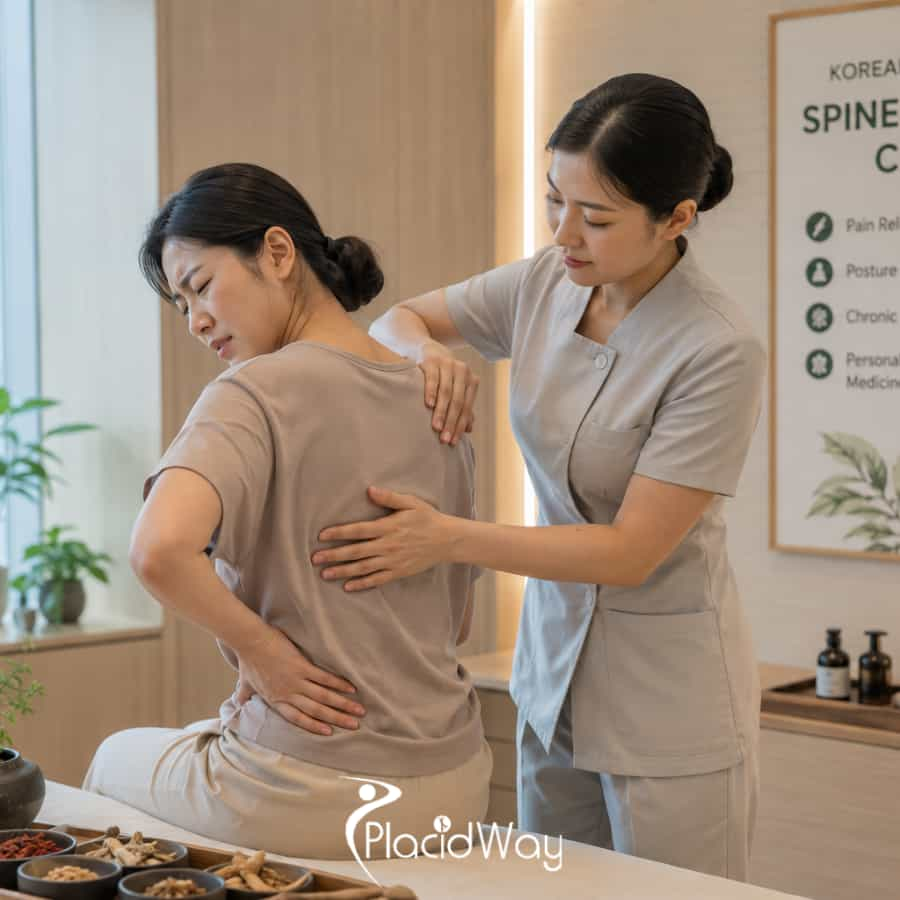
Price starting from $100
Korean Medicine Spine and Joint Care Package in Gangnam, South Korea – Integrative Treatment
PlacidWay Gangnam Medical Tourism
- Spine Care/Surgery
Gangnam, South Korea

Price starting from $800
Spine Treatment in Seoul, Korea by Jaseng Hospital
Jaseng Hospital of Korean Medicine Spine Joint Orthopedic Rehabilitation Center
- Spine Care/Surgery
Seoul, South Korea
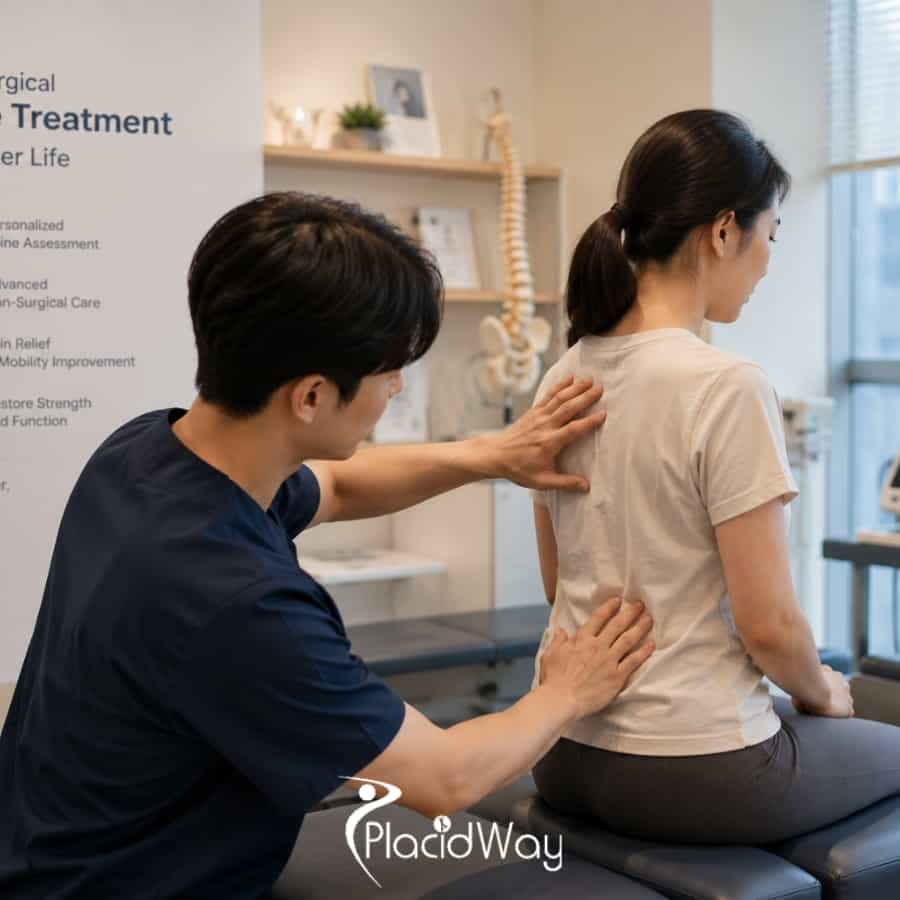
Price starting from $7,000
Non-Surgical Spine Treatment Package in Gangnam, South Korea – Conservative Back Care
PlacidWay Gangnam Medical Tourism
- Spine Care/Surgery
Gangnam, South Korea
Spine Care Surgery Solutions Near You: Explore Top Medical Centers
Discover how Spine Care Surgery is transforming lives at leading medical centers in , . Dive into center profile, specialties, doctors, reviews, etc. and explore the best options tailored to your needs in this region.

PlacidWay Gangnam Medical Tourism
Gangnam, South Korea

Wooridul Hospital Spine Joint Neuroscience Surgical Rehabilitation Center
Seoul,Busan,Daegu, South Korea

Gangnam Severance Hospital Advanced Medical Surgical Care Center
Seoul, South Korea